
Prevent Equipment-Related Injuries by addressing hazards before they cause harm.
Every year, workers are seriously injured or even killed due to unsafe interaction with machinery, tools, and heavy equipment. From forklifts to power tools, the risks are real—but so are the solutions.

Here are 10 proactive, actionable OHSE strategies you can implement today to dramatically reduce equipment-related incidents and foster a safety-first workplace.
- Prevent Equipment-Related Injuries
- 1. Conduct Pre-Operational Safety Inspections
- 2. Implement Lockout/Tagout (LOTO) Procedures
- 3. Train Operators and Supervisors Thoroughly
- 4. Use the Right Equipment for the Task
- 5. Install Proper Guards and Safety Features
- 6. Establish Equipment Use Zones and Spotters
- 7. Maintain a Predictive Maintenance Schedule
- 8. Create an Incident and Near-Miss Reporting Culture
- 9. Use Personal Protective Equipment (PPE) Correctly
- 10. Conduct Regular Safety Audits and Feedback Reviews
- Final Thoughts
Prevent Equipment-Related Injuries
1. Conduct Pre-Operational Safety Inspections
Before equipment is used—especially heavy machinery—conduct a thorough inspection for visible damage, loose parts, fluid leaks, or wear and tear. Use standardized checklists and ensure workers are trained to report defects immediately.
🛠 Internal link: Read our guide on Common Equipment Needing Spotters.

2. Implement Lockout/Tagout (LOTO) Procedures
LOTO is essential for maintenance and repair work. Ensure all energy sources (electrical, hydraulic, pneumatic) are properly isolated and tagged before anyone performs servicing. Enforce it with visual tags and audits.
📘 External link: Learn more about OSHA’s Lockout/Tagout standard. (DoFollow)
3. Train Operators and Supervisors Thoroughly
Only trained and authorized personnel should operate or supervise equipment use.
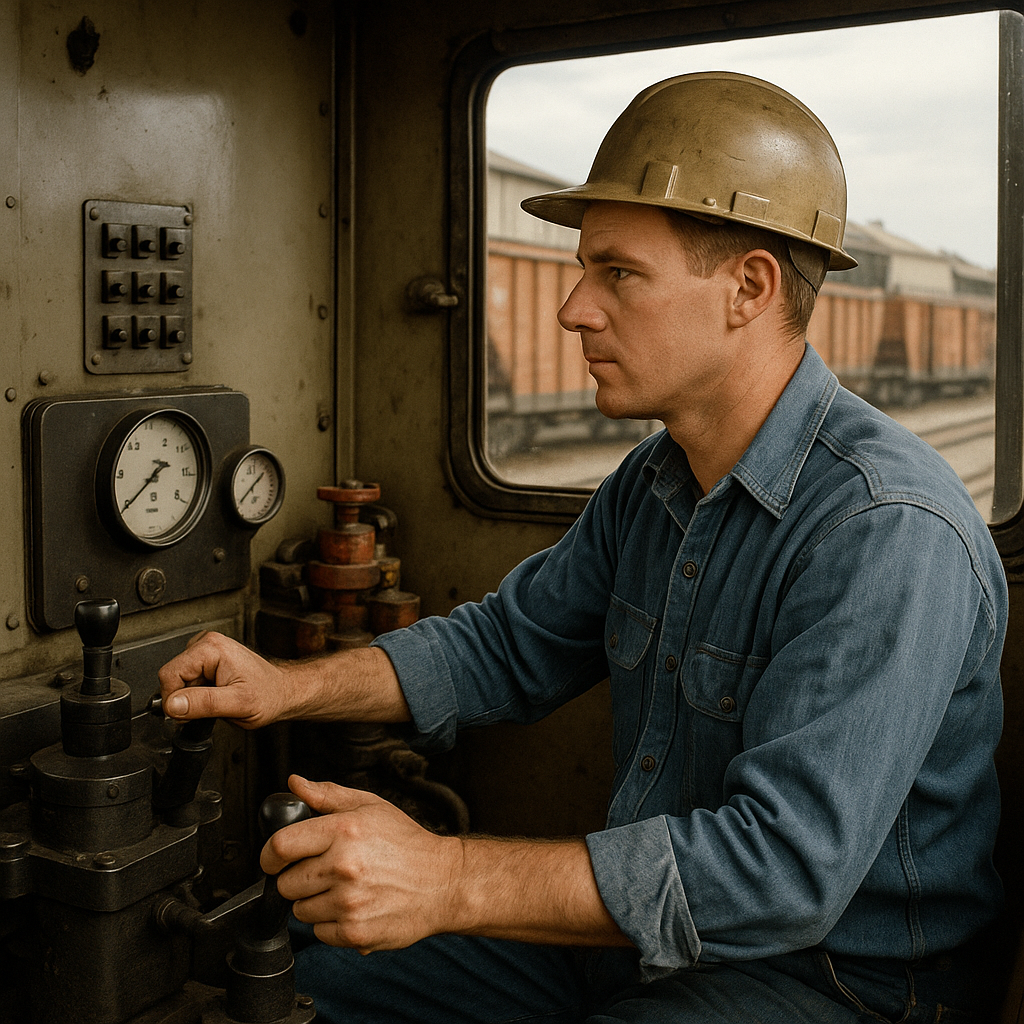
Provide role-specific training and refresher courses annually, covering operating procedures, hazard awareness, and emergency shutdown processes.
4. Use the Right Equipment for the Task
Avoid injuries caused by improvisation. Ensure employees use the correct tool or machine for the job at hand. Using underpowered or makeshift tools leads to equipment failure and severe injuries.
5. Install Proper Guards and Safety Features
Unguarded moving parts are one of the most common sources of injury. Ensure machine guards, emergency stop buttons, and safety interlocks are intact and functional. Never bypass these systems—they exist for a reason.
🛠 Internal link: Learn more in Emergency Stop Systems in Automated Environments.
6. Establish Equipment Use Zones and Spotters
Mark equipment operating zones clearly with floor tape, signs, or barriers. In high-traffic or blind-spot-prone areas (like warehouses), assign trained spotters to guide operators and keep pedestrians safe.
📘 External link: Read about blind spot awareness for heavy equipment.
7. Maintain a Predictive Maintenance Schedule
Don’t wait for equipment to break. Use sensor data, runtime logs, or scheduled service plans to detect early signs of failure.
Predictive maintenance not only prevents injuries but reduces downtime.
8. Create an Incident and Near-Miss Reporting Culture
Encourage immediate reporting of close calls and minor equipment failures. Investigate every incident—even non-injury ones—to identify root causes and update procedures.
🛠 Internal link: Read Creating Accountability Without Blame in Safety Programs.
9. Use Personal Protective Equipment (PPE) Correctly
Operators and nearby workers should always wear the appropriate PPE: gloves, safety goggles, hearing protection, and steel-toe boots.
Reinforce correct usage through supervision, training, and visual reminders.
10. Conduct Regular Safety Audits and Feedback Reviews
Schedule monthly or quarterly safety audits focused on equipment use.
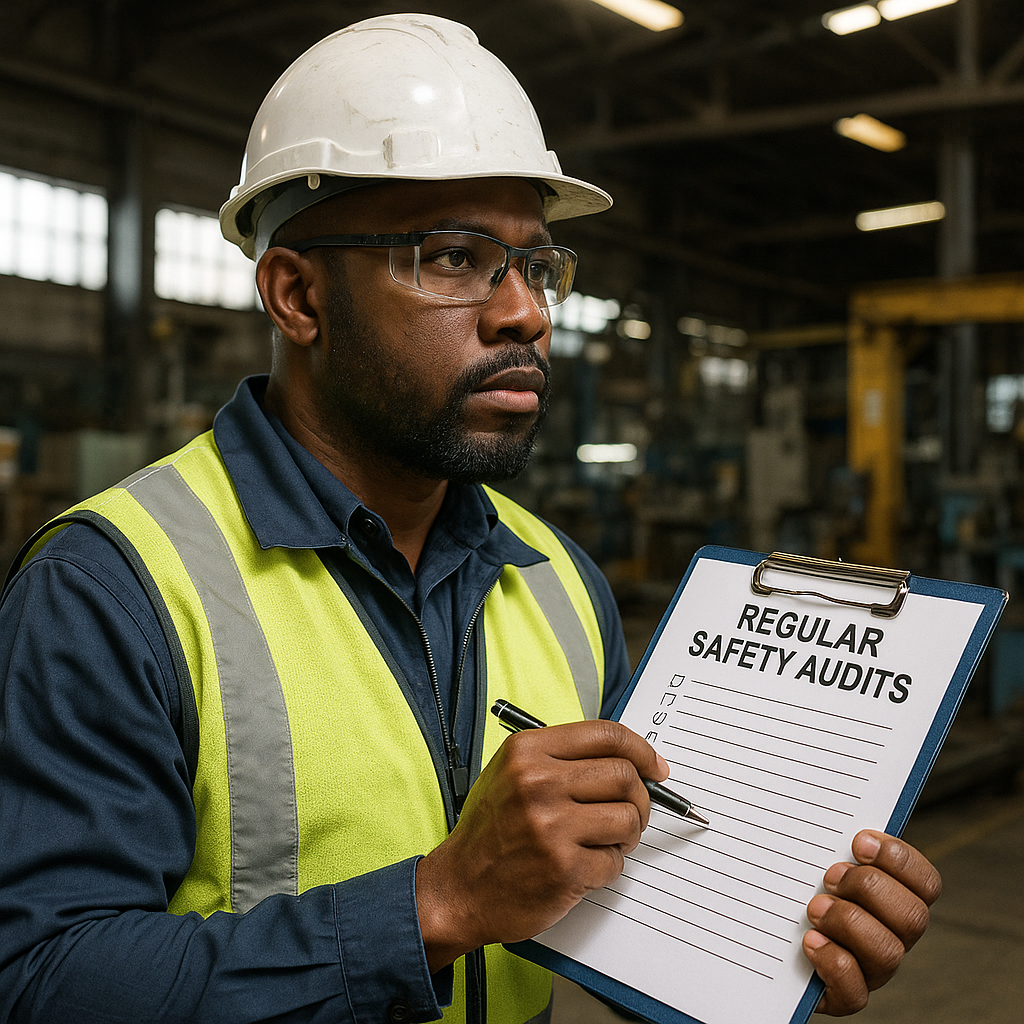
Include frontline workers in feedback sessions—they often know the equipment better than anyone else and can identify overlooked hazards.
📘 External link: Access free audit templates from OHSE.ca. (DoFollow)
Final Thoughts
To prevent equipment-related injuries, organizations must adopt a mindset of vigilance, maintenance, and constant learning. These 10 measures don’t just protect workers—they improve productivity, reduce downtime, and strengthen overall safety culture.
In safety, prevention isn’t optional—it’s essential. Stay proactive, stay protected.
No comments yet