
Cold weather toolbox talk topics are essential for keeping construction workers safe, alert, and productive during winter months. Cold temperatures, snow, ice, and reduced daylight introduce hazards that can quickly turn routine tasks into serious incidents if they’re not discussed regularly.
Toolbox talks provide a practical, short-format opportunity to reinforce awareness, share lessons learned, and remind crews of critical winter controls.
Cold weather toolbox talk topics
Construction work already involves high-risk activities such as working at heights, operating heavy equipment, and handling materials.
When cold weather is added to the mix, the likelihood of slips, cold stress, equipment failures, and poor decision-making increases.
Selecting the right toolbox talk topics helps supervisors focus attention on the hazards workers are most likely to face that day.
Below are 10 highly relevant cold weather toolbox talk topics for construction, each designed to spark discussion, reinforce safe behaviors, and support occupational health and safety during winter operations.
1. Recognizing Cold Stress, Hypothermia, and Frostbite
Cold stress is one of the most serious winter hazards on construction sites. Workers may not recognize early symptoms, especially when focused on getting the job done. A toolbox talk should cover warning signs such as shivering, numbness, confusion, slowed movement, and slurred speech.
Discuss why cold stress can affect anyone, even experienced workers, and emphasize the importance of reporting symptoms early.
Reinforcing that cold-related illnesses are medical emergencies helps remove the stigma of “toughing it out.”
2. Winter PPE: Dressing for the Conditions, Not the Calendar
Construction crews often assume that wearing more clothing automatically means better protection. A toolbox talk on winter PPE should focus on proper layering, moisture control, and selecting task-appropriate gear.
Discuss common PPE mistakes such as bulky gloves reducing dexterity, non-insulated boots increasing slip risk, or covering high-visibility clothing with non-reflective jackets.
This topic helps workers understand how PPE choices directly affect safety and performance.
3. Slip, Trip, and Fall Hazards on Winter Construction Sites
Slips and falls are among the leading causes of winter injuries in construction. Ice, snow, and frozen mud can form quickly and unpredictably.
Use this toolbox talk to review high-risk areas such as access routes, scaffolding, ladders, and platforms. Reinforce controls like proper footwear traction, sanding or salting surfaces, and slowing down movement.
Encourage workers to report icy conditions immediately rather than working around them.
4. Safe Use of Tools and Equipment in Cold Weather
Cold temperatures affect how tools and equipment perform. Batteries drain faster, hydraulics respond slowly, and metal surfaces become brittle.
A toolbox talk on this topic should highlight the importance of pre-use inspections, warming up equipment, and handling tools carefully when temperatures drop.
Discuss the increased risk of sudden equipment failure and the need to stop work if tools are not operating safely.
5. Working at Heights During Winter Conditions
Working at heights becomes significantly more dangerous in cold weather. Ice, frost, and snow reduce traction and compromise balance, especially on scaffolds, roofs, and ladders.
This toolbox talk should reinforce extra precautions such as clearing surfaces, using proper fall protection, and reassessing whether work at height can safely proceed.
Emphasize that winter conditions may require postponing tasks that would otherwise be routine.
6. Reduced Visibility and Shorter Daylight Hours
Winter construction often takes place in low-light conditions due to shorter days, cloud cover, snow glare, and fog. Reduced visibility increases the risk of struck-by incidents and equipment collisions.
Discuss the importance of high-visibility winter clothing, proper lighting, and maintaining clear sightlines around vehicles and equipment.
This topic helps workers stay aware of how visibility changes throughout the day.
7. Cold Weather Effects on Manual Handling and Ergonomics
Cold muscles are more prone to strains, sprains, and overexertion injuries. Gloves and bulky clothing can also alter lifting technique and grip strength.
A toolbox talk on ergonomics should encourage proper warm-up, safe lifting practices, and the use of mechanical aids where possible.
Reinforce that taking extra time during winter is a safety measure, not a productivity loss.
8. Vehicle and Mobile Equipment Safety in Winter
Construction sites rely heavily on trucks, loaders, forklifts, and other mobile equipment. Winter conditions affect braking, steering, and stopping distances.
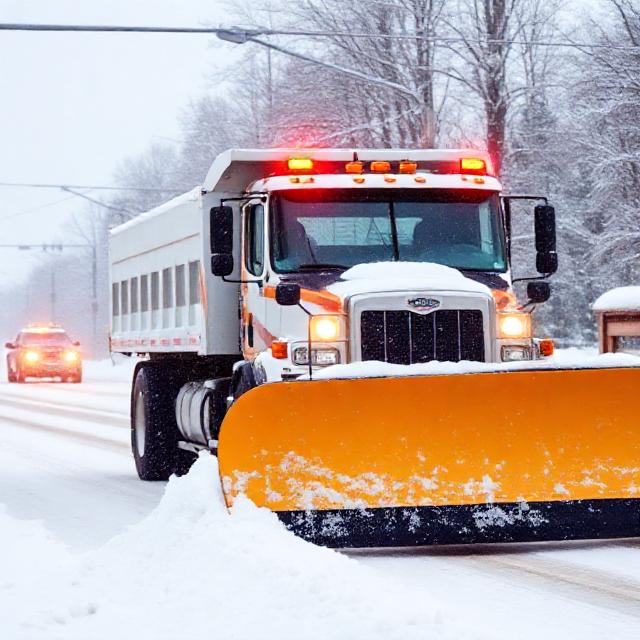
Use this toolbox talk to review safe driving practices, pre-use inspections, and maintaining clear travel routes.
Emphasize the need to slow down and remain alert for pedestrians in snowy or icy conditions.
9. Emergency Preparedness and Cold Weather Response
Cold weather emergencies escalate quickly. A toolbox talk should review emergency procedures, including what to do if a worker shows signs of hypothermia or if equipment fails in freezing conditions.
Discuss the location of warm-up shelters, emergency supplies, and communication methods.
This topic reinforces preparedness and helps workers respond confidently during unexpected situations.
10. Fatigue, Mental Focus, and Decision-Making in Cold Conditions
Cold weather increases physical fatigue and reduces mental alertness. Workers may rush tasks to “get out of the cold,” increasing the likelihood of shortcuts and mistakes.
This toolbox talk should focus on pacing work, taking scheduled breaks, staying hydrated, and watching out for each other.
Reinforcing the link between cold exposure and human performance helps crews recognize when it’s time to slow down or stop work.
Closing Thoughts
Cold weather toolbox talk topics for construction play a critical role in preventing winter-related injuries and illnesses. Short, focused discussions help crews stay aware of changing conditions, reinforce safe behaviors, and promote open communication on job sites.

By rotating these ten topics throughout the winter season, supervisors can keep safety conversations relevant and engaging.
Consistent winter toolbox talks demonstrate strong leadership, support regulatory compliance, and most importantly, help ensure every worker goes home safely at the end of the day.
No comments yet