
Smart Near Miss Reporting Practices That Improve Prevention

Near miss reporting practices are one of the most effective ways to stop injuries before they happen. When a falling tool misses a worker by inches, a forklift turns too fast in a crowded aisle, or a chemical container is found leaking before exposure occurs, the event may not cause harm, but it reveals a weakness in the system.
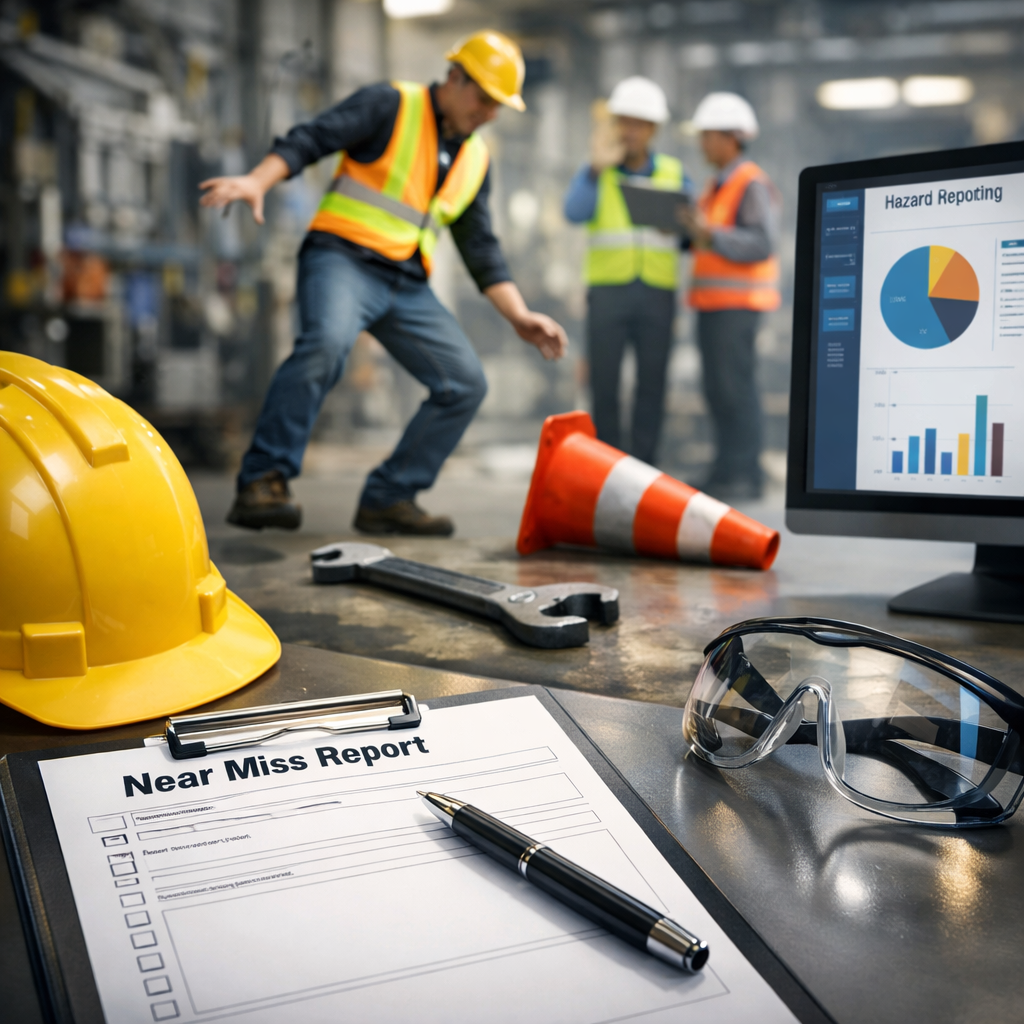
Organizations that treat these incidents seriously gain a clear advantage in prevention. Instead of waiting for a recordable injury, they use warning signs to improve equipment, procedures, training, and supervision. Strong near miss reporting practices turn small failures into learning opportunities, helping teams reduce risk, strengthen trust, and build a more proactive safety culture.
- Why Near Miss Reporting Practices Matter in Every Workplace
- Core Near Miss Reporting Practices That Strengthen Prevention
- How Reporting Systems Turn Near Misses Into Preventive Action
- Practical Examples of Near Miss Reporting Practices in Real Operations
- Building a Sustainable Culture Around Near Miss Reporting Practices
Why Near Miss Reporting Practices Matter in Every Workplace
A near miss is an unplanned event that did not result in injury, illness, or damage, but had the potential to do so. In many workplaces, these events are underreported because nothing “serious” happened. That mindset is costly. The same conditions that create a near miss can easily lead to a future incident with severe consequences.
This is why regulators, safety professionals, and organizations such as OSHA and CCOHS emphasize hazard identification and early reporting. Near misses often expose hidden issues like poor housekeeping, unclear procedures, inadequate maintenance, rushed work, weak supervision, or design flaws. If these signals are ignored, the next outcome may involve an injury, production loss, equipment damage, or legal exposure.
Good near miss reporting practices also improve the quality of safety data. Injury statistics alone show what has already gone wrong. Near miss reports, by contrast, show where the organization is vulnerable right now. They reveal patterns long before severe outcomes occur. For example, several reports about slips in the same loading area may point to drainage issues, surface wear, or poor footwear controls. That information allows leaders to act before someone gets hurt.
Just as important, reporting reinforces employee involvement. When workers see that speaking up leads to real improvements, they are more likely to report hazards, suggest controls, and participate in problem-solving. This creates a stronger reporting culture across the organization and supports broader initiatives such as safety culture improvement and hazard identification process reviews.
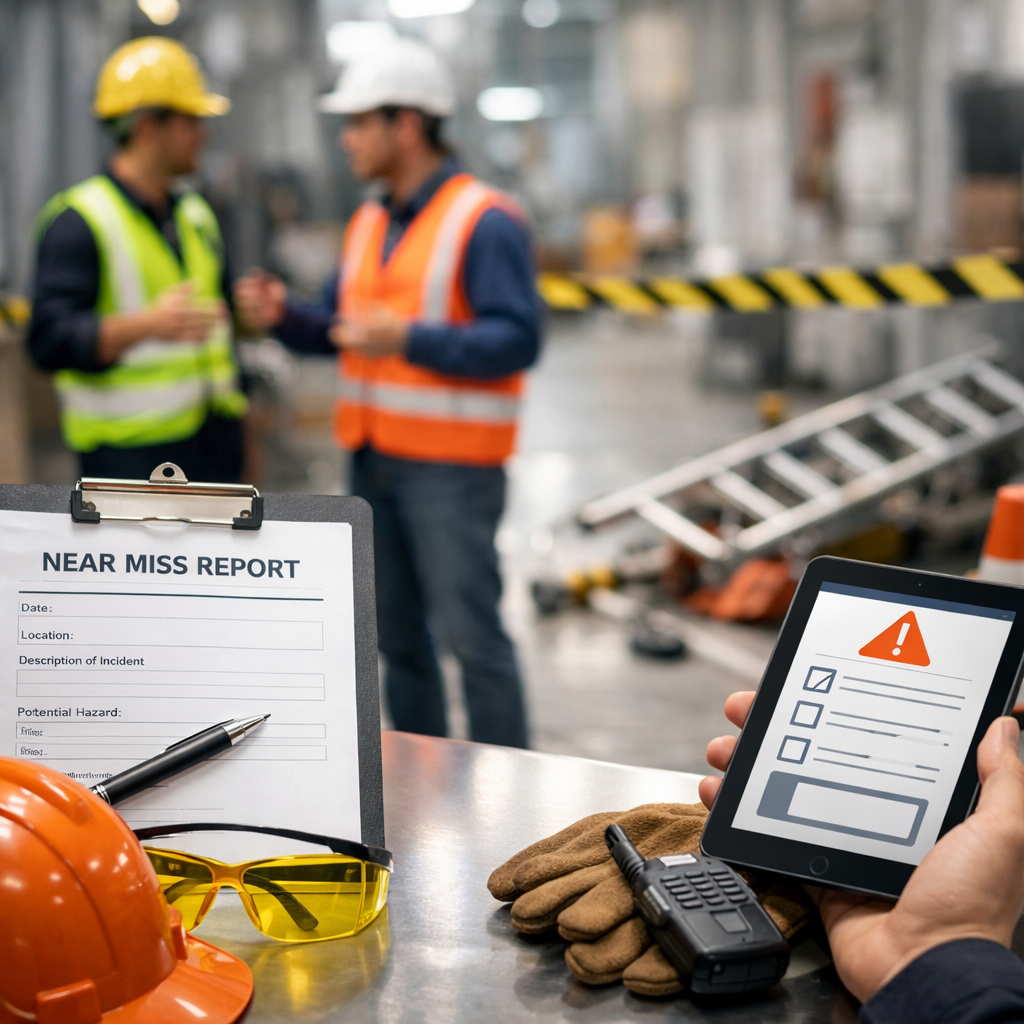
Core Near Miss Reporting Practices That Strengthen Prevention
Make reporting simple and fast
If the process is slow, confusing, or overly formal, people will avoid it. Effective near miss reporting practices use short forms, mobile tools, QR codes, or quick verbal reporting followed by supervisor documentation. Workers should know exactly what to report, when to report it, and who receives the information.
Simple systems increase participation. A warehouse employee who notices a damaged racking beam should be able to report it in minutes, not after completing a long form with unnecessary detail. The goal is to capture useful information while the event is fresh.
Keep the culture non-punitive
People do not report near misses if they expect blame. A strong system focuses on learning, not punishment, unless there is clear willful misconduct. In most cases, near misses involve a combination of system weaknesses and normal human error under real work conditions.
Supervisors play a major role here. Their first response should be curiosity and support: What happened? What conditions made this possible? What barriers failed? This approach improves reporting volume and quality because workers are more willing to share what really occurred.
Capture enough detail for action
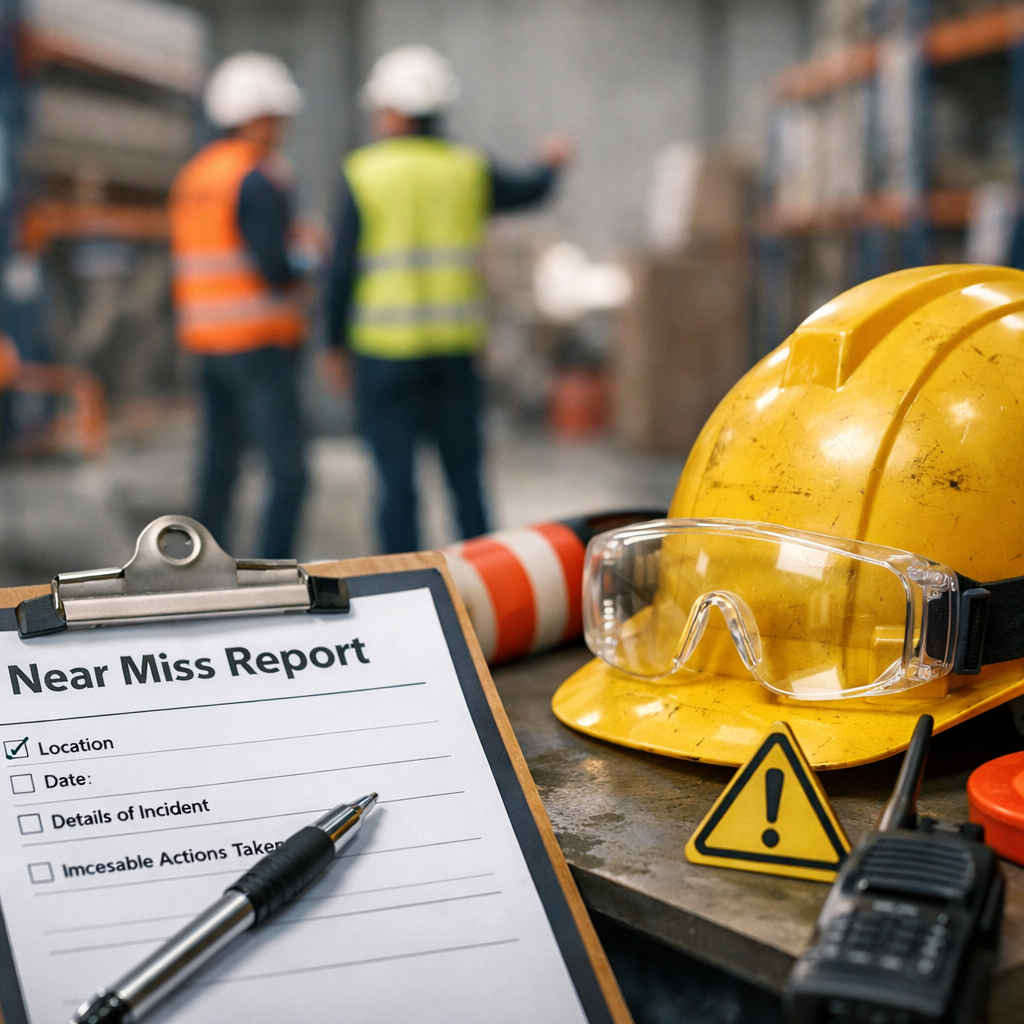
A useful report should go beyond “almost got hurt.” It should identify the task, location, conditions, equipment involved, potential severity, and immediate causes. Photos and witness details can help. Strong near miss reporting practices gather just enough information to support corrective action without making the process burdensome.
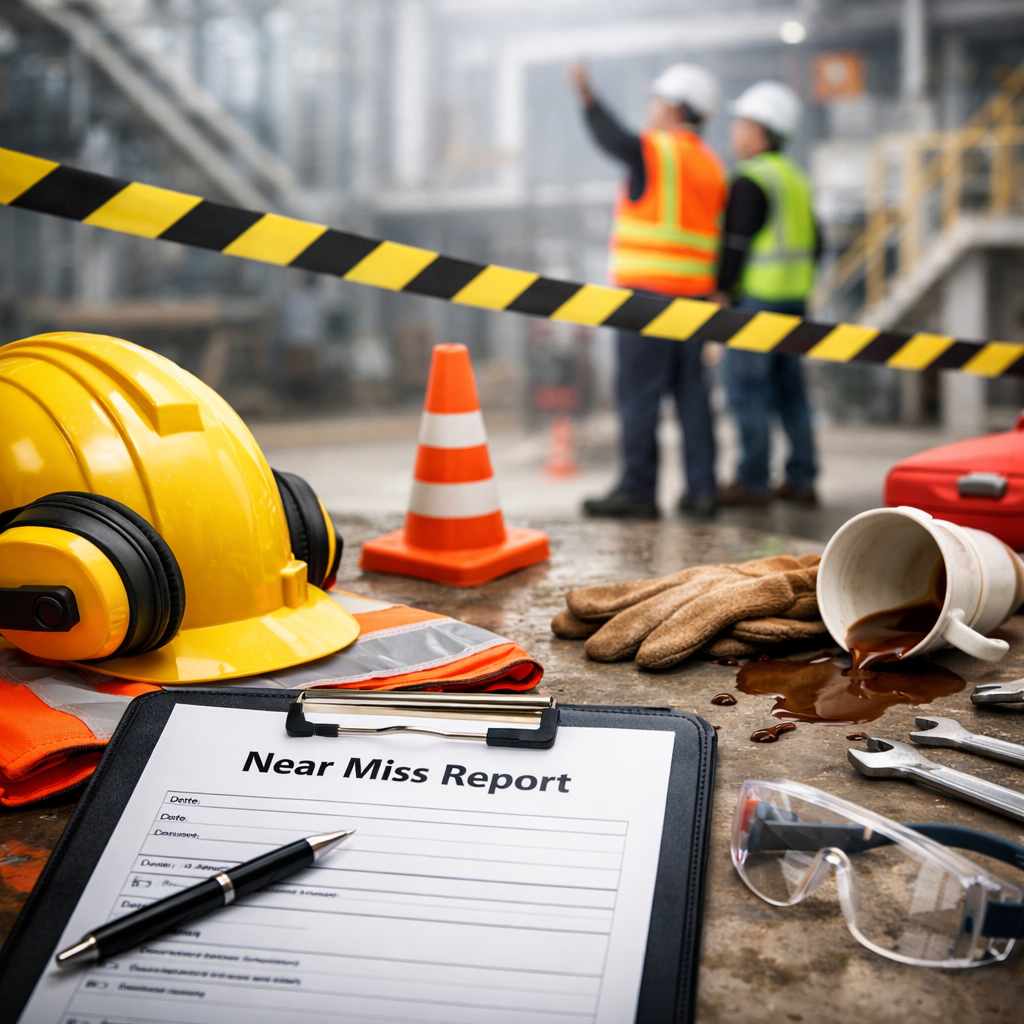
- What task was being performed?
- Where and when did it happen?
- What hazard was present?
- What could have happened?
- What immediate action was taken?
- What longer-term controls are needed?
These questions help teams move from storytelling to prevention. They also make trend analysis much easier over time.
How Reporting Systems Turn Near Misses Into Preventive Action
The value of reporting does not come from collecting forms. It comes from what happens next. The best near miss reporting practices include review, prioritization, investigation, corrective action, and follow-up. Without these steps, employees quickly lose faith in the system.
A practical way to evaluate reports is to consider both likelihood and potential severity. A near miss involving a paper cut risk is not the same as one involving a worker nearly struck by suspended load. Even when no injury occurs, high-potential near misses deserve immediate attention and formal investigation.
| Near Miss Example | Potential Risk | Recommended Control |
|---|---|---|
| Forklift nearly hits pedestrian at blind corner | Serious struck-by injury | Separate traffic routes, mirrors, speed limits, pedestrian barriers |
| Worker slips on repeated oil leak but regains balance | Fall injury, contamination, fire risk | Repair leak, improve housekeeping, inspect equipment, use absorbents |
| Extension cord sparks but power cuts out | Electrical shock or fire | Remove damaged cord, inspect system, replace with safer equipment |
Applying the Hierarchy of Controls makes these responses more effective. Instead of relying only on reminders or retraining, organizations should first consider elimination, substitution, engineering controls, administrative controls, and personal protective equipment. For example, if workers repeatedly report near misses from manual lifting in a tight production area, the solution may be redesigning the layout or adding lifting aids, not just asking people to “lift carefully.”
Reporting systems should also include feedback loops. Employees who submit reports should hear what was found and what changed. Even a short update from a supervisor or safety committee can make a major difference. It shows respect, reinforces participation, and keeps prevention visible.
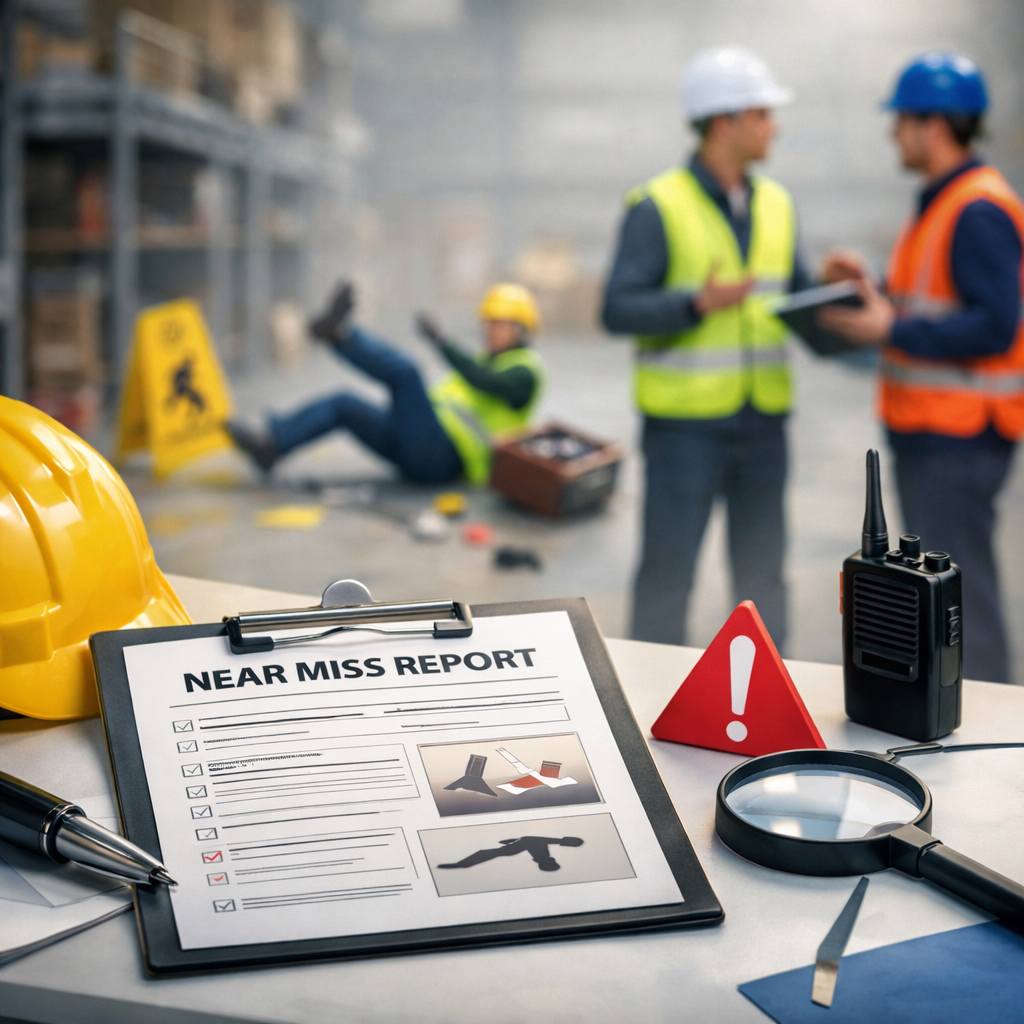
Practical Examples of Near Miss Reporting Practices in Real Operations
In manufacturing, a machine guard found loose during a pre-start check is a near miss with high learning value. No injury occurred, but the event may indicate weak maintenance controls, poor inspection routines, or unauthorized adjustment. Reporting it quickly allows the employer to lock out the machine, inspect similar equipment, and review preventive maintenance schedules.
In construction, a dropped object that lands near a walkway may point to tool tethering gaps, poor exclusion zones, or material storage problems. Smart near miss reporting practices help supervisors identify whether the issue is isolated or part of a larger pattern across crews and subcontractors. This can lead to better overhead protection, stricter housekeeping, and improved work planning.
In offices and healthcare settings, near misses matter too. A nurse who catches a medication labeling error before administration, or an employee who notices a blocked exit before an emergency, provides valuable safety intelligence. These incidents show how reporting supports both occupational health and operational reliability.
To improve results, organizations should train workers and supervisors on what qualifies as a near miss and why it matters. Many people still confuse near misses with hazards, incidents, or unsafe acts. Clear definitions, practical examples, and short toolbox talks help remove that uncertainty.
- Define near misses with workplace-specific examples
- Provide multiple reporting options, including mobile and verbal methods
- Investigate high-potential events promptly
- Use root cause thinking, not surface-level blame
- Track trends by department, task, hazard type, and severity potential
- Share lessons learned across teams and sites
Metrics should focus on quality as well as quantity. A rise in reports can be a positive sign of trust and awareness, not worsening performance. Leaders should review closure rates, repeat issues, time to action, and whether controls are actually reducing exposure. Guidance from resources such as the UK HSE can also support stronger reporting and investigation methods.
Building a Sustainable Culture Around Near Miss Reporting Practices
Long-term success depends on leadership behavior. When managers ask about near misses during walkthroughs, discuss trends in meetings, and allocate resources to fix root causes, reporting becomes part of normal work. When reports disappear into a system without action, people stop participating.
Recognition can help, but it should reward meaningful reporting and problem-solving rather than just numbers. Teams should understand that the purpose of near miss reporting practices is not to generate paperwork. It is to reveal risk, strengthen controls, and prevent harm. A mature reporting culture sees near misses as free lessons that arrive before a serious event.
In the end, prevention is strongest when organizations learn early and act quickly. Near miss reporting practices help employers detect weak signals, apply better controls, and involve workers in practical safety improvements. When reporting is simple, trusted, and tied to real corrective action, near misses become one of the most valuable tools for preventing injuries and building safer workplaces.
No comments yet