
Hand Protection Guide: Complete Safety for Chemical and Mechanical Hazards
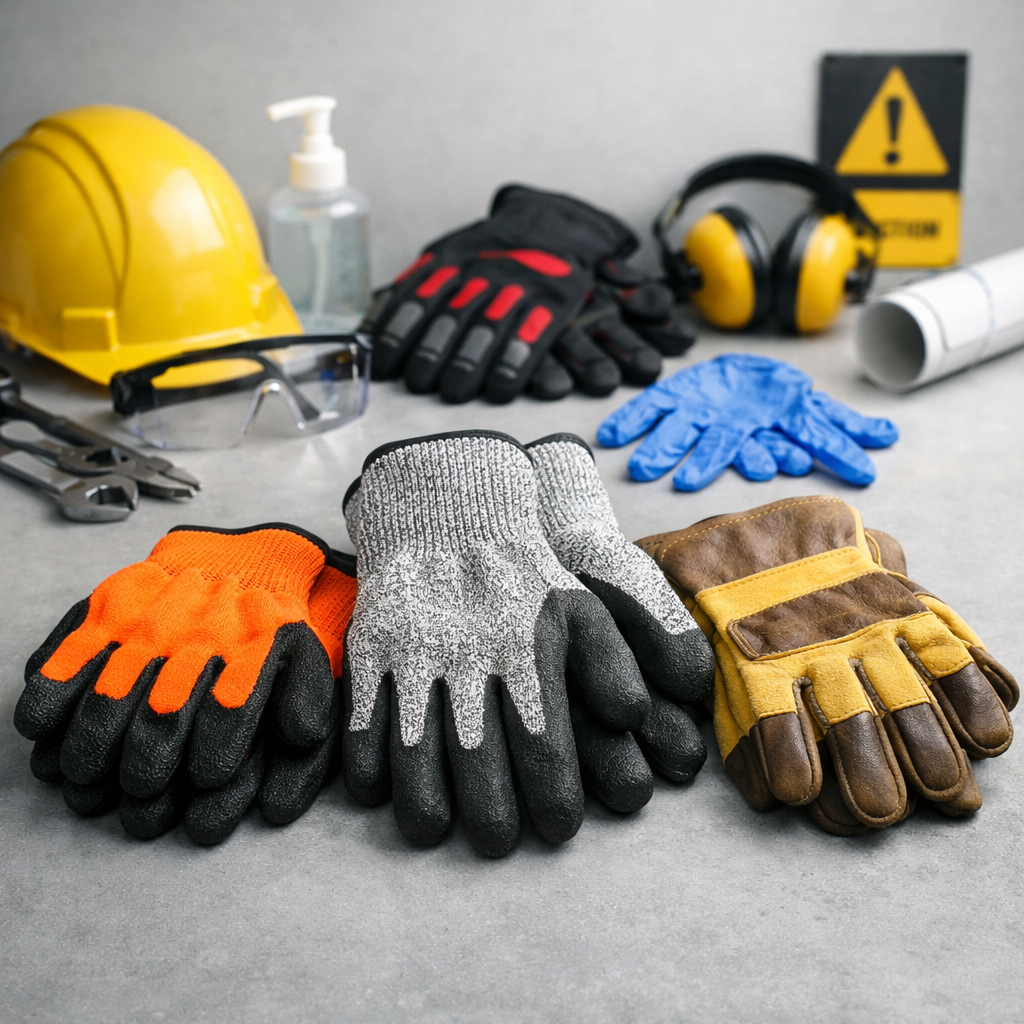

Hand protection guide best practices begin with one simple fact: not all gloves protect against the same risks.
In workplaces where employees handle chemicals, sharp materials, rough surfaces, hot equipment, or vibrating tools, selecting the right hand protection can prevent serious injuries and costly downtime.
This hand protection guide explains how to match gloves to hazard type, assess real job tasks, and apply practical controls that support compliance and day-to-day safety.
Whether you manage a manufacturing floor, warehouse, laboratory, cleaning team, or maintenance department, hand safety should be based on the actual exposure, not just habit or convenience.
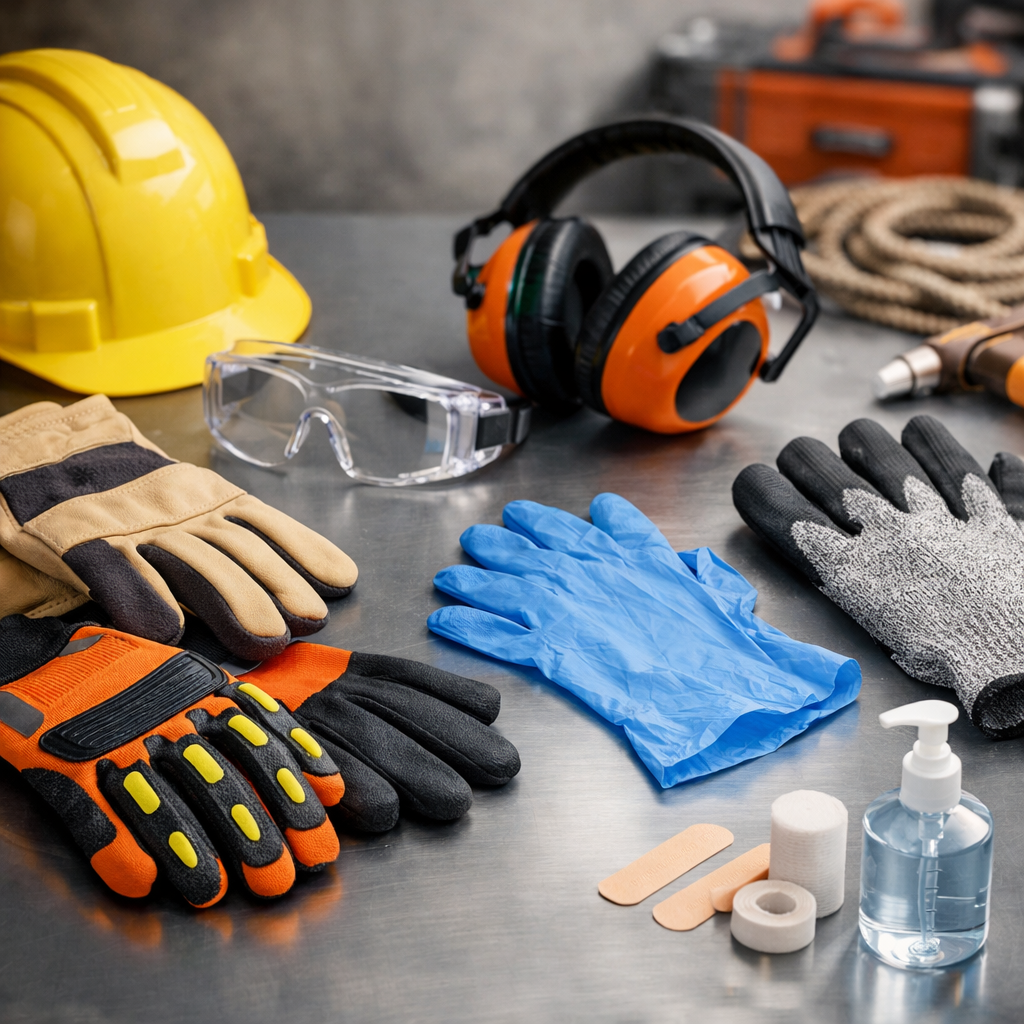
Organizations such as OSHA and CCOHS consistently emphasize hazard assessment as the foundation of personal protective equipment selection.
- Hand Protection Guide Basics: Start With the Hazard Assessment
- Choosing Gloves by Hazard Type in This Hand Protection Guide
- Practical Workplace Scenarios for Chemical and Mechanical Protection
- Fit, Training, Inspection, and Glove Management
- Conclusion: Build a Safer Program With a Hand Protection Guide
Hand Protection Guide Basics: Start With the Hazard Assessment
A good hand protection guide always starts with identifying what can injure the hand.
This includes chemical exposure, cuts, punctures, abrasion, crush hazards, vibration, thermal contact, and biological contamination.
Before choosing gloves, review the task, the material being handled, the duration of exposure, and how the glove may fail in real conditions.
For example, a glove that performs well against mild detergent may be completely unsuitable for strong solvents or acids.

Likewise, a thin glove that allows dexterity for assembly work may not withstand sheet metal edges or broken glass.
Use the hierarchy of controls first
Gloves are important, but they are still PPE, which means they are one of the last lines of defense.
Under the hierarchy of controls, employers should first consider elimination, substitution, engineering controls, and administrative controls before relying on gloves alone.
- Elimination: Remove the hazardous chemical or process if possible.
- Substitution: Use a less hazardous chemical or safer tool.
- Engineering controls: Install guards, splash shields, ventilation, or automated handling systems.
- Administrative controls: Rotate tasks, improve procedures, and train workers.
- PPE: Select gloves and other equipment appropriate to the remaining risk.
If a worker is manually dipping parts into a corrosive cleaner, the better long-term control may be a closed system or automated washer.
The glove still matters, but it should support broader risk reduction rather than replace it.

Choosing Gloves by Hazard Type in This Hand Protection Guide
The most important part of any hand protection guide is matching glove material and design to the actual hazard.
There is no universal glove for every job, and using the wrong type can create a false sense of security.
Chemical hazards
Chemical-resistant gloves must be selected based on the exact substance, concentration, contact time, and whether exposure is from splash, immersion, or contamination of surfaces.
Key terms include breakthrough time, permeation rate, and degradation resistance.
Manufacturers publish chemical compatibility charts, and these should always be checked before purchase.

In general, nitrile gloves are commonly used for oils, fuels, and many solvents, while neoprene may be chosen for certain acids and caustics.
But these are broad examples, not guarantees.
A janitorial worker using diluted cleaners may need a different glove than a lab technician handling concentrated acids.
For more selection basics, see our PPE basics guide.
Mechanical hazards
Mechanical risks include cuts, punctures, tears, abrasion, impact, and entanglement concerns.
For these tasks, glove construction matters as much as the coating or palm material.
Cut-resistant gloves often use high-performance fibers and are rated for cut protection under recognized standards.
Workers handling glass, sheet metal, stamped parts, or sharp tools usually need gloves with verified cut resistance rather than basic fabric gloves.
At the same time, bulky gloves can reduce grip and increase risk during precision tasks.
That is why fit, flexibility, and fingertip control are essential in mechanical environments.
| Hazard Type | Typical Risk | Common Glove Features | Example Work Area |
|---|---|---|---|
| Chemical splash | Burns, skin absorption, irritation | Chemical-resistant material, longer cuff, tested compatibility | Laboratories, cleaning, chemical mixing |
| Cut hazard | Lacerations, punctures | Cut-resistant fibers, reinforced palm, secure fit | Metal fabrication, recycling, glazing |
| Abrasion | Skin wear, blisters | Coated palm, durable outer layer | Warehousing, construction, material handling |
| Impact | Crushing, finger injuries | Back-of-hand protection, shock-absorbing design | Oil and gas, heavy maintenance |
Practical Workplace Scenarios for Chemical and Mechanical Protection
A useful hand protection guide should reflect what happens in real workplaces, not just what appears in a catalog.
Tasks, environment, and worker behavior all affect glove performance.
Scenario 1: Maintenance staff using degreasers
A maintenance technician cleans machine parts with a solvent-based degreaser and then uses hand tools to reassemble components.
This task creates both chemical and mechanical exposure.
If the worker wears a glove designed only for grip, chemical permeation may occur.
If the glove is highly chemical resistant but too bulky, dropped tools and pinch injuries may become more likely.
The solution may be a glove verified for the specific chemical with enough dexterity for tool use, plus process changes such as drain time, parts baskets, or splash control.
Scenario 2: Warehouse worker handling damaged pallets
A warehouse employee moves cartons and occasionally handles splintered pallets or broken packaging bands.
The main hazards are abrasion, puncture, and minor cuts.
Light-duty cut-resistant gloves with a grip coating may be more appropriate than disposable gloves or heavy leather styles that reduce handling accuracy.
Good housekeeping and pallet inspection are also part of the control plan.
Scenario 3: Laboratory technician transferring corrosives
A lab technician pours a corrosive liquid from one container to another inside a controlled work area.
This task may require chemical-resistant gloves selected from the manufacturer’s compatibility data, along with goggles, an apron, and proper ventilation.
The glove should extend far enough to protect the wrist, and staff should know the signs of degradation such as swelling, stiffening, discoloration, or softening.
Detailed references from NIOSH and chemical suppliers can help confirm appropriate protection.
Scenario 4: Fabrication shop handling sharp metal
In a fabrication shop, workers move unfinished sheet metal and operate equipment that exposes them to sharp edges.
This is a classic mechanical hazard environment.
Cut-resistant gloves with good grip are usually necessary, but supervisors must also consider machine-specific risks.
Loose gloves can become hazardous around rotating parts, so glove use should always align with machine guarding procedures and lockout practices.
You can also review our workplace risk assessment checklist for a simple way to document these decisions.
Fit, Training, Inspection, and Glove Management
Even the best hand protection guide will fail if workers receive gloves that do not fit, are not maintained, or are used beyond their limitations.
Comfort and usability affect compliance more than many employers realize.
If gloves are too tight, they can cause hand fatigue and reduce circulation.
If they are too loose, they can reduce grip, snag on equipment, and make fine tasks harder to perform safely.
What workers should be trained to check
- Correct glove type: Match the glove to the assigned task and hazard.
- Condition before use: Look for tears, punctures, worn fingertips, thinning, or chemical damage.
- Proper donning and removal: Avoid contaminating skin when taking gloves off.
- Replacement timing: Change disposable or contaminated gloves promptly.
- Storage: Keep gloves clean, dry, and away from sunlight or chemical exposure when not in use.
Supervisors should also verify that glove policies are practical.
If workers remove gloves because they cannot operate controls or sort small components, the issue may be poor glove selection rather than poor compliance.
Trial programs with different glove models can help identify options that balance protection with productivity.
It is also important to remember skin health.
Extended glove use, sweating, and repeated hand washing can contribute to dermatitis.
Liner gloves, appropriate sizing, skin-friendly soaps, and hand care programs can reduce these issues and improve long-term use.
Conclusion: Build a Safer Program With a Hand Protection Guide
A strong hand protection guide is not just a list of glove types.
It is a practical system for identifying hazards, applying the hierarchy of controls, selecting task-specific gloves, and training workers to use them correctly.
For chemical hazards, always verify compatibility with the exact substance and exposure conditions.
For mechanical hazards, focus on cut resistance, durability, grip, and fit without ignoring machine-specific risks.
When employers connect glove selection to real workplace scenarios, they make hand safety more effective and easier for workers to follow.
Use this hand protection guide as a starting point, then build on it with supplier data, field trials, and regular hazard reviews to keep protection aligned with the work being done.
No comments yet