
Confined Space Rescue Planning: Essential Tips to Be Ready Before Entry Begins

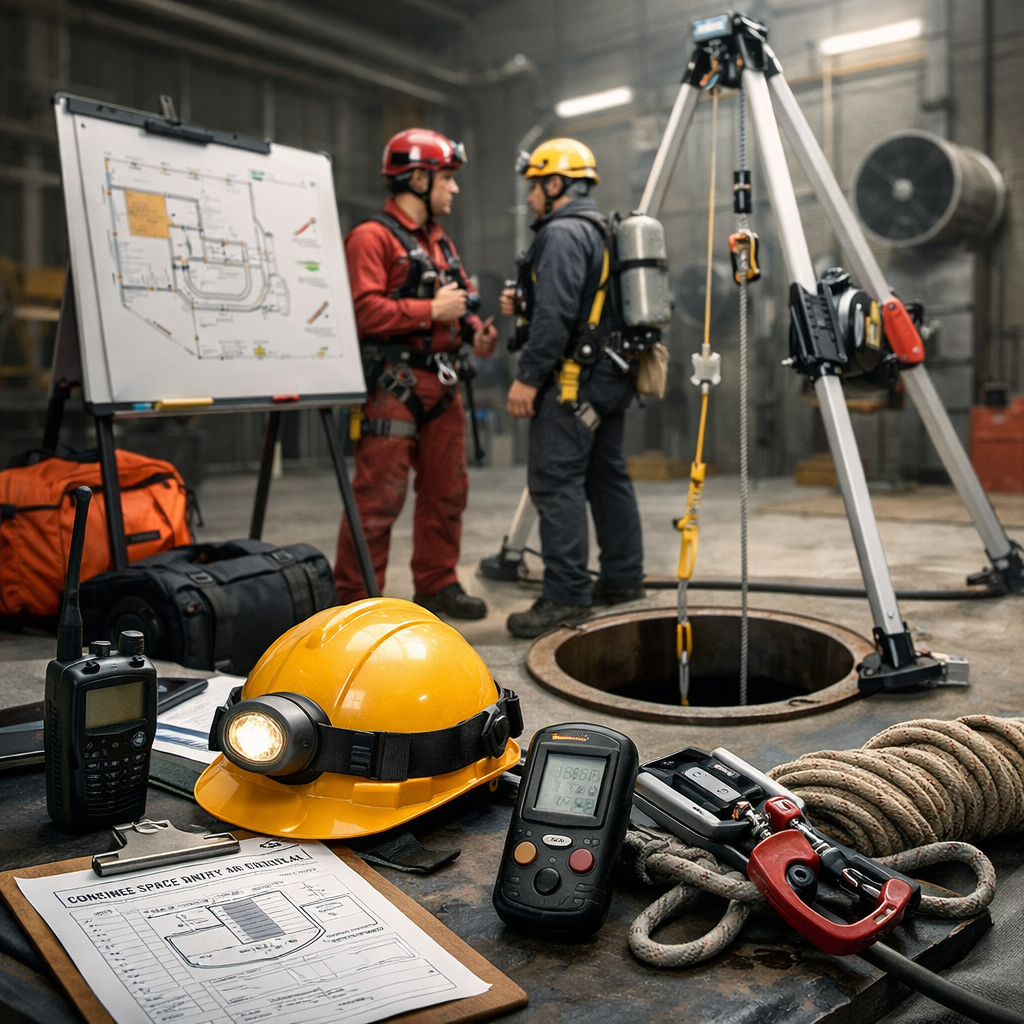
Confined space rescue planning must begin before anyone enters a tank, vault, pit, silo, or other restricted work area. In confined space incidents, minutes matter, and the biggest mistake employers make is assuming they can “figure out rescue later” if something goes wrong.
A worker can be overcome by toxic gas, oxygen deficiency, engulfment, heat stress, or mechanical hazards long before outside help arrives. That is why rescue readiness is not an extra step in the permit process. It is a core control measure that supports safe entry, protects attendants and supervisors, and reduces the risk of multiple fatalities during a failed rescue attempt.
Strong planning also aligns with guidance from organizations such as OSHA and CCOHS, both of which emphasize hazard assessment, emergency procedures, and trained rescue capability. If your team is updating a permit system or reviewing entry controls, this is the point where a rescue plan should be built, tested, and verified.
Why confined space rescue planning must be completed before entry
Confined space rescue planning is most effective when it is tied directly to the hazards of the space before work starts. Every confined space is different. One entry may involve welding fumes in a vessel, while another may involve sludge, moving parts, or poor ventilation in a sewer or sump.
If rescue planning is delayed until after entry, critical details are often missed. These include access limitations, retrieval points, atmospheric hazards, communications, rescue equipment placement, and whether a non-entry rescue is even possible. In real workplaces, these details determine whether a rescue can happen safely or whether a second victim is created.
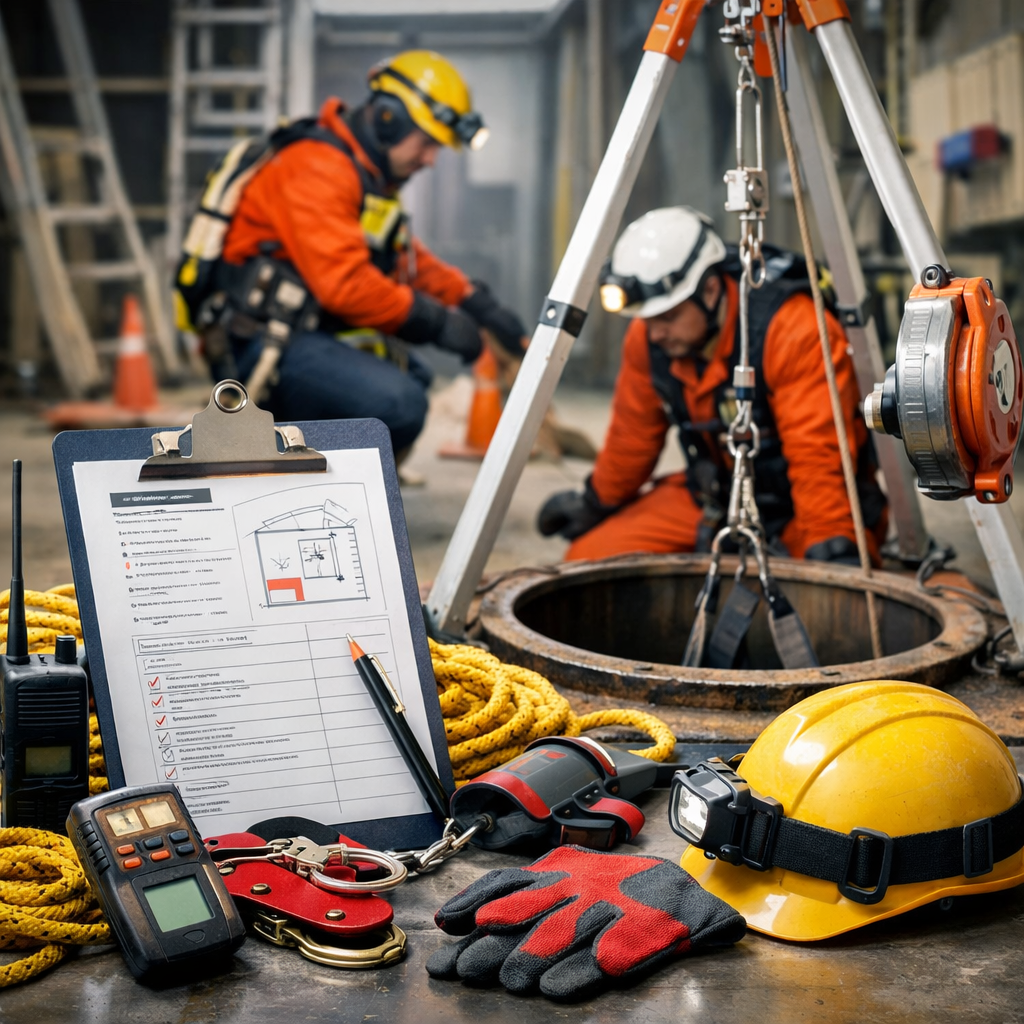
A pre-entry rescue plan should answer simple but essential questions:
- What could go wrong in this space?
- How would the entrant be removed?
- Can a non-entry rescue be used first?
- Who performs the rescue, and how fast can they respond?
- What equipment must be on site and checked?
- How will rescuers be protected from the same hazards?
This is also where the Hierarchy of Controls matters. Before relying on rescue, the employer should eliminate the need for entry where possible, isolate hazardous energy, ventilate the space, control atmospheric risks, and use permits, attendants, and PPE as part of a layered system. Rescue planning is vital, but it should support prevention, not replace it. For practical guidance on permits and entry procedures, many safety teams also build rescue steps into their confined space entry procedures and broader workplace emergency response plans.
Build confined space rescue planning around the actual hazards
Start with a task-specific risk assessment
Effective confined space rescue planning begins with a hazard assessment of the space, the work, and the environment around it. Consider atmospheric hazards such as oxygen deficiency, hydrogen sulfide, methane, carbon monoxide, and flammable vapors. Then assess physical risks like engulfment, electrical energy, falls, entrapment, temperature extremes, and moving equipment.
For example, a worker entering a mixer tank for cleaning may face slippery surfaces, residual chemical exposure, and agitator energy that requires full lockout. A worker entering a utility vault may face limited access, poor visibility, and changing air conditions. The rescue plan must reflect those realities, not a generic template.
Prefer non-entry rescue whenever possible
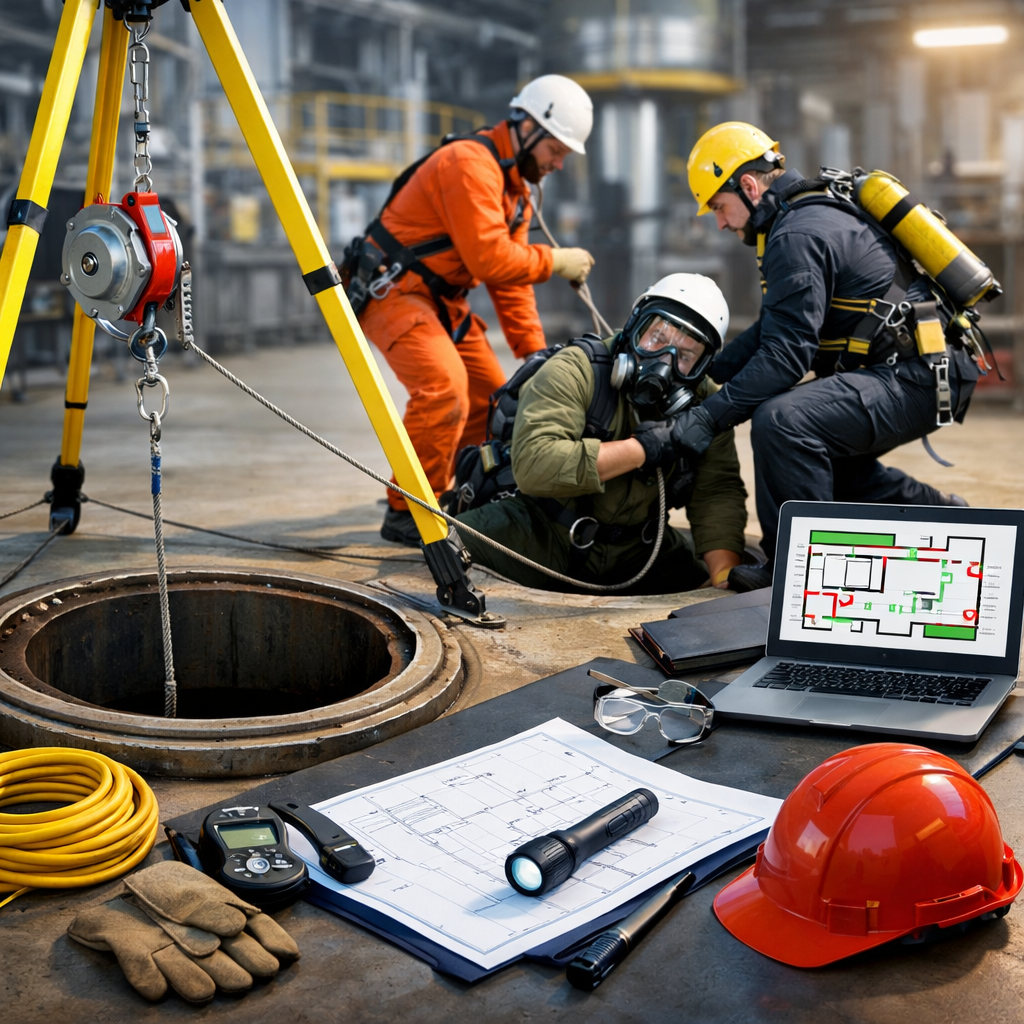
One of the most important planning principles is to design the job so that non-entry rescue can be used. Retrieval systems, tripod assemblies, winches, full-body harnesses, and lifelines can allow an incapacitated worker to be removed without sending another person into the space.
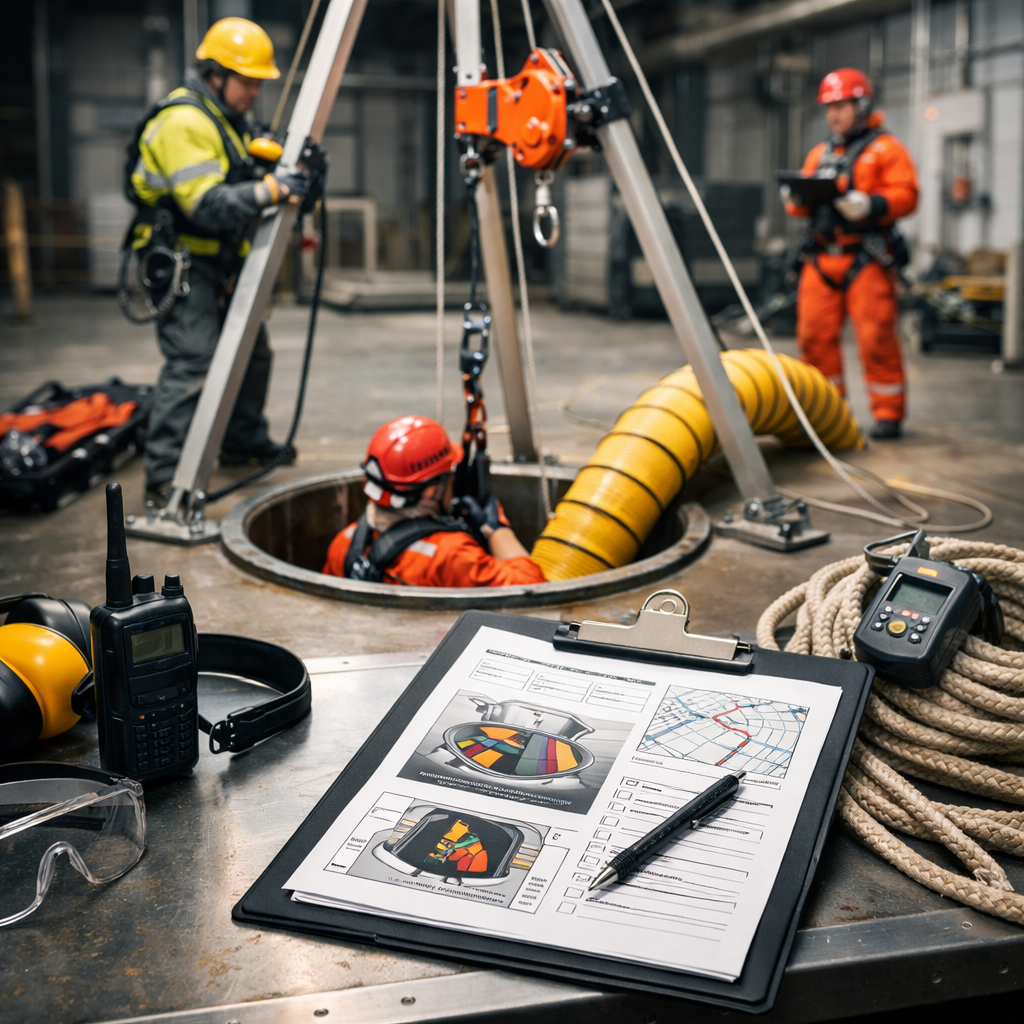
Non-entry rescue is often the safest option because it reduces exposure for would-be rescuers. However, it only works when the space layout, entry point, and worker positioning make retrieval practical. If piping, internal obstructions, or horizontal travel prevent easy extraction, the plan must identify what alternative rescue method is required and who is competent to perform it.
Match equipment and response to the space
The right rescue equipment depends on the entry. Teams may need gas monitors, ventilation equipment, retrieval devices, SCBA or supplied air, rescue stretchers, lighting, communication devices, and first aid supplies. Equipment should be inspected before entry and positioned so it can be used immediately.
The table below shows how hazards can influence rescue arrangements:
| Confined Space Hazard | Example Risk | Rescue Planning Consideration |
|---|---|---|
| Oxygen deficiency | Worker collapses rapidly | Continuous gas monitoring, rapid retrieval, trained rescue team with respiratory protection |
| Toxic atmosphere | Exposure to H2S or solvent vapors | Ventilation, alarm points, atmospheric testing, rescue PPE matched to exposure |
| Engulfment | Entrant trapped in grain or sludge | Isolation of material flow, specialized rescue tools, immediate response procedures |
| Restricted access | Narrow hatch or vertical shaft | Tripod or davit arm, stretcher compatibility, access route clearance |
Roles, training, and communication are critical to rescue success
No rescue plan works unless people understand their responsibilities. At a minimum, the entry team should know who the authorized entrants are, who the attendant is, who the entry supervisor is, and who the designated rescue provider is. These roles must be clear before the permit is approved.
The attendant plays a particularly important role. This person monitors conditions, maintains communication with entrants, orders evacuation when needed, and initiates emergency response. The attendant should never be expected to enter the space for rescue unless specifically trained, equipped, and authorized under the rescue plan.
Training must reflect the real conditions of the job
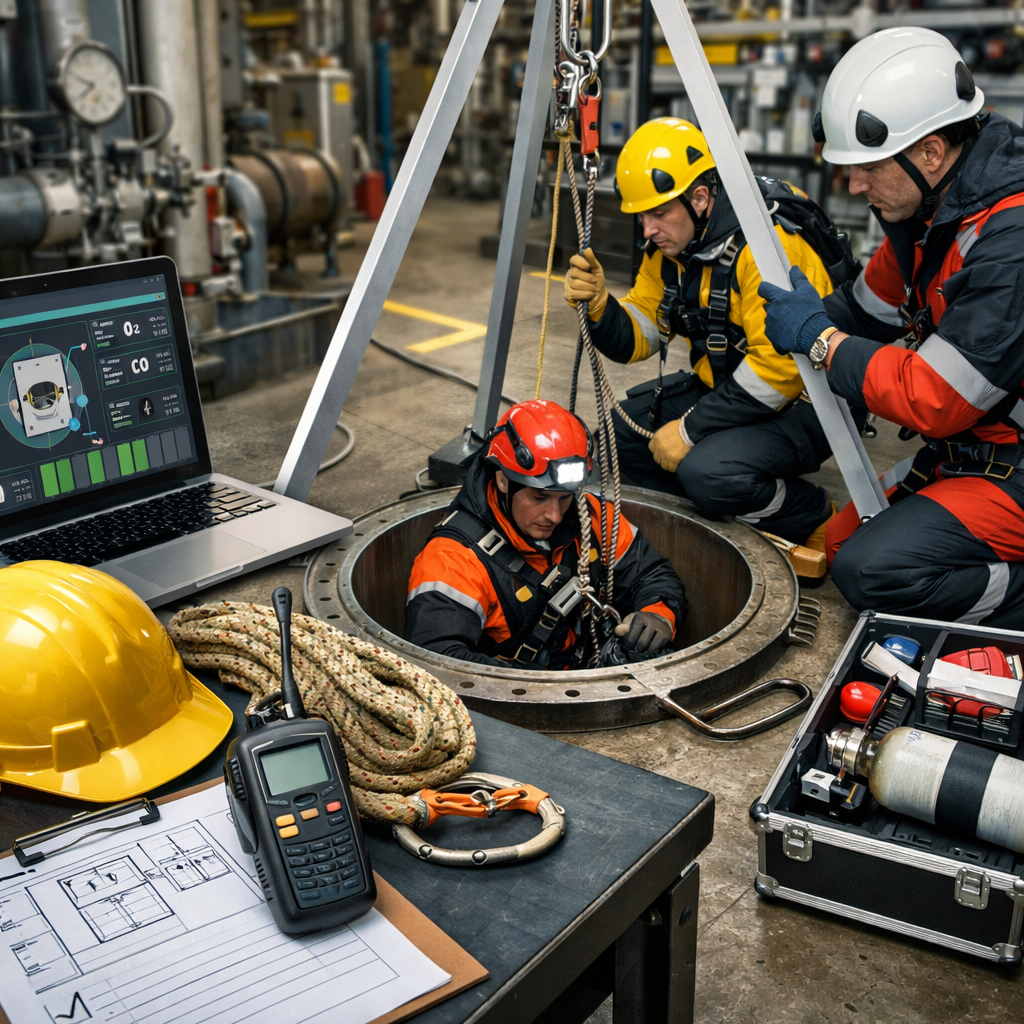
Confined space rescue planning should include hands-on drills, not just paperwork. Rescue personnel need practice in the same or similar spaces, using the same equipment, under realistic conditions. That includes setting up retrieval systems, using communication tools, managing patient packaging, and coordinating with emergency medical services.
Employers should confirm whether an internal rescue team can meet the hazards and response time required. If an external fire department or specialist contractor is expected to respond, do not assume they are automatically prepared. Verify their capability, availability, equipment, and familiarity with your site. OSHA has repeatedly noted that calling 911 alone is not an adequate confined space rescue plan in many workplaces.
Communication must also be reliable. Depending on the environment, that could include radios rated for hazardous locations, hard-line systems, hand signals, or voice contact. If noise, distance, or structure interferes with communication, the plan should include backup methods and clear emergency triggers.
Pre-entry checks, drills, and continuous review strengthen confined space rescue planning
The best time to find a rescue gap is before the permit is signed, not during an emergency. A strong pre-entry review should confirm that hazards have been assessed, controls are in place, atmospheric testing is complete, rescue equipment is ready, and the rescue team can respond immediately if required.
A practical pre-entry verification checklist often includes:
- Permit completed and authorized
- Isolation and lockout verified
- Atmospheric testing completed and documented
- Ventilation operating as planned
- Attendant in position with communication tools
- Retrieval and rescue equipment inspected and set up
- Rescue provider confirmed and response method reviewed
- Nearby workers informed of the entry and emergency process
Drills should be scheduled regularly and reviewed honestly. Did the team respond fast enough? Was access more difficult than expected? Did equipment function properly? Were there delays in contacting outside responders? These lessons should feed back into the permit system, hazard assessments, and training program.
It is also important to review rescue plans whenever conditions change. A different contractor, a new chemical, a modified vessel, or seasonal temperature changes can all affect how a rescue would be carried out. Ongoing review keeps planning current and makes it more likely that people will react correctly under pressure. Additional references from the CDC/NIOSH can also support hazard recognition and prevention strategies.
In the end, confined space rescue planning is about readiness before entry begins, not reaction after something has already gone wrong. When employers assess hazards carefully, prioritize non-entry rescue, assign trained roles, verify equipment, and rehearse the plan, they create a safer system for everyone involved. The most effective confined space rescue planning is built into the job from the start, giving workers a real chance of being protected when every second counts.
No comments yet