
Gas Monitoring Practices for Reliable Confined Space Safety
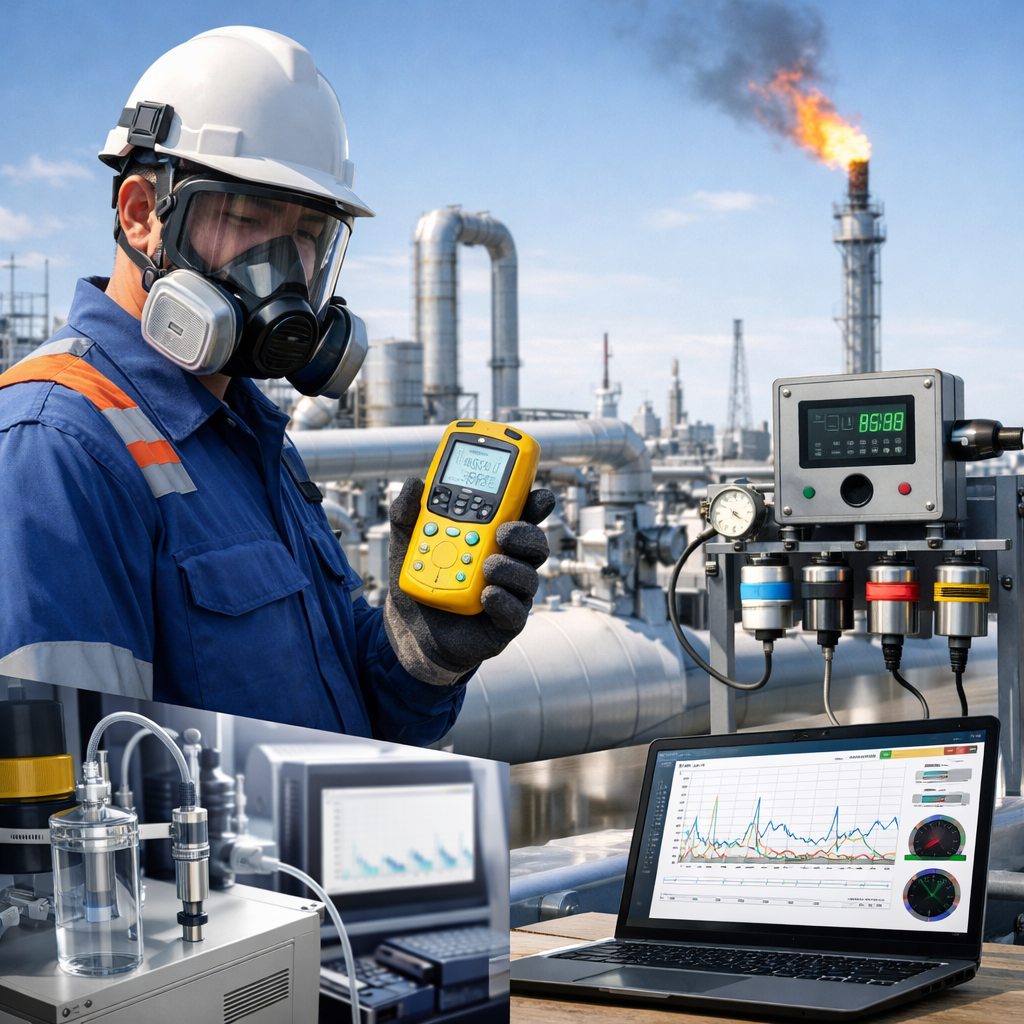
Gas monitoring practices are one of the most important safeguards for anyone entering or working around a confined space. Tanks, vaults, sewers, pits, silos, and process vessels can all contain hidden atmospheric hazards, and those hazards can change quickly without warning.
That is why reliable confined space safety depends on more than carrying a detector. It requires a planned approach that includes pre-entry testing, correct testing order, proper calibration, continuous monitoring, trained workers, and clear response actions if conditions change. Guidance from organizations such as OSHA and CCOHS consistently emphasizes atmospheric testing as a core control measure.
In this article, we will look at practical gas monitoring practices for confined spaces, including how to test safely, how to keep instruments dependable, and how to use ongoing monitoring to protect workers throughout the job.
- Why gas monitoring practices matter in confined spaces
- Pre-entry gas monitoring practices and the correct testing order
- Calibration, bump testing, and equipment reliability
- Ongoing gas monitoring practices during entry and work
- Training, permits, and practical ways to strengthen gas monitoring practices
Why gas monitoring practices matter in confined spaces
A confined space may appear safe from the outside, yet still contain a dangerous atmosphere. Oxygen can be too low for breathing, flammable gases can collect near ignition sources, and toxic contaminants such as hydrogen sulfide or carbon monoxide may be present from process residues, nearby work, or natural decomposition.
These hazards are especially serious because workers often have limited ways to escape. If a person is overcome inside a space, rescue can become difficult and dangerous within seconds. This is why employers should combine gas monitoring practices with the broader hierarchy of controls: eliminate the hazard where possible, isolate energy sources, ventilate the space, control entry with permits, and use personal protective equipment only as part of a complete system.
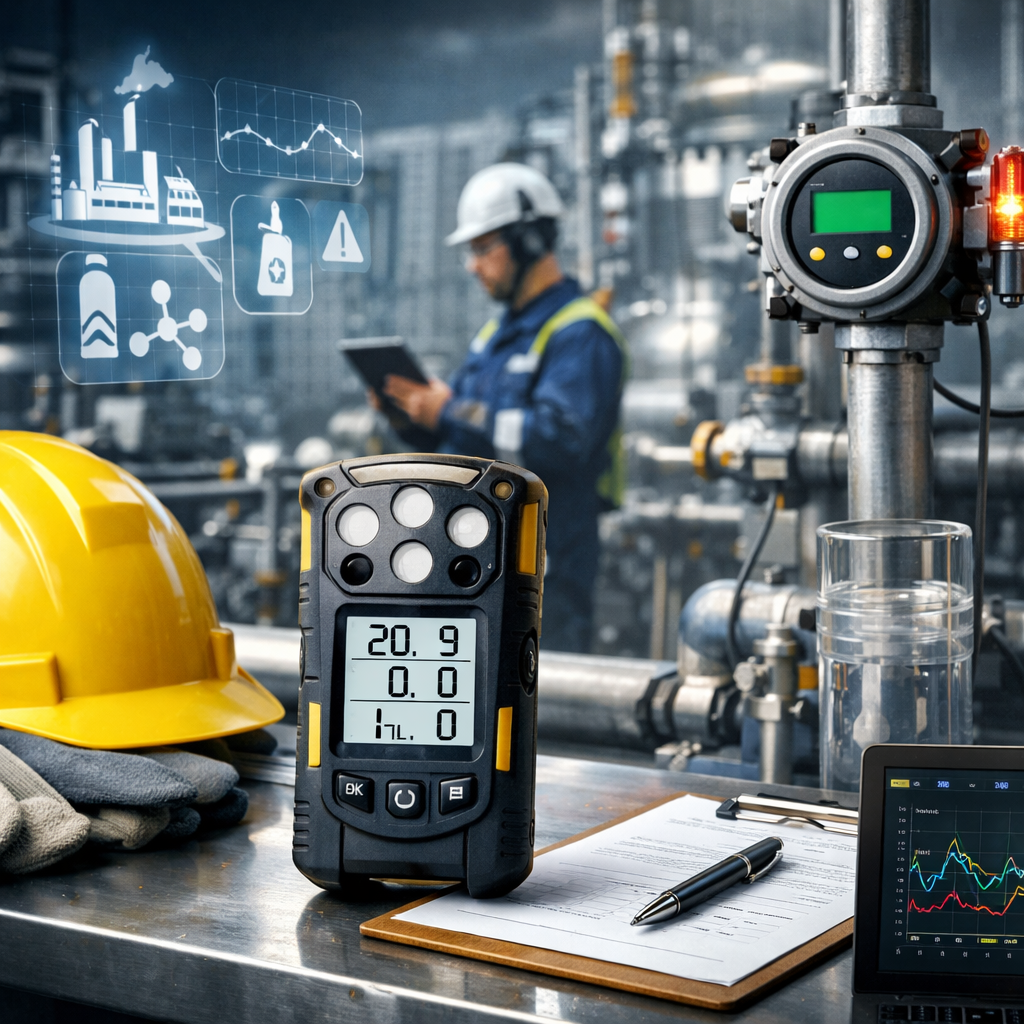
For example, a maintenance crew preparing to enter a storage tank may isolate feed lines, drain product, lock out agitators, and purge the tank before anyone opens the hatch. Even with those controls in place, atmospheric testing is still needed because residual vapors may remain in dead spots or re-enter through leaks. This is where solid confined space entry checklists and portable gas detector maintenance routines help support safe work.
Pre-entry gas monitoring practices and the correct testing order
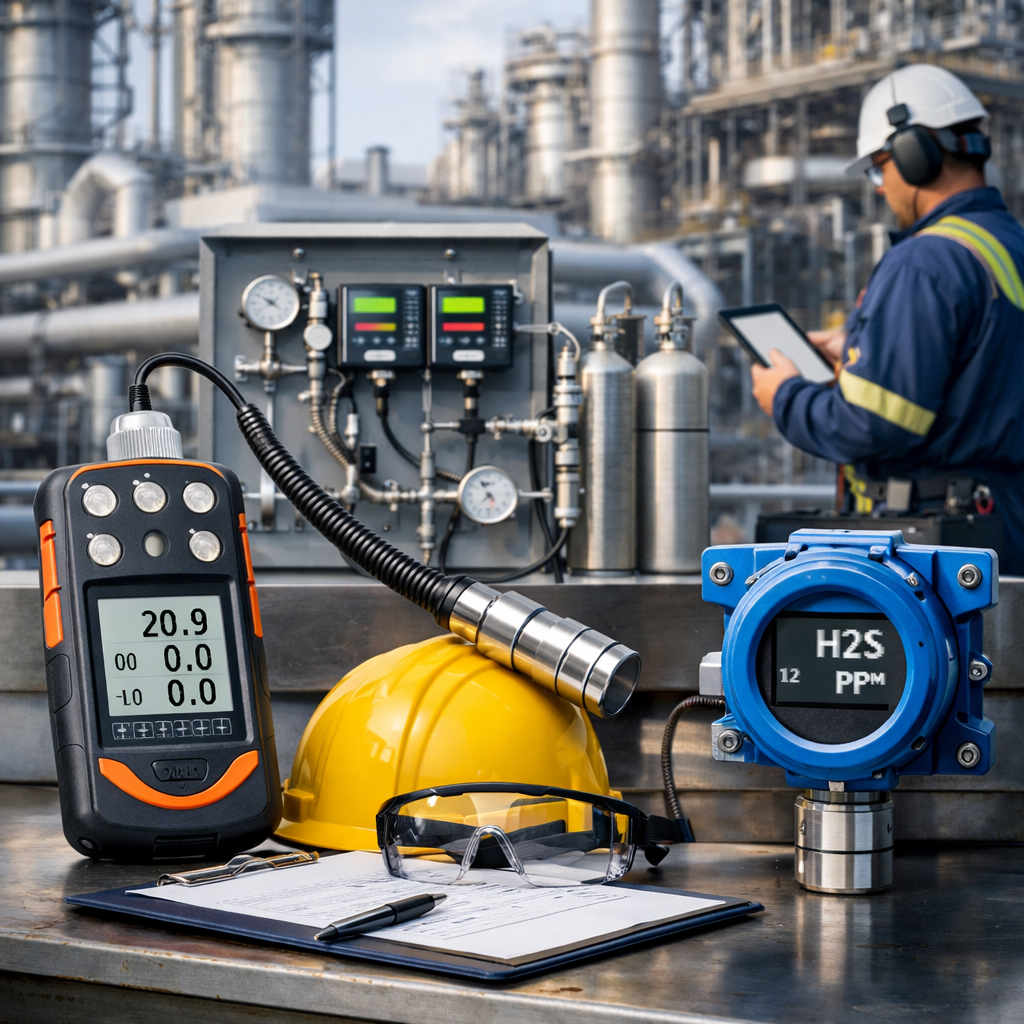
Before entry, the atmosphere should be tested from outside the space whenever possible. Remote sampling with a probe or pump allows the entrant to evaluate conditions without exposure. Because gases can stratify, testing should be done at multiple levels, not just at the opening.
Follow the right testing order
One of the most important gas monitoring practices is testing in the correct sequence. The usual order is:
- Oxygen first
- Flammable gases and vapors second
- Toxic gases third
This order matters for a simple reason. Oxygen levels affect both life safety and instrument performance. A catalytic flammable sensor, for example, may not read correctly in an oxygen-deficient atmosphere. If a crew checks combustibles first and trusts that reading without confirming oxygen, they could miss a serious hazard.
Consider a worker preparing to enter a sewer manhole. The monitor is lowered and sampled at the top, middle, and bottom. Oxygen is checked first and shows a deficiency at the lower level. That result alone means entry cannot proceed. Next, the team checks for flammables and toxic gases, including hydrogen sulfide. The readings confirm that ventilation is needed before anyone enters. In this case, correct testing order prevents a dangerous assumption that the space is safe simply because the opening looked clear.
Test where the hazard is likely to be
Good gas monitoring practices also account for how different gases behave. Some gases are heavier than air and settle low, while others rise. A technician testing only at chest height may miss contamination collected near the floor or ceiling. Sampling should cover the full vertical profile of the space, especially in tanks, shafts, and utility vaults.
It is also important to allow enough time for the sample to reach the instrument. Long sample tubing increases response time, so the user should wait according to the manufacturer’s instructions before relying on a reading. Rushing this step can produce misleading results.
Calibration, bump testing, and equipment reliability
Even the best monitoring plan can fail if the detector itself is not dependable. Reliable gas monitoring practices always include routine calibration, function checks, and care of sensors, batteries, filters, pumps, and alarms.
Calibration versus bump testing
A bump test is a quick functional check to confirm that the instrument responds to gas and that alarms work. Calibration is a more precise adjustment that aligns the instrument to a known concentration according to the manufacturer’s procedure.
Both are important, but they are not the same. A common and effective approach is to perform a bump test before each day’s use and complete full calibration on the schedule recommended by the manufacturer, or sooner if the unit fails a bump test, has been dropped, exposed to contamination, or stored improperly.
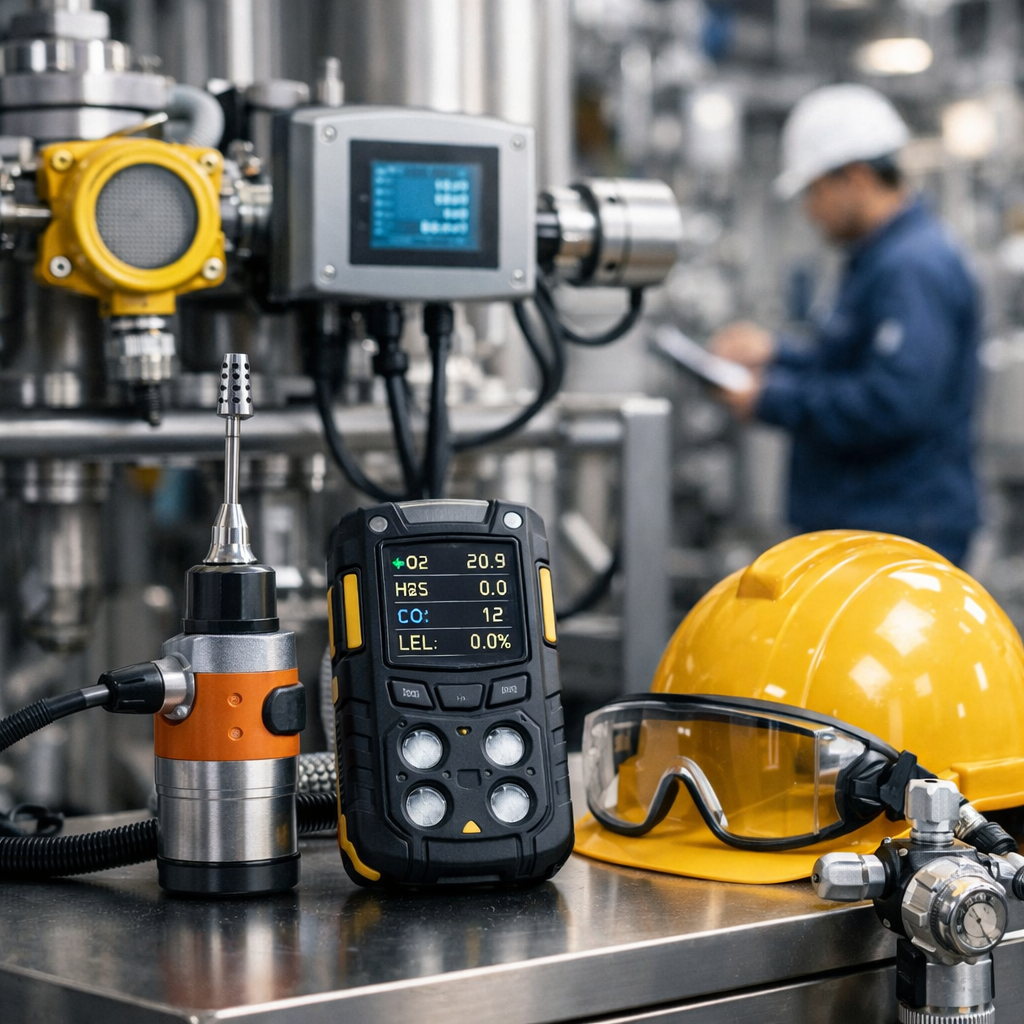
For example, imagine a contractor using a four-gas monitor before entering a vault. The instrument powers on normally, but the bump test shows a weak response on the hydrogen sulfide sensor. Without that check, the worker might enter assuming the detector is fully functional. Instead, the unit is removed from service, calibrated or replaced, and the crew uses a verified monitor. That is exactly how reliable gas monitoring practices prevent incidents.
| Task | Purpose | Typical Timing |
|---|---|---|
| Bump test | Confirms sensor and alarm response | Before daily use or before each shift |
| Calibration | Adjusts readings to known gas standards | Per manufacturer schedule or after failed bump test |
| Visual inspection | Checks battery, filters, tubing, pump, and case condition | Before each use |
| Recordkeeping | Documents reliability and compliance | After each test and service event |
Workplaces should also keep calibration gas current, store instruments properly, and document maintenance. These records can help supervisors verify compliance and identify recurring equipment issues. Additional technical guidance is available from NIOSH and detector manufacturers.
Ongoing gas monitoring practices during entry and work
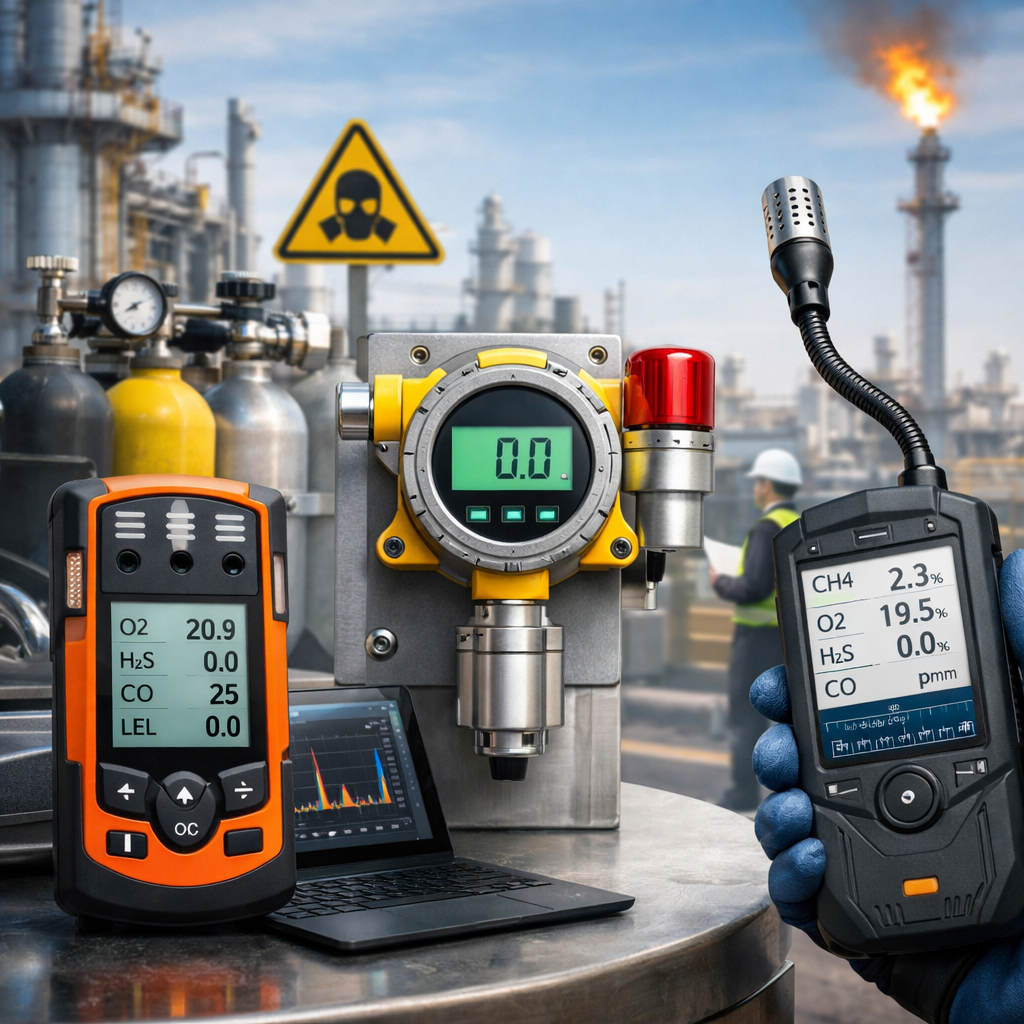
Pre-entry testing is essential, but it is only the beginning. Atmospheric conditions inside a confined space can change because of welding, cleaning chemicals, sludge disturbance, product release, engine exhaust, or ventilation failure. That is why continuous or periodic monitoring during the job is a key part of effective gas monitoring practices.
Why ongoing monitoring is needed
Take a tank cleaning job as an example. The space may test clear before entry, but once workers begin pressure washing residues, trapped vapors can be released into the air. A monitor worn by the entrant or placed strategically in the work area can detect the change early enough for evacuation and reassessment.
In another example, a crew enters a utility vault after pre-entry testing shows acceptable conditions. Halfway through the task, a nearby process line starts leaking solvent vapors into the vault through a conduit path. Without ongoing monitoring, the crew may not notice the increasing flammable atmosphere until it reaches a dangerous level.
Support monitoring with clear response actions
Strong gas monitoring practices should define what happens when alarms activate or readings trend toward unsafe levels. Workers need training on alarm set points, evacuation procedures, communication methods, and when re-testing is required before re-entry.
- Stop work immediately if the monitor alarms
- Evacuate the confined space without delay
- Do not re-enter until the atmosphere has been reassessed
- Check whether ventilation, isolation, or work activity caused the change
- Document the event and review controls before resuming work
Placement also matters. A monitor clipped outside bulky PPE or hidden under clothing may not sample the entrant’s breathing zone effectively. If remote or area monitoring is used, it should be positioned where it can detect likely hazards and not just where it is convenient to mount.
Training, permits, and practical ways to strengthen gas monitoring practices
Reliable confined space safety depends on people as much as equipment. Workers, attendants, supervisors, and rescue teams should all understand the site hazards, the limitations of monitoring devices, and the permit conditions for entry. A detector is not a substitute for a permit system, ventilation plan, or rescue preparation.
Practical gas monitoring practices become stronger when employers standardize them across the job. That includes selecting the right detector for the hazards present, verifying sensor compatibility, reviewing safety data sheets, and confirming that contractors follow the same rules as in-house teams.
A simple field routine can make a big difference:
- Review the permit and likely atmospheric hazards before setup
- Inspect and bump test the monitor before use
- Sample from outside the space at multiple levels
- Follow the proper order: oxygen, flammables, then toxics
- Ventilate and retest if any reading is outside acceptable limits
- Use continuous monitoring during entry when hazards can change
- Evacuate immediately if alarms activate
- Record readings, maintenance, and any abnormal events
In conclusion, gas monitoring practices are a critical part of confined space safety because they help workers detect invisible atmospheric dangers before and during entry. When those practices include correct testing order, reliable calibration and bump testing, ongoing monitoring, trained personnel, and clear emergency actions, they provide a far stronger line of defense against injury and fatality. For any organization managing confined space work, improving gas monitoring practices is one of the most practical and effective ways to protect people on the job.
No comments yet