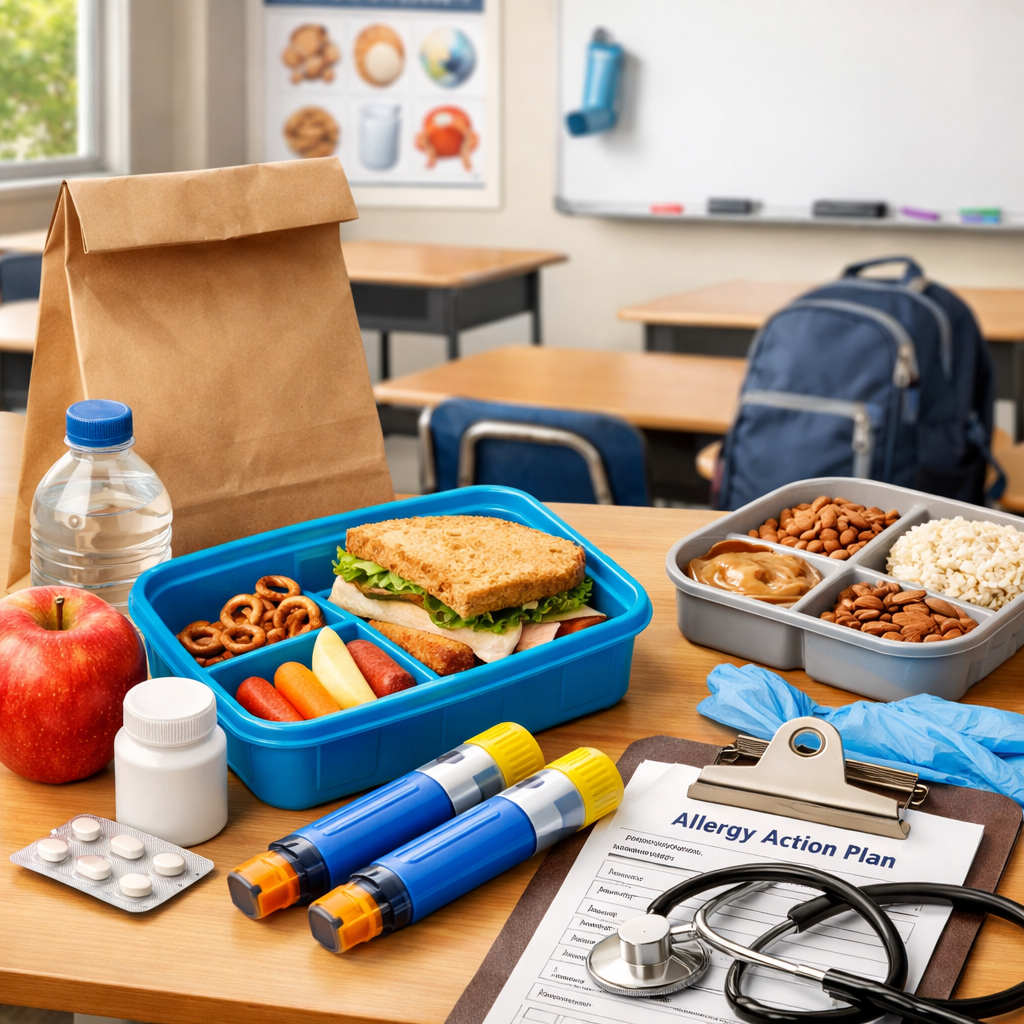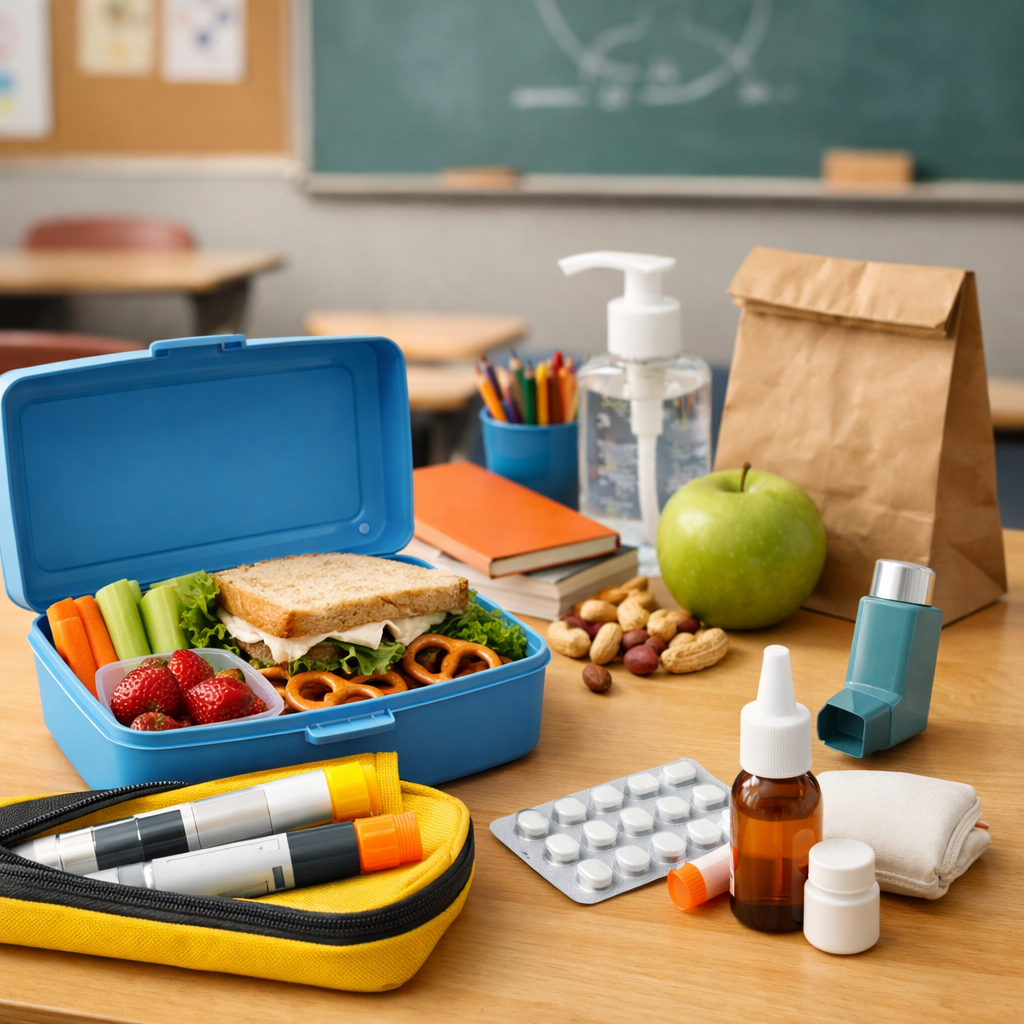


Allergy safety at school starts with clear routines, good communication, and calm preparation before a problem happens.
For Canadian families, students, and school staff, the goal is simple: reduce exposure to known allergens, recognize early warning signs, and know exactly what to do in an emergency. Schools are busy places, and allergens can appear in lunches, classroom projects, cleaning products, school events, and shared spaces. A practical prevention plan helps everyone respond with less confusion and more confidence.
This article explains how to improve allergy safety at school using prevention-focused steps that fit real classrooms, buses, cafeterias, field trips, and after-school activities. It is not medical advice or a diagnosis guide. Always follow local school procedures, manufacturer instructions, and emergency direction where applicable, and review trusted public guidance from Health Canada, Ontario, and CCOHS.
Why allergy safety at school matters every day
Allergies can affect students of different ages, and reactions may range from mild symptoms to serious emergencies. The school environment creates added risk because many people share tables, supplies, washrooms, lockers, gym equipment, and transportation. Young children may also have difficulty reading labels, remembering rules, or explaining symptoms quickly.
Practical allergy safety at school depends on reducing avoidable exposures instead of assuming reminders alone will work. That means considering where allergens may appear and how they move through a day. Food is the most obvious concern, but risk can also come from cross-contact on surfaces, art or science materials, celebrations, snacks brought by visitors, and substitute staff who do not yet know a student’s needs.
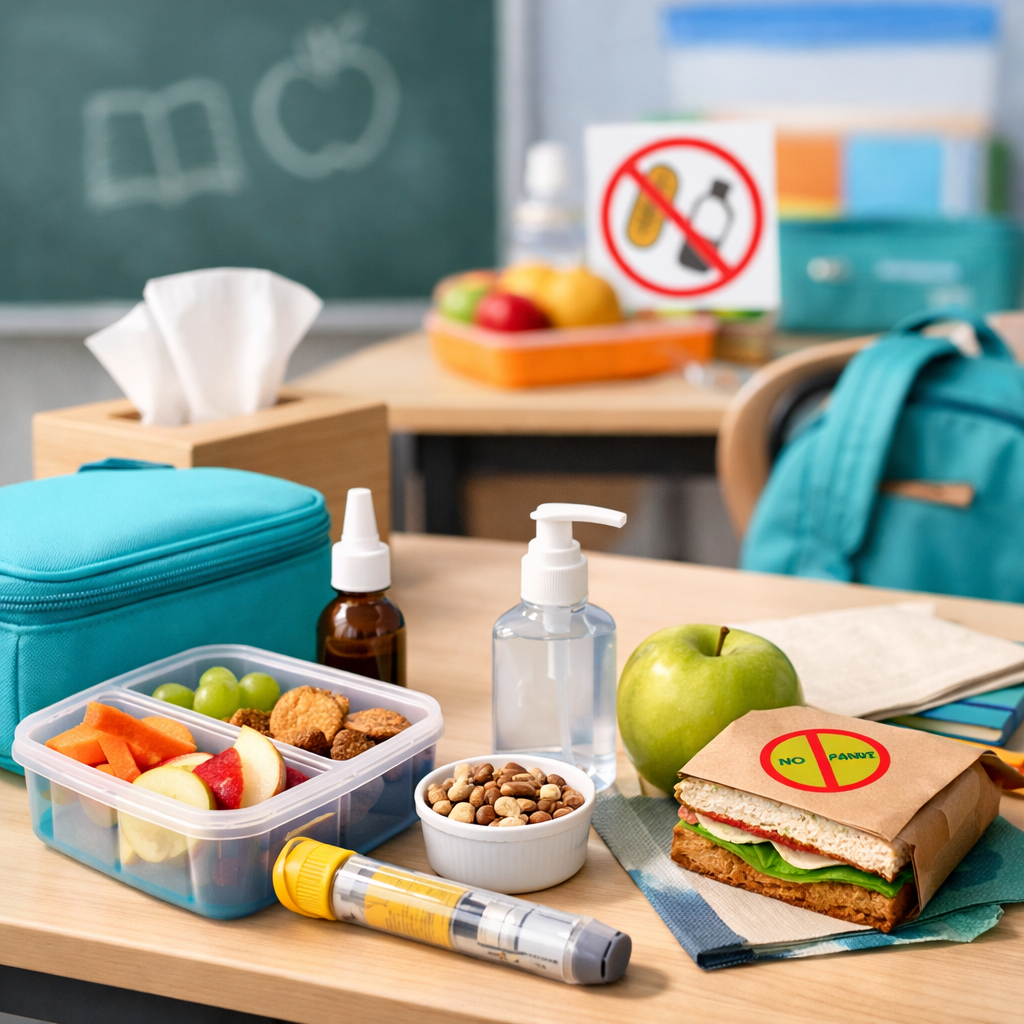
In Ontario and across Canada, schools often rely on layered controls rather than one single rule. This mirrors the safety mindset used in workplaces and public settings: identify hazards, assess exposure points, put preventive measures in place, train people, and review what needs improvement. Families and schools can also support broader safety learning through resources such as OHSE.ca and training tools at OHSE learning resources where relevant.
Practical prevention steps for allergy safety at school
Build a clear allergy plan before the school year gets busy
One of the most effective ways to improve allergy safety at school is to create a simple written plan that everyone understands. Parents or guardians should share current allergy information, known triggers, symptom patterns if relevant, prescribed emergency medication requirements, and contact details. Schools should confirm who needs the information and where medication will be stored or carried according to school rules and medical direction.
The plan should be easy to follow, especially for teachers, educational assistants, lunch supervisors, office staff, bus drivers, coaches, and occasional staff. It should answer practical questions such as:
- What allergens must be avoided?
- What are the early signs of a reaction for this student?
- Where is emergency medication kept, and who can access it?
- Who calls for help and who stays with the student?
- How will field trips, sports, and special events be managed?
Use prevention through routines and environment
Daily routines reduce mistakes. Handwashing before and after eating, cleaning shared desks and tables, and avoiding food sharing are simple but important controls. Schools can also reduce risk by reviewing classroom materials, limiting unnecessary food-based activities, and checking whether rewards, celebrations, or fundraising plans create preventable exposure.
The hierarchy of controls is useful here. Elimination may mean removing unnecessary allergen-containing classroom activities. Substitution may mean using non-food materials in crafts or learning exercises. Administrative controls include supervision, signage, cleaning schedules, and staff communication. In some settings, personal measures may include carrying prescribed medication as directed. No single measure replaces another; layers matter.
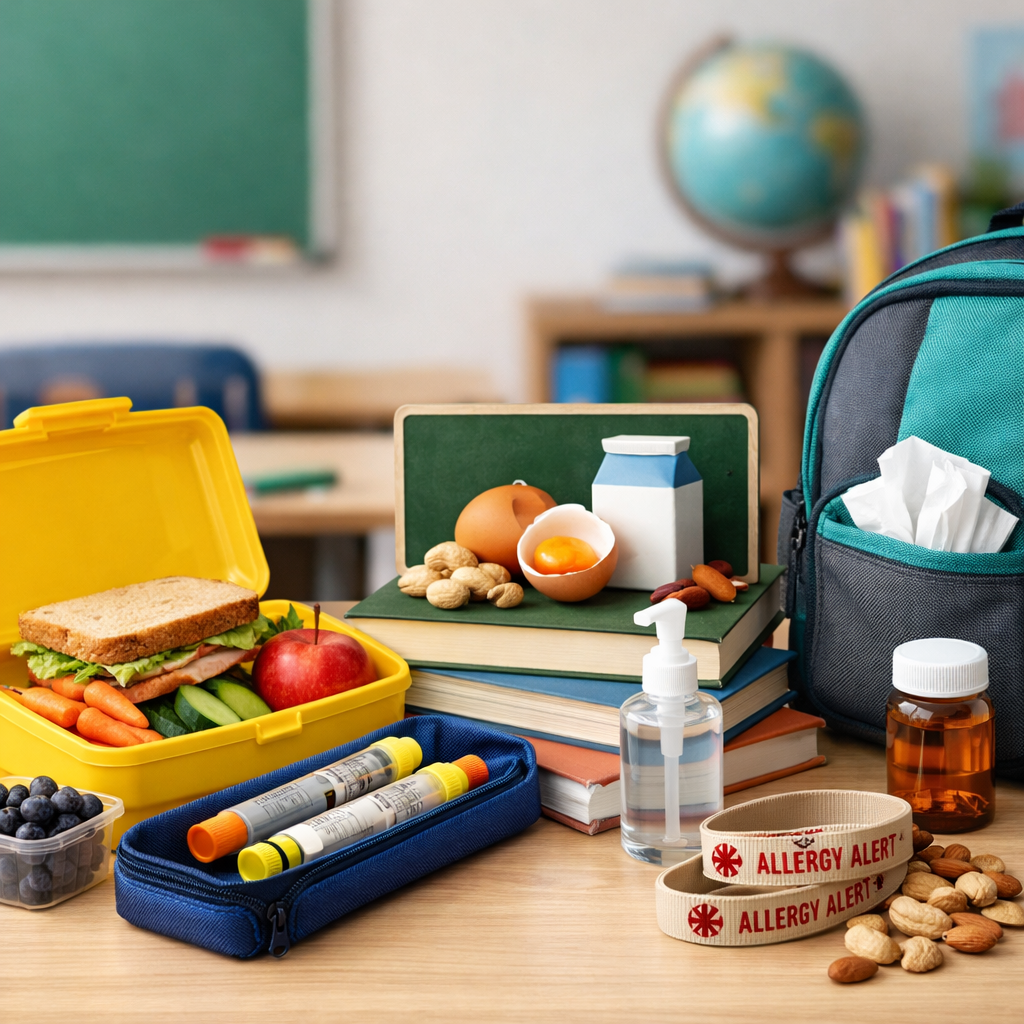
Short actionable checklist
- Update the student allergy plan at the start of each term or after any change.
- Confirm staff know the student, the allergen, and the emergency process.
- Label or organize approved snacks and classroom materials clearly.
- Reinforce no food sharing and handwashing routines.
- Check special events, bus trips, and extracurricular plans in advance.
- Make sure prescribed emergency medication is accessible and not expired.
- Review cleaning practices for desks, lunch areas, and high-touch surfaces.
Communication, supervision, and age-appropriate awareness
Strong allergy safety at school is built on communication that is calm, respectful, and practical. Students should not be singled out or made to feel responsible for managing every risk on their own. At the same time, age-appropriate self-advocacy is helpful. A younger child may learn to tell an adult before eating something unfamiliar. An older student may learn to read labels, avoid trading food, and speak up if symptoms begin.
Staff communication should be consistent across the full day. A student may move from the classroom to recess, lunch, the library, gym, school bus, cooperative education placement, or after-school care. Each transition is a point where key information can be lost. A simple, confidential method for sharing need-to-know safety information helps reduce this gap.
Parents can support allergy safety at school by informing the school early, sending clearly identified items when needed, and discussing safe habits at home without creating fear. Schools can support families by explaining policies in plain language, inviting questions, and confirming how incidents or near misses will be documented and reviewed.
It is also useful to think about school activities the way workplaces think about task hazards. For example, food preparation in hospitality classes, science labs, outdoor education, and student jobs or placements may involve different exposures than a regular classroom. Young workers and older students benefit when supervisors review hazards before the activity begins and not after a problem occurs.
Emergency awareness and response for allergy safety at school
Know the signs and act quickly
Emergency awareness is a key part of allergy safety at school. Staff should know the school’s procedure for suspected serious allergic reactions and should follow the student’s emergency plan and medical direction. Symptoms can affect breathing, skin, stomach, or overall alertness, and they may worsen quickly. When a serious reaction is suspected, do not delay action while waiting to see if it improves.
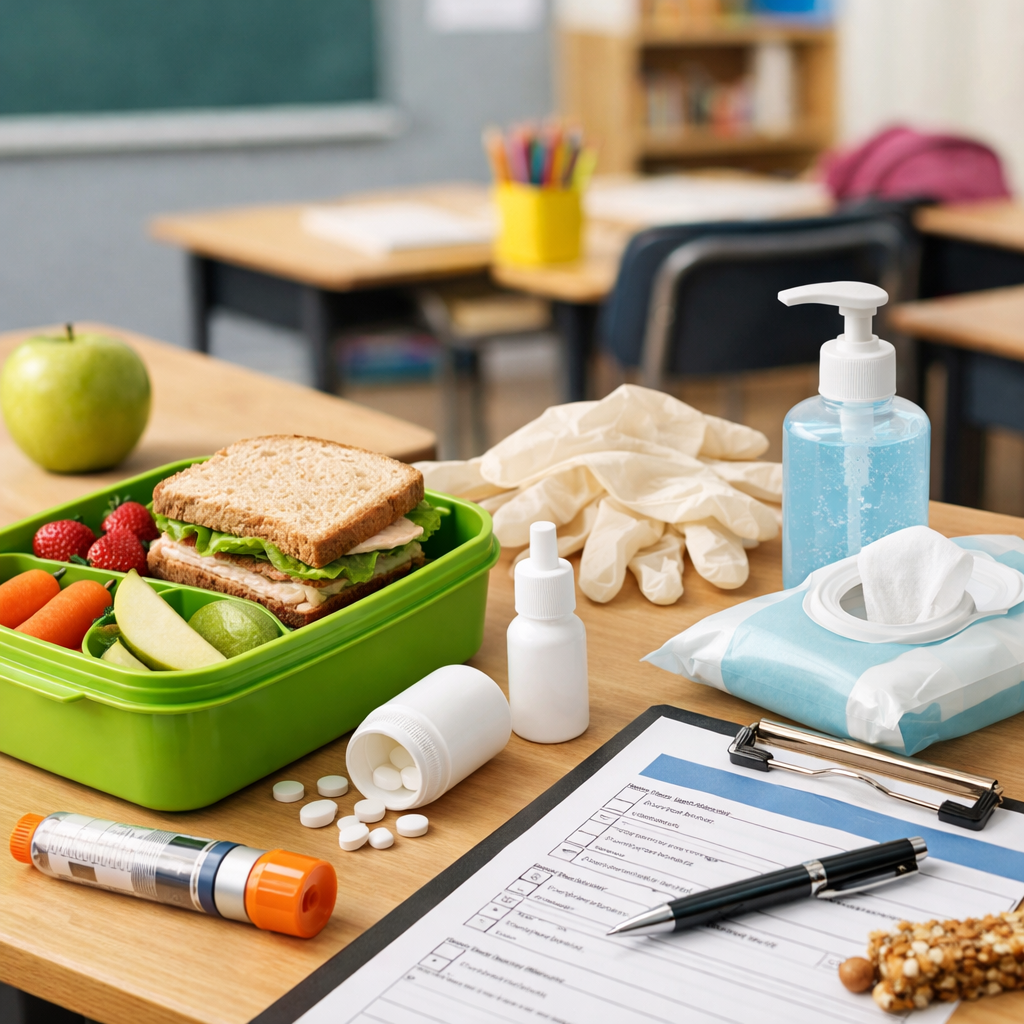
Schools should ensure that staff know where emergency medication is located, who is authorized or expected to assist, and how emergency services will be contacted according to local procedure. After the immediate emergency is managed, the school should document what happened, notify the family, and review whether controls need to be improved.
Simple role guide for school settings
| Role | Prevention focus | Emergency awareness |
|---|---|---|
| Parents or guardians | Provide current allergy information, medication details, and approved care instructions | Keep contact information updated and review post-incident follow-up |
| Teachers and school staff | Maintain routines, supervise activities, reduce exposure points, and share need-to-know information | Recognize symptoms, follow the school plan, and respond without delay |
| Students | Practice handwashing, avoid food sharing, and speak up about concerns | Tell an adult immediately if symptoms begin or exposure is suspected |
| Administrators | Support policy, training, communication, and review of incidents or near misses | Coordinate the school response and improve systems after an event |
Field trips, sports, and special events deserve extra planning because normal controls may change. Before leaving school grounds, confirm supervision, safe food arrangements, transportation details, medication access, and the response process. Temporary environments often increase risk because routines are interrupted.
In the end, allergy safety at school works best when prevention and emergency awareness are treated as shared responsibilities. Families provide accurate information, schools build reliable systems, staff stay alert, and students learn safe habits over time. With clear planning, practical controls, and regular review, allergy safety at school becomes a normal part of a safer learning environment rather than a last-minute reaction to a crisis.