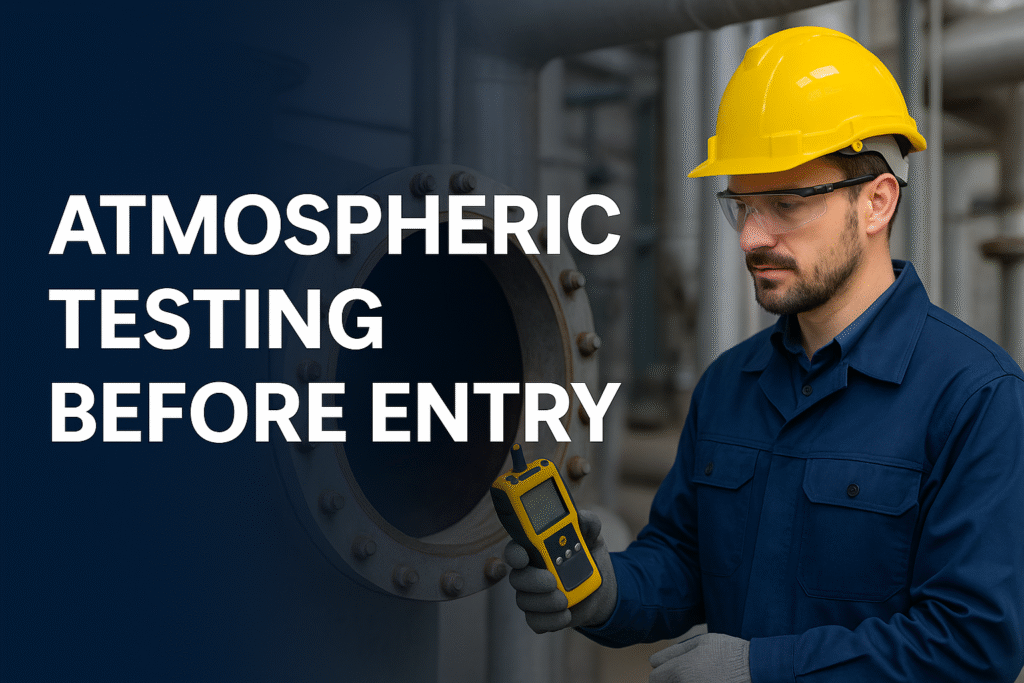
Atmospheric Testing Before Entry is one of the most critical safety requirements in confined space work. Before any worker steps into a confined space—such as tanks, silos, sewers, or pits—it’s essential to test the air inside for dangerous gases, oxygen levels, and potential explosions.

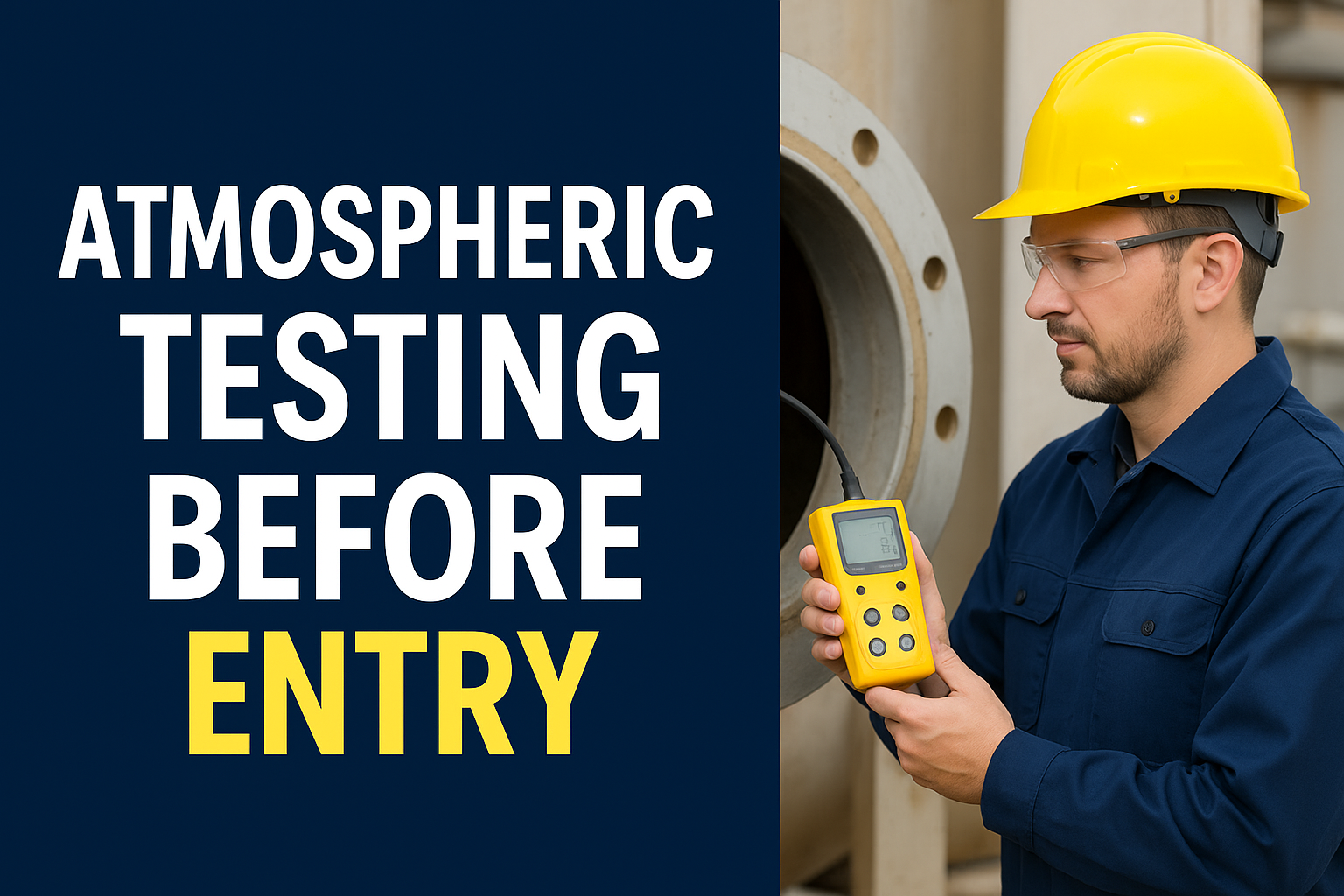
Failing to test properly can lead to catastrophic outcomes, including unconsciousness, explosions, and fatalities. That’s why regulations in many regions mandate rigorous atmospheric testing procedures.
This article explains why atmospheric testing is vital, what hazards you’re looking for, how to test correctly, and best practices for keeping confined space workers safe.
- Why Atmospheric Testing Before Entry Matters
- Common Atmospheric Hazards in Confined Spaces
- Regulatory Requirements for Atmospheric Testing
- Step-by-Step Guide to Atmospheric Testing Before Entry
- Best Practices for Atmospheric Testing Before Entry
- Tools and Equipment for Effective Testing
- Final Thoughts: Atmospheric Testing Before Entry
Why Atmospheric Testing Before Entry Matters
Confined spaces pose unique hazards because they can quickly develop life-threatening atmospheres:
- Low Oxygen: Causes unconsciousness or suffocation.
- Toxic Gases: Even small concentrations can be deadly.
- Flammable Vapors: Can lead to fires or explosions.
Unlike open work areas, these spaces often have poor ventilation, allowing dangerous conditions to develop unseen.
According to OSHA, atmospheric testing is mandatory before entering any permit-required confined space because conditions can’t be assumed safe just by looking.
Common Atmospheric Hazards in Confined Spaces
Before entry, you must test for these hazards:
✅ Oxygen Deficiency or Enrichment
- Normal air: ~20.9% oxygen.
- Below 19.5%: considered oxygen-deficient, unsafe for entry.
- Above 23.5%: oxygen-enriched, increasing fire risk.
✅ Toxic Gases and Vapors
- Hydrogen sulfide (H₂S): smells like rotten eggs, deadly in high concentrations.
- Carbon monoxide (CO): colorless, odorless, and fatal even at low levels.
- Ammonia, methane, solvents, or process-specific chemicals.
✅ Flammable or Explosive Atmospheres
- Measured as % of Lower Explosive Limit (LEL).
- Above 10% LEL is typically considered unsafe for entry.
Resources like OHSE.ca offer detailed guidance on these hazards.
Regulatory Requirements for Atmospheric Testing
Most jurisdictions require testing before and during confined space entry. Key principles include:
- Test before entry to ensure safe conditions.
- Monitor continuously or at intervals if required.
- Retest after any ventilation or change in conditions.
- Document results as part of your permit system.
Failure to follow these regulations can result in fines, legal liability, and most importantly, preventable loss of life.
Step-by-Step Guide to Atmospheric Testing Before Entry
1️⃣ Prepare the Right Equipment
Use a properly calibrated multi-gas detector capable of measuring:
- Oxygen levels.
- Flammable gases (%LEL).
- Specific toxic gases relevant to your site.
Always check calibration before use.
2️⃣ Follow the “Top, Middle, Bottom” Rule
Because gases stratify based on weight:
- Heavier-than-air gases sink.
- Lighter-than-air gases rise.
✅ Test at all levels of the space:
- Top
- Middle
- Bottom
This ensures you detect hazards no matter where they accumulate.
3️⃣ Test from Outside Before Opening
If possible, test through sampling ports or small openings before fully opening the space. This reduces exposure to sudden release of gases.
4️⃣ Ventilate and Retest
If hazardous levels are found:
- Ventilate the space thoroughly.
- Use blowers or fans rated for hazardous locations.
- Retest all areas after ventilation.
Do not assume it remains safe—confined spaces can re-accumulate hazards.
5️⃣ Continuous Monitoring During Entry
Conditions can change. Always:
- Wear portable gas detectors if entering.
- Use monitors with alarms set to safe thresholds.
- Train workers to evacuate immediately if alarms sound.
Best Practices for Atmospheric Testing Before Entry
✅ Training is Essential
All workers must be trained to:
- Recognize hazards.
- Use monitoring equipment correctly.
- Respond to alarms.
✅ Calibration and Maintenance
- Follow manufacturer guidelines.
- Calibrate before each use or per schedule.
- Maintain and record calibration logs.
✅ Document Testing
- Record atmospheric readings.
- Keep permit records on file.
- Review incidents to improve procedures.
✅ Include Rescue Planning
- Have a rescue plan in place before entry.
- Equip teams with proper PPE and rescue gear.
- Train rescuers on confined space retrieval methods.
Tools and Equipment for Effective Testing

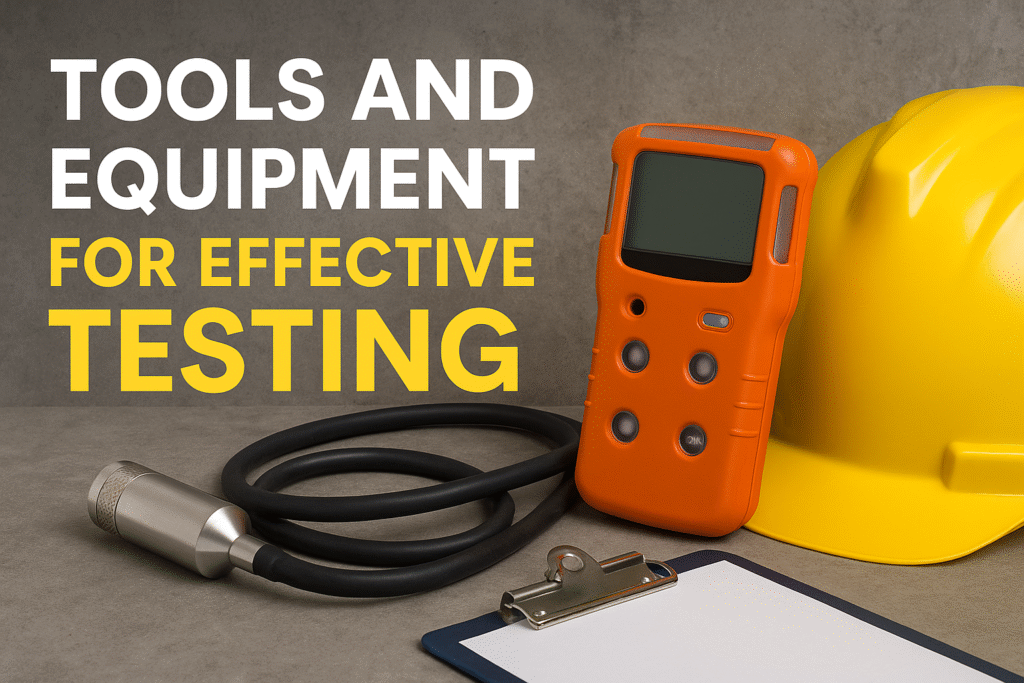
Invest in reliable, industry-rated equipment such as:
- Multi-gas detectors with data logging.
- Sampling pumps for remote testing.
- Ventilation fans rated for explosive atmospheres.
- Personal alarms and communication systems.
Check resources like Canadian Centre for Occupational Health and Safety for additional equipment guidance.
Final Thoughts: Atmospheric Testing Before Entry
Atmospheric Testing Before Entry isn’t optional—it’s a life-saving necessity.
Proper testing ensures you’re not sending workers into invisible dangers. By understanding hazards, using the right tools, training your team, and following best practices, you can dramatically reduce the risk of confined space tragedies.
Protect your people. Make atmospheric testing a standard part of every confined space entry plan.