


- Biological Hazard Safety in Labs: Essential Practices for Safer Research and Testing
- Understanding Biological Hazard Safety in Labs and the Main Risks
- Prevention Strategies for Biological Hazard Safety in Labs
- PPE and Safe Work Practices in Daily Laboratory Operations
- Compliance, Training, and Building a Strong Safety Culture
Biological Hazard Safety in Labs: Essential Practices for Safer Research and Testing


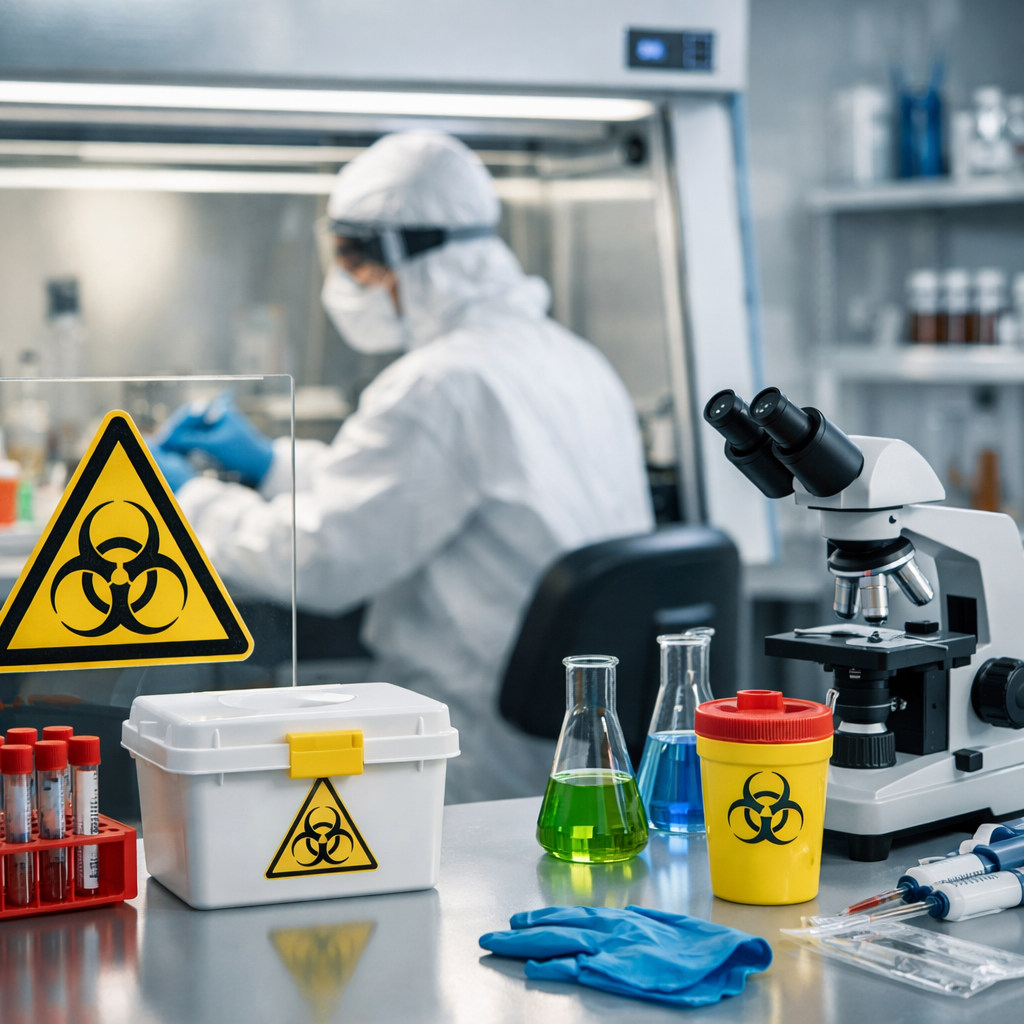
biological hazard safety in labs is a critical part of occupational health, safety, and environmental management. Whether a laboratory handles blood samples, bacterial cultures, clinical waste, or research specimens, every task involving biological material can expose workers to infection, contamination, and operational disruption.
Strong controls are not only about meeting policy requirements. They help protect laboratory staff, students, maintenance workers, contractors, and even the wider community from preventable exposure incidents.
In practical terms, biological hazard safety in labs means recognizing what can cause harm, assessing how exposure may occur, and applying controls that reduce risk to an acceptable level. This includes training, engineering controls, good hygiene, personal protective equipment, incident response, and ongoing compliance with standards from organizations such as OSHA and the CCOHS.
From medical diagnostic labs to university research facilities and industrial testing sites, the same principle applies: biological hazards must be managed systematically. A safe lab is built on clear procedures, consistent supervision, and a culture where staff understand both the risks and the reasons behind each control measure.
Understanding Biological Hazard Safety in Labs and the Main Risks
Biological hazards, often called biohazards, include microorganisms or biological substances that can cause harm to human health. These may involve bacteria, viruses, fungi, parasites, toxins of biological origin, human tissues, bloodborne pathogens, animal waste, and contaminated sharps.
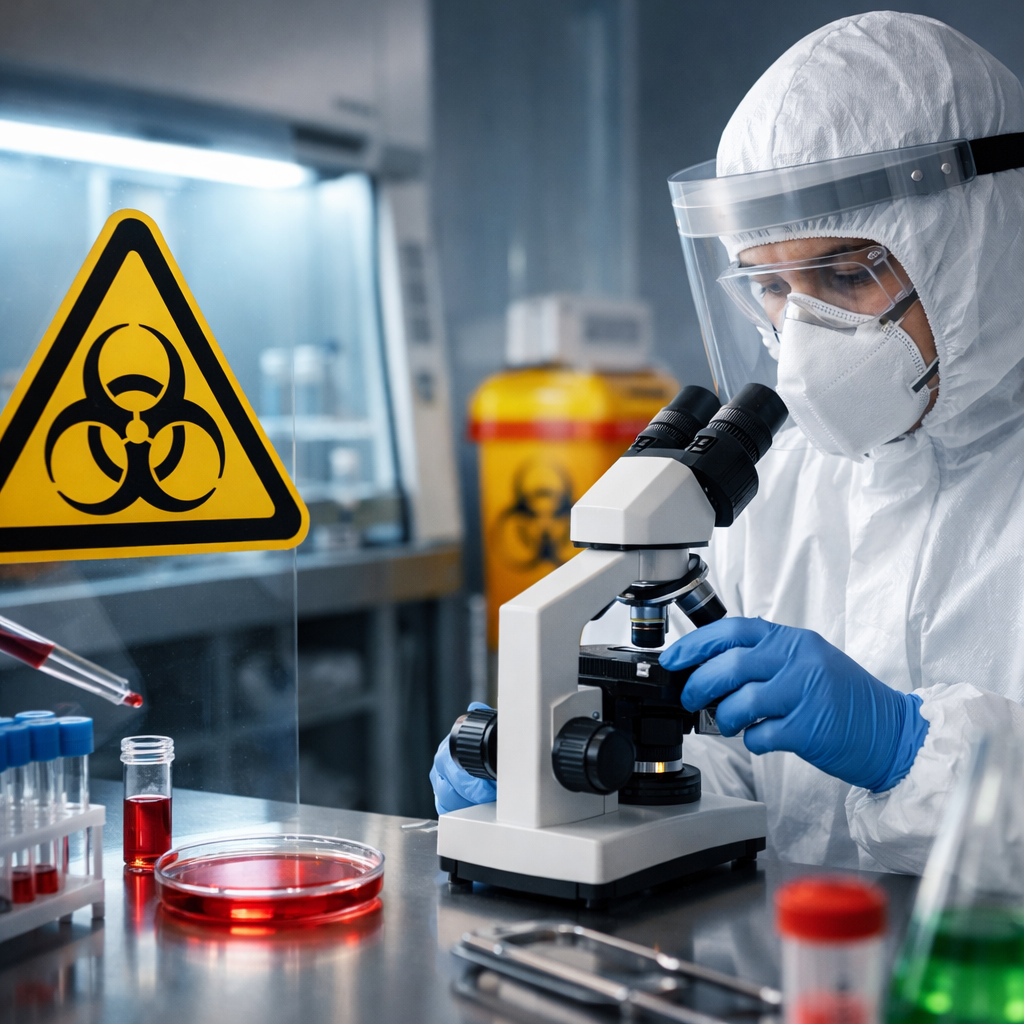
Not all biological materials present the same level of danger. Some are low-risk and used in teaching environments, while others may cause serious disease if inhaled, ingested, absorbed through broken skin, or introduced through needlestick injuries. That is why hazard identification must begin before any sample is opened, transferred, tested, or discarded.
Common biological hazards in laboratories
- Blood and body fluids containing infectious agents
- Bacterial and viral cultures used in research or diagnostics
- Contaminated sharps such as needles, blades, and broken glass
- Aerosols generated during centrifuging, pipetting, vortexing, or mixing
- Animal tissues, bedding, or waste from veterinary and research work
- Biological waste stored, transported, or disposed of incorrectly
Exposure routes are often underestimated. A worker may assume risk only exists during direct sample handling, but contamination can also spread through benches, door handles, keyboards, cold storage units, and improperly cleaned equipment.
A simple example is a technician opening a specimen tube after centrifugation. If the tube leaked or generated aerosols, infectious droplets may be released into the breathing zone. Another example is a cleaner removing waste bags without knowing they contain contaminated disposable items. In both cases, weak communication and poor controls increase the chance of exposure.
Laboratories should also consider secondary consequences. A biological incident may cause staff illness, sample loss, quarantine requirements, shutdowns, reputational damage, and regulator scrutiny. Biological hazard safety in labs therefore supports both worker wellbeing and business continuity.
Prevention Strategies for Biological Hazard Safety in Labs
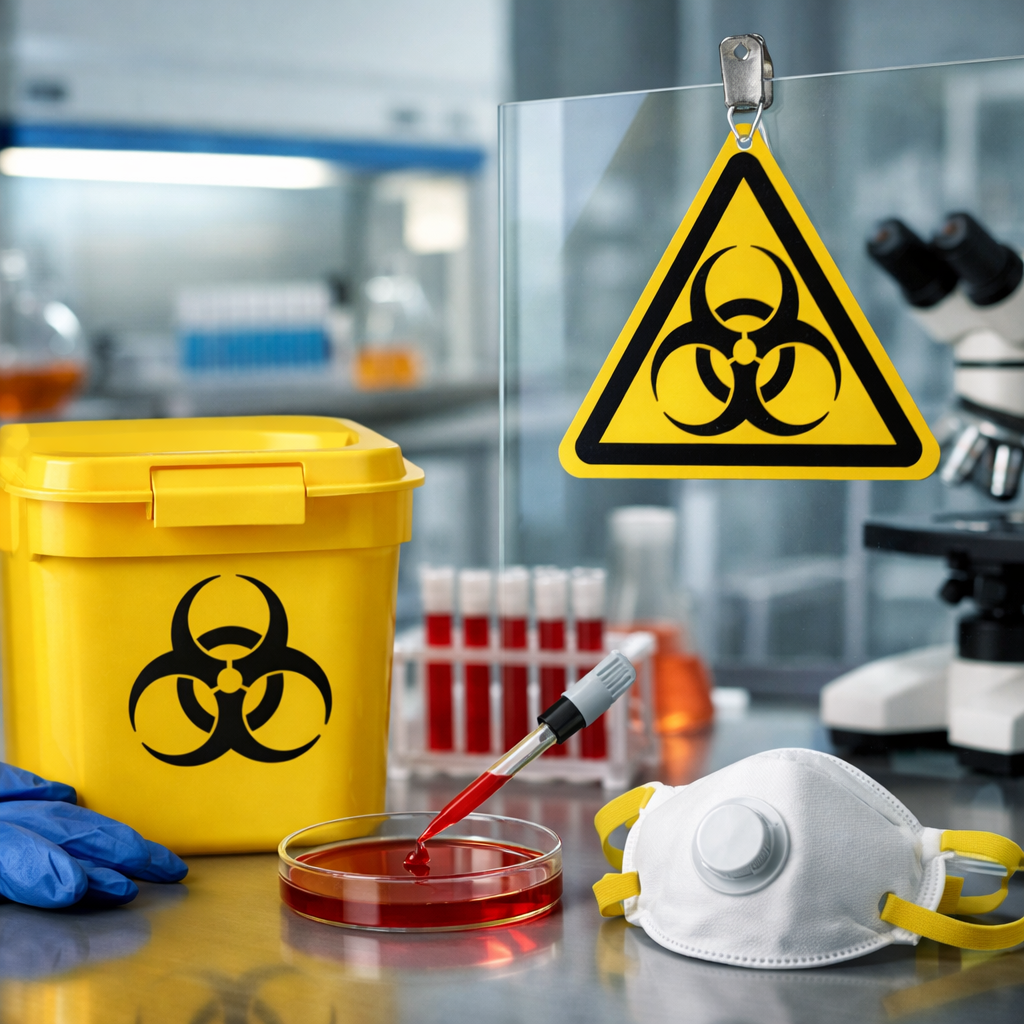
Prevention works best when labs apply the Hierarchy of Controls. This approach prioritizes stronger and more reliable controls before relying on individual behavior alone. In laboratory settings, elimination may not always be possible, but many risks can still be reduced through careful planning and equipment design.
Applying the Hierarchy of Controls
| Control Level | How It Applies in Labs | Practical Example |
|---|---|---|
| Elimination | Remove unnecessary biological handling tasks | Use non-infectious training materials instead of real specimens |
| Substitution | Use safer biological agents or methods where possible | Choose attenuated strains for teaching activities |
| Engineering Controls | Isolate workers from hazards using equipment or design | Biological safety cabinets, sealed centrifuge cups, hands-free sinks |
| Administrative Controls | Set procedures, training, signage, and restricted access | SOPs for spill response and sample transport |
| PPE | Protect the worker when exposure cannot be fully prevented | Gloves, lab coats, face shields, respirators |
Engineering controls are especially important in biological hazard safety in labs because they help reduce exposure regardless of individual error. Biological safety cabinets, splash guards, negative air pressure in higher-risk areas, and autoclaves all play a major role in containment.
Administrative controls support these systems by creating consistency. Labs should have clear standard operating procedures for specimen receipt, labeling, transport, decontamination, waste segregation, and emergency response. Staff should know when to report a spill, how to isolate a contaminated area, and who is authorized to manage higher-risk materials.
Routine cleaning and disinfection must also be specific to the biological agents involved. A general cleaner is not always enough. Contact time, disinfectant strength, and surface compatibility all matter. The CDC laboratory guidance is a useful reference for labs reviewing infection prevention procedures.
For related safety systems, many organizations also connect biological controls with workplace risk assessment and hazardous waste management procedures. This integrated approach helps prevent gaps between teams and departments.
PPE and Safe Work Practices in Daily Laboratory Operations
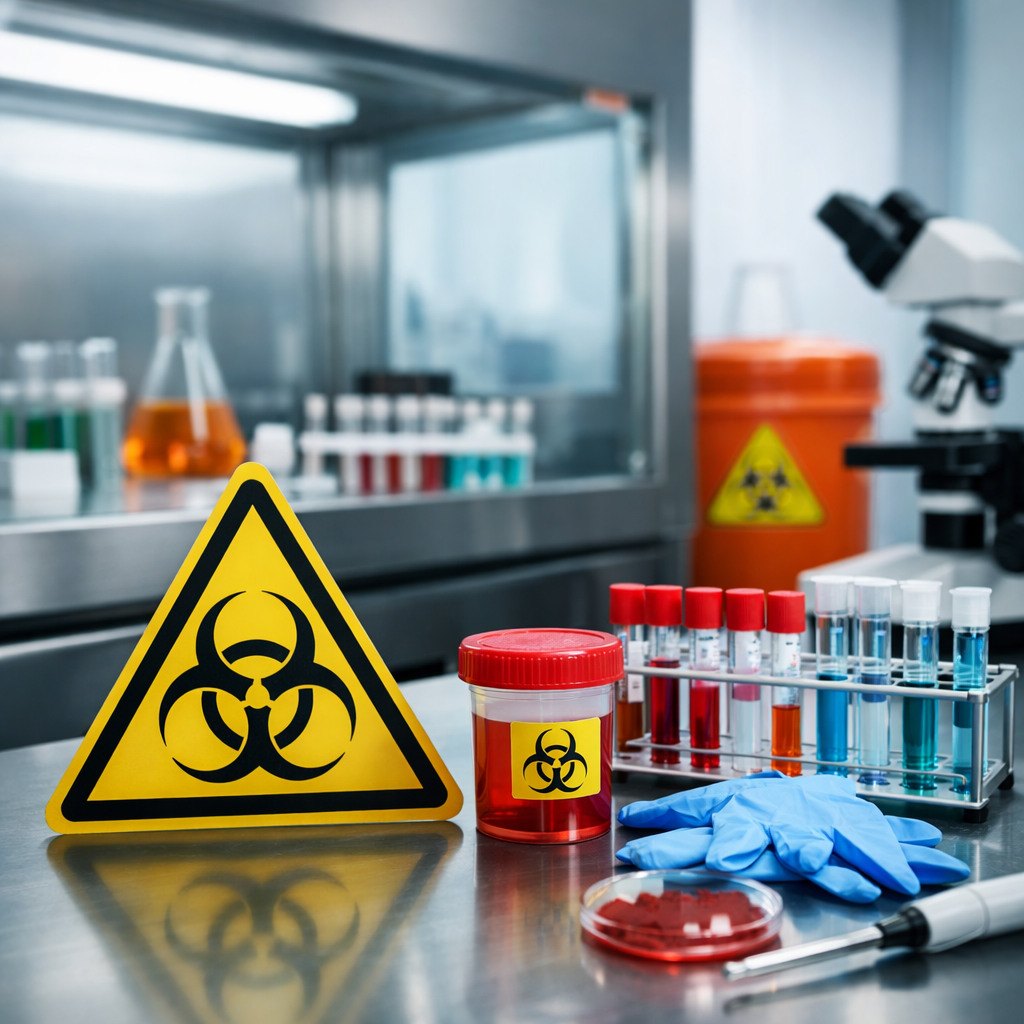
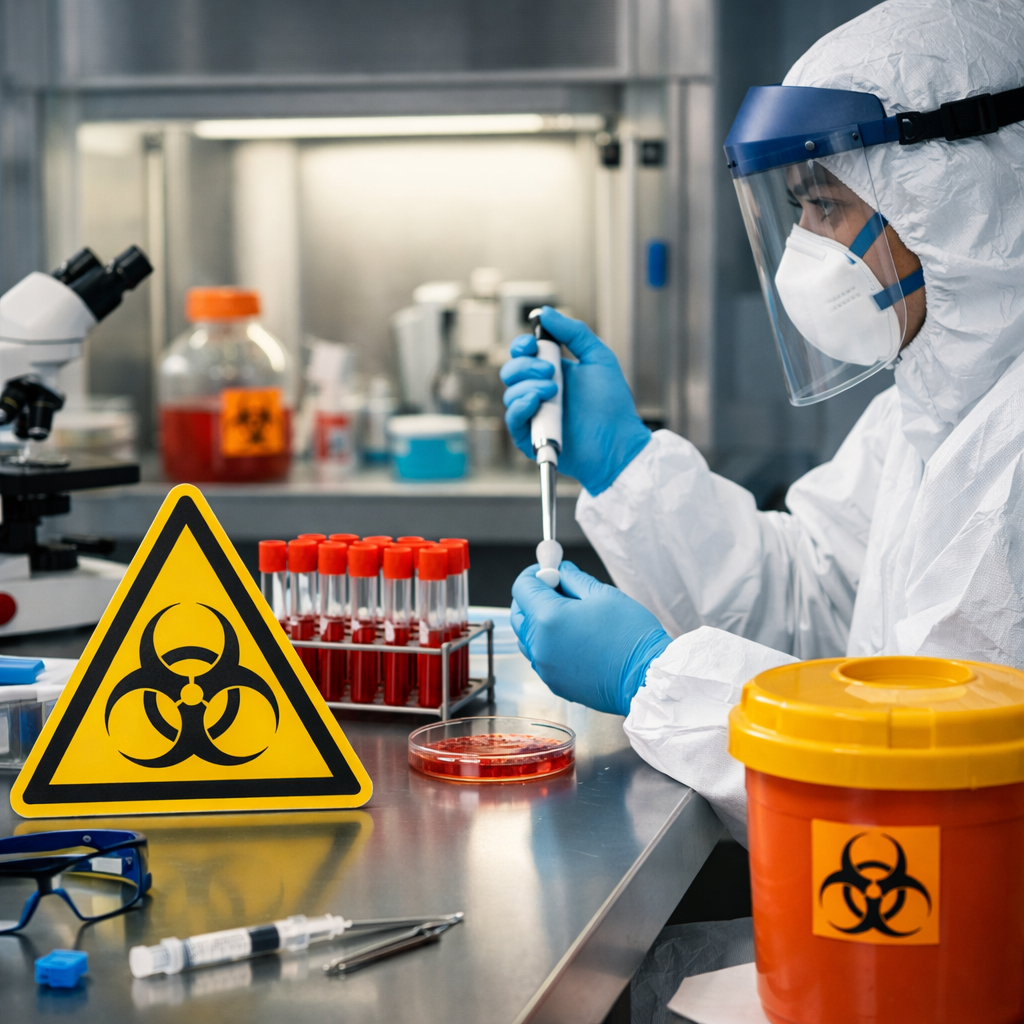
Personal protective equipment is a key layer of defense, but it should never be the only one. Biological hazard safety in labs depends on PPE being suitable for the task, correctly fitted, maintained, and used consistently with safe work practices.
Essential PPE for biohazard work
- Gloves: Protect against contact with contaminated materials, but must be changed between tasks and never worn in clean areas unnecessarily.
- Lab coats or gowns: Provide body protection and reduce contamination of personal clothing.
- Eye and face protection: Goggles or face shields are necessary where splashes or aerosols may occur.
- Masks or respirators: Selected based on the risk assessment, especially for aerosol-generating procedures.
- Closed footwear: Reduces injury and contamination risks from spills or dropped sharps.
PPE is most effective when workers understand its limitations. Gloves do not replace hand hygiene. Lab coats should not be worn in lunchrooms or public areas. Face protection must be cleaned or disposed of correctly after exposure. Respiratory protection may also require fit testing and a formal program where mandated by regulation.
Daily work practices are just as important as the equipment itself. Workers should avoid recapping needles, eating or drinking in work areas, touching their face with gloved hands, and using damaged containers. Specimens should always be labeled clearly, and contaminated waste should go into the correct stream without overfilling bins or sharps containers.
Consider a practical example from a pathology lab. A staff member receives blood tubes, sorts them by test type, and loads them into analyzers. If one tube arrives cracked, the safe response is not to continue handling it casually. The worker should isolate the item, use the spill or breakage procedure, decontaminate the affected area, and report the incident. That response protects the individual and prevents exposure to co-workers.
Another common example involves centrifuges. If a tube breaks inside a rotor, the unit should remain closed until aerosols have settled, and only trained staff wearing suitable PPE should open and clean it according to procedure. These small operational details define effective biological hazard safety in labs.
Compliance, Training, and Building a Strong Safety Culture
Compliance is a core part of biological hazard safety in labs, but true safety goes beyond simply passing inspections. Employers must identify applicable legal duties, biosafety standards, waste regulations, and internal policies, then ensure they are reflected in actual laboratory behavior.
Training should cover hazard communication, exposure routes, emergency response, disinfection, waste handling, PPE use, incident reporting, and post-exposure actions. New starters need induction before beginning work, while experienced staff need refresher training whenever processes, organisms, or equipment change.
What a compliant lab program should include
- Documented risk assessments for biological tasks
- Accessible standard operating procedures
- Vaccination programs where appropriate
- Exposure control plans for bloodborne pathogens
- Inspection, maintenance, and certification of safety equipment
- Incident reporting and investigation systems
- Emergency spill kits and response procedures
- Proper storage, transport, and disposal of biological waste
Supervisors and managers should regularly review whether controls work in practice. For example, are staff bypassing safety cabinets because of workflow pressure? Are waste bins placed too far from workstations? Are contractors informed before entering biohazard areas? These questions reveal real-world risks that written procedures may miss.
Monitoring also matters. Audits, observations, air handling checks, housekeeping reviews, and incident trend analysis can identify weak points before they become serious events. Near misses should be treated as opportunities to improve controls rather than ignored because no one was harmed.
Biological hazard safety in labs is strongest when safety is part of everyday decision-making. Workers should feel confident stopping a task, asking questions, reporting a damaged container, or escalating concerns about unsafe behavior. That culture reduces complacency and supports compliance with expectations from OSHA, CCOHS, and other health and safety authorities.
In conclusion, biological hazard safety in labs requires more than basic caution. It depends on understanding risks, applying the Hierarchy of Controls, using PPE correctly, maintaining compliance, and reinforcing safe habits through training and supervision. When laboratories combine practical controls with a strong safety culture, they protect workers, preserve research quality, and keep biological hazard safety in labs at the center of responsible operations.