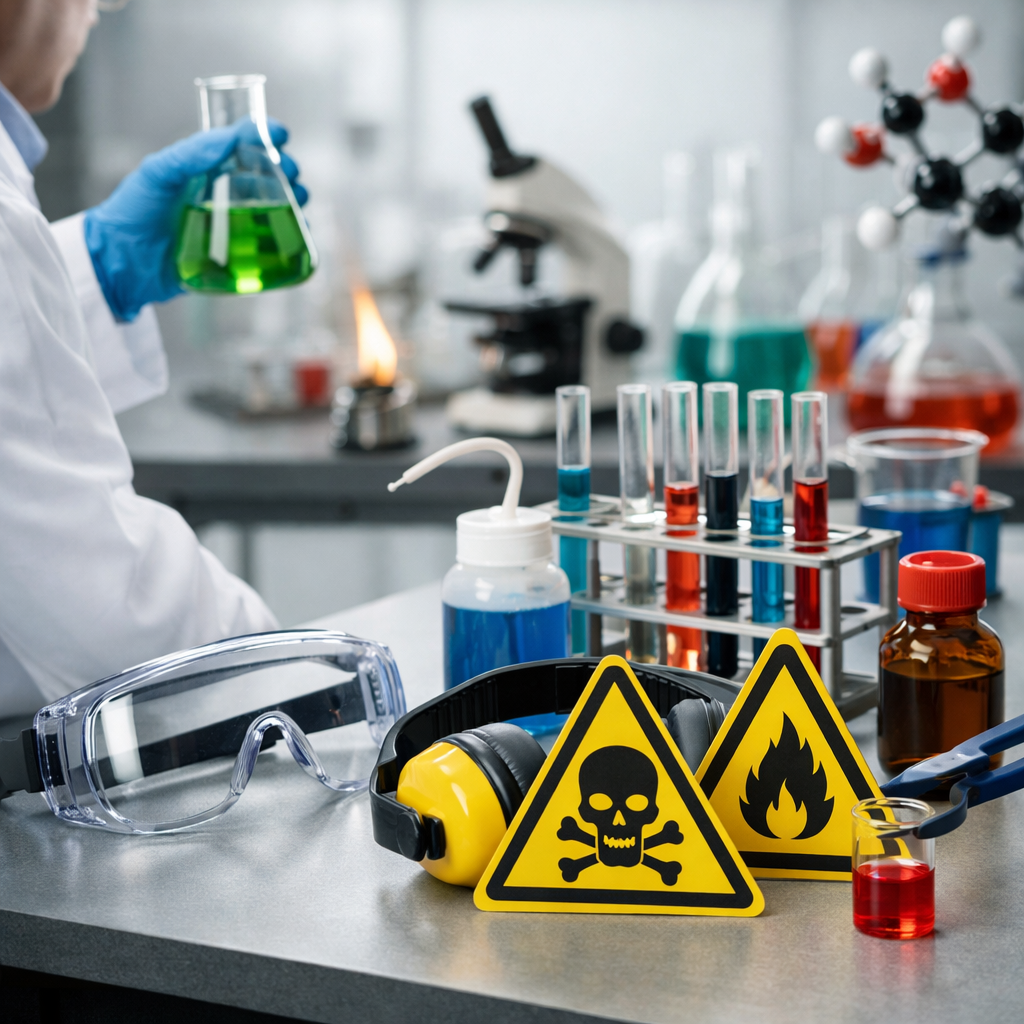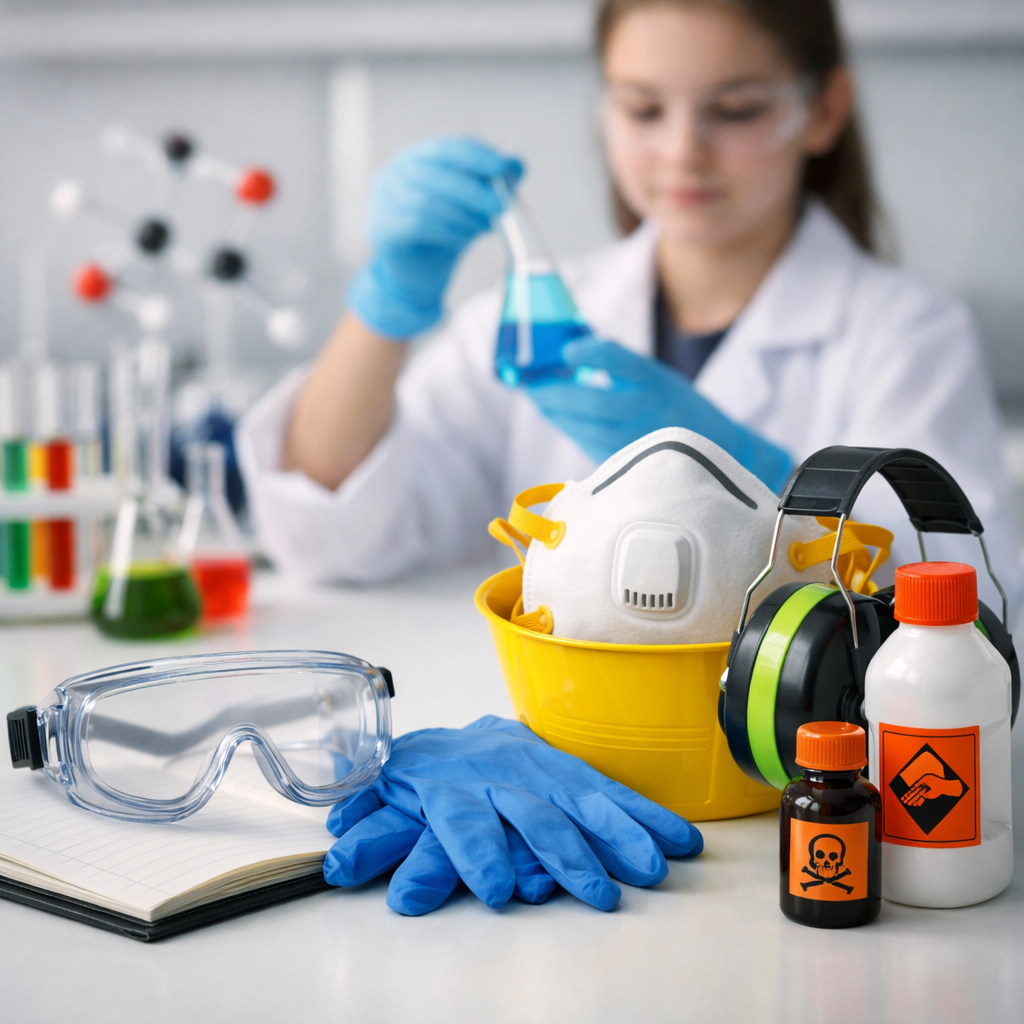

Chemical safety for students starts with understanding that even common classroom products can cause harm if they are used carelessly.
In Canadian schools, labs, shops, art rooms, and co-op placements, students may come across cleaning products, science lab chemicals, fuels, adhesives, paints, or compressed containers. Learning how to read labels, store materials properly, handle them carefully, and respond to emergencies helps reduce risk and builds safe habits for school, work, and everyday life.
This practical guide is designed for students, parents, and educators who want clear, prevention-focused advice. While school procedures always come first, the basics below can support safer decision-making in Ontario and across Canada. For broader workplace and school health guidance, readers can also visit OHSE.ca and review training options at learn.ohse.ca.
Chemical Safety for Students Begins with Reading Labels
Labels are one of the first and most important safety tools. Before using any chemical product, students should check the container label and any instructions provided by the school, teacher, supervisor, or manufacturer.
A label can tell you what the product is, what hazards it presents, how to use it safely, what personal protective equipment may be needed, and what to do if something goes wrong. In school and workplace settings, students may also see Workplace Hazardous Materials Information System information, often supported by signs, pictograms, or safety data references.

What to look for on a label
- Product name: Confirms exactly what is in the container.
- Hazard information: May indicate if the product is flammable, corrosive, toxic, or irritating.
- Precautionary statements: Explain safe handling, storage, and disposal steps.
- First-aid directions: Useful if exposure happens.
- Pictograms or symbols: Provide quick visual hazard warnings.
If a label is missing, damaged, or unreadable, students should not use the product. Tell a teacher, lab technician, or supervisor right away. Never guess what is inside an unmarked container.
For trusted Canadian hazard communication information, schools and families can review resources from the Canadian Centre for Occupational Health and Safety and government guidance from Ontario.ca.
Safe Storage Matters in Chemical Safety for Students
Proper storage prevents spills, reactions, fires, and accidental exposure. Chemical safety for students is not only about using a product safely in the moment. It also means making sure products are kept in the right place before and after use.
At school, chemicals should be stored according to school procedures and manufacturer directions. Students should never move, combine, or relocate chemicals unless they have been instructed to do so by qualified staff.
Basic storage rules students should follow
- Keep chemicals in their original, clearly labelled containers.
- Store incompatible materials separately if directed by the school.
- Keep products away from heat, sparks, flames, and direct sunlight when required.
- Close lids and caps tightly after use.
- Do not store food or drinks near chemicals.
- Keep chemicals out of backpacks, lockers, or personal containers unless specifically authorized.
- Report leaking, bulging, broken, or damaged containers immediately.
Storage areas should be supervised, organized, and appropriate for the products being kept there. In science labs, custodial rooms, automotive shops, and arts programs, different materials may need very different controls.

The simple table below shows common storage concerns students may encounter.
| Type of Product | Common Risk | Basic Safe Storage Reminder |
|---|---|---|
| Flammable liquids | Fire or vapour ignition | Keep away from heat and ignition sources |
| Corrosive cleaners or lab chemicals | Skin or eye burns | Keep sealed and in approved supervised storage areas |
| Aerosols or pressurized containers | Bursting when heated | Store away from high temperatures |
| Unknown or unlabelled products | Misuse or unexpected exposure | Do not use; report immediately |
Handling Chemicals Safely at School, Home, and Work Placements
Chemical safety for students depends on consistent habits. Whether a student is mixing a science solution, cleaning a workbench, using paint in art class, or helping in a co-op placement, safe handling reduces the chance of injury.
One useful way to think about prevention is the hierarchy of controls. The best approach is to remove hazards where possible, substitute safer products when appropriate, use engineering controls such as ventilation, follow administrative controls such as rules and supervision, and then use personal protective equipment as required. Students may not control those decisions, but they should understand why the controls matter.
Practical handling habits
- Read the instructions before starting, not during the task.
- Use only the amount directed by the teacher or supervisor.
- Wear required protective equipment such as goggles, gloves, aprons, or face protection.
- Tie back long hair and secure loose clothing or jewelry.
- Work in a well-ventilated area when instructed.
- Never mix chemicals unless the activity specifically requires it and a qualified adult is supervising.
- Keep hands away from your face and wash hands after handling chemicals.
- Do not taste, sniff directly, or touch chemical products unnecessarily.
- Use tools, dispensers, or transfer methods provided by the school.
Students in Ontario co-op placements, apprenticeships, or part-time jobs may also encounter cleaning products, degreasers, fuels, pool chemicals, or industrial supplies. In those settings, the same core rule applies: follow site-specific procedures, ask questions if anything is unclear, and stop work if the task seems unsafe or beyond your training.
Parents can reinforce these habits at home by storing household chemicals safely, supervising younger students, and modelling label-reading before use. Guidance from Health Canada can help families better understand household chemical precautions.
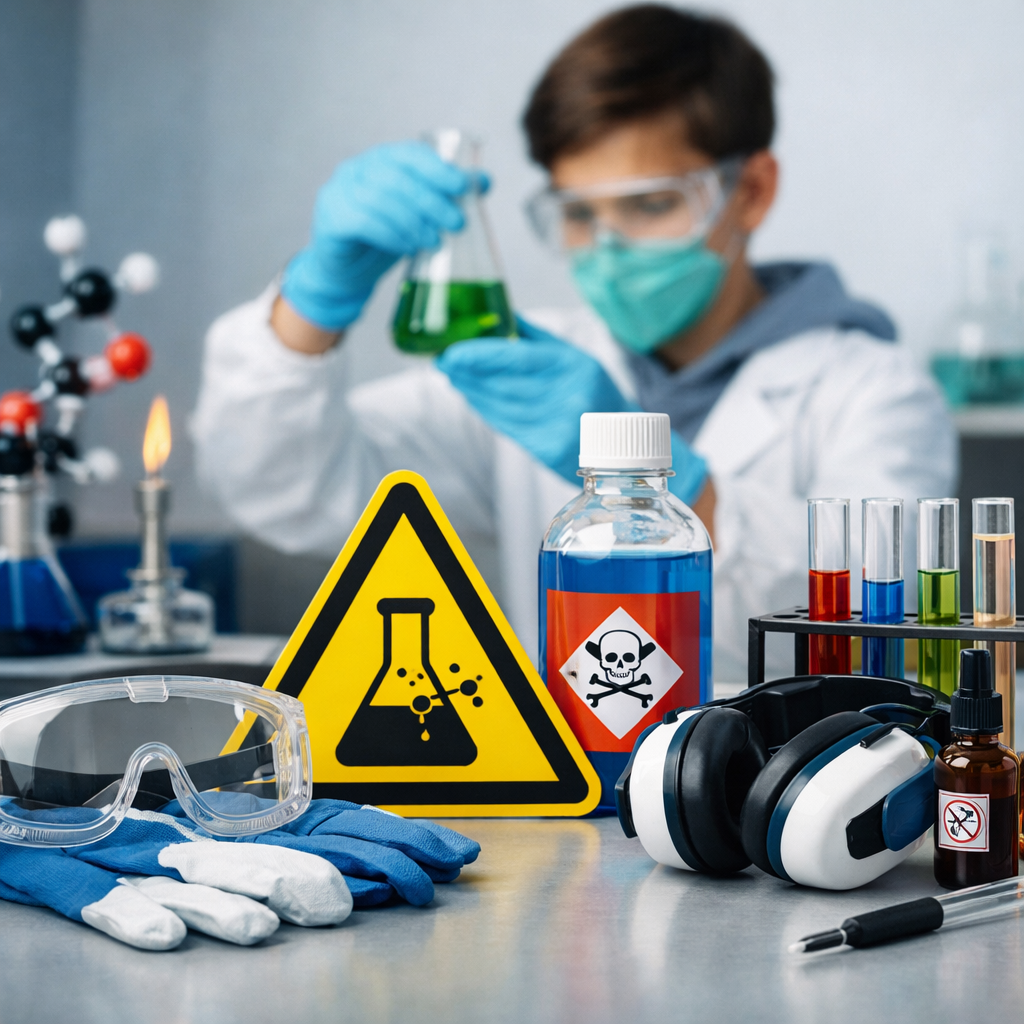
Emergency Response and a Quick Chemical Safety for Students Checklist
Even with strong prevention, spills and exposures can still happen. Chemical safety for students includes knowing how to respond calmly and quickly. The right response depends on the product, the amount involved, where the exposure happened, and the school or workplace emergency plan.
If an incident occurs, students should alert the teacher, supervisor, or nearest responsible adult immediately. Do not try to manage a serious spill or exposure alone. Follow local emergency procedures, manufacturer instructions, and school guidance. If first-aid equipment such as eyewash stations, sinks, or spill materials is provided, students should use them only as trained or directed.
In an emergency, remember these basics
- Stop the activity right away.
- Warn others and move away from danger if needed.
- Tell a teacher, supervisor, or staff member immediately.
- Follow instructions for rinsing, evacuation, isolation, or cleanup.
- Do not re-enter the area until told it is safe.
- Report all exposures, even if symptoms seem minor at first.
For younger students, the most important action is getting adult help fast. For older students and young workers, emergency readiness also means knowing where exits, eyewash stations, fire safety equipment, and reporting procedures are located before work begins.
Short actionable checklist
- Read the label every time.
- Use only labelled products.
- Wear the required protective equipment.
- Keep chemicals away from food and drinks.
- Store products only where authorized.
- Never mix chemicals unless instructed and supervised.
- Wash hands after handling.
- Report spills, leaks, and missing labels immediately.
Chemical safety for students is really about building simple, repeatable habits: read the label, store products properly, handle them carefully, and act quickly if something goes wrong. These steps help protect students in classrooms, shops, co-op placements, and at home. By following school rules, asking questions, and using trusted Canadian resources such as CCOHS, students and families can make chemical safety for students a practical part of everyday learning and work readiness.