


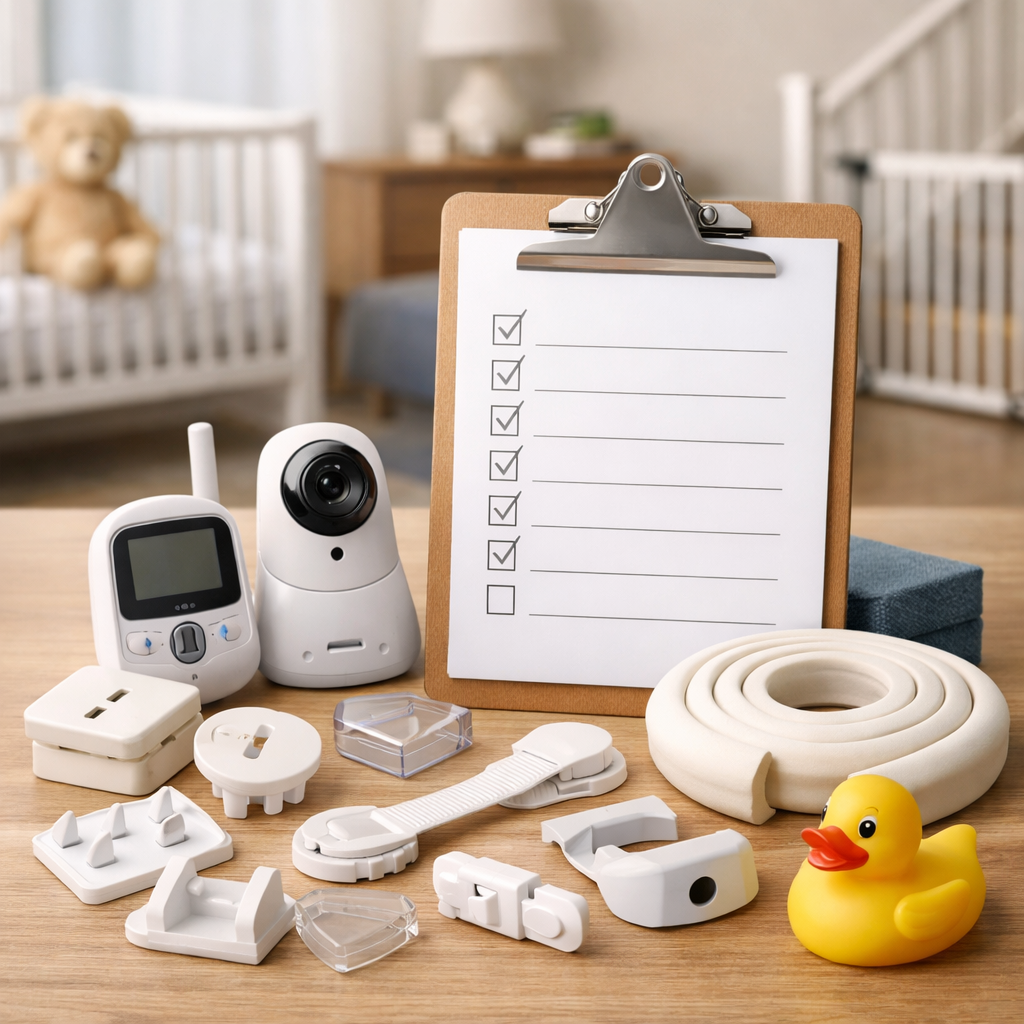


Child home safety checklist planning helps families spot hazards early and build safer daily routines at home. For parents, caregivers, students, and school communities in Canada, a room-by-room approach is one of the simplest ways to reduce preventable injuries without creating fear or stress.
Children learn by exploring, climbing, grabbing, and testing limits. That curiosity is healthy, but it also means everyday items such as cords, cleaners, hot drinks, unstable furniture, and unlocked medications can become serious risks in seconds.
A practical child home safety checklist focuses on prevention, supervision, and safer setup. It also supports the same safety mindset used in schools and workplaces: identify hazards, control the risk, and review conditions regularly. For more general prevention resources, families can visit OHSE.ca, along with trusted Canadian organizations such as CCOHS, Parachute, and Health Canada.
Why a child home safety checklist works
The best child home safety checklist is clear, repeatable, and based on how children actually move through a home. Instead of waiting for a near miss, families can inspect each room for common hazards and apply simple controls.
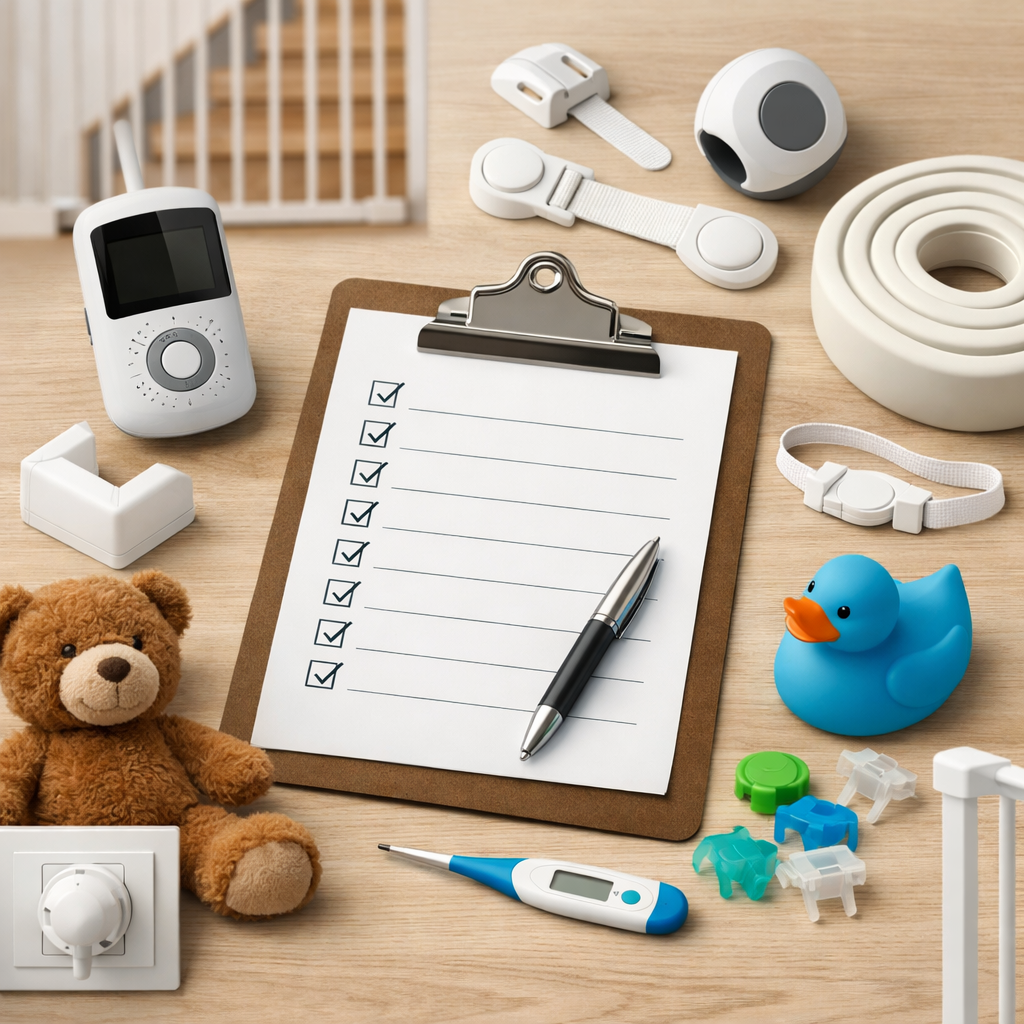
This is also a good place to use the basic safety principle known as the hierarchy of controls. In a home, that often means eliminating the hazard first, such as removing loose button batteries or storing cleaners in a locked cabinet. If elimination is not possible, substitute safer products, add barriers like gates or latches, improve procedures, and rely on supervision as an added layer rather than the only control.
Use this short actionable checklist as a starting point:
- Anchor heavy furniture, televisions, and shelving to prevent tip-overs.
- Keep medications, vitamins, cleaners, and cannabis products locked up and out of reach.
- Install and test smoke and carbon monoxide alarms according to manufacturer and local guidance.
- Use stair gates where needed and keep stairs free of clutter.
- Set hot water and cooking routines to reduce burn risks.
- Cover or manage electrical outlets and cords.
- Check window blind cords, balconies, and windows for fall and strangulation hazards.
- Review the home again as a child grows, since hazards change by age and ability.
Child home safety checklist for living areas, stairs, and entryways
Living room and family spaces
Shared rooms often contain several hidden hazards because they combine electronics, furniture, décor, and everyday traffic. Start by anchoring bookcases, dressers, and televisions. A climbing toddler can pull down surprisingly heavy items, so stable placement matters.
Keep remote controls, coins, magnets, batteries, and small decorative objects off low tables. These can create choking or poisoning risks. Manage cords from lamps, chargers, blinds, and entertainment systems so children cannot pull on them or become tangled.
Glass furniture, sharp corners, and unstable side tables should also be reviewed. If possible, choose rounded edges or move breakable pieces out of active play areas. Rugs should lie flat to reduce slips and trips for both children and adults carrying infants.
Stairs, halls, and front entrance
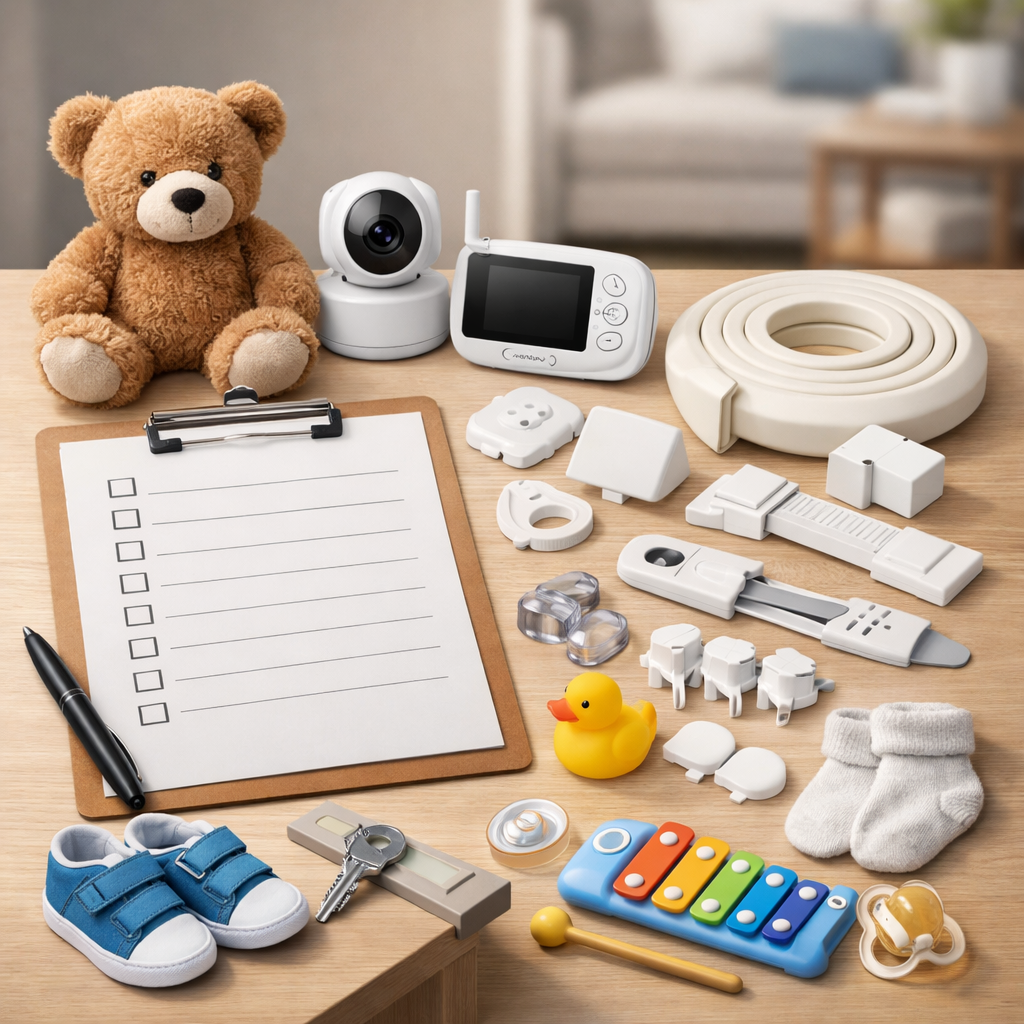
Stairs deserve special attention on every child home safety checklist. Install appropriate gates at the top and bottom when needed, following manufacturer instructions. Avoid placing toys or baskets on steps, and make sure handrails are secure and lighting is adequate.
At the entrance, keep keys, bags, pet items, and seasonal gear organized. Wet boots, loose mats, and crowded floors create trip hazards. If the home connects to a garage or workshop, treat that access point carefully because fuels, tools, and chemicals should be stored away from children and secured.
Child home safety checklist for kitchen, bathroom, and laundry areas
Kitchen prevention tips
The kitchen is one of the busiest rooms in the home and one of the most important parts of any child home safety checklist. Burns, cuts, poisoning, and falls can happen quickly during routine tasks.
Turn pot handles inward, keep hot drinks away from edges, and avoid holding a child while cooking with hot oil, steam, or boiling water. Sharp knives, graters, and small appliances should be stored securely. Cleaning products, dishwasher pods, and alcohol-based products should be kept locked up, not just moved to a higher shelf.
Children are often drawn to the stove, oven door, and cords from kettles or slow cookers. Create a child-free zone around cooking areas whenever possible. If a high chair is used, check straps and placement so it cannot tip or be pushed near hot surfaces.
Bathroom and laundry safety
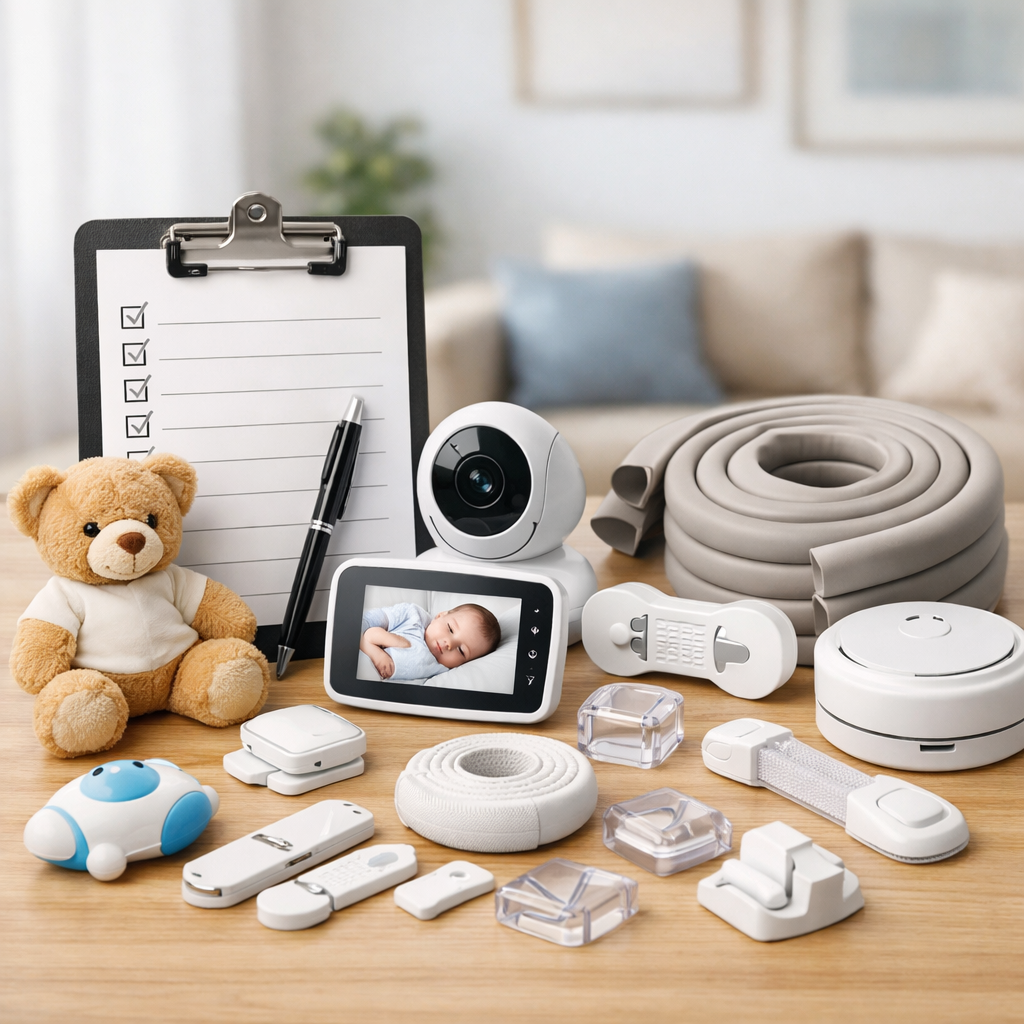
Bathrooms combine water, medications, cosmetics, and electrical devices, making them a priority on a child home safety checklist. Never leave a young child unattended near a filled tub or standing water. Bath products, razors, medications, and mouthwash should be secured after every use.
Hair tools such as curling irons or straighteners can stay hot after they are unplugged, so place them well out of reach until fully cool. Toilet lid locks may help in some homes, but they are only one layer of protection. Non-slip mats and prompt cleanup of water on floors reduce falls.
In laundry areas, detergent pods and stain removers must be locked away. Machines should stay closed when not in use, and children should not play in or around washers, dryers, hampers, or utility sinks.
Child home safety checklist for bedrooms, windows, and play spaces
Bedrooms and nursery areas
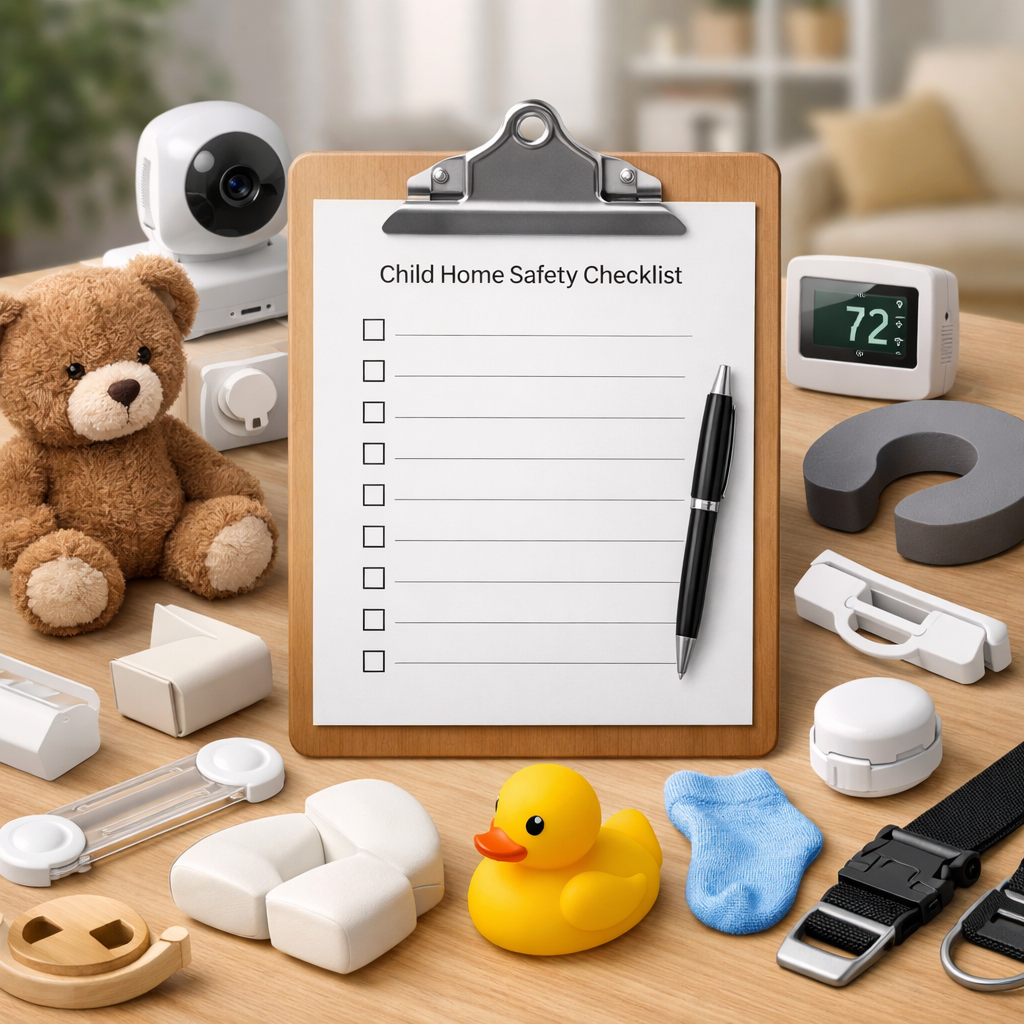
Sleep spaces should be calm, simple, and free of unnecessary hazards. A child home safety checklist for bedrooms should include checking furniture anchoring, blind cord safety, outlet access, and choking hazards under beds or dressers.
Keep cords from monitors, lamps, and chargers away from cribs and beds. Avoid placing climbable furniture close to windows. Toys should match the child’s age and development, and damaged toys should be repaired or removed. Stuffed animals, storage bins, and toy chests should be reviewed for suffocation, pinching, or entrapment risks based on age.
Windows, balconies, and play areas
Falls are a serious concern in homes, especially during warmer months when windows are opened more often. Secure windows so children cannot open them wide enough to fall through, and never rely on insect screens to prevent falls. Keep furniture away from windows to discourage climbing.
Balconies should be kept free of climbable items such as chairs, planters, or storage bins. Railings should not have gaps that allow a child to slip through, and children should always be supervised in these spaces. For indoor play areas, store art supplies, batteries, tools, and sports equipment safely after use.
| Room or Area | Common Risks | Practical Controls |
|---|---|---|
| Living room | Tip-overs, cords, choking items | Anchor furniture, manage cords, remove small objects |
| Kitchen | Burns, cuts, poisoning | Turn handles inward, lock cleaners, create a child-free cooking zone |
| Bathroom | Drowning, slips, medication access | Supervise closely, lock products, use non-slip surfaces |
| Bedroom | Falls, strangulation, toy hazards | Move furniture from windows, secure cords, check toy age suitability |
| Stairs and entryways | Falls, clutter, garage access | Install gates, improve lighting, secure connected storage areas |
Keeping your child home safety checklist current
A child home safety checklist should change as children grow. What is safe for a newborn may not be safe for a crawler, toddler, school-age child, or teen. New hazards also appear during moves, renovations, holidays, school breaks, and visits from relatives.
Try a monthly walk-through and involve older children in age-appropriate safety habits, such as putting away backpacks, charging devices safely, and reporting broken items. This can support the same prevention culture encouraged in schools, workplaces, and training environments. Families looking to strengthen everyday safety awareness can also explore practical learning through OHSE training resources and public guidance from Ontario.
Most importantly, remember that no checklist replaces active supervision, safe product use, and following manufacturer, school, workplace, or emergency guidance where applicable. A well-used child home safety checklist helps families build safer routines, reduce common home hazards, and protect children with calm, practical prevention steps every day.