


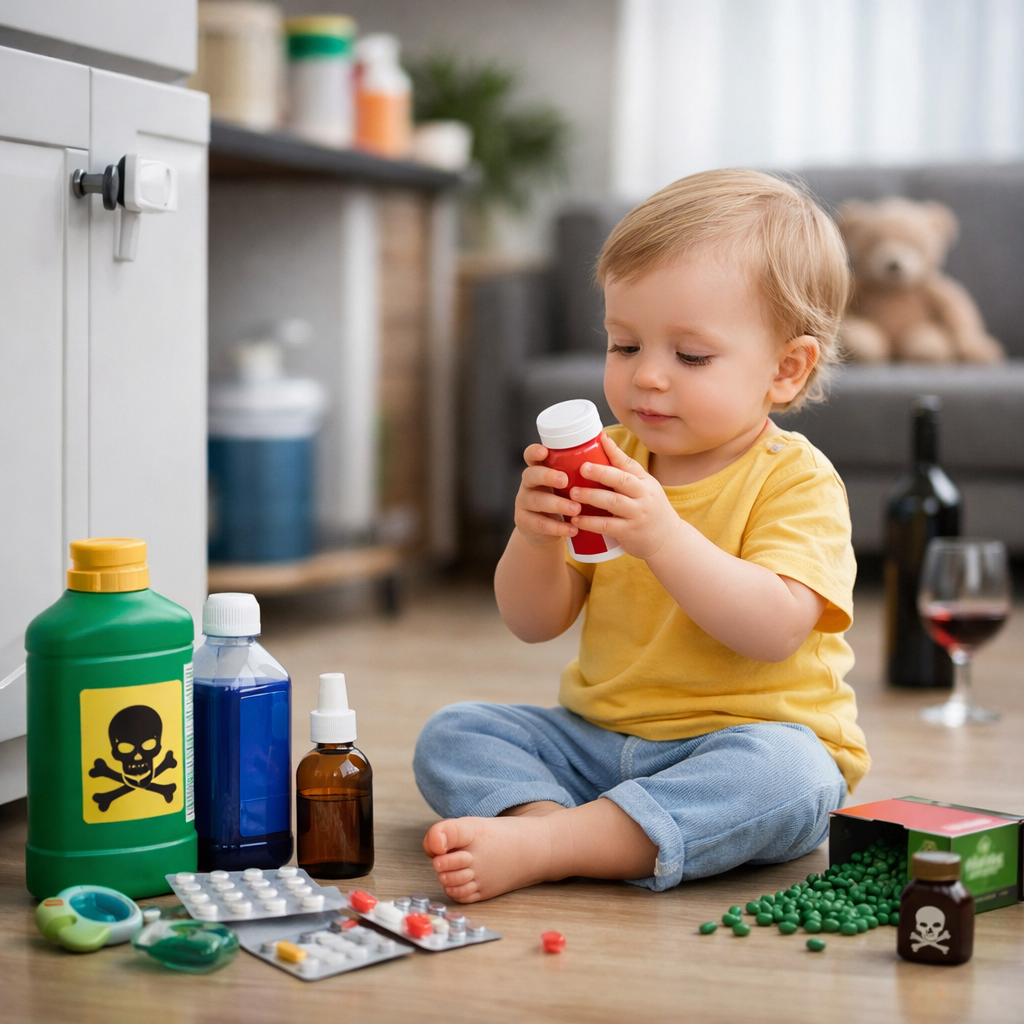

Child poison prevention starts with everyday habits at home, at school, and anywhere children spend time. Many poisoning risks are found in ordinary products such as cleaning supplies, medicines, cosmetics, batteries, and laundry products, so practical storage and close supervision matter far more than most families realize.
For Canadian parents, students, caregivers, schools, and young workers in family businesses, the goal is simple: reduce access, reduce confusion, and reduce rushed decisions. A prevention-focused approach can help create safer homes and routines without causing fear. With a few clear systems, families can make dangerous products harder to reach, harder to mistake, and easier to manage safely.
Why child poison prevention matters in everyday spaces
Poison hazards are not limited to obvious chemicals in garages or utility rooms. Kitchens, bathrooms, bedrooms, backpacks, lunch bags, purses, and vehicles can all contain products that attract children because they look colourful, smell pleasant, or come in familiar containers.
Common examples include pain relievers, vitamins, mouthwash, dishwasher pods, hand sanitizer, essential oils, vape liquids, pet medications, and button batteries. Even a small amount of some substances can be harmful, which is why child poison prevention depends on routine storage choices, not just occasional reminders.
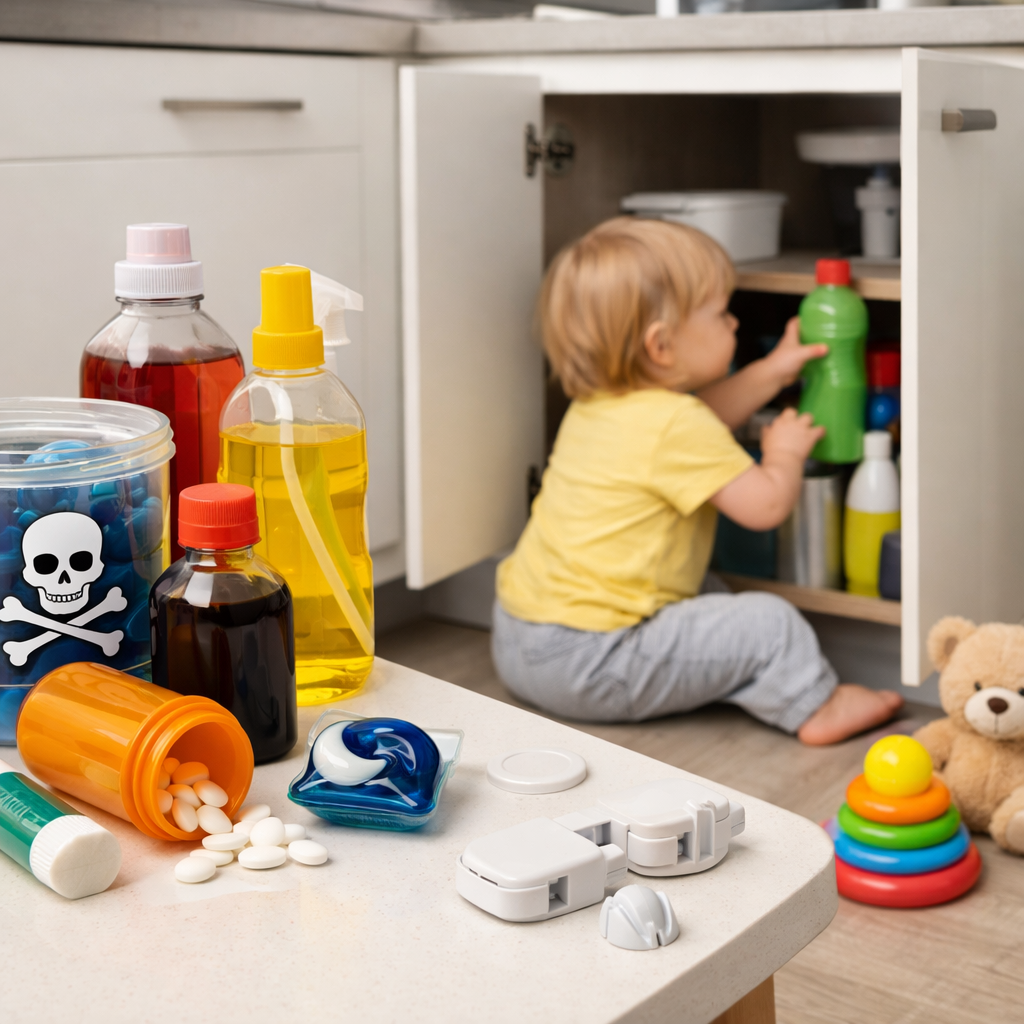
In Ontario and across Canada, households may also bring workplace products into the home through tools, solvents, fuels, and maintenance supplies. If a parent or young worker uses products for school projects, trades training, farm work, or part-time work, those items need the same level of control as any other household hazard. Practical safety guidance from CCOHS, Health Canada, and Ontario government resources can support safer decisions.
Child poison prevention through safer storage systems
Store hazardous products high, locked, and in original containers
The most effective home strategy is to keep potentially poisonous products up high, locked away, and out of sight. Cabinets with child-resistant latches can help, but they are not a substitute for careful placement. A determined child may still get into low cupboards, purses, bedside tables, or unlocked drawers.
Original containers are also essential. Labels contain important instructions, warnings, and first-aid information. Moving chemicals or medications into drink bottles, food containers, or unmarked jars increases the chance that a child, teen, or adult could mistake them for something safe.
Use the hierarchy of controls at home
Child poison prevention works well when families apply the same logic used in workplace safety. Elimination is best: if you do not need a product, do not keep it. Substitution can also help, such as choosing lower-risk products when they meet the need. Engineering controls include locked cabinets and secure battery compartments. Administrative controls include household rules, checklists, and storage routines. Supervision remains important, but it should not be the only control.
- Eliminate expired, unused, or unnecessary hazardous products.
- Substitute lower-risk options where practical and appropriate.
- Engineer safety with locks, high shelves, and secured storage bins.
- Administer with clear family rules for use, cleanup, and disposal.
- Supervise children closely, especially during busy routines or visits.
Focus on the highest-risk household zones
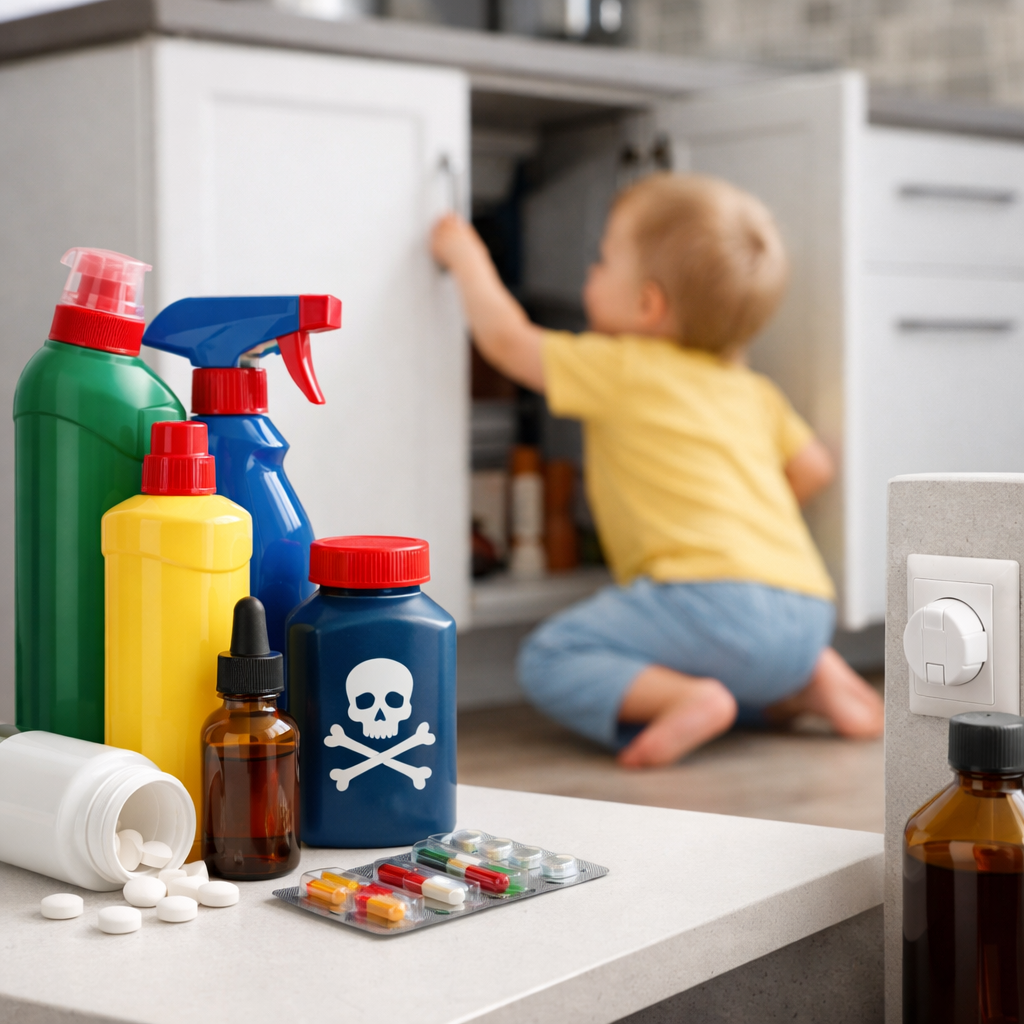
Some spaces deserve extra attention because products are used often and put away quickly. The kitchen and bathroom are common problem areas, but garages, laundry rooms, workshops, and entryways also create risk.
| Area | Common poison risks | Safer control measure |
|---|---|---|
| Kitchen | Cleaners, dishwasher pods, vitamins | Lock upper cabinets and clear counters after use |
| Bathroom | Medicines, mouthwash, cosmetics | Use a locked medicine box and keep products off sinks |
| Laundry room | Detergent pods, stain removers | Store all products in original packaging on high shelves |
| Garage/workshop | Fuel, solvents, pesticides, automotive fluids | Restrict access and keep products in locked storage |
| Bags and bedrooms | Pills, vape liquids, hand sanitizer, batteries | Check purses, backpacks, and nightstands daily |
Supervision habits that support child poison prevention
Active supervision during use is critical
Many poisoning events happen while a product is in use, not only when it is stored. During cleaning, repairs, medication times, or school preparation, children may be nearby and curious. Active supervision means keeping products in your hands, within sight, and returned to safe storage immediately after use.
This matters during interruptions. A phone call, doorbell, or sibling conflict can leave a toxic product unattended on a counter for just long enough to create a serious risk. Child poison prevention is strongest when adults expect interruptions and build cleanup into the task before walking away.
Watch for visiting children and mixed-age settings
Homes are often arranged for the children who live there, but visiting grandchildren, classmates, neighbours, or younger cousins may face different risks. A teenager’s acne treatment, energy products, nicotine items, or supplements may not seem dangerous to older youth, yet they can be hazardous to smaller children.
Schools, daycares, and family businesses should also think about shared spaces. Staff rooms, custodial closets, classroom art supplies, and maintenance products need controlled access. If young workers help with cleaning, stocking, or maintenance tasks, they should follow site procedures, manufacturer instructions, and local workplace guidance. For broader safety learning, families and workplaces may find practical information at OHSE.ca and training resources at learn.ohse.ca.
Medication, batteries, and small-item risks
Make medicine safety part of child poison prevention
Medicines deserve special attention because children may see them being used regularly and assume they are harmless. Never call medicine candy, even to encourage a child to take a dose. Keep all prescriptions, over-the-counter products, herbal items, and vitamins in secure storage immediately after each use.
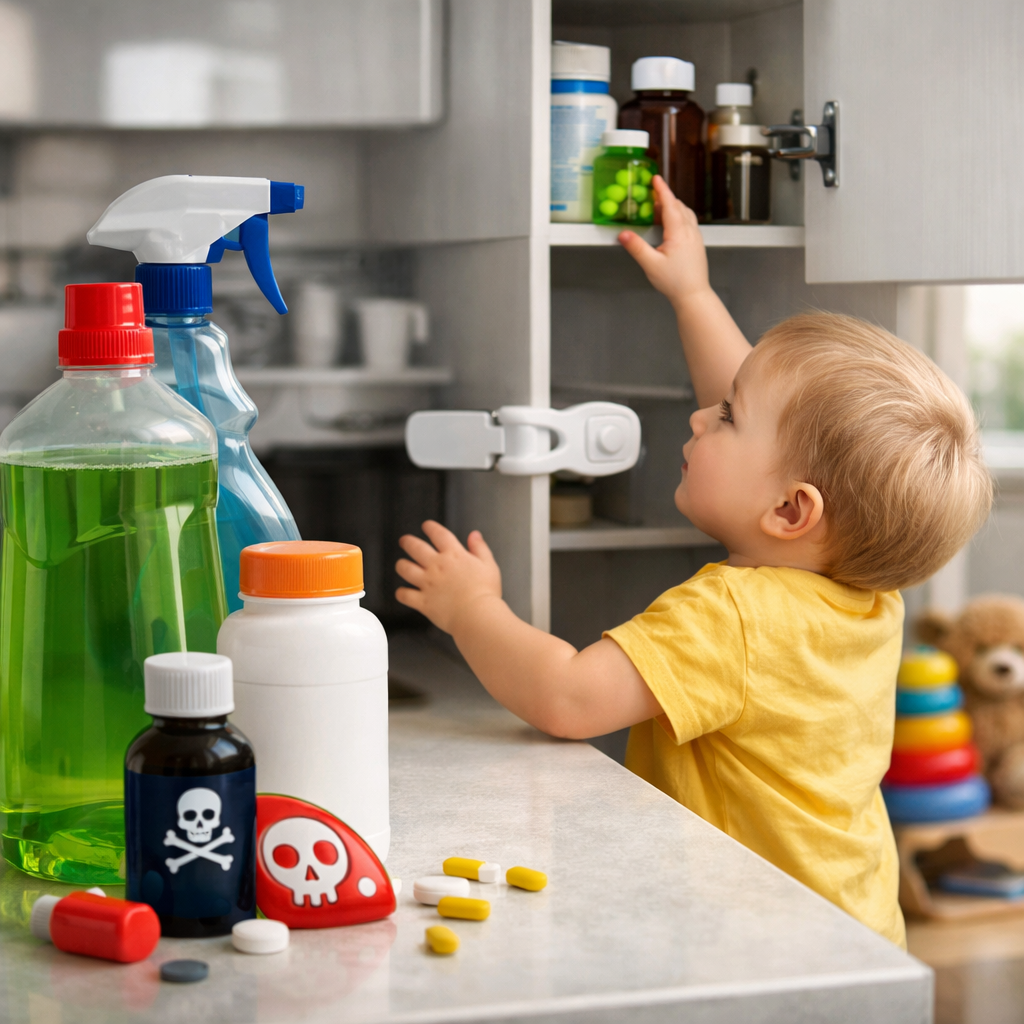
Use dosing devices that come with the product when provided, and avoid leaving medications on counters, bedside tables, or in daily pill organizers where children can reach them. Guests should also keep purses, coats, and travel bags containing medications out of reach and sight.
Button batteries and similar small hazards
Button batteries can be found in key fobs, remote controls, musical greeting cards, scales, flameless candles, and small electronics. These items may not look like poisoning hazards, but they can create severe internal injury if swallowed. Child poison prevention includes checking battery compartments, securing loose batteries, and storing replacement batteries in locked spaces.
The same caution applies to dishwasher pods, vape cartridges, concentrated cleaners, and personal care products with strong scents or bright packaging. If a product looks interesting to a child, assume it needs a higher level of control.
A practical child poison prevention checklist for families
A short checklist can help turn good intentions into routine action. Review these points at home, in shared custody arrangements, and before family gatherings or travel.
- Store medicines, cleaners, and chemicals high up and locked away.
- Keep products in original containers with readable labels.
- Put items away immediately after every use.
- Check purses, backpacks, lunch bags, and nightstands for hazards.
- Secure button batteries, vape products, and detergent pods.
- Dispose of expired or unneeded products safely according to local guidance.
- Teach children that only trusted adults may give food, drinks, or medicine.
- Follow school, workplace, manufacturer, and emergency guidance where applicable.
It also helps to walk through your home from a child’s eye level. Look under sinks, beside beds, near pet supplies, and in low drawers. Simple changes made today can prevent dangerous mistakes tomorrow.
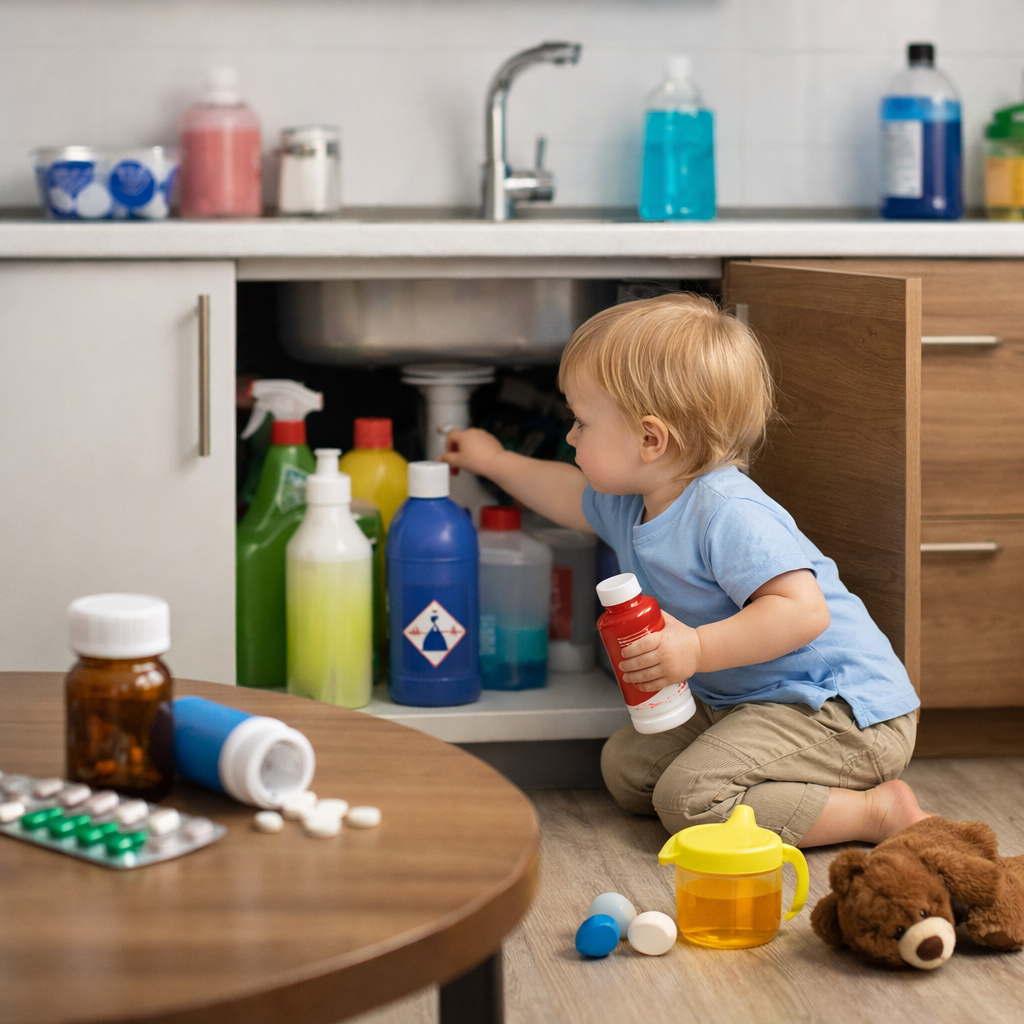
Child poison prevention is most effective when storage, supervision, and routine checks work together. By limiting access, keeping hazardous products in their original containers, and staying alert during everyday tasks, families can create safer homes and reduce preventable risks. Whether you are a parent, student, educator, or young worker, child poison prevention is a practical part of everyday safety planning in Canada.