 Skip to content

Choosing the Best Winter Wears: A Practical OHSE Guide for Workers : Choosing the Best Winter Wears is not just about comfort—it is a matter of health, safety, and survival for workers who spend long hours in cold environments.
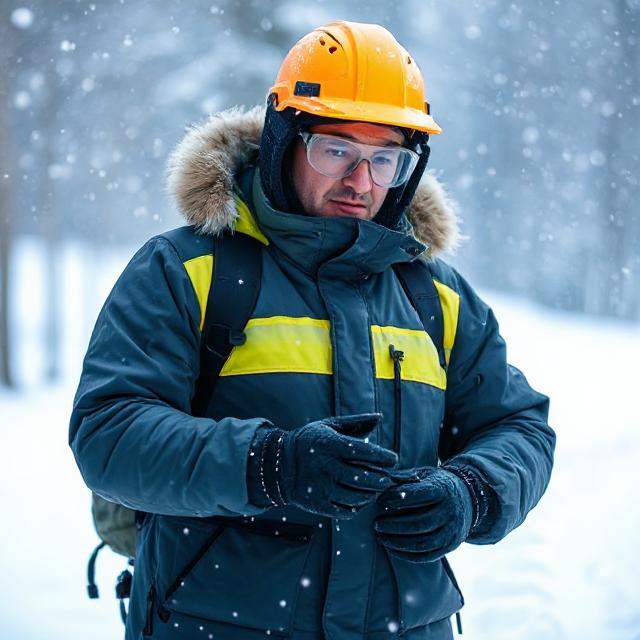
Whether in construction, transportation, mining, or forestry, winter clothing plays a critical role in preventing cold stress, frostbite, and hypothermia.
Occupational Health, Safety, and Environment (OHSE) guidelines emphasize that proper winter wear reduces risks, boosts productivity, and ensures workers remain alert and capable.
- Why Winter Wears Matter in OHSE
- Essential Features When Choosing the Best Winter Wears
- OHSE Table: Choosing the Best Winter Wears by Category
- OHSE Regulations and Employer Responsibilities
- Practical Tips for Workers
- Common Mistakes When Choosing Winter Wears
- Note on Extreme Environments
- Quiz: How Well Do You Know Winter Wears?
- Conclusion: Choosing the Best Winter Wears Saves Lives
Why Winter Wears Matter in OHSE
Cold-related injuries are a serious occupational hazard. When the body loses heat faster than it can produce it, workers are at risk of reduced dexterity, fatigue, and impaired decision-making—factors that often lead to accidents.
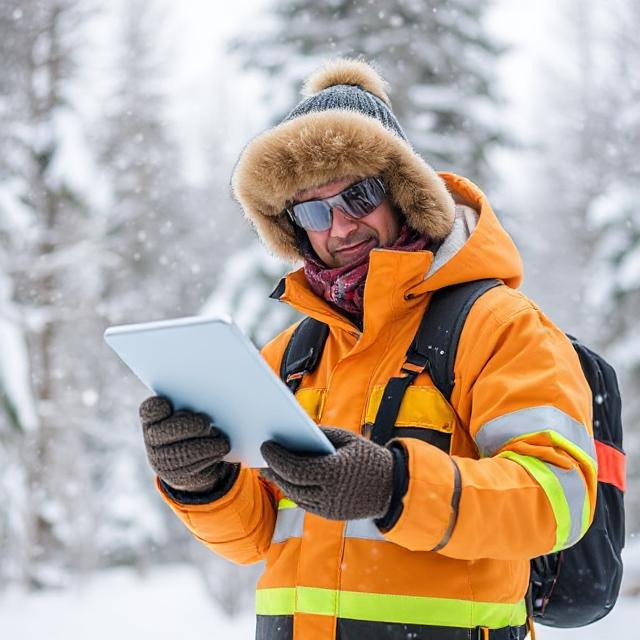
Studies show that exposure to cold can be as dangerous as heat stress, and safety authorities like CCOHS stress the importance of selecting the correct winter wear for each job type.
Some key OHSE reasons for proper winter clothing include:
- Prevention of cold stress disorders such as hypothermia and frostbite.
- Protection from windchill and moisture, which accelerate body heat loss.
- Improved mobility and visibility on worksites.
- Compliance with workplace safety policies and PPE standards.
Essential Features When Choosing the Best Winter Wears

When selecting winter gear, workers and employers should consider more than warmth. Durability, insulation type, layering flexibility, and visibility are equally important. Below are the essential categories of winter wear.
Jackets and Outer Layers
Choosing the Best Winter Wears starts with jackets. Look for:
- Waterproof and windproof fabrics (e.g., Gore-Tex, polyurethane-coated nylon).
- Insulation options like down or synthetic fill depending on job conditions.
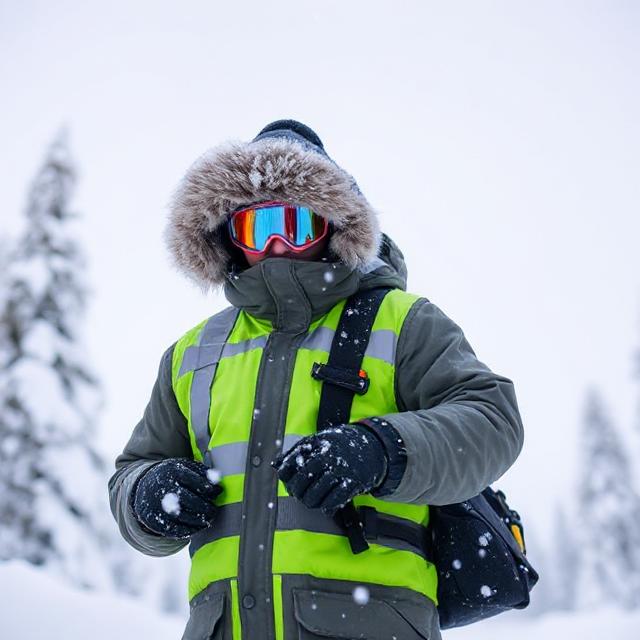
- High-visibility reflective strips for outdoor and roadside workers.
Thermal Layers and Base Clothing
Layering is the golden rule of OHSE winter protection:
- Base layers (merino wool or synthetic blends) wick moisture away.
- Mid-layers (fleece or insulated vests) trap heat.
- Outer layers shield against wind, snow, and rain.
Gloves and Hand Protection
Workers handling tools or equipment need insulated yet flexible gloves. Key features:
- Waterproofing to keep hands dry.
- Thermal insulation with breathable liners.
- Grip-enhancing surfaces to prevent tool slippage.
Winter Safety Boots
Footwear is crucial in preventing frostbite and slips:
- CSA-approved insulated boots rated for extreme temperatures.
- Non-slip, oil-resistant soles for icy or wet surfaces.
- Removable liners for quick drying between shifts.
Head and Face Protection
Up to 40% of body heat is lost through the head and face:
- Insulated hard hat liners compatible with helmets.
- Balaclavas or thermal face masks for wind protection.
- Anti-fog safety goggles to maintain visibility.
OHSE Table: Choosing the Best Winter Wears by Category
| Winter Wear Item | Key Features | OHSE Safety Benefit |
|---|---|---|
| Jacket/Outerwear | Waterproof, windproof, insulated, hi-vis | Protects against cold stress and improves visibility |
| Thermal Layers | Moisture-wicking, breathable, heat-retaining | Maintains core warmth without overheating |
| Gloves | Waterproof, insulated, grip-enhanced | Prevents frostbite and maintains safe tool handling |
| Safety Boots | Insulated, CSA-approved, slip-resistant | Prevents slips, trips, and cold injuries |
| Head/Face Gear | Thermal liners, balaclavas, goggles | Reduces heat loss, protects skin and vision |
OHSE Regulations and Employer Responsibilities
Employers have a legal and ethical responsibility to provide or mandate appropriate PPE, including winter wear. According to WorkSafeBC, employers must assess risks, ensure workers are trained in cold exposure hazards, and supply protective equipment when necessary.
Internal policies should include:
- Cold exposure risk assessments before winter season.
- Provision of high-quality winter PPE for employees.
- Training on layering techniques and cold stress recognition.
- Monitoring of work-rest cycles to reduce prolonged exposure.
Practical Tips for Workers
While employers provide guidance, workers must take responsibility for wearing gear correctly. Here are practical OHSE tips:
- Dress in layers rather than one bulky garment.
- Keep clothing dry; moisture reduces insulation efficiency.
- Change out of damp socks immediately.
- Avoid tight clothing, which restricts blood flow and increases cold injury risks.
- Stay visible—choose winter wears with reflective features when working near traffic or machinery.
Common Mistakes When Choosing Winter Wears
Even well-intentioned workers often make mistakes, such as:
- Wearing cotton as a base layer (it traps moisture).
- Choosing fashion-oriented jackets without safety compliance.
- Ignoring the need for proper boot traction.
- Underestimating windchill and relying on “warm enough” clothing.
Correcting these mistakes ensures compliance with OHSE principles and significantly reduces workplace risks.
Note on Extreme Environments
In industries such as oil and gas or mining in northern climates, choosing the best winter wears may include electrically heated jackets and gloves. These advanced options provide consistent warmth but must be carefully assessed for fire and electrical safety compliance.
Quiz: How Well Do You Know Winter Wears?
- What’s the most important feature of a base layer?
- A) Thickness
- B) Moisture-wicking ability
- C) Bright color
- Which material should be avoided for base layers?
- A) Wool
- B) Cotton
- C) Polyester
- True or False: Insulated boots without slip-resistant soles are acceptable in icy workplaces.
(Answers: 1-B, 2-B, 3-False)
Conclusion: Choosing the Best Winter Wears Saves Lives
Choosing the Best Winter Wears is more than just selecting a coat—it’s a comprehensive safety strategy. From jackets and gloves to boots and thermal layers, every piece plays a role in preventing cold stress, maintaining productivity, and ensuring OHSE compliance.
Employers must lead with proper training and PPE provision, while workers must take responsibility for using winter wears correctly.
By investing in high-quality, compliant winter gear, workplaces can protect their greatest asset—their people. Remember: Choosing the Best Winter Wears keeps workers safe, warm, and ready for the job.
No comments yet