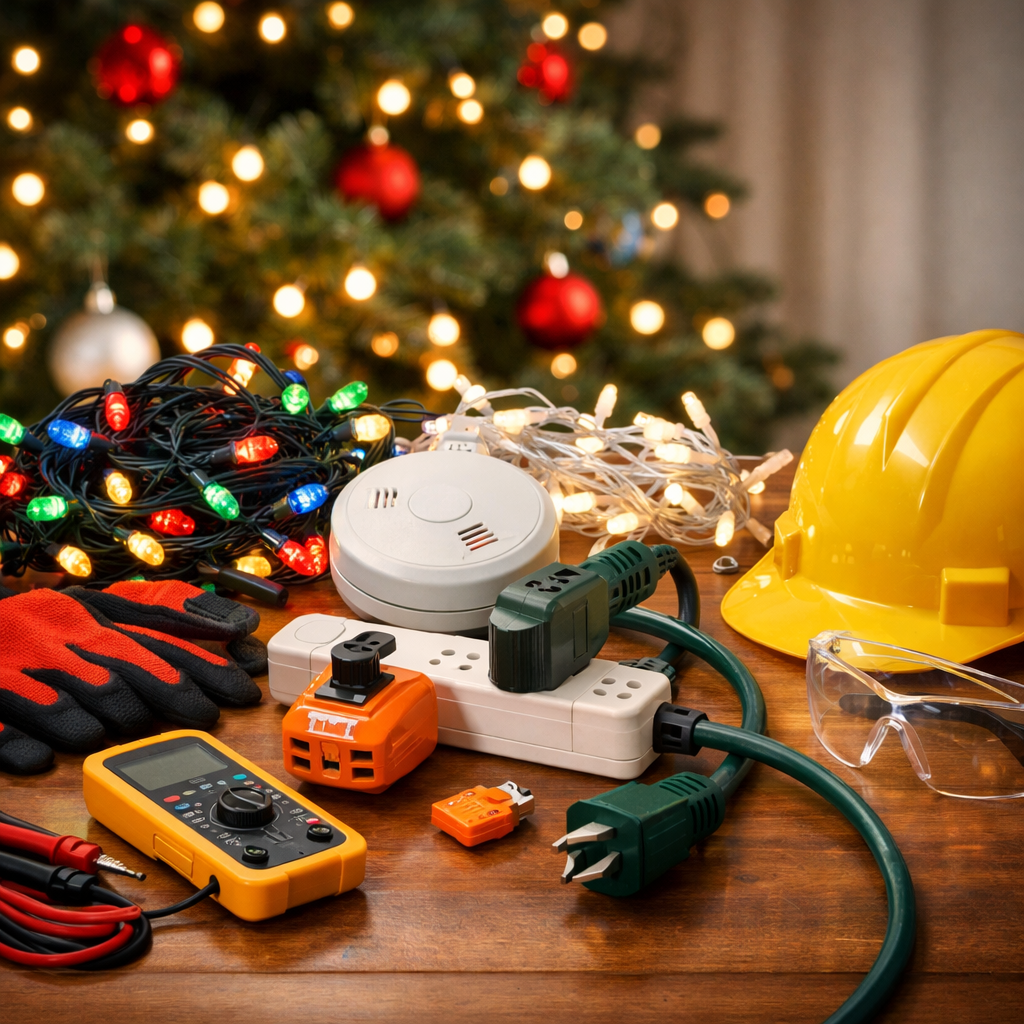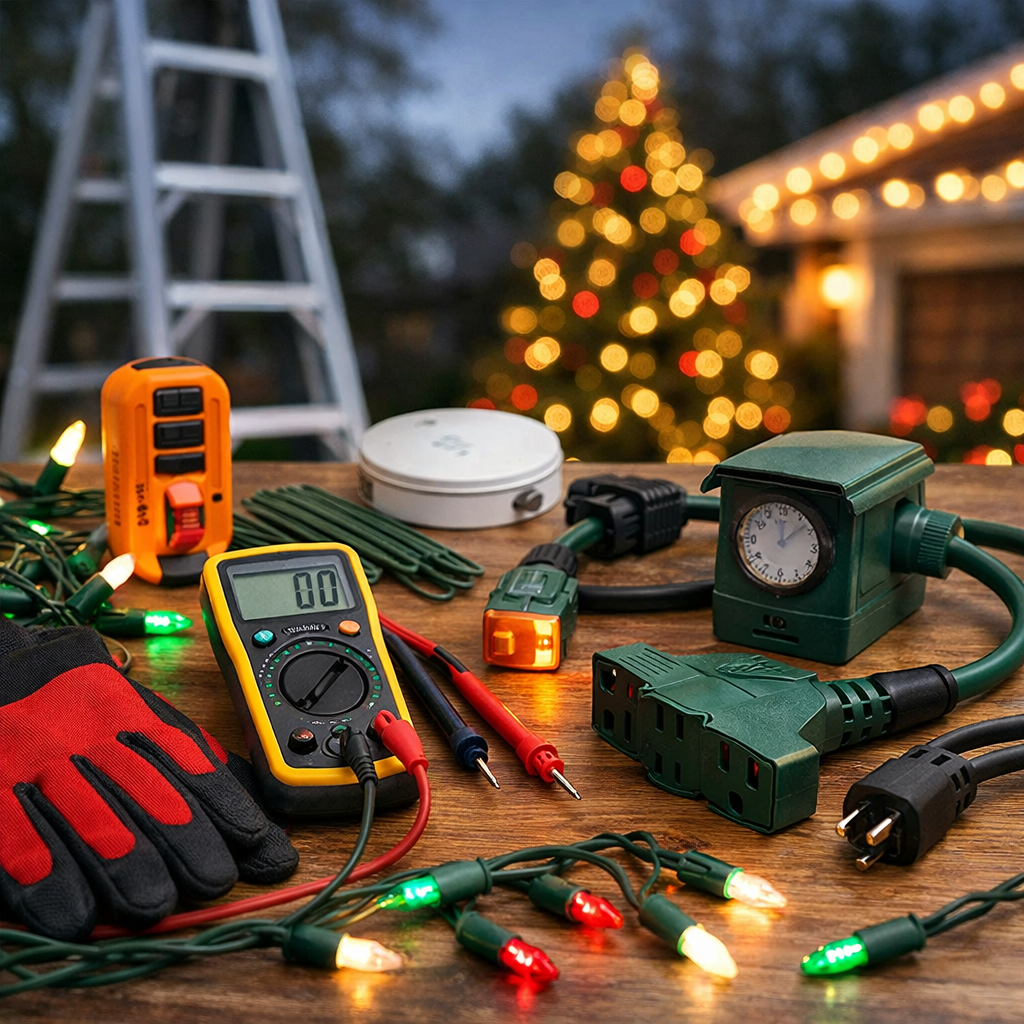


Christmas light safety should be part of every family’s holiday routine, whether you are decorating a house, a classroom, a residence hall, or a small workplace. Festive lights can make a space feel warm and welcoming, but damaged cords, overloaded outlets, and poor outdoor setup can quickly create shock, burn, and fire hazards.
For Canadian families, students, and young workers, the safest approach is simple: inspect lights before use, follow the manufacturer’s instructions, keep electrical equipment dry, and avoid improvised fixes. A few careful checks before plugging in your decorations can prevent injuries and property damage while keeping the season enjoyable.
If you are building safer habits at home, school, or work, practical seasonal guidance from OHSE.ca and broader health and safety resources such as CCOHS can help support informed decisions. Where decorating is part of a job or school activity, always follow local site rules, supervisor direction, and emergency procedures.
Why Christmas light safety matters at home, school, and work
Holiday decorations may seem low risk, but electrical incidents often start with ordinary mistakes. Common problems include frayed cords, loose bulbs, indoor lights used outdoors, extension cords running under rugs, and too many strands connected together.
In Ontario and across Canada, seasonal decorating may happen in homes, apartment buildings, schools, childcare spaces, retail settings, and community events. That means Christmas light safety is not just a home issue. It also affects custodial staff, teachers, volunteers, maintenance teams, and young workers who may be asked to help with setup or takedown.
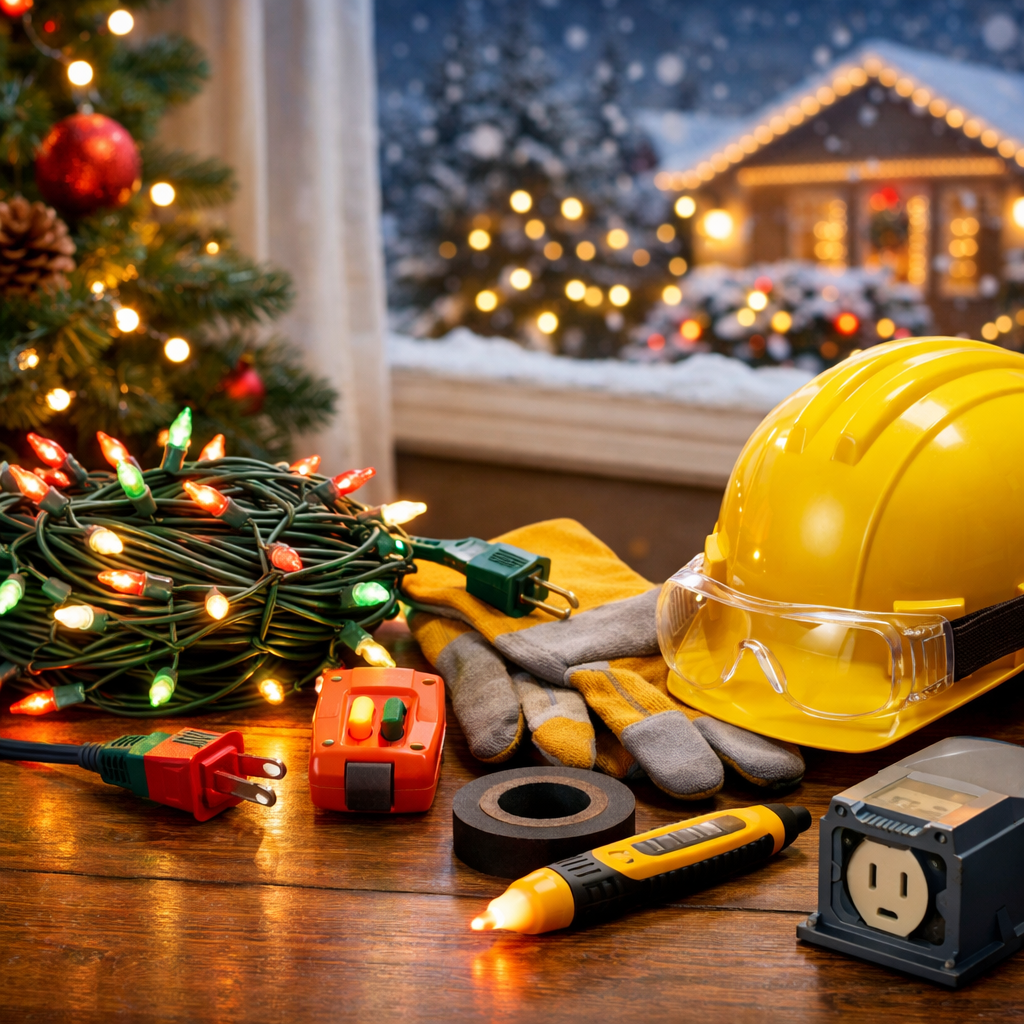
Using a prevention-focused approach works best. If a light set looks damaged, replace it instead of repairing it with tape. If an outlet feels warm, stop using it and have the issue checked by a qualified person. If decorations require climbing, wet-weather work, or electrical changes, those tasks need extra caution and appropriate supervision.
Common holiday electrical hazards
- Cracked, pinched, or exposed wires
- Broken sockets or loose bulb connections
- Overloaded power bars or wall outlets
- Indoor-rated lights used outside
- Cords placed in doorways, under carpets, or across walkways
- Lights installed near water, snow, slush, or metal railings without proper protection
- Leaving lights on unattended or overnight when not designed for that use
Christmas light safety checks before you plug anything in
A short inspection before decorating is one of the most effective controls. Check each light string carefully in good lighting. Look for cut insulation, scorch marks, bent plugs, missing bulbs, and signs the cord has been stretched or crushed during storage.
Choose certified products and use them only as intended. Indoor lights should stay indoors, and outdoor lights should be clearly rated for exterior conditions. Manufacturer instructions matter because they explain strand limits, bulb type, fuse use, and whether the set is suitable for trees, windows, railings, or rooflines.
Smart setup habits for families
- Test each string before installation
- Replace damaged sets instead of patching them
- Use the correct replacement bulbs and fuses
- Keep plugs fully inserted and protected from moisture
- Use extension cords rated for the location and load
- Turn lights off before leaving home or going to sleep unless the product instructions specifically allow otherwise
Young children should not be left to handle electrical decorations on their own. Teens and students helping with setup should be shown how to inspect cords, how to keep hands dry, and why they should never force a plug into an outlet. If the job includes ladders, roof edges, or exterior outlets, adult supervision is essential.
For broader household electrical and seasonal safety information, families can review trusted public resources from Health Canada and provincial guidance through Ontario.ca. In schools or workplaces, decoration plans should also fit local policies and existing health and safety procedures.
Indoor and outdoor Christmas light safety tips
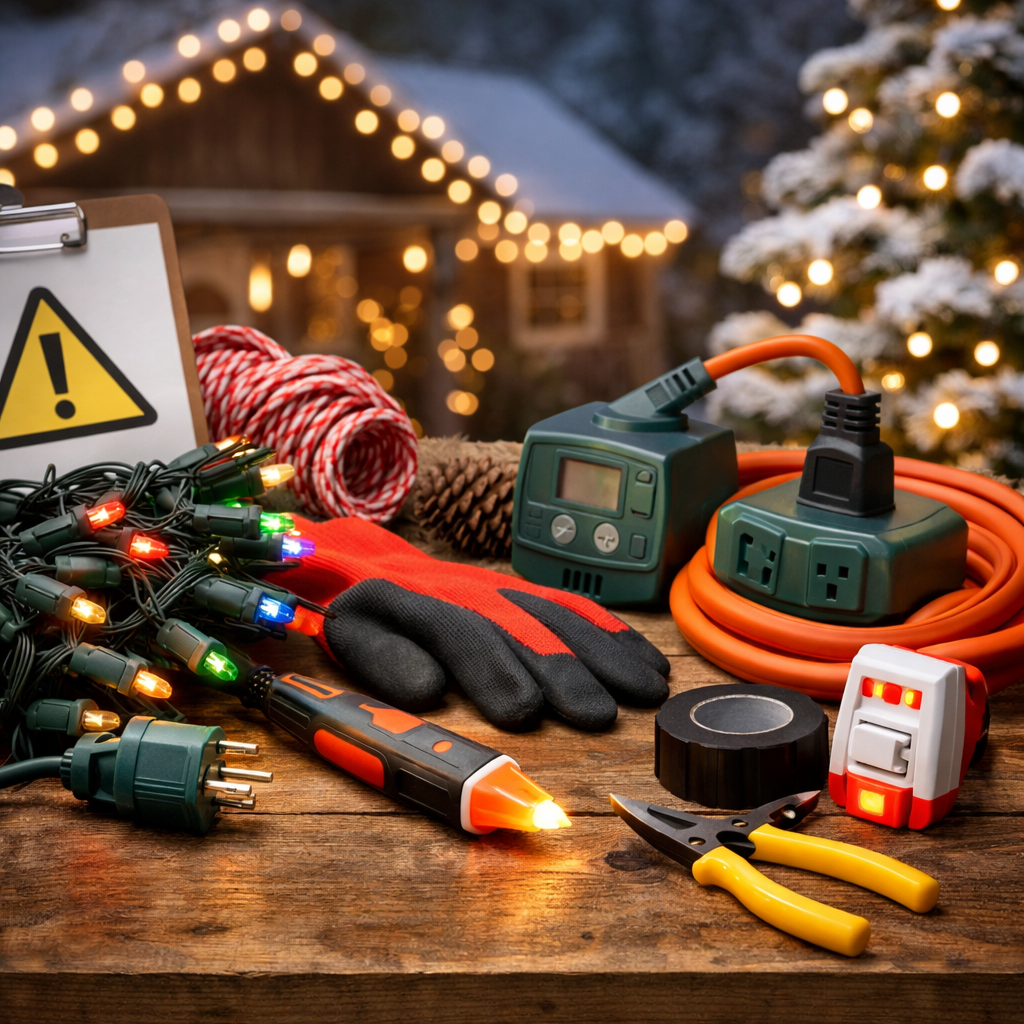
Indoor decorating often creates hidden risks because cords are tucked behind furniture, run under mats, or bundled tightly to reach a distant outlet. Keep cords visible and away from heated surfaces, sharp edges, and areas where people walk. Avoid using nails or staples that can pierce insulation. Use clips or fasteners designed for light strings where appropriate.
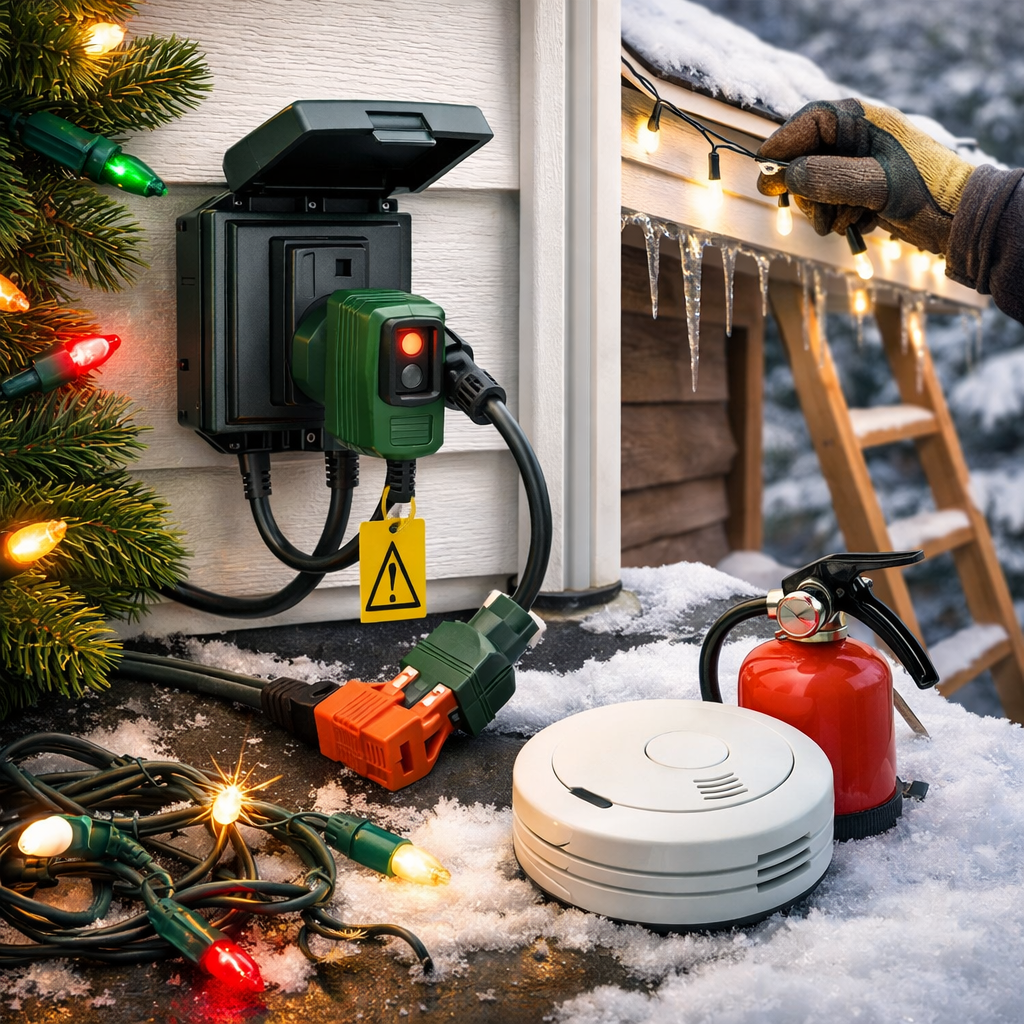
Outdoor decorating adds weather, slip hazards, and access risks. Water and electricity are a dangerous mix, so keep connections elevated and protected from puddles, melting snow, and slush. Make sure exterior receptacles and extension cords are suitable for outdoor use. If lights flicker during wet conditions or after a snowfall, disconnect power and inspect before using them again.
Christmas light safety for ladders and exterior decorating
Many injuries happen during installation rather than from the lights themselves. Use a stable ladder on firm ground, maintain three points of contact, and never overreach. If you cannot safely reach an area, choose a lower-risk decoration plan instead. This reflects the hierarchy of controls: eliminate the hazard where possible, substitute safer methods, and use proper equipment rather than relying on balance or speed.
For schools, condos, and workplaces, larger decorating tasks may require formal planning. That can include restricting access during setup, assigning trained workers, and avoiding energized work while mounting displays. Where young workers or volunteers are involved, supervisors should provide clear instructions and stop work if weather or site conditions change.
| Situation | Safer choice | Avoid |
|---|---|---|
| Indoor tree lighting | Use indoor-rated light strings and inspect daily | Using damaged cords or hot-running lights on dry branches |
| Outdoor roofline display | Use outdoor-rated lights, proper clips, and dry connections | Stapling cords or working in icy conditions |
| Extension cord use | Match the cord to the environment and electrical load | Daisy-chaining multiple cords or hiding them under rugs |
| Power management | Follow strand and outlet limits from product instructions | Overloading one outlet or power bar |
Prevention, supervision, and a practical Christmas light safety checklist
The best holiday safety plans are easy to follow. Families do not need complicated systems, but they do need consistency. A quick check each evening, careful supervision of children, and prompt replacement of faulty lights can reduce risk significantly.
For students and young workers helping decorate at school, in retail, or at community events, the same basic rules apply: inspect first, report hazards, and do not take shortcuts. If a task involves electrical uncertainty, damaged outlets, tripped breakers, or water exposure, stop and ask a qualified person for help. Training can support safer habits, and organizations looking to improve awareness may find practical learning resources at learn.ohse.ca.
Short actionable checklist
- Inspect every light string before use
- Use indoor or outdoor products only in their intended location
- Replace damaged cords, plugs, bulbs, or sockets
- Do not overload outlets, adapters, or extension cords
- Keep electrical connections dry and off the ground outdoors
- Secure cords away from walkways, rugs, and doors
- Supervise children and guide teens during setup
- Turn lights off when unattended unless product instructions state otherwise
- Follow school, workplace, manufacturer, and local emergency guidance
Christmas light safety is really about simple decisions made early: choosing the right products, checking for damage, managing cords properly, and knowing when a decorating task is no longer worth the risk. With a calm, practical approach, families, students, schools, and workplaces can enjoy festive lighting while reducing the chance of shock, fire, falls, and other preventable incidents.