


- Cleaning Chemical Safety in Kitchens: Essential OHSE Practices for Safer Food Workspaces
- Why Cleaning Chemical Safety in Kitchens Matters
- Risks and Hazards Associated With Cleaning Chemicals
- Prevention and Control Measures for Cleaning Chemical Safety in Kitchens
- PPE, Training, and Compliance Responsibilities
Cleaning Chemical Safety in Kitchens: Essential OHSE Practices for Safer Food Workspaces

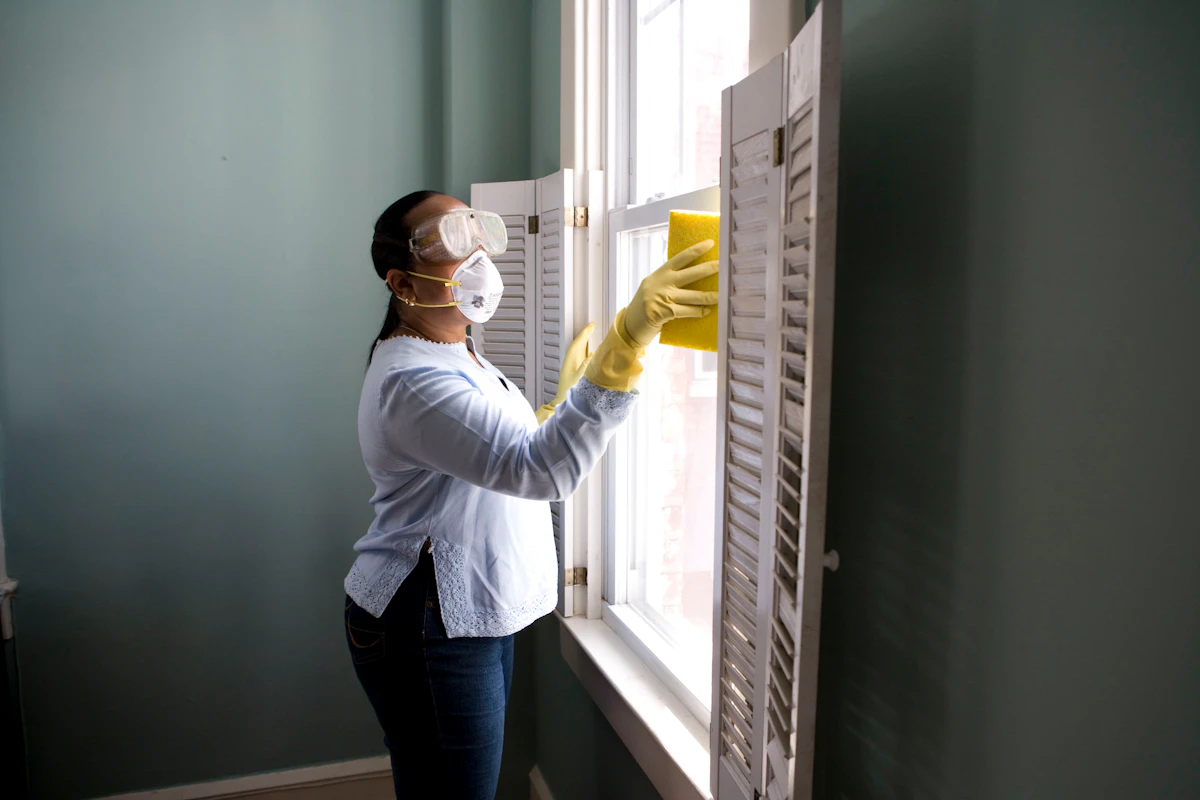
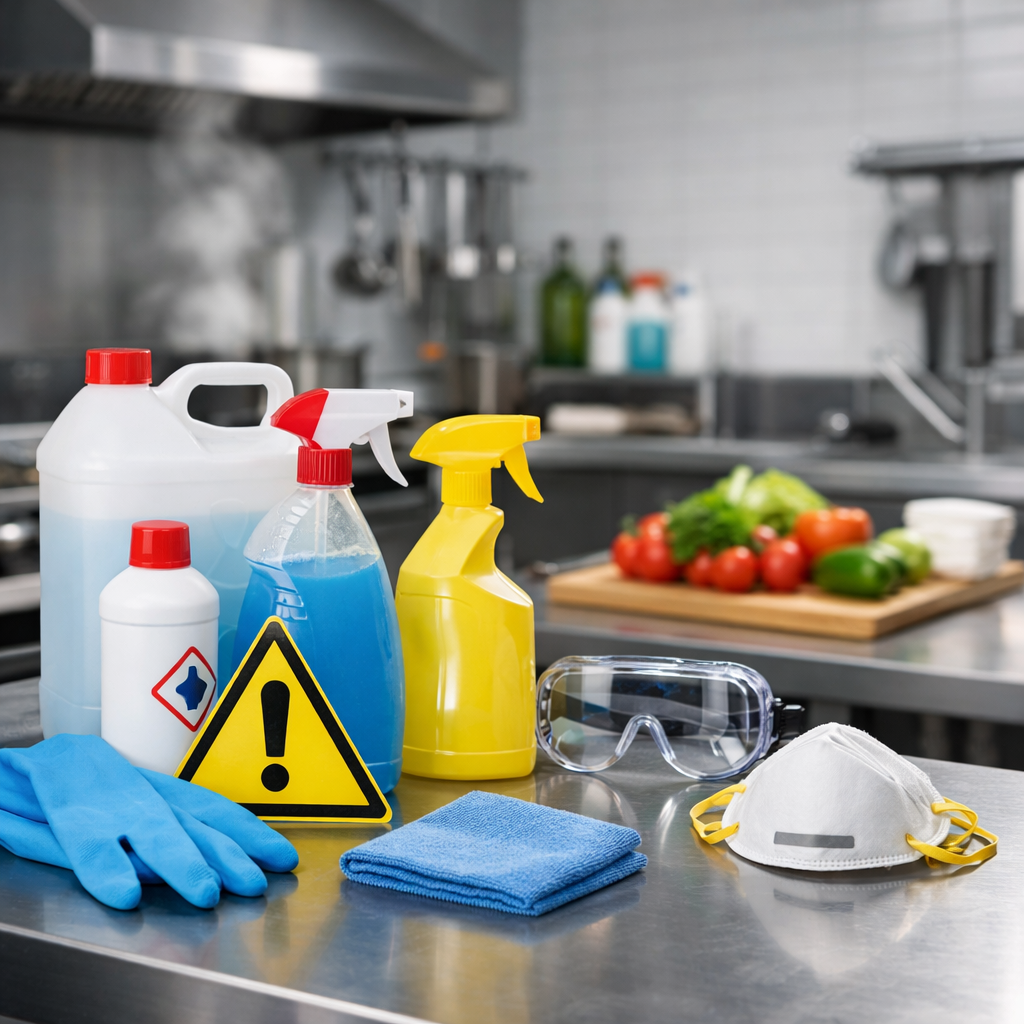
Cleaning chemical safety in kitchens is a critical part of occupational health, safety, and environmental practice in restaurants, cafes, catering facilities, school canteens, and home-style commercial kitchens.
From degreasers and disinfectants to descalers and oven cleaners, these products help maintain hygiene standards, but they can also cause serious harm if they are stored, mixed, handled, or disposed of incorrectly.
Kitchen workers often use chemicals in fast-paced environments where heat, moisture, sharp tools, and food preparation all happen at once. That combination increases the risk of spills, splashes, inhalation exposure, burns, contamination, and unsafe reactions.
A strong approach to cleaning chemical safety in kitchens protects workers, supports food safety, reduces downtime, and helps businesses meet OHSE and regulatory obligations.
This article explains the main risks, practical control measures, personal protective equipment, compliance expectations, and real workplace examples that can help create a safer kitchen.
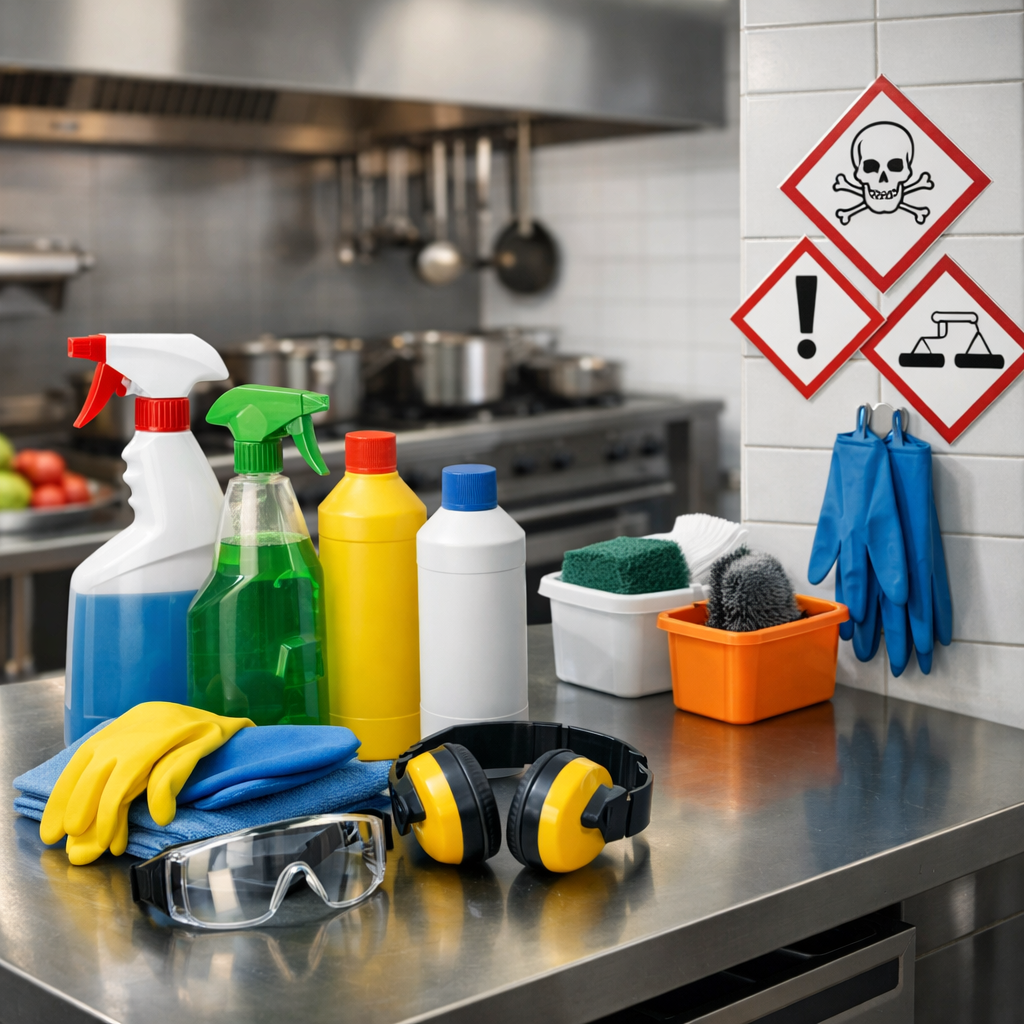
Why Cleaning Chemical Safety in Kitchens Matters
Kitchens rely on chemical cleaning products to control grease, bacteria, mold, and scale.
However, many of these substances are hazardous. Some are corrosive, some release irritating vapors, and others become dangerous when mixed with incompatible products.
Common kitchen chemicals include:
- Degreasers for floors, hoods, and cooktops
- Sanitizers and disinfectants for food-contact and high-touch surfaces
- Dishwashing chemicals for manual and automatic systems
- Oven and grill cleaners with strong alkaline ingredients
- Descalers for coffee machines, kettles, and dishwashers
- Glass and stainless-steel cleaners
- Drain cleaners and bleach-based products
Without proper controls, exposure can lead to skin irritation, chemical burns, eye injuries, breathing problems, headaches, and nausea.
In severe cases, workers may suffer long-term respiratory issues or require emergency medical treatment.
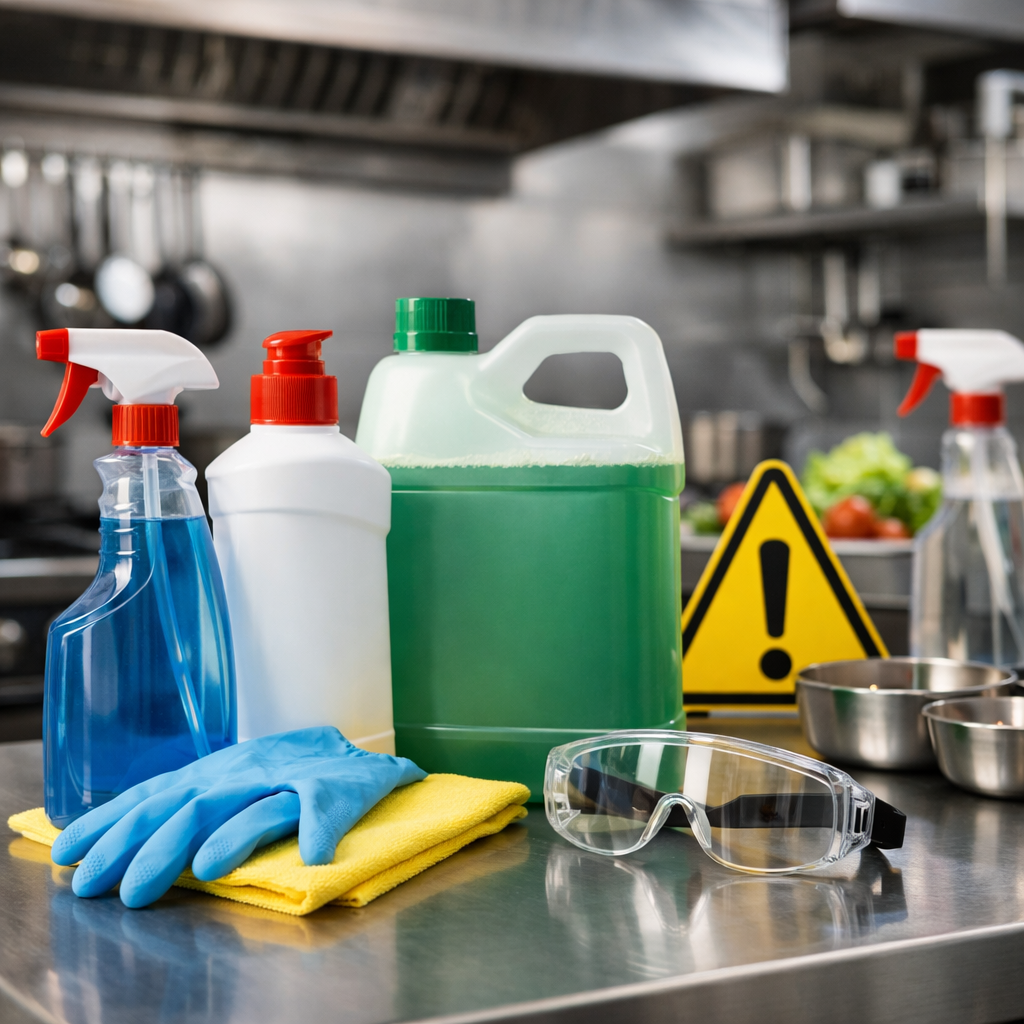
There is also a food safety concern. Poor cleaning chemical safety in kitchens can result in cross-contamination if chemicals are sprayed near ingredients, transferred into food containers, or left on surfaces without proper rinsing.
Businesses that ignore these risks may face staff injury claims, failed inspections, damaged equipment, and reputational loss.
Risks and Hazards Associated With Cleaning Chemicals
Exposure Risks in Daily Kitchen Tasks
The most common chemical hazards in kitchens occur during routine cleaning at the end of service, deep-cleaning programs, dishwashing, and spill response.
Workers may be exposed through skin contact, eye splashes, inhalation of fumes, or accidental ingestion from contaminated hands or cups.
Examples of everyday hazards include:
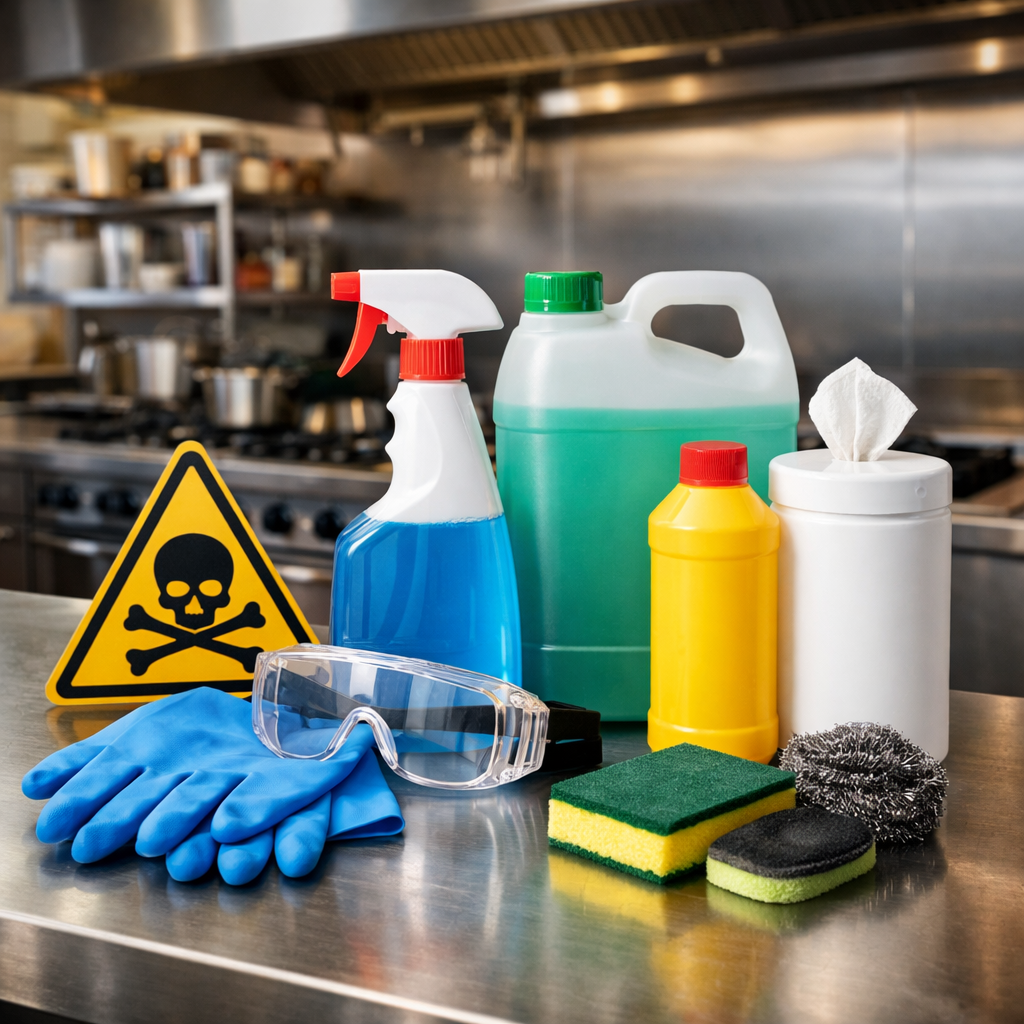
- Spraying sanitizer above shoulder height and getting mist in the eyes
- Using oven cleaner in a poorly ventilated area
- Mixing bleach with acidic descaler and generating toxic gas
- Refilling unlabelled bottles from bulk containers
- Storing chemicals beside food packaging or dry goods
- Handling concentrated dishwashing chemicals without gloves
Slips can also become part of the risk picture. If a chemical leaks onto tiled flooring, the hazard is not just chemical exposure but also a fall, especially during busy shifts.
High-Risk Products and Incompatible Mixing
Some chemicals deserve special attention because they are more reactive or corrosive than general-purpose cleaners.
Bleach, ammonia-based cleaners, strong alkalis, and acids must never be mixed unless the manufacturer specifically states they are compatible.
For example, bleach mixed with acids can release chlorine gas, while bleach and ammonia can produce chloramine vapors.
These reactions can happen quickly and in confined kitchen areas, making evacuation and first aid more difficult.
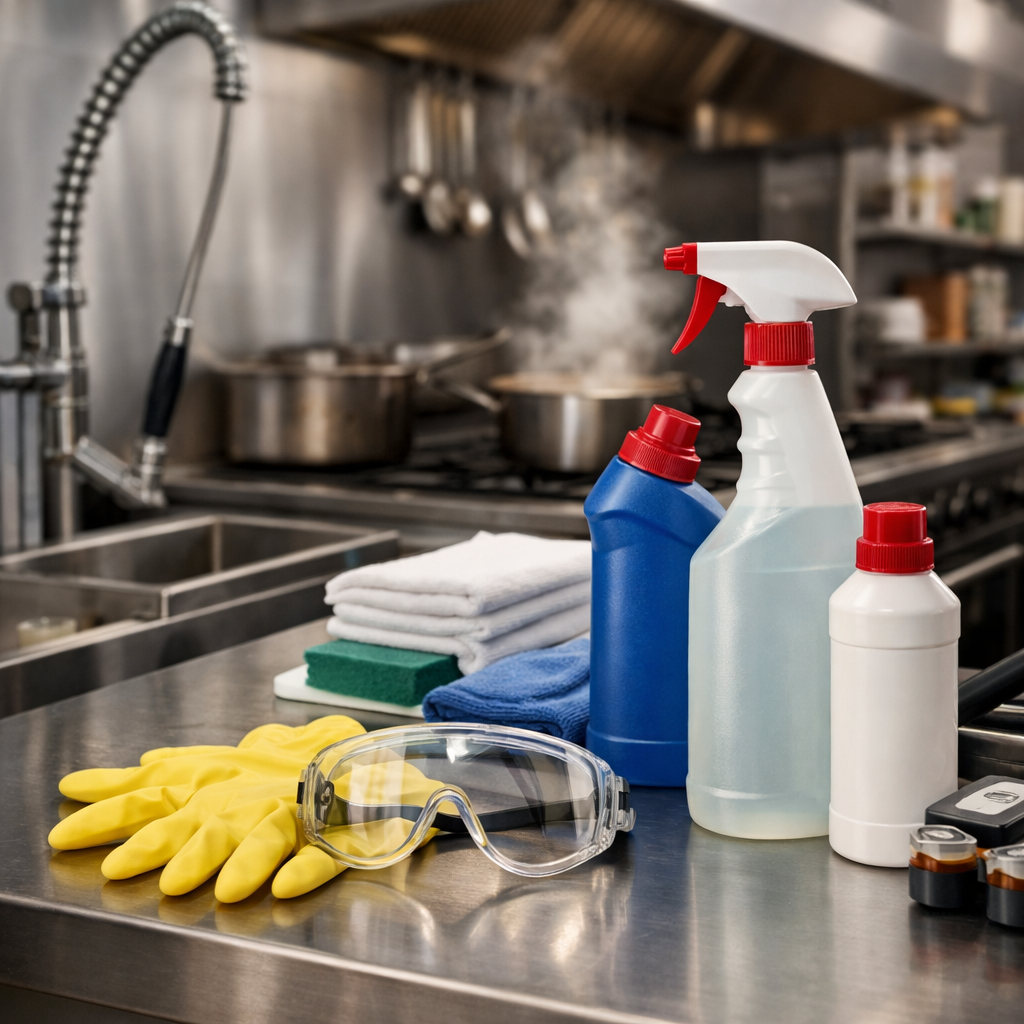
Reliable guidance from OSHA and CCOHS emphasizes hazard communication, training, and access to safety data sheets as core control measures.
Prevention and Control Measures for Cleaning Chemical Safety in Kitchens
Apply the Hierarchy of Controls
The best way to improve cleaning chemical safety in kitchens is to use the Hierarchy of Controls rather than relying only on PPE.
This means controlling hazards at the source where possible.
| Control Level | Kitchen Example | Safety Benefit |
|---|---|---|
| Elimination | Stop using unnecessary harsh products | Removes the hazard entirely |
| Substitution | Choose less corrosive or ready-to-use cleaners | Reduces exposure severity |
| Engineering Controls | Improve ventilation and install dosing systems | Lowers fumes and splash risks |
| Administrative Controls | Training, labels, cleaning schedules, SDS access | Improves safe work practices |
| PPE | Gloves, goggles, aprons, non-slip shoes | Provides last-line personal protection |
Substitution is especially useful in small kitchens.
For instance, changing from a highly concentrated corrosive cleaner to a pre-diluted product can significantly reduce handling risks.
Safe Storage, Labelling, and Handling
Prevention starts with basic chemical management.
All products should remain in original containers wherever possible, with clear labels that identify contents, hazards, and first aid instructions.
If a product must be decanted, the secondary container should be labelled immediately.
Chemicals should be stored away from food, utensils, and food-contact surfaces in a designated area with good ventilation and restricted access.
Incompatible substances must be separated. Staff should also know which products require dilution and the exact ratio to use.
Automatic dispensing systems are a practical control because they reduce manual pouring and help avoid over-concentration.
For more guidance on managing workplace substances, a business may also refer staff to its workplace safety training resources and internal hazard communication policy.
Cleaning Procedures and Practical Examples
Written procedures make a major difference.
A safe kitchen cleaning process should explain what chemical to use, how much to use, what PPE is required, whether rinsing is needed, and what to do in an emergency.
Consider a practical example in a restaurant at closing time. A worker is assigned to clean the grill, mop the floor, and sanitize prep benches.
If the worker uses one bucket for multiple chemicals, leaves the sanitizer bottle unlabelled, and skips gloves because the job will “only take a minute,” several OHSE failures are already in play.
A safer system would provide separate labelled products, task-specific instructions, chemical-resistant gloves, splash protection, and enough time to complete the work without rushing.
Another example is a café using descaler on a coffee machine before opening.
If the product is not fully rinsed through the system, it may affect both worker safety and customer health.
This shows why cleaning chemical safety in kitchens must align with food safety procedures, not sit apart from them.
PPE, Training, and Compliance Responsibilities
Choosing the Right PPE
PPE should match the chemical and the task.
Disposable gloves may be enough for low-risk wiping tasks, but concentrated oven cleaner or drain cleaner may require chemical-resistant gloves, goggles, face protection, and an apron.
Non-slip footwear is also important because kitchen cleaning often creates wet and slippery surfaces.
Basic PPE for kitchen chemical tasks may include:
- Chemical-resistant gloves appropriate to the product
- Safety goggles or face shields for splash risk
- Aprons or protective clothing
- Non-slip enclosed footwear
- Respiratory protection only where risk assessment supports it and other controls are insufficient
PPE must be maintained, available in the right sizes, and replaced when damaged.
Workers should also be trained on how to remove contaminated PPE safely to avoid secondary exposure.
Training, SDS, and Emergency Preparedness
Training is one of the strongest administrative controls for cleaning chemical safety in kitchens.
Every worker should understand the hazards of the products they use, how to read labels, where to find safety data sheets, and what actions to take if something goes wrong.
An effective program covers:
- Hazard recognition and chemical symbols
- Safe dilution and mixing rules
- First aid for skin, eye, or inhalation exposure
- Spill cleanup procedures
- Storage and disposal requirements
- Reporting of incidents, near misses, and faulty containers
SDS access should be quick and practical, whether in a clearly marked folder or a digital system available on-site.
Emergency eyewash access, first aid supplies, and incident reporting processes should also be part of the kitchen setup.
The FDA food safety guidance can also support operations where chemical use intersects with sanitation and food-contact surface requirements.
Compliance and Workplace Responsibility
Employers have a duty to provide a safe workplace, safe systems of work, information, training, and appropriate supervision.
Supervisors must enforce procedures, while workers are responsible for following instructions, using PPE correctly, and reporting hazards promptly.
Compliance requirements vary by region, but most jurisdictions expect risk assessment, chemical inventory control, SDS availability, proper labelling, and documented training.
Regular inspections help identify gaps such as expired products, leaking containers, blocked ventilation, or staff bypassing procedures during busy periods.
Audits should review both safety and food hygiene impacts because chemical misuse can breach both OHSE and public health standards.
In conclusion, cleaning chemical safety in kitchens is not just about keeping a workplace clean. It is about preventing injury, protecting food, meeting compliance duties, and building reliable daily habits in one of the busiest environments in any workplace.
When businesses combine safer product selection, proper storage, clear procedures, suitable PPE, and ongoing training, they create kitchens that are cleaner, healthier, and safer for everyone who works in them.