

Workplace machinery is indispensable in industries like manufacturing, construction, and agriculture. While machines enhance productivity and efficiency, they also present inherent risks. Without proper safety measures, machine-related accidents can result in severe injuries, fatalities, and operational disruptions.

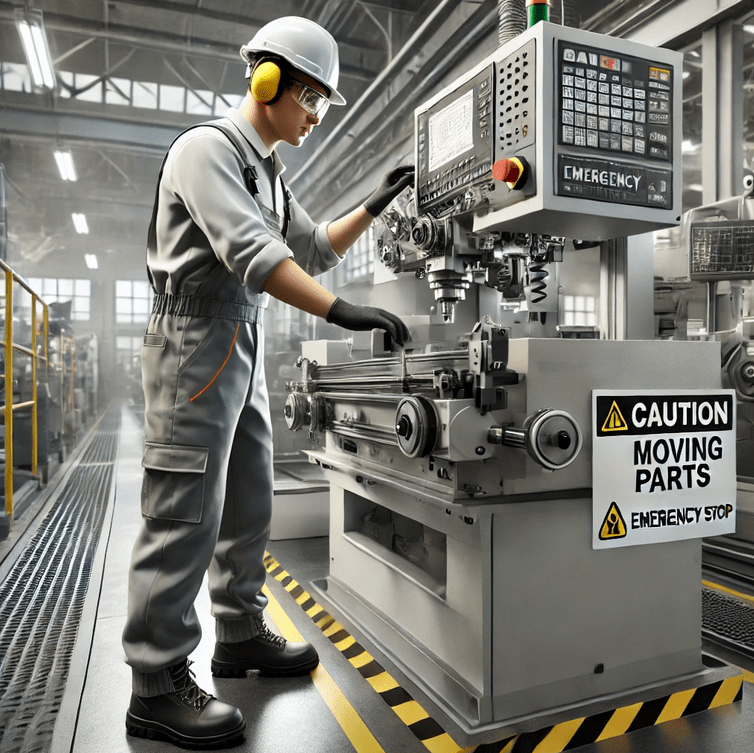
This article provides a detailed guide on machine safety, covering common hazards, regulatory standards, preventive measures, and best practices.
- 1. Importance of Machine Safety
- 2. Common Machine-Related Hazards
- 3. Regulatory Standards for Machine Safety
- 4. Machine Safeguarding Techniques
- 5. Preventive Measures for Machine Safety
- 6. Emergency Response and Incident Management
- 7. Best Practices for Machine Safety
- 8. Case Study: Machine Safety Implementation
- 9. Conclusion
1. Importance of Machine Safety
A. The Impact of Machine-Related Accidents
- Human Cost: Machine-related accidents often lead to injuries such as amputations, fractures, or even fatalities.
- Financial Cost: Accidents result in medical expenses, equipment damage, and lost productivity.
- Legal Implications: Non-compliance with safety regulations can result in fines and legal liabilities.
B. Benefits of Machine Safety
- Protects employees from harm.
- Enhances productivity by reducing downtime due to accidents.
- Improves employee morale by fostering a safe work environment.
2. Common Machine-Related Hazards
| Hazard Type | Description | Example |
|---|---|---|
| Mechanical Hazards | Moving parts can cause crushing, cutting, or entanglement. | Conveyor belts, rotating blades. |
| Electrical Hazards | Faulty wiring or lack of grounding can lead to electric shocks or fires. | Damaged power cords. |
| Thermal Hazards | Hot surfaces or materials can cause burns or heat-related injuries. | Metal presses, welding equipment. |
| Noise Hazards | Prolonged exposure to high noise levels can damage hearing. | Industrial saws, compressors. |
| Control Hazards | Unintended machine activation can result in unexpected movements or accidents. | Malfunctioning control systems. |
3. Regulatory Standards for Machine Safety
Compliance with regulatory standards ensures a baseline level of safety in workplaces. Key regulations include:
A. OSHA Machine Guarding Standards (USA)
- 29 CFR 1910 Subpart O: Requires the use of machine guards to protect operators from hazards.
- 29 CFR 1910.147: Covers lockout/tagout (LOTO) procedures to control hazardous energy.
B. ISO 12100: Safety of Machinery
- Provides guidelines for designing safe machinery and identifying hazards.
C. CSA Z432: Safeguarding of Machinery (Canada)
- Sets standards for machine safeguarding and hazard controls.
4. Machine Safeguarding Techniques
| Safeguarding Method | Description | Application |
|---|---|---|
| Fixed Guards | Permanent barriers that prevent access to moving parts. | Gears, belts, and pulleys. |
| Interlocked Guards | Automatically stop the machine when the guard is opened. | Robotic arms, industrial cutters. |
| Adjustable Guards | Can be adjusted to accommodate different tasks or materials. | Drill presses, saws. |
| Presence-Sensing Devices | Detect the presence of a person near hazardous areas and stop the machine. | Laser sensors, light curtains. |
5. Preventive Measures for Machine Safety
A. Conduct Risk Assessments
- Identify Hazards: Evaluate each machine for potential risks.
- Analyze Risks: Determine the likelihood and severity of potential accidents.
- Implement Controls: Use appropriate safeguards and engineering controls.
B. Training and Education
- Train employees on the proper operation of machinery.
- Provide refresher courses to ensure continued awareness of safety practices.
- Educate workers on recognizing hazards and using personal protective equipment (PPE).
C. Maintenance and Inspection
- Perform regular maintenance to prevent malfunctions.
- Inspect machine guards and safety devices for wear and tear.
- Use a maintenance log to document and track repairs.
D. Implement Lockout/Tagout (LOTO) Procedures
- De-energize machines before maintenance or servicing.
- Use locks and tags to ensure the machine cannot be activated unintentionally.
- Train employees on proper LOTO protocols.
6. Emergency Response and Incident Management
A. Preparing for Emergencies
- Install emergency stop buttons on all machines.
- Clearly label emergency exits and pathways.
- Provide first aid kits and train employees in basic first aid.
B. Responding to Machine-Related Incidents
- Shut Down the Machine: Use emergency stop mechanisms.
- Provide First Aid: Administer medical attention to injured workers.
- Report the Incident: Document the event and notify relevant authorities.
C. Post-Incident Analysis
- Investigate the root cause of the accident.
- Revise safety protocols to prevent recurrence.
- Provide additional training if necessary.
7. Best Practices for Machine Safety
A. Create a Machine Safety Policy
- Outline roles and responsibilities for machine operators, maintenance personnel, and supervisors.
- Establish clear procedures for reporting and addressing safety concerns.
B. Use Advanced Technologies
- Incorporate IoT sensors to monitor machine performance and detect anomalies.
- Use predictive maintenance software to identify potential issues before they become hazards.
C. Foster a Safety Culture
- Encourage employees to report hazards without fear of retaliation.
- Reward workers for following safety protocols and contributing to a safe environment.
8. Case Study: Machine Safety Implementation
Scenario:
A manufacturing facility experienced frequent minor injuries due to inadequate machine guarding on its conveyor belts.
Actions Taken:
- Installed fixed guards on all conveyor belts.
- Conducted risk assessments and updated safety protocols.
- Trained workers on the proper use of guards and PPE.
Results:
- Injury rates dropped by 75% within six months.
- Employee satisfaction improved due to increased safety.
9. Conclusion
Machine safety is a shared responsibility that requires commitment from employers, employees, and regulatory bodies. By identifying hazards, implementing safeguards, and fostering a culture of safety, organizations can significantly reduce the risk of machine-related accidents.
In the fast-paced world of modern industry, prioritizing machine safety is not just a legal obligation—it’s a moral imperative to protect the workforce and ensure operational success.