


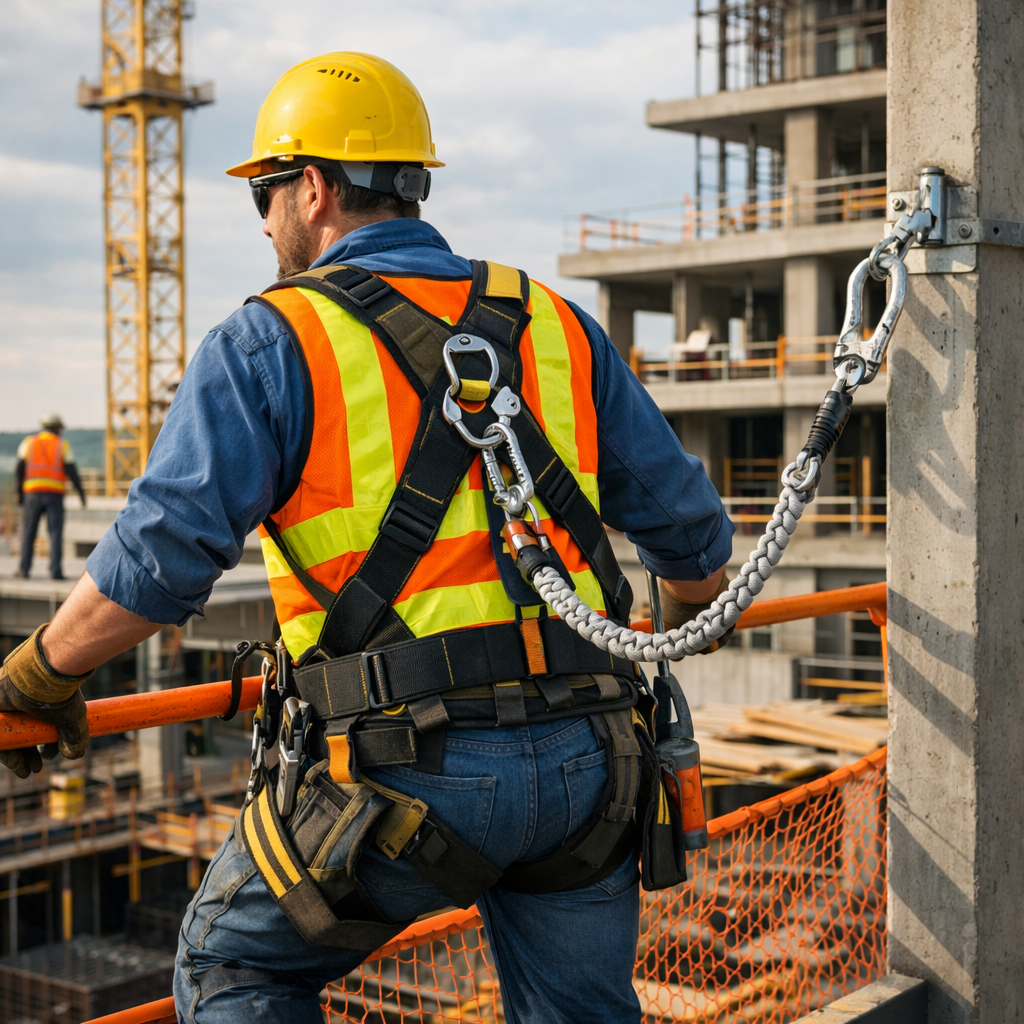


Construction site fall protection is one of the most important parts of occupational health, safety, and environmental management because falls remain a leading hazard wherever people work at height. On active projects, workers may move between ladders, scaffolds, roofs, steel frames, floor openings, and unfinished edges, often while carrying tools or materials, which increases the chance of a serious incident.
Strong planning, proper equipment, site supervision, and worker training all help reduce exposure. Effective construction site fall protection is not just about wearing a harness. It includes identifying hazards before work starts, selecting the right controls for the task, and making sure those controls remain in place as the site changes day by day.
- Why construction site fall protection matters on every project
- Using the hierarchy of controls for construction site fall protection
- Key prevention methods, equipment, and site practices
- Compliance standards and real-world workplace examples
- Actionable safety tips to strengthen construction site fall protection
Why construction site fall protection matters on every project
Construction environments change quickly. A safe access route in the morning can become hazardous by afternoon if materials are moved, weather shifts, or new openings are created. Because of that, construction site fall protection must be built into pre-task planning, permit systems, and daily inspections.
Common fall hazards include unprotected edges, improperly erected scaffolds, unstable ladders, roof work, fragile surfaces, floor penetrations, and formwork. Slips and trips can also contribute to falls, especially when debris, cords, mud, or poor lighting are present. Even relatively short falls can cause severe injuries, particularly when a worker lands on rebar, equipment, or uneven ground.
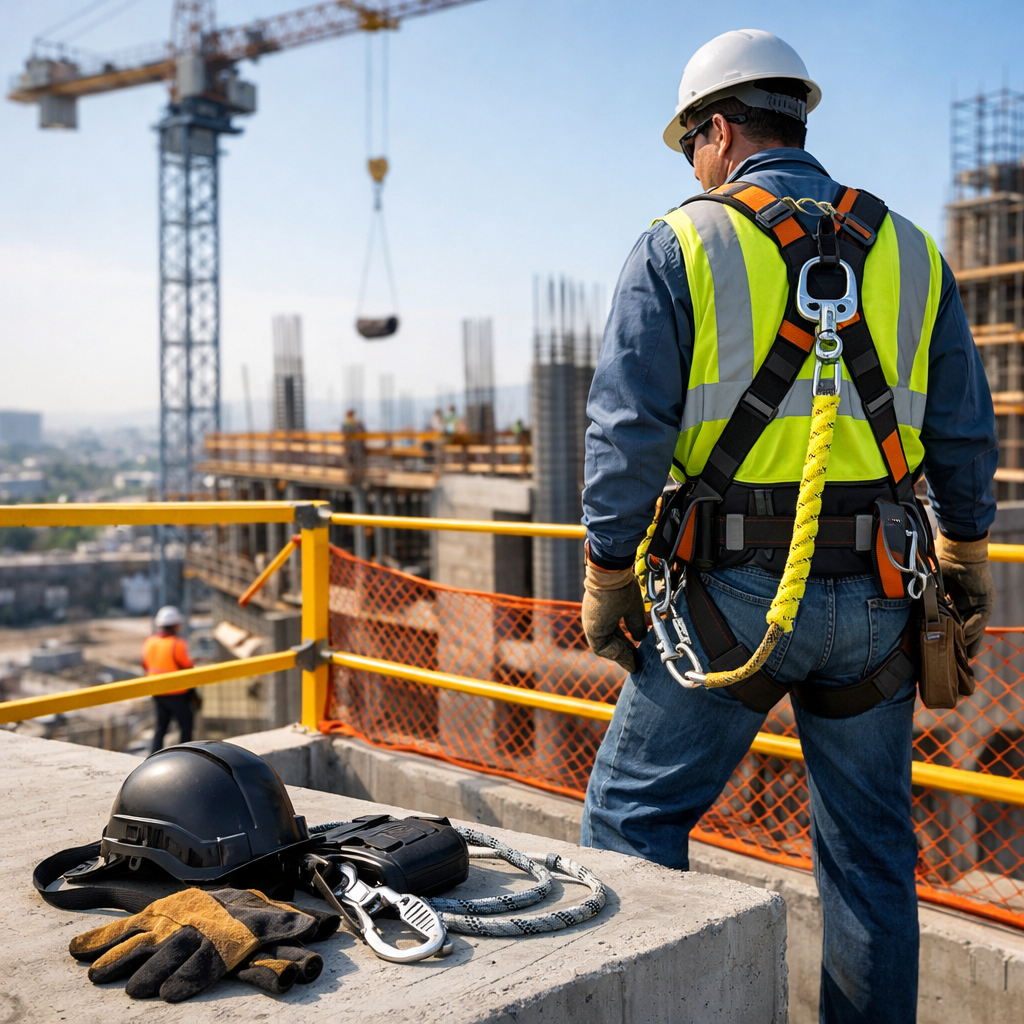
Typical high-risk situations
- Working near leading edges without guardrails
- Climbing ladders while carrying tools by hand
- Installing roofing, decking, or structural steel
- Accessing elevated work platforms without following procedures
- Removing covers from floor openings and not replacing them
- Working in windy or wet conditions that affect balance and footing
These hazards show why construction site fall protection must be treated as a system, not a single item of personal protective equipment. A site may have harnesses available, but if anchor points are unsuitable or rescue planning is missing, the level of protection is still inadequate.
Using the hierarchy of controls for construction site fall protection
The most effective approach is to apply the hierarchy of controls. This means first trying to remove the hazard or reduce exposure before relying on workers to stop a fall after it begins. In practical terms, that may involve changing the work method, prefabricating components at ground level, or installing temporary edge protection before crews start elevated tasks.
Control methods in order of effectiveness
Elimination: Design or sequence the work so tasks can be completed at ground level whenever possible. For example, assembling sections of guardrail or ducting on the ground before lifting them into place reduces time spent exposed at height.
Substitution: Use safer equipment or methods, such as mobile elevating work platforms instead of improvised access arrangements, where appropriate for the task and conditions.
Engineering controls: Install guardrails, covers over floor openings, toe boards, debris netting, and properly designed scaffolds. These measures protect multiple workers at once and do not depend entirely on individual behavior.
Administrative controls: Use safe work procedures, signage, inspections, exclusion zones, competency checks, and supervision. Toolbox talks and pre-start meetings are useful when tasks or conditions change.
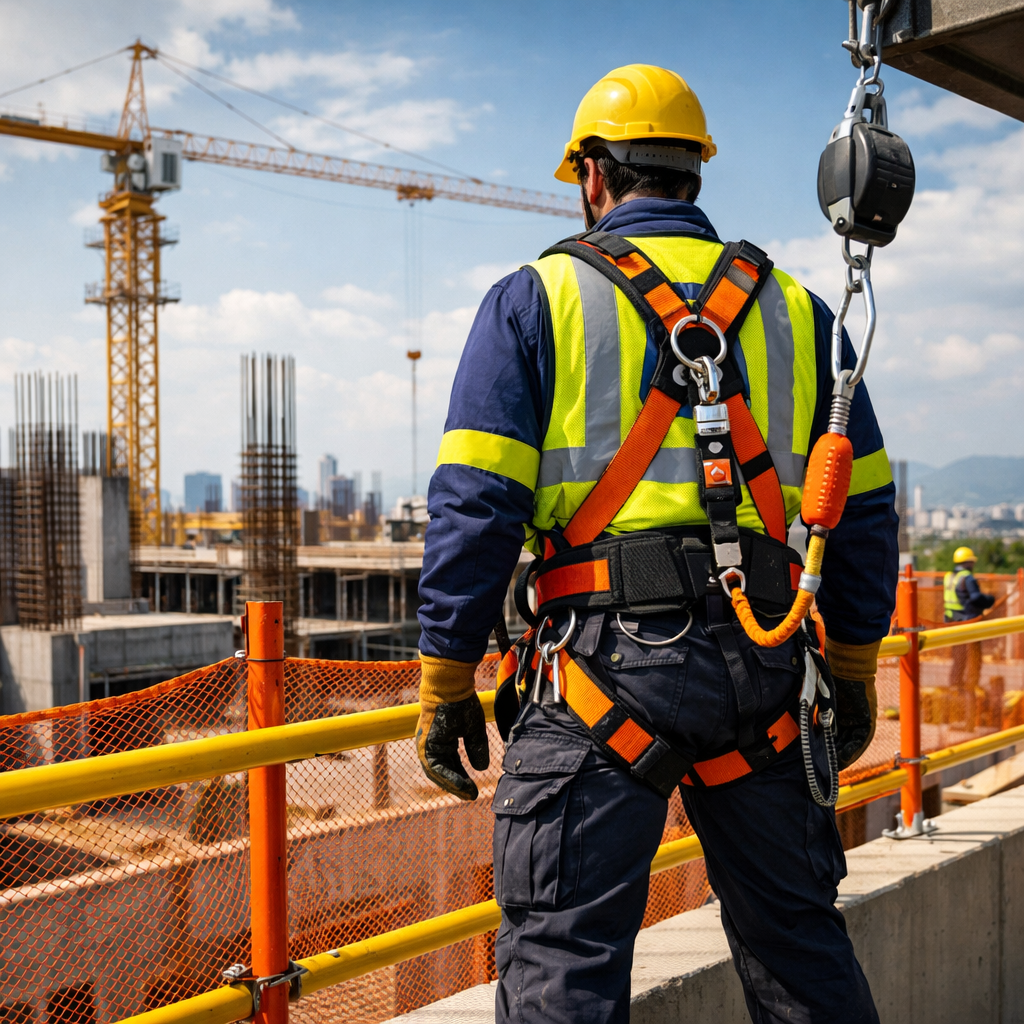
Personal protective equipment: Harnesses, lanyards, lifelines, and connectors are important, but they are the last layer, not the first. PPE must fit the worker, match the hazard, and be inspected before use.
Guidance from organizations such as OSHA and CCOHS supports this structured approach. Many contractors also strengthen performance by integrating work-at-height rules into their broader safety management system and construction site inspection checklist.
Key prevention methods, equipment, and site practices
Effective construction site fall protection combines physical safeguards with disciplined work practices. Before work starts, supervisors should confirm where fall exposures exist, what protection is required, who is authorized to perform the work, and how emergency response will be handled if something goes wrong.
Core prevention measures
- Guardrails and edge protection: Install around open sides, shafts, stairwells, and temporary platforms.
- Hole covers: Secure and clearly identify covers for floor openings so they cannot shift or be mistaken for walking surfaces without warning.
- Safe scaffolding: Ensure scaffolds are erected, altered, and inspected by competent persons, with proper access and stable foundations.
- Ladder safety: Select the right ladder for the task, maintain three points of contact, and avoid overreaching.
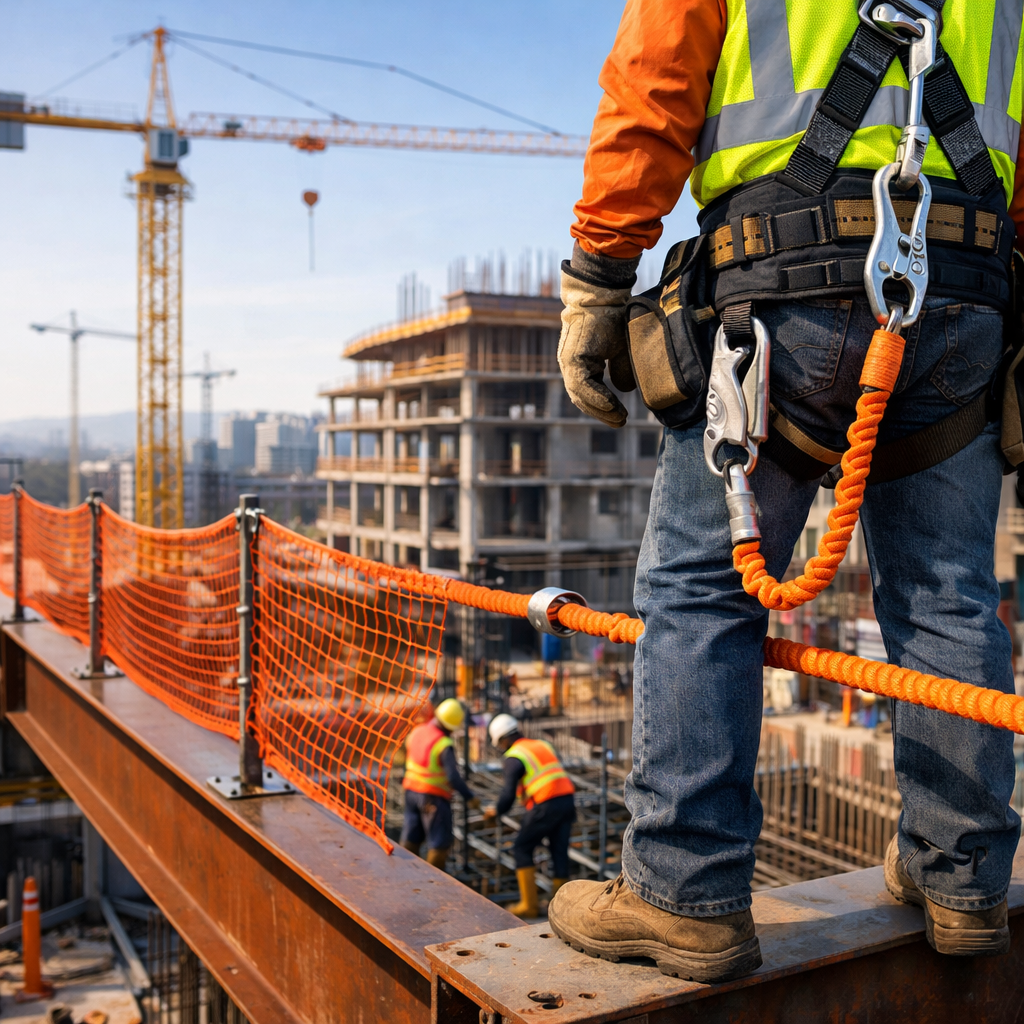
- Fall arrest systems: Use only where anchor strength, clearance distance, swing-fall risk, and rescue capability have been assessed.
- Housekeeping: Keep walking and working surfaces clear of waste, loose materials, and trip hazards.
- Weather controls: Stop or modify elevated work during strong wind, rain, ice, or poor visibility.
Training is another key control. Workers should understand hazard recognition, equipment limitations, inspection requirements, and emergency procedures. Supervisors should also know when to stop work, especially if a crew begins improvising access or bypassing protection to save time.
| Hazard | Example on Site | Preferred Control |
|---|---|---|
| Leading edge | Open floor perimeter during framing | Guardrails or temporary edge protection |
| Floor opening | Uncovered service penetration | Secured cover with clear marking |
| Roof work | Installation near unprotected roof edge | Restraint system or guardrail |
| Scaffold fall | Missing platform section or access issue | Competent erection, inspection, and full decking |
| Ladder fall | Overreaching during electrical installation | Correct ladder use or alternate access equipment |
Compliance standards and real-world workplace examples
Compliance is more than meeting a legal minimum. Construction site fall protection should reflect local regulatory requirements, project specifications, and the actual conditions of the workface. Standards typically address trigger heights, guardrail dimensions, scaffold requirements, anchorage considerations, training, and inspection responsibilities. Employers should verify the exact rules that apply in their jurisdiction and trade activities.
A practical example is a crew installing decking on a multistory structure. If edge protection is installed before the work begins and material staging is organized to reduce carrying loads near open sides, the exposure is lowered significantly. Compare that to a rushed operation where workers rely only on harnesses, anchor locations are unclear, and floor openings are temporarily left uncovered. In the second case, the site is legally and operationally weaker because the risk controls are less reliable.
Another common example involves short-duration tasks, such as checking measurements near an opening or accessing a mezzanine for a quick repair. These jobs are often underestimated because they appear brief. Yet many serious incidents occur during non-routine or temporary work. A simple rule that no elevated task starts until access, edge protection, and rescue considerations are confirmed can prevent that type of event.
Documentation also matters. Inspections, training records, equipment logs, rescue plans, and corrective actions help show that construction site fall protection is being actively managed. More importantly, they help teams identify repeated weaknesses before they contribute to an injury.
Actionable safety tips to strengthen construction site fall protection
Site teams can improve performance by focusing on practical controls that fit daily operations. The best programs make it easy to do the safe thing and difficult to bypass protection.
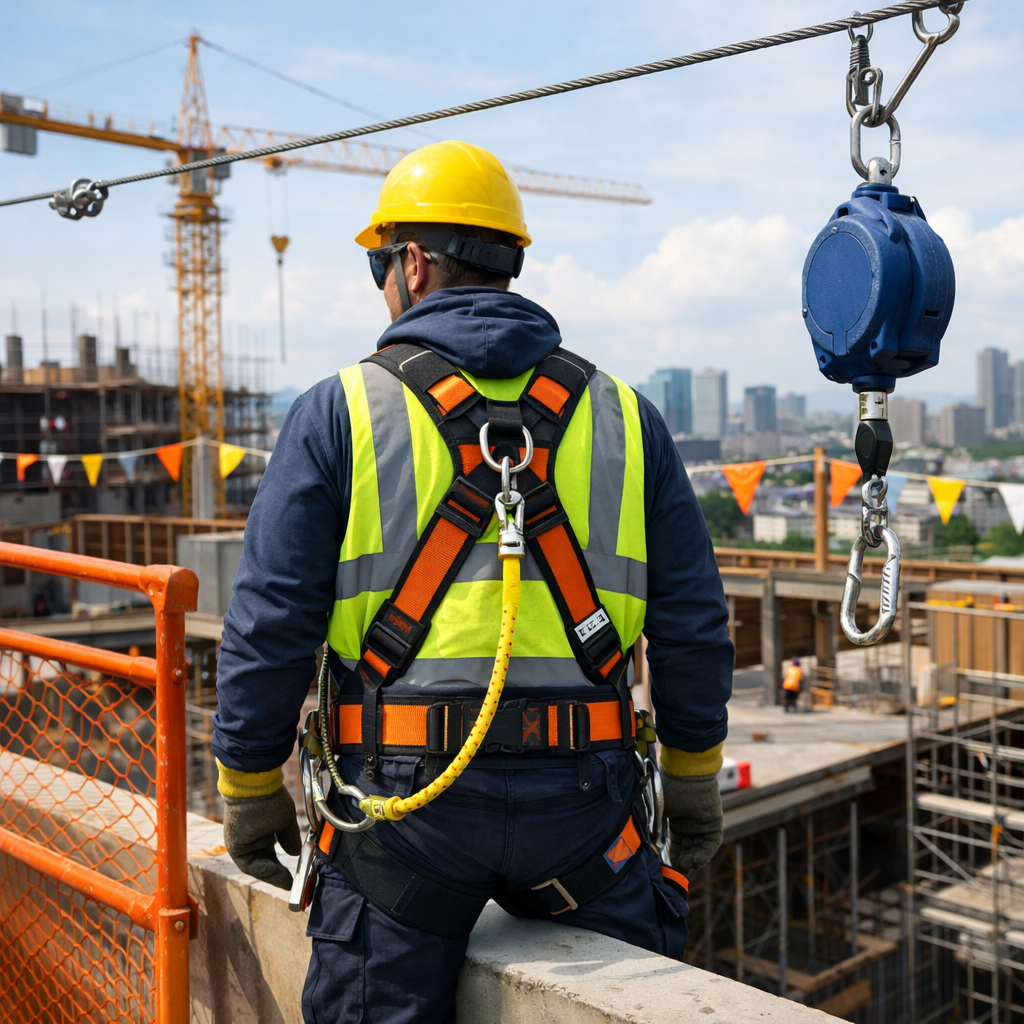
Steps supervisors and crews can apply now
- Review work-at-height hazards during pre-start meetings and update controls when the site layout changes.
- Inspect ladders, scaffolds, harnesses, connectors, and anchors before use.
- Use barricades and signage to keep unauthorized workers away from exposed edges and openings.
- Confirm that floor covers are secured after every trade handover.
- Plan material delivery and storage so workers do not carry awkward loads near edges.
- Provide prompt correction when workers misuse access equipment or remove guardrails.
- Develop a rescue procedure for fall arrest situations and practice it before an emergency occurs.
In the end, strong construction site fall protection depends on planning, engineering controls, competent supervision, and worker involvement. When employers apply the hierarchy of controls, maintain equipment, follow recognized standards, and respond quickly to changing conditions, they create a safer workplace for everyone on site. Construction site fall protection is most effective when it is treated as a daily operational priority rather than a box to check after the work has already started.