

Snow and ice accumulation on job sites during winter pose significant safety risks for workers and can delay project timelines. Dealing with snow and ice removal safely is crucial to maintaining productivity and minimizing hazards.

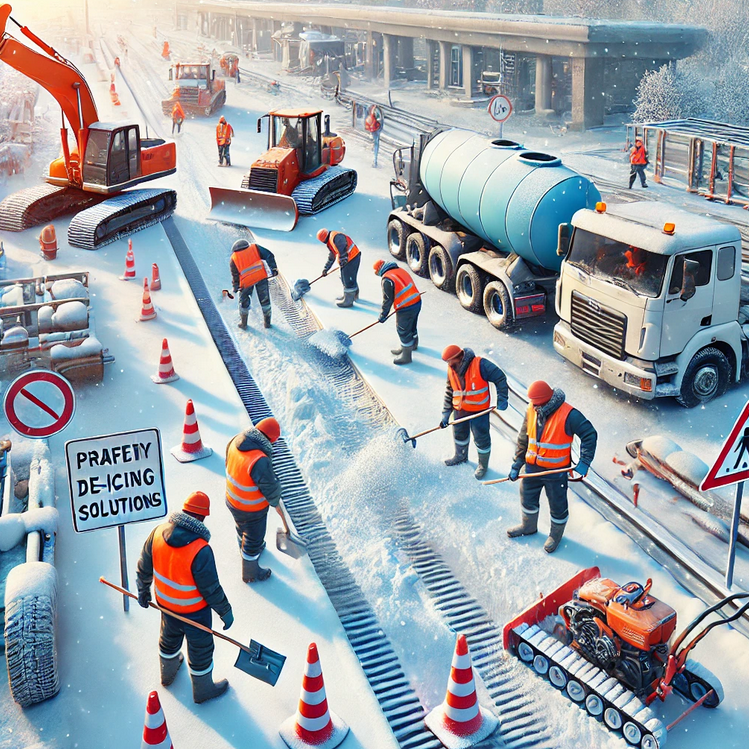
This guide outlines effective practices to ensure safe and efficient snow and ice removal on construction sites.
Why Snow and Ice Removal is Essential for Job Sites
Uncleared snow and ice can create slippery surfaces, reduce visibility, and compromise the integrity of structures. Proactive snow and ice removal prevents accidents such as slips, trips, falls, and equipment malfunctions.
Key Benefits of Safe Snow and Ice Removal
- Worker Safety: Minimizes risks of injuries due to slippery surfaces.
- Operational Efficiency: Ensures equipment and workers can move safely and perform tasks without hindrance.
- Structural Protection: Prevents excess weight and damage caused by accumulated snow and ice.
Pro Tip: Regular snow and ice removal helps extend the lifespan of tools, equipment, and work surfaces.
Dealing with Snow and Ice Removal
1. Inspect and Prioritize Hazardous Areas
Before starting snow removal, identify high-risk zones such as walkways, roofs, scaffolding, and access points.
- Walkways and Stairs: Ensure these areas are cleared first to provide safe access for workers.
- Equipment Zones: Remove snow and ice from around heavy machinery to prevent operational delays.
- Roofs: Assess the structural capacity to handle snow loads and remove excess snow promptly.
| Area | Hazard |
|---|---|
| Walkways & Stairs | Slippery surfaces causing falls |
| Equipment Zones | Obstructed access to machinery |
| Roofs | Excess weight leading to collapses |
Internal Link: For tips on handling equipment in winter conditions, explore our Winterization Best Practices Guide.
2. Use Proper Tools and Equipment
Utilizing the right tools ensures efficient and safe snow and ice removal.
- Ergonomic Shovels: Reduce strain during manual snow removal.
- Snow Blowers: Ideal for clearing larger areas quickly.
- Ice Scrapers: Essential for removing stubborn ice patches.
- Rotary Brooms: Effective for clearing light snow without damaging surfaces.
- Snow Pushers: Wide blades designed for efficient snow clearance on flat surfaces.
Reference Link: Shop high-quality snow removal tools at Amazon.
3. Apply De-Icing Solutions Effectively
De-icing materials improve traction and melt ice to reduce hazards.
- Rock Salt: Common and cost-effective for melting ice.
- Eco-Friendly Alternatives: Use products that minimize environmental damage.
- Pre-Treatment: Apply de-icers before snowfall to prevent ice from forming.
Reference Link: Shop reliable de-icing products at Amazon.
4. Train Workers on Safe Snow Removal Techniques
Proper training prevents injuries and ensures efficient snow removal operations.
- Body Mechanics: Teach workers to lift with their legs and not their backs to avoid strain.
- Buddy System: Encourage team efforts for larger areas or risky zones like roofs.
- Pace Yourself: Remind workers to take breaks to avoid fatigue or hypothermia.
5. Implement Safe Roof Snow Removal Practices
Roof snow removal requires specialized techniques to avoid structural damage and worker injuries.
- Use Roof Rakes: Remove snow from the ground to minimize risk.
- Secure Workers: Ensure proper fall protection, such as harnesses and anchors.
- Inspect Before Removal: Assess the roof’s condition to avoid accidents.


Maintaining Equipment for Snow and Ice Removal
Snow and ice removal equipment needs to be in peak condition to handle winter challenges.
- Inspect Before Use: Check tools and machines for damage or wear.
- Replace Fluids: Use antifreeze-rated oils and hydraulic fluids.
- Store Properly: Keep equipment in a heated space to prevent freezing.
Pro Tip: Learn more about winter equipment maintenance in our Winter Equipment Guide.
6. Mark and Cordone Off Hazardous Areas
During snow and ice removal, some areas may remain hazardous. Clearly mark these zones to prevent worker injuries.
- Use Cones and Barriers: Mark icy patches or areas under active snow removal.
- Signage: Warn workers about slippery areas or overhead hazards like falling snow.
7. Use Advanced Snow Removal Equipment
Investing in advanced snow removal equipment can improve efficiency and safety.
- Plow Attachments: Compatible with trucks or skid-steers for heavy snow clearance.
- Heated Snow Melting Mats: Use on walkways and stairs to prevent ice formation.
- Utility Vehicles with Snow Attachments: Versatile for large job sites.
Reference Link: Explore advanced snow removal machinery at Amazon.
Emergency Preparedness for Snow and Ice Removal
8. Equip Job Sites with Emergency Kits
Being prepared for emergencies reduces risks during snow and ice removal.
- Essential Supplies: Include shovels, salt, first-aid kits, and warm blankets.
- Communication Devices: Ensure radios or cell phones are available for emergencies.
- Lighting: Use portable lights for early morning or late evening operations.
Reference Link: Find reliable emergency kits and supplies at YourRefLink.
9. Monitor Weather Conditions Regularly
Staying updated on weather forecasts allows for proactive planning and reduces last-minute risks.
- Local Apps: Use weather apps for accurate forecasts.
- On-Site Equipment: Invest in weather monitoring tools for immediate updates.
Final Thoughts
Dealing with snow and ice removal safely is a critical aspect of winter job site management. By inspecting hazardous areas, using proper tools, and training workers on effective techniques, you can maintain a safe and productive environment.
Pairing proactive measures with emergency preparedness ensures minimal disruption during winter operations.
Quiz: Test Your Knowledge on Dealing with Snow and Ice Removal
Take this short quiz to see how well you understand Dealing with Snow and Ice Removal on job sites:
- What is the first step to take before starting snow removal on a job site?
- A) Apply de-icing solutions
- B) Inspect and prioritize hazardous areas
- C) Start shoveling manually
- D) Use snow blowers
- Which of the following is an eco-friendly de-icing alternative?
- A) Rock Salt
- B) Sand
- C) Heated Snow Melting Mats
- D) Calcium Magnesium Acetate
- What should workers use to clear snow from roofs safely?
- A) Standard Shovels
- B) Roof Rakes
- C) Rotary Brooms
- D) Snow Blowers
- Why is it important to inspect equipment before use in snow removal?
- A) To reduce noise
- B) To prevent accidents caused by wear or damage
- C) To save time during operations
- D) To check fuel levels
Challenge yourself: Did you score 100%? Review the article to sharpen your knowledge and ensure your site stays safe this winter!