

Ensuring the safety of divers is a critical aspect of any diving operation, whether it’s for commercial, recreational, or scientific purposes.
A comprehensive safety check before and after a dive is essential for mitigating risks, ensuring the diver’s well-being, and maintaining proper function of all equipment.
This article details the critical steps in a pre-dive and post-dive safety check for divers.
Pre-Dive Safety Check

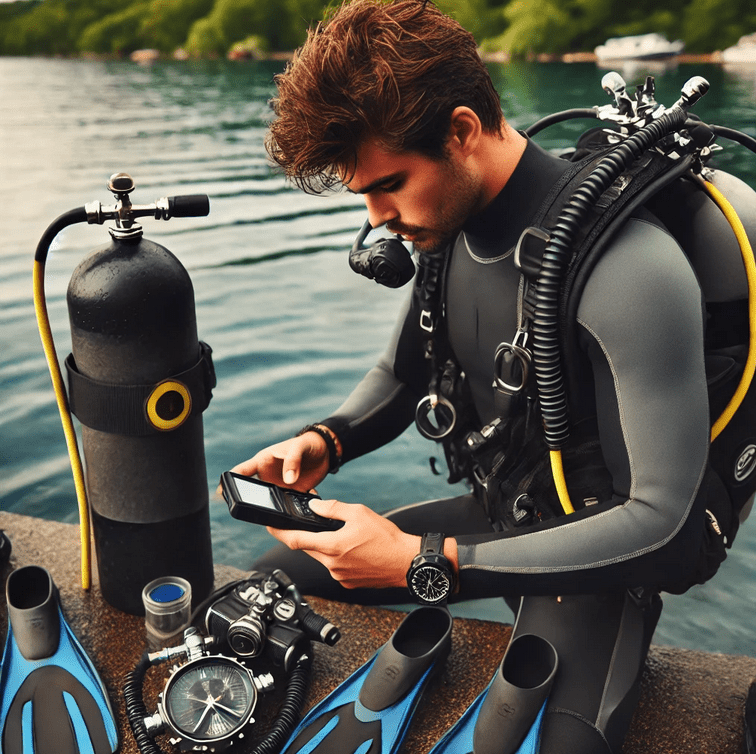
A thorough pre-dive safety check is essential to minimize hazards and ensure the diver is fully prepared to handle the underwater environment. The process involves physical assessments, equipment inspections, and the review of dive plans and emergency protocols.
1. Medical and Physical Condition of the Diver
Before any dive, it is important to ensure the diver is in optimal physical and mental condition to undertake the dive safely. This includes:
- Medical Certification: Verify the diver’s medical certification is valid and up-to-date. Check for any medical issues that could affect diving, such as respiratory problems, heart conditions, or recent surgeries.
- Fitness for Dive: Assess the diver’s current health status to confirm they are fit for the dive. The diver should disclose any recent illness, injuries, fatigue, or physical discomfort, which could impair their ability to dive.
- Mental Readiness: A diver must be mentally prepared to manage stress or potential emergencies during the dive. Emotional strain, stress, or anxiety can be dangerous underwater.
2. Diving Equipment Inspection
A detailed check of all diving gear is crucial to avoid equipment-related accidents. This step should cover the full range of equipment, from personal gear to life support systems.
- Buoyancy Control Device (BCD): Inspect the BCD for leaks, proper inflation and deflation, and ensure it operates smoothly.
- Air Tank and Breathing Apparatus: Confirm that the air tank is fully charged with the appropriate gas mixture. Check for secure connections, test the regulator for proper airflow, and inspect the mouthpiece for wear or damage.
- Pressure Gauges: Ensure that the pressure gauges are functioning accurately, and show the correct tank pressure. Test the submersible pressure gauge to confirm it shows real-time pressure readings underwater.
- Mask and Fins: Inspect the dive mask for cracks or missing parts and ensure the straps are secure. The fins should fit properly without causing discomfort, and the fin straps should be checked for cracks or breaks.
- Weight System: Verify the weight belt or integrated weight system is securely attached and easy to release in case of emergency.
- Dive Computer and Timer: Test the dive computer for functionality, ensure it has a full battery, and check the decompression settings for the planned dive.
- Dive Knife or Tool: Inspect the knife or tool to ensure it is sharp and securely fastened.
- Wetsuit/Drysuit: Check for any tears or damage to the suit that might affect insulation or water ingress. Ensure the suit fits properly and zippers work smoothly.
- Emergency Signal Devices: Ensure that emergency signaling devices, such as whistles, flares, or lights, are functioning and easily accessible.
- Lifeline or Tether: For surface-supplied dives, ensure that the lifeline or tether connecting the diver to the surface is free of tangles and secured.
3. Pre-Dive Procedures
In addition to equipment checks, operational procedures and dive plans must be reviewed to ensure the diver’s safety.
- Dive Briefing: Review the dive plan, including depth, time limits, emergency procedures, hand signals, and communication systems.
- Buddy System: Ensure that each diver has a designated dive buddy, and that they understand the buddy system and the need to maintain contact throughout the dive.
- Emergency Protocols: Reiterate emergency procedures, such as what to do in case of air depletion, equipment failure, or the need for an emergency ascent.
- Environmental Check: Assess the dive site for hazards, including strong currents, poor visibility, marine life, or potential entanglement risks.
Pre-Dive Checklist
| Item | Check |
|---|---|
| Medical Certification | Confirm it is valid and current. |
| Physical Fitness | Ensure the diver is fit to dive. |
| Air Tank | Check air mixture and tank pressure. |
| Regulator and BCD | Test for airflow and proper inflation/deflation. |
| Mask and Fins | Inspect for damage and proper fit. |
| Dive Computer | Test battery and settings. |
| Weight System | Ensure it is secure and easy to release. |
| Lifeline/Tether (Surface-Supplied) | Ensure it is secure and tangle-free. |
| Signal Devices | Test emergency devices, such as whistles and flares. |
| Dive Plan | Review depth, time limits, and emergency protocols with the team. |
Post-Dive Safety Check

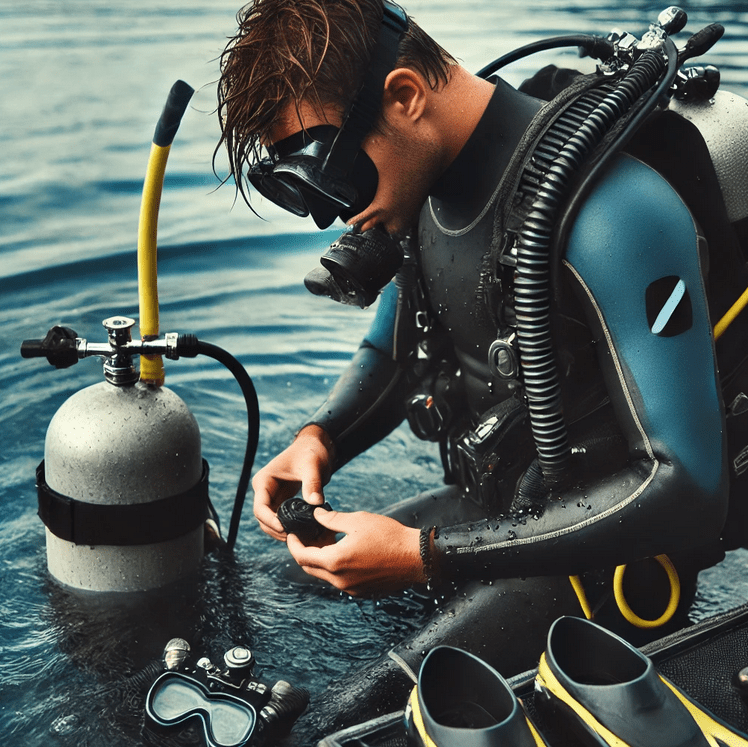
Once the dive is completed, a post-dive safety check is equally important to ensure the diver’s health and proper equipment functionality for future dives. This process involves checking the diver’s physical condition, inspecting equipment for damage, and logging essential data.
1. Physical Condition After the Dive
After surfacing, the diver’s health and well-being must be assessed for signs of decompression sickness (DCS), nitrogen narcosis, or other physical issues that could arise from the dive.
- Decompression Sickness Symptoms: Check the diver for symptoms such as joint pain, dizziness, confusion, or difficulty breathing. These are signs of DCS and require immediate medical attention.
- Hydration and Rest: Ensure the diver hydrates and rests after the dive to assist the body in recovering from exposure to increased pressure.
- Breathing and Circulation: Monitor the diver’s breathing and circulation for any abnormalities post-dive. Changes in skin color, rapid breathing, or chest pain should be addressed immediately.
- Notify the Supervisor: Divers should inform the diving supervisor if they feel unwell or suspect they have suffered any physical effects due to the dive.
2. Equipment Inspection and Maintenance
Post-dive equipment checks are crucial for identifying any damage that may have occurred underwater and for preparing the equipment for future use.
- Buoyancy Control Device (BCD): Rinse the BCD with fresh water to remove salt and debris. Check for leaks, and ensure proper inflation.
- Regulator and Air Tank: Clean the regulator, check the hoses for any signs of wear or damage, and ensure proper airflow. If the tank is near depletion, refill or replace it.
- Mask and Fins: Rinse the mask and fins to prevent salt buildup. Inspect for any damage or wear that may have occurred during the dive.
- Wetsuit/Drysuit: Rinse the wetsuit or drysuit thoroughly with freshwater, hang it to dry in a cool place, and inspect for rips or tears.
- Dive Computer and Other Electronics: Check the dive computer’s recorded data, including depth, time, and decompression status. Recharge or replace the battery if necessary.
3. Dive Log and Documentation
Accurate documentation of the dive is essential for both personal safety and legal compliance in commercial operations. Divers must log each dive, recording key details such as depth, time, and any incidents.
- Personal Dive Log: The diver should record the following:
- Time and depth of the dive
- Equipment used
- Breathing mixture
- Any difficulties or incidents during the dive
- Maximum depth and bottom time
- Supervisor’s Log: The dive supervisor should maintain a separate log that includes the same information, with an emphasis on safety measures and emergency readiness.
Post-Dive Checklist
| Item | Check |
|---|---|
| Decompression Sickness (DCS) | Assess for joint pain, dizziness, or difficulty breathing. |
| Hydration and Rest | Ensure the diver is hydrated and well-rested. |
| Breathing and Circulation | Monitor for any abnormalities. |
| Regulator and BCD | Rinse and inspect for leaks or damage. |
| Mask, Fins, and Wetsuit | Rinse thoroughly and check for wear. |
| Air Tank | Refill or replace the air tank. |
| Dive Computer | Review recorded data and ensure it’s fully charged. |
| Personal Dive Log | Record time, depth, and incidents in the logbook. |
| Supervisor’s Log | Ensure dive information is logged by the supervisor. |
Common Post-Dive Issues and Solutions
- Decompression Sickness (DCS): If symptoms appear, initiate first aid immediately, administer oxygen, and seek hyperbaric chamber treatment.
- Regulator Malfunctions: Replace worn or damaged hoses, and send the regulator for professional servicing if needed.
- Mask Fogging: Clean the mask with anti-fog solution and inspect the seal for any leaks.
- Water in the BCD: Drain and clean the BCD, ensuring all valves are functioning correctly.
Questions for Self-Assessment
- What are the key physical and medical checks a diver must undergo before a dive?
- How does a diver ensure that their breathing apparatus is functioning properly during a pre-dive check?
- What are the symptoms of decompression sickness, and what should be done if they appear after a dive?
- Why is it important for divers to log each dive? What key information should be recorded?
- How should a diver properly maintain their equipment post-dive to ensure it is ready for future dives?
Diver safety checks before and after each dive are essential for reducing risks and ensuring the diver’s health and equipment reliability.
By following structured pre-dive and post-dive protocols, divers and supervisors can ensure that diving operations are carried out efficiently and safely. Both divers and employers must take these checks seriously, as they play a vital role in preventing accidents and ensuring the longevity of diving careers.
Thorough documentation, proactive equipment maintenance, and regular medical evaluations are integral parts of any safe diving operation.