


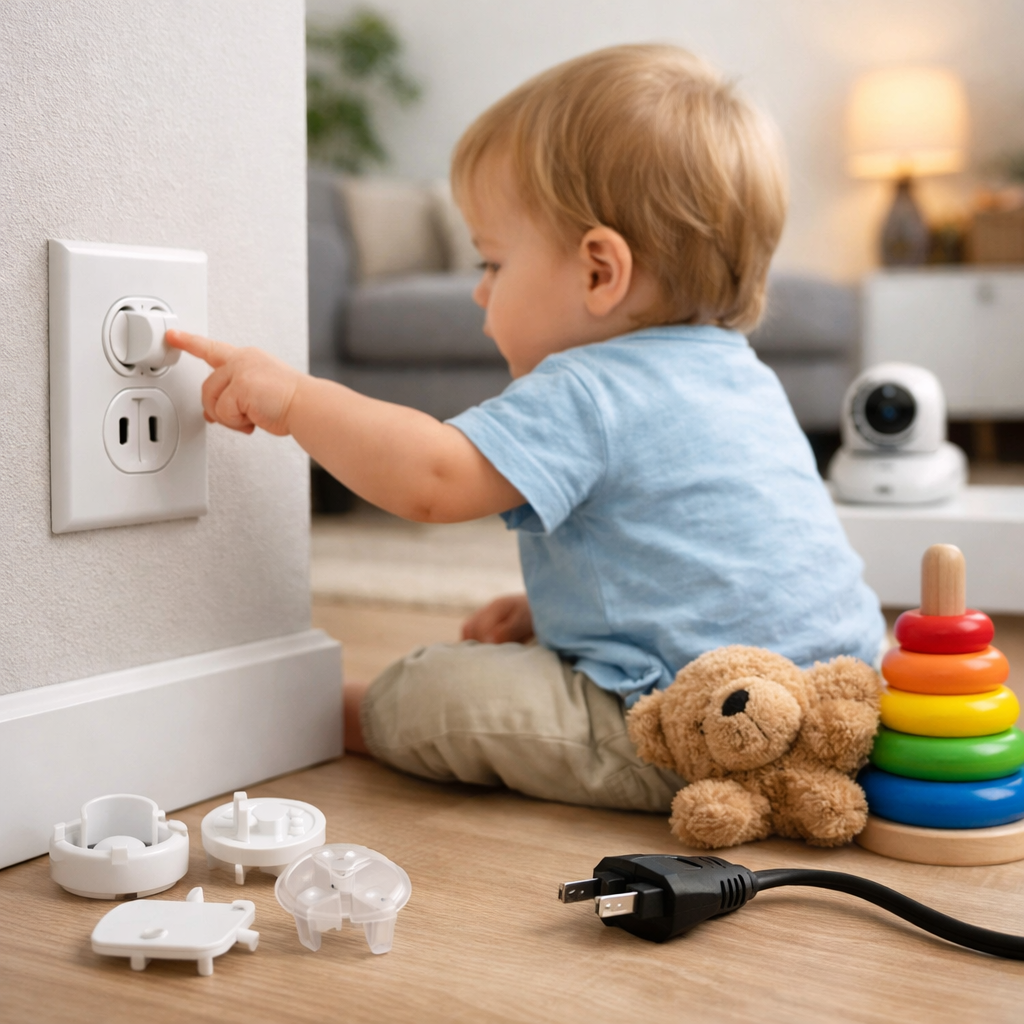

Electrical outlet safety for kids starts with the simple idea that prevention works best when adults notice hazards before a child does. At home, in child care spaces, in classrooms, and even in some entry-level workplaces where families may visit, outlets are part of everyday life, which makes them easy to overlook.
Young children explore with their hands, toys, and curiosity. That is why smart childproofing should focus on practical controls, supervision, and safe habits instead of relying on one product alone. For Canadian families and schools, a calm, layered approach can reduce risk and make electrical safety easier to maintain over time.
This guide explains the basics of outlet safety, what childproofing tools actually help, and how parents, caregivers, teachers, and young workers can support a safer environment. For broader safety education and prevention resources, families can also explore OHSE.ca.
Why electrical outlet safety for kids matters in daily life
Outlets are installed low on walls, often within easy reach of infants and toddlers. They may also be located beside beds, desks, lamps, chargers, holiday decorations, and appliances, which can make them more tempting to touch.
The main risks include direct contact with energized parts, inserting objects into slots, damaged faceplates, overloaded power bars, and cords that lead children toward unsafe areas. In schools and shared family spaces, these risks can increase when rooms are rearranged, furniture is moved, or temporary devices are plugged in.
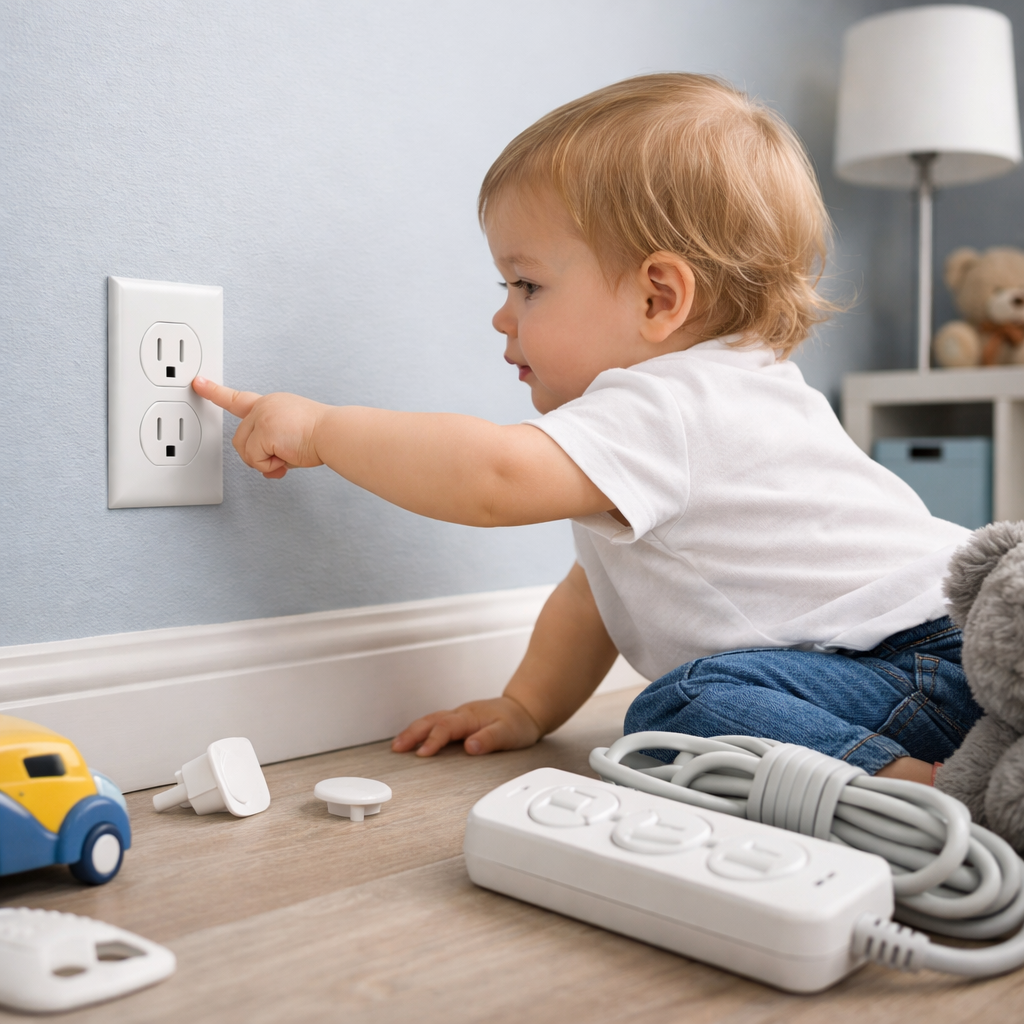
Good electrical outlet safety for kids is also part of a broader occupational health and safety mindset. In Ontario and across Canada, hazard recognition, supervision, maintenance, and following manufacturer instructions are all important prevention habits. Families and educators looking for trusted Canadian safety information can review general guidance from CCOHS, Ontario.ca, and Health Canada.
Common outlet-related hazards to check for
- Missing, cracked, loose, or broken outlet covers
- Unused outlets at child height
- Power bars or extension cords within reach
- Chargers left plugged in where children play
- Furniture that gives children climbing access to plugs
- Appliances used near sinks, tubs, or wet entry areas
- Cords that can be pulled, chewed, or wrapped around the body
Smart childproofing basics for electrical outlet safety for kids
The most effective childproofing uses layers. One product alone may help, but the safest approach combines safer equipment, room layout, adult supervision, and regular checks.
Choose outlet protection carefully
Many families start with outlet caps or plug protectors. These can help, but they must fit properly and be used exactly as directed by the manufacturer. If a cover becomes loose or easy to remove, it may create a choking hazard instead of reducing risk.
Sliding outlet covers or tamper-resistant receptacles can offer a more reliable long-term option because they stay attached to the outlet. In homes being renovated, in newer buildings, or in school upgrades, built-in protective features are often a practical choice.
Control access to cords and nearby devices
Children are often drawn to whatever is plugged into the outlet rather than the outlet itself. Lamps, fans, chargers, and entertainment equipment can all become part of the hazard if cords are left hanging or devices are unstable.
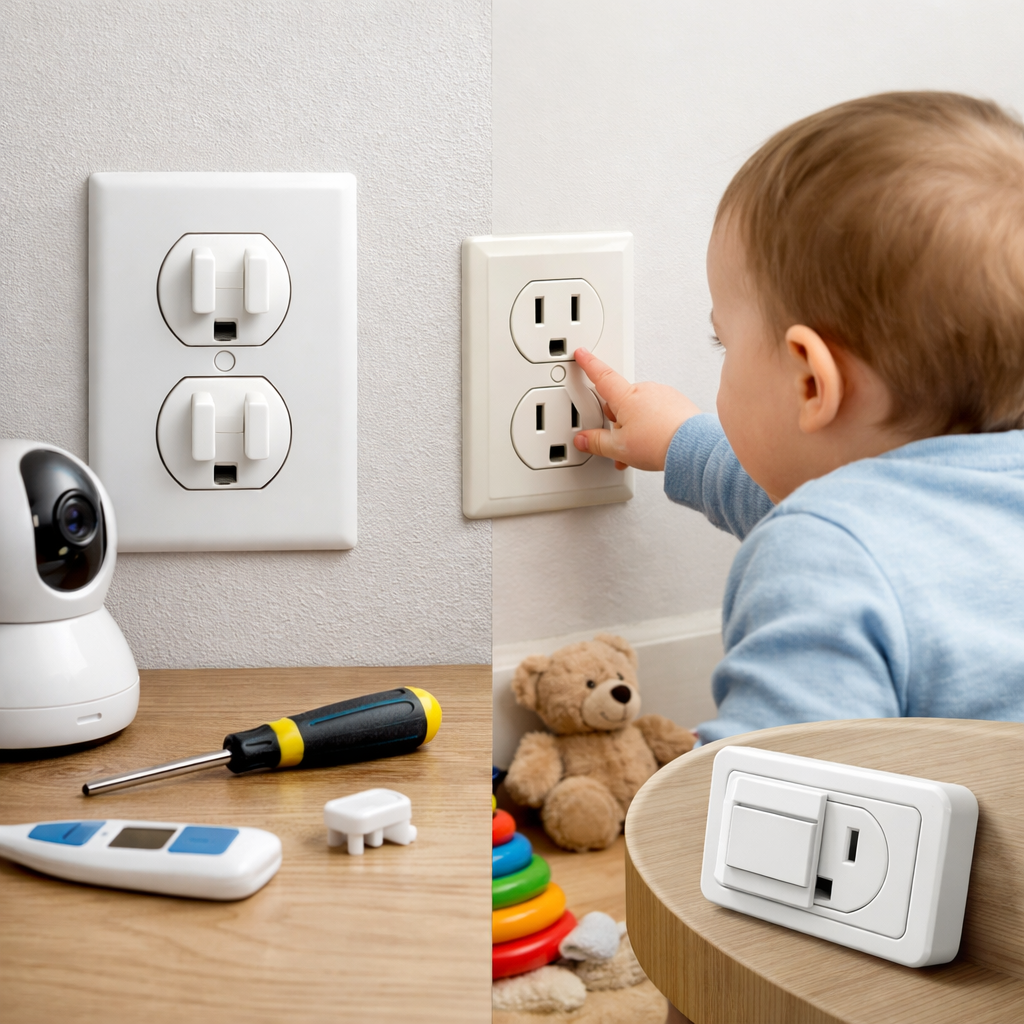
Keep furniture arranged so children cannot easily reach outlets behind beds, couches, and media units. Use cord management solutions approved by the product manufacturer, and avoid running cords under rugs or across walking paths where they can overheat or create trip hazards.
Use the hierarchy of controls at home and school
A simple safety principle from workplace health and safety can help families make better decisions. Start with the strongest controls where possible:
- Elimination: Unplug unused devices and remove unnecessary cords from play areas.
- Substitution: Replace damaged power bars, chargers, or faceplates with safer, approved products.
- Engineering controls: Use tamper-resistant outlets, secured cover plates, and grounded equipment where required.
- Administrative controls: Create family or classroom rules about plugs, cords, and wet hands.
- Supervision: Closely monitor babies, toddlers, and children who are still learning boundaries.
Room-by-room electrical outlet safety for kids
Different rooms create different risks. A childproofing plan works better when adults look at how a space is actually used rather than treating every outlet the same.
Bedrooms and playrooms
These spaces often have the most child-level access. Secure unused outlets, anchor furniture that children may climb, and keep small metal objects, craft supplies, and batteries away from plug areas. If nightlights are used, make sure they fit properly and do not create heat or obstruction concerns.
Living rooms and family rooms
These areas may have multiple devices plugged in at once. TVs, game systems, lamps, and chargers can create a cluster of cords and open access behind furniture. Keep entertainment units stable, avoid overloading outlets, and check that power bars are not exposed where children sit or crawl.
Kitchens, bathrooms, and entry areas
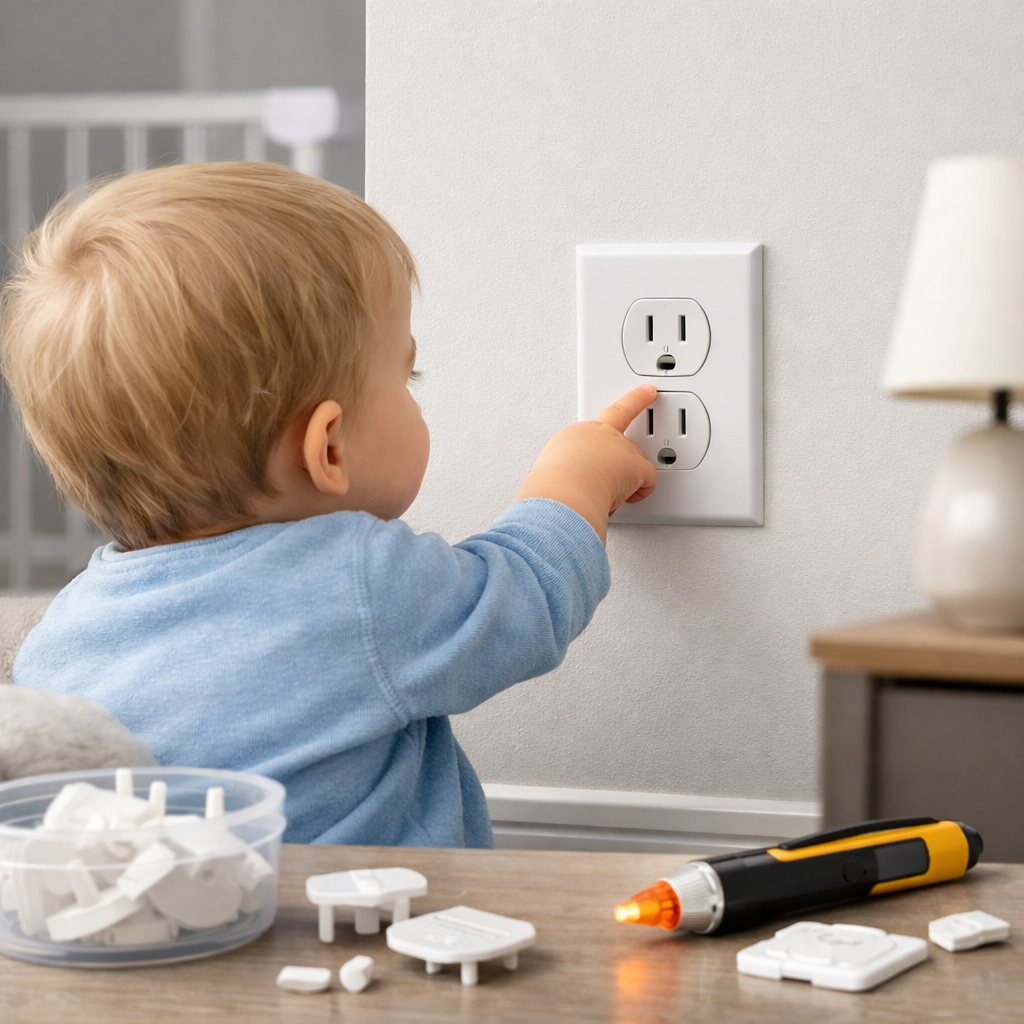
Water increases electrical risk. Children should be taught early that outlets and plugs should never be touched with wet hands. Keep countertop appliances unplugged when not in use if appropriate, store cords neatly, and prevent children from playing near plugged-in devices around sinks or damp areas.
Classrooms, child care areas, and shared spaces
In schools and programs, outlet safety should be part of routine inspections. Staff should check for damaged plates, temporary wiring, and extension cords used as permanent solutions. Follow local school policies, maintenance procedures, and emergency guidance where applicable. If training on hazard awareness is needed, practical workplace-style learning can also be supported through learn.ohse.ca.
| Area | Main Risk | Practical Control |
|---|---|---|
| Bedroom | Curiosity near low wall outlets | Use secure covers and keep furniture from creating access |
| Living room | Multiple cords and power bars | Organize cords and reduce exposed plug points |
| Kitchen | Water and small appliances | Keep children away from plugged-in devices near sinks |
| Classroom | Temporary devices and shared access | Inspect regularly and report damage quickly |
Teaching safe habits and building a simple checklist
Childproofing products are useful, but children also benefit from clear, repeated teaching. Even very young children can begin learning that outlets are not for fingers, toys, keys, craft items, or tools. Older children can learn why electricity should be treated with respect and when to get an adult for help.
For families with teens or young workers, this can also be a starting point for broader safety habits. If a teenager babysits, helps in a classroom, or works in a community setting, they should know how to spot damaged cords, overloaded outlets, and unsafe plug use.
Short actionable checklist
- Check every room for unused outlets within a child’s reach.
- Replace broken or loose faceplates right away.
- Choose secure childproofing products and follow manufacturer instructions.
- Keep cords short, tidy, and out of reach.
- Do not let children handle plugs with wet hands.
- Reduce clutter around power bars and chargers.
- Teach children to tell an adult if they see a spark, heat, damage, or a loose plug.
- Follow local school, workplace, manufacturer, or emergency guidance where applicable.
It is also wise to review outlet safety whenever you move, renovate, bring in new furniture, or set up seasonal decorations. Small changes in a room can create new access points that were not obvious before.
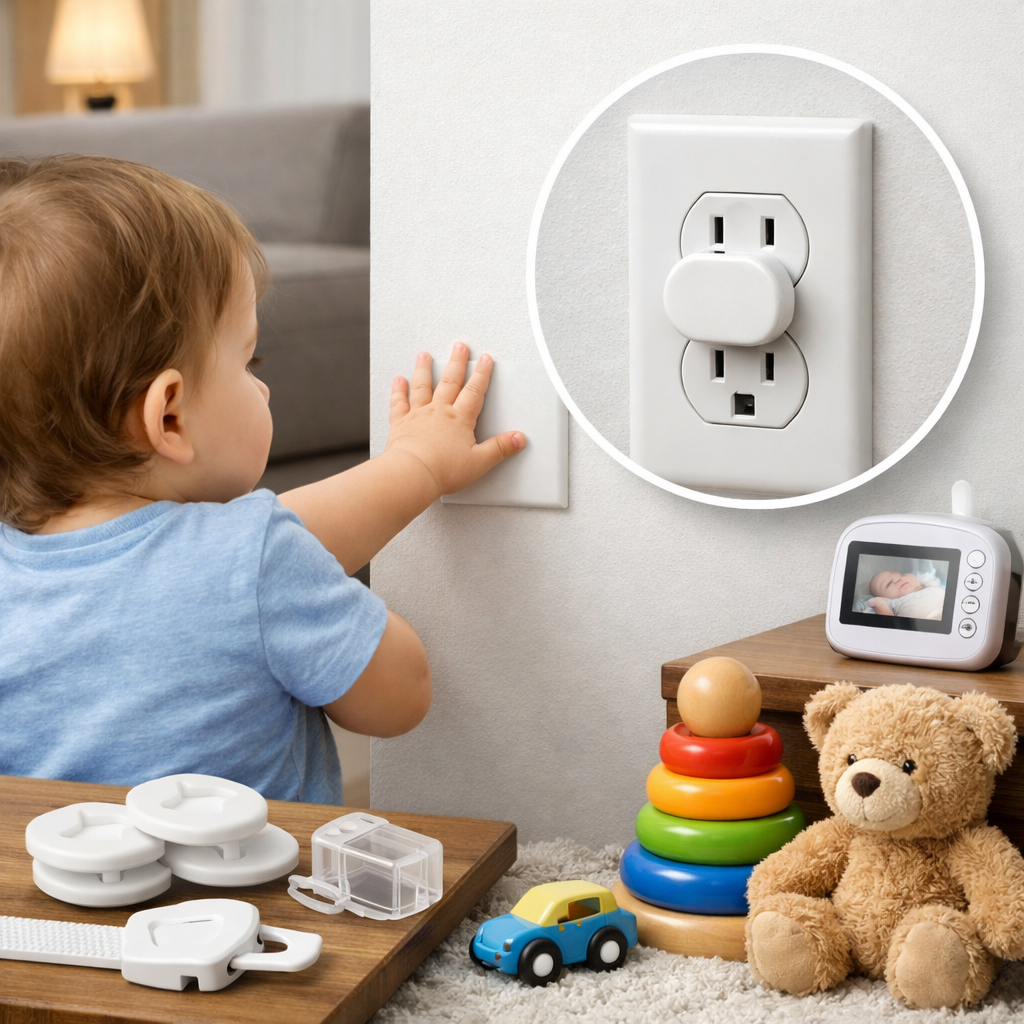
Electrical outlet safety for kids is most effective when adults combine childproofing, supervision, maintenance, and simple teaching. Whether you are protecting a toddler at home, reviewing a classroom setup, or helping a young worker understand everyday hazards, the goal is the same: make unsafe contact less likely and safe behaviour easier. With practical checks and consistent habits, electrical outlet safety for kids becomes a manageable part of a safer Canadian home, school, or shared environment.