

Agricultural work is among the most rewarding yet challenging occupations, involving various risks that demand proactive safety practices. Farmers face hazards like heavy machinery, livestock handling, chemicals, and unpredictable weather, making safety management essential for both worker well-being and operational success.

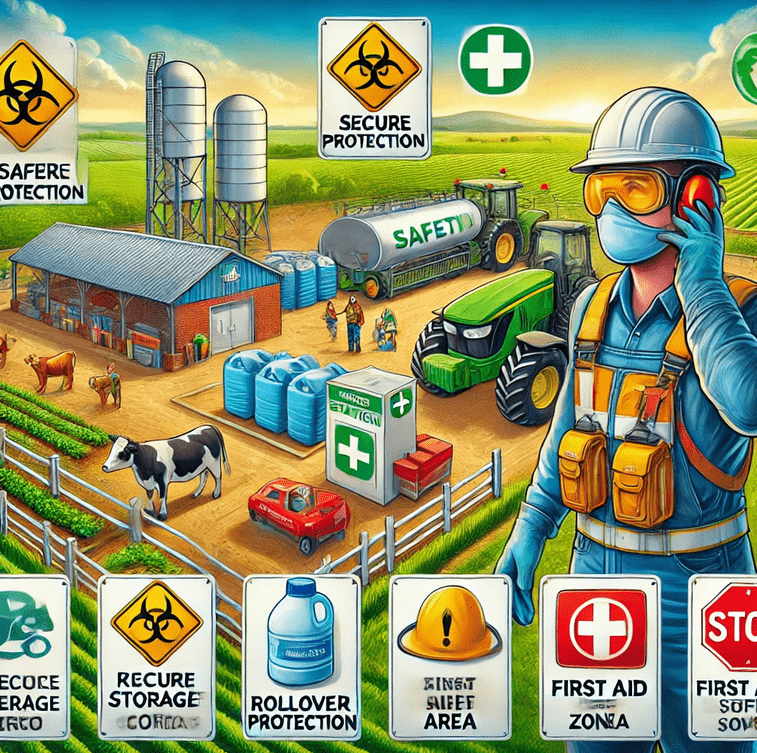
This article explores the fundamentals of farm safety and effective strategies for managing these risks in agriculture.
1. Understanding Common Agricultural Hazards
Before managing safety, it’s essential to identify the common hazards in farming:
- Machinery and Equipment: Tractors, combines, and other heavy machinery pose risks of entanglement, rollover, and entrapment.
- Chemical Exposure: Pesticides, fertilizers, and other chemicals used in agriculture can cause respiratory issues, skin conditions, and other health complications if not handled properly.
- Livestock: Handling animals can lead to injuries from kicks, bites, or trampling.
- Weather and Environmental Risks: Extreme weather, prolonged sun exposure, and sudden storms can affect health and safety.
- Confined Spaces: Grain bins and silos can present suffocation or engulfment risks if safety protocols are not followed.
- Slips, Trips, and Falls: Uneven terrain, wet or muddy surfaces, and cluttered workspaces increase the risk of slips, trips, and falls.
2. Prioritizing Farm Safety: Key Safety Basics
Implementing a safe farming environment requires addressing each of these hazards with practical safety measures:
- Use of Personal Protective Equipment (PPE): Farmers and agricultural workers should wear appropriate PPE, such as gloves, safety goggles, helmets, respiratory masks, and ear protection. Providing training on PPE usage is equally essential to ensure workers understand its purpose and correct application.
- Machinery Safety: Ensure that machinery is well-maintained and fitted with safety features such as rollover protection structures (ROPS) on tractors. Workers should be trained in safe machinery operation, including how to handle malfunctions and avoid loose clothing that may get caught.
- Chemical Handling Procedures: Store chemicals in secure, well-ventilated areas with clear labels. Training workers in safe handling, application, and storage practices can reduce exposure risks. Providing readily accessible wash stations and first aid in case of spills or contact is also vital.
- Animal Handling Practices: Establish safe handling protocols for working with livestock. This includes using appropriate enclosures, working in pairs when possible, and training on animal behavior to reduce the risk of injury.
- Safe Access to Confined Spaces: Confined spaces should only be accessed by trained personnel with appropriate equipment, such as harnesses and respiratory protection if necessary. Adequate ventilation and emergency escape procedures should be in place.
3. Developing a Farm Safety Management Plan
A proactive approach to farm safety requires a well-organized safety management plan. Here’s a step-by-step guide to creating one:
- Risk Assessment: Conduct a thorough risk assessment to identify specific hazards on your farm. Evaluate the frequency and severity of each risk to prioritize actions.
- Set Safety Policies and Procedures: Develop clear policies for machinery operation, chemical use, livestock handling, and emergency response. These procedures should be easily accessible and understood by all workers.
- Regular Training and Education: Provide ongoing training that covers general safety practices and farm-specific risks. Training should include machine operation, animal handling techniques, and emergency preparedness. Refresher sessions are recommended, especially during seasonal changes.
- Implement Safe Work Practices: Create safe work practices tailored to the tasks on the farm. For example, implement protocols for machinery maintenance, chemical handling, and confined space entry. Encourage workers to report any unsafe conditions immediately.
- First Aid and Emergency Preparedness: Equip the farm with first aid kits, eyewash stations, and emergency contact lists. Develop and regularly practice emergency procedures, including evacuation plans and accident response drills.
- Establish a Culture of Safety: Encourage open communication about safety concerns and empower workers to speak up if they notice potential hazards. Recognition programs for safe practices can further foster a positive safety culture.
4. Managing Health Risks and Fatigue
Agricultural work often involves long hours and physically demanding tasks, which can lead to fatigue and increase the risk of accidents. Managing health risks includes:
- Scheduling Adequate Rest Periods: Encourage regular breaks, especially during peak seasons. Rotating tasks to prevent repetitive strain injuries can also be beneficial.
- Hydration and Nutrition: Ensure access to drinking water and shaded areas for rest. Proper nutrition and hydration are essential, particularly for workers in extreme climates.
- Monitoring Worker Health: Regular health check-ups for farm workers can help identify early signs of health issues. Encourage workers to report any symptoms related to chemical exposure or physical strain.
5. Safety for Young and Seasonal Workers
Farms often employ young or seasonal workers who may lack experience in handling risks. Additional safety considerations for these workers include:
- Age-Appropriate Tasks: Assign age-appropriate tasks to younger workers. Heavy machinery operation, chemical handling, and livestock work should be managed carefully, with age restrictions as required by local regulations.
- Focused Training: New and seasonal workers should receive comprehensive orientation that covers all farm safety basics. Shorter, frequent training sessions with demonstrations can be particularly effective.
- Close Supervision: Ensure that young and new workers are supervised by experienced individuals until they demonstrate proficiency and awareness of safety protocols.
6. Technology and Safety Innovations in Agriculture
Advancements in agricultural technology can also enhance farm safety:
- GPS and Automated Machinery: GPS-enabled machinery and automation reduce human involvement in high-risk tasks. This can significantly decrease accidents related to heavy equipment.
- Wearable Safety Devices: Smart devices and wearables that monitor health indicators like heart rate and body temperature can alert workers to take breaks, especially during extreme conditions.
- Drones and Remote Monitoring: Drones offer remote monitoring for livestock, crop health, and infrastructure, reducing the need for workers to enter potentially hazardous areas.
Conclusion
Managing safety on the farm requires a thorough understanding of risks and a commitment to implementing structured safety practices. From personal protective equipment to regular training, every measure contributes to creating a safer work environment in agriculture.
By fostering a culture of safety and staying informed about new safety technologies, farmers can protect their most valuable assets—their workers and themselves—while ensuring productivity and sustainability in their operations.