

Fire safety and prevention are critical aspects of ensuring the safety of individuals and the protection of property. Fires can occur unexpectedly, causing severe damage and loss.

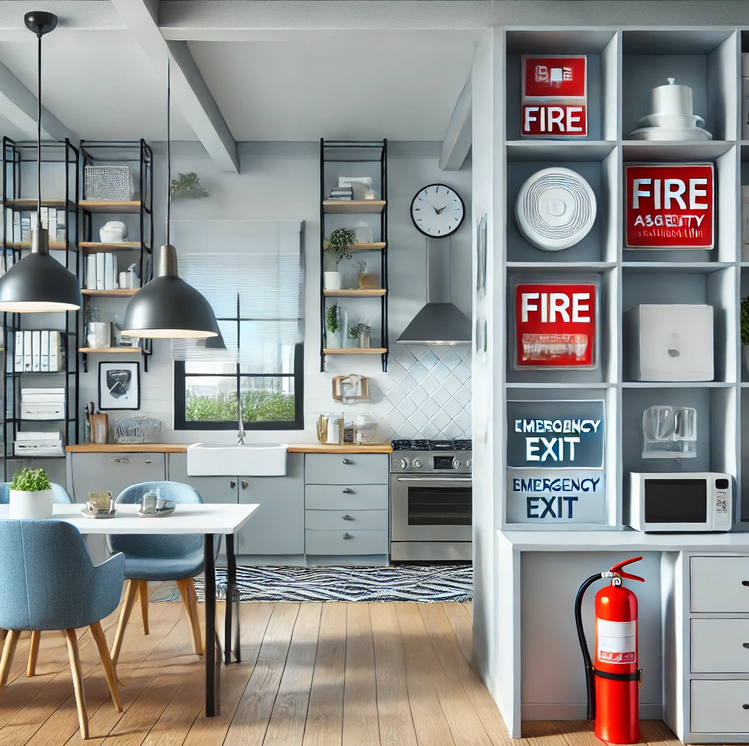
Implementing effective fire prevention measures and understanding fire safety protocols can minimize these risks significantly.
This article provides essential fire safety tips, discusses prevention strategies, and highlights the importance of preparedness.
- What Is Fire Safety and Prevention?
- Importance of Fire Safety and Prevention
- Fire Safety and Prevention Tips for Homes and Workplaces
- Fire Prevention in the Workplace
- Emergency Preparedness: Fire Safety Plans
- Common Causes of Fires and How to Prevent Them
- Challenges in Implementing Fire Safety and Prevention Measures
- Benefits of Investing in Fire Safety and Prevention
- Future Trends in Fire Safety and Prevention
- Conclusion
What Is Fire Safety and Prevention?
Fire safety and prevention encompass practices and measures designed to reduce the risk of fires, protect lives, and safeguard property. These include proper fire hazard identification, education on fire safety protocols, and the implementation of preventive systems.
Key Elements of Fire Safety:
- Prevention: Measures to stop fires from starting.
- Preparedness: Ensuring readiness to handle fire emergencies.
- Response: Effective actions during a fire.
- Recovery: Steps taken to minimize damage and restore normalcy after a fire.
Learn more about fire safety basics at NFPA (DoFollow link).
Importance of Fire Safety and Prevention
1. Protecting Lives
Fire safety measures save lives by minimizing exposure to fire hazards and ensuring timely evacuation.
2. Preventing Property Damage
Effective fire prevention reduces the risk of damage to homes, businesses, and infrastructure.
3. Compliance with Regulations
Adhering to fire safety standards helps organizations meet legal requirements, avoiding fines and liabilities.
4. Promoting Awareness
Fire safety education fosters a culture of vigilance and preparedness, reducing the likelihood of fire-related incidents.
Fire Safety and Prevention Tips for Homes and Workplaces
1. Install and Maintain Fire Alarms
- Place smoke alarms on every floor and inside bedrooms.
- Test alarms monthly and replace batteries annually.
- Replace the entire alarm every 10 years.
2. Use Fire Extinguishers Correctly
- Keep fire extinguishers in accessible areas like kitchens and near exits.
- Ensure employees and family members know how to operate them using the PASS method (Pull, Aim, Squeeze, Sweep).
3. Avoid Overloading Electrical Outlets
- Use surge protectors for multiple devices.
- Regularly inspect wiring for signs of wear or damage.
- Unplug appliances when not in use.
4. Practice Safe Cooking
- Never leave cooking food unattended.
- Keep flammable items like paper towels and curtains away from stoves.
- Turn pot handles inward to prevent accidental spills.
Fire Prevention in the Workplace
1. Conduct Fire Risk Assessments
Regularly evaluate workplace fire hazards, including:
- Flammable materials.
- Faulty electrical systems.
- Blocked emergency exits.
2. Implement Fire Safety Training
Train employees on:
- Fire evacuation procedures.
- Proper use of fire extinguishers.
- Identifying and reporting fire hazards.
3. Maintain Fire Safety Equipment
- Regularly inspect fire extinguishers, sprinkler systems, and alarms.
- Schedule routine maintenance and replacements as needed.
Explore more workplace fire safety tips at OSHA (DoFollow link).
Emergency Preparedness: Fire Safety Plans
1. Create an Evacuation Plan
- Map out emergency exits and assembly points.
- Ensure clear signage and unobstructed pathways.
- Conduct regular fire drills to familiarize everyone with procedures.
2. Establish a Fire Safety Committee
- Assign roles such as fire warden and first-aid officer.
- Develop and distribute a fire safety manual.
3. Use Technology for Alerts
- Install smart alarms that send real-time notifications to phones.
- Integrate fire safety systems with building management software.
Common Causes of Fires and How to Prevent Them
1. Electrical Fires
- Avoid overloading circuits.
- Replace frayed wires immediately.
- Use certified electrical equipment.
2. Kitchen Fires
- Monitor cooking at all times.
- Keep a fire blanket and extinguisher nearby.
- Clean grease buildup regularly.
3. Smoking-Related Fires
- Never smoke indoors.
- Dispose of cigarette butts in non-flammable containers.
4. Heating Equipment
- Keep portable heaters away from flammable objects.
- Inspect and maintain heating systems annually.
Challenges in Implementing Fire Safety and Prevention Measures
1. Lack of Awareness
Many people underestimate the risks of fire hazards and fail to take preventive steps.
2. Cost of Equipment
Fire safety equipment and systems can be expensive, particularly for small businesses.
3. Complacency
Over time, individuals and organizations may become lax about fire safety protocols.
Benefits of Investing in Fire Safety and Prevention
1. Long-Term Cost Savings
Preventing fires reduces the expenses associated with damage and recovery.
2. Peace of Mind
Knowing that safety measures are in place provides reassurance to families and employees.
3. Enhanced Reputation
For businesses, demonstrating a commitment to safety builds trust with customers and employees.
Future Trends in Fire Safety and Prevention
1. Smart Fire Safety Systems
- AI-powered sensors for early detection.
- Integrated systems that automatically notify emergency services.
2. Enhanced Materials
- Fire-resistant building materials for added protection.
- Innovations in fire retardants for household and workplace use.
3. Community-Based Programs
- Increased collaboration between fire departments and communities.
- Public education campaigns to promote fire safety awareness.
Learn about the latest fire safety technologies at Fire Safety Solutions (DoFollow link).
Conclusion
Fire safety and prevention are vital for protecting lives, property, and livelihoods. By understanding fire hazards, implementing effective safety measures, and fostering a culture of preparedness, we can significantly reduce the risk of fire-related incidents.
Whether at home or in the workplace, prioritizing fire safety is a responsibility that benefits everyone.