

Food safety is a vital part of healthy cooking, ensuring that meals are not only delicious but also free from harmful contaminants.
For home cooks, practicing food safety is critical to protecting themselves and their families from foodborne illnesses. This article provides 10 essential food safety tips to help you maintain a safe and healthy kitchen environment.


- Understanding Food Safety for Home Cooks
- 1. Hand Hygiene: The First Line of Defense
- 2. Separate Raw and Cooked Foods
- 3. Cook to the Right Temperature
- 4. Keep Foods Out of the Danger Zone
- 5. Store Food Properly
- 6. Practice Regular Cleaning
- 7. Defrost Foods Safely
- 8. Use Safe Water and Ingredients
- 9. Know When to Toss Leftovers
- 10. Educate Yourself on Food Safety Practices
- Benefits of Practicing Food Safety
- Conclusion
Understanding Food Safety for Home Cooks
Food safety begins with awareness and consistent practices. From proper handwashing techniques to correct food storage, every small step contributes to preventing contamination.
| Aspect | Key Practice | Why It Matters |
|---|---|---|
| Hygiene | Wash hands before and after handling food | Prevents cross-contamination |
| Temperature Control | Keep foods out of the “danger zone” | Reduces bacterial growth |
| Storage | Use airtight containers for leftovers | Maintains freshness and prevents spoilage |
1. Hand Hygiene: The First Line of Defense
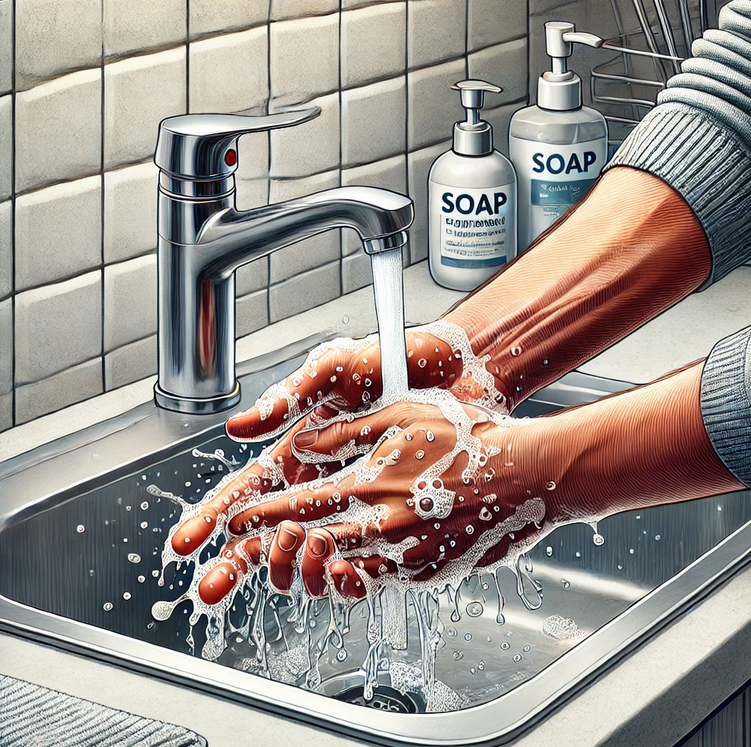
Proper handwashing is one of the simplest yet most effective food safety tips. Wash hands with soap and warm water for at least 20 seconds before cooking, after handling raw ingredients, and after touching surfaces.

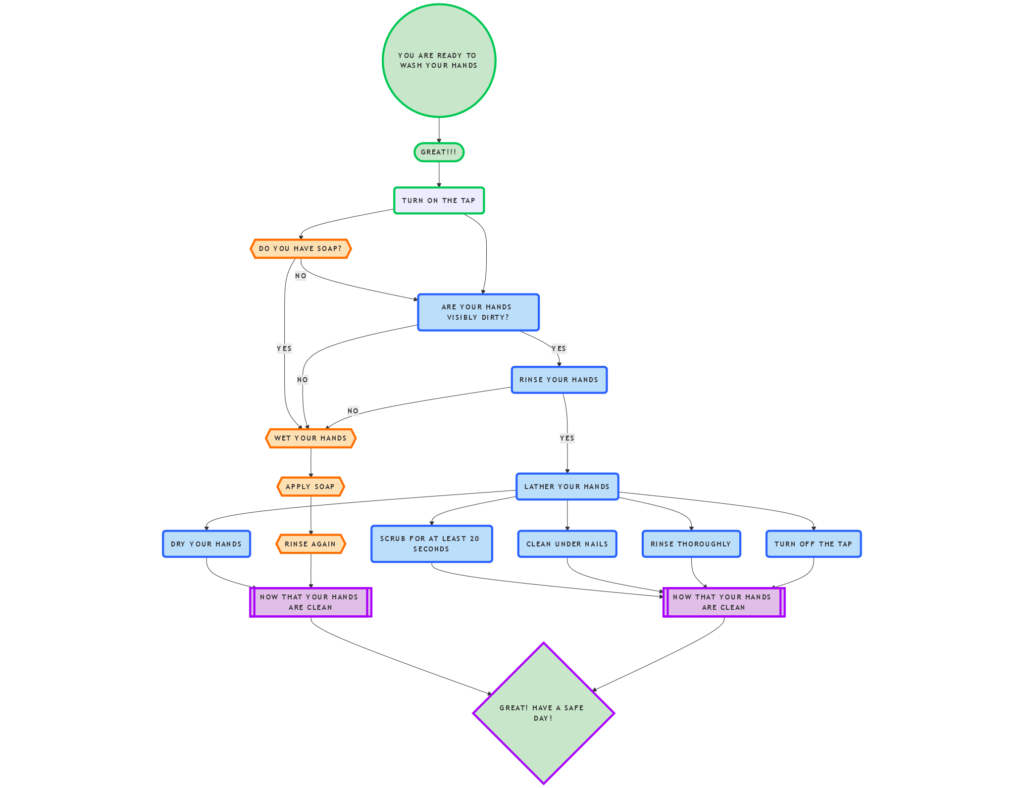
- Why It Matters: Hands can transfer bacteria to food, utensils, and surfaces.
- Pro Tip: Use disposable paper towels or a clean cloth for drying hands to avoid spreading germs.
2. Separate Raw and Cooked Foods
Cross-contamination occurs when bacteria from raw foods, such as meat or seafood, come into contact with ready-to-eat items.
- Practice: Use separate cutting boards for raw meat and fresh produce.
- Tip: Clean all utensils and surfaces thoroughly after use.
3. Cook to the Right Temperature
Cooking food to the correct internal temperature kills harmful bacteria like Salmonella and E. coli.
| Food Type | Safe Internal Temperature |
|---|---|
| Poultry | 165°F (74°C) |
| Ground Meats | 160°F (71°C) |
| Seafood | 145°F (63°C) |
- Tool: Use a food thermometer to check doneness.
- Note: Avoid eating undercooked or raw foods, especially when handling high-risk ingredients like eggs and shellfish.
4. Keep Foods Out of the Danger Zone
The “danger zone” for bacterial growth is between 40°F and 140°F (4°C and 60°C).
- Tips:
- Refrigerate perishables within two hours of cooking.
- Keep hot foods hot and cold foods cold during storage.
- Why It Matters: Foods left in this temperature range for extended periods can become unsafe to eat.
5. Store Food Properly
Proper storage ensures that food remains fresh and safe to consume.
- Label Leftovers: Write the date on containers to track freshness.
- Use Airtight Containers: Prevent exposure to air and contaminants.
- Organize Your Fridge: Store raw meats on the bottom shelf to avoid dripping onto other foods.
6. Practice Regular Cleaning
A clean kitchen is a safe kitchen. Regularly disinfect surfaces, utensils, and cutting boards to prevent bacteria buildup.
- Routine Cleaning Checklist:
- Wash dishcloths and sponges frequently.
- Wipe down countertops with a food-safe sanitizer.
- Clean your refrigerator and dispose of expired items monthly.
7. Defrost Foods Safely
Thawing frozen foods improperly can lead to bacterial growth. Always defrost in the refrigerator, under cold running water, or in the microwave.
- Avoid Room Temperature Thawing: Bacteria multiply quickly in warm environments.
- Pro Tip: Plan ahead to thaw items overnight in the fridge.
8. Use Safe Water and Ingredients
Ensuring the quality of your ingredients is crucial for food safety.
- Check Labels: Inspect expiry dates and quality seals.
- Wash Produce Thoroughly: Rinse fresh fruits and vegetables under running water to remove dirt and pesticides.
- Drink Safe Water: Use filtered or boiled water for cooking and cleaning.
9. Know When to Toss Leftovers
Consuming spoiled food can lead to severe foodborne illnesses.
| Food Item | Safe Storage Duration in the Fridge |
|---|---|
| Cooked Meats | 3-4 days |
| Soups and Stews | 3-4 days |
| Fresh Dairy Products | Follow expiration date |
- Tip: When in doubt, throw it out.
10. Educate Yourself on Food Safety Practices
Staying informed is essential to maintaining high food safety standards. Regularly update your knowledge by reading reliable sources like FoodSafety.gov or CDC Food Safety.

Benefits of Practicing Food Safety
Implementing these essential food safety tips has multiple benefits:
- Protects Health: Reduces the risk of foodborne illnesses.
- Preserves Food Quality: Ensures meals are fresh and flavorful.
- Saves Money: Prevents food waste by properly storing ingredients.
Conclusion
Practicing food safety at home is not just a responsibility—it’s a way to show care for yourself and your loved ones. By following these essential tips, you can create meals that are both delicious and safe. For more detailed guidance, visit trusted resources like FoodSafety.gov.