 Skip to content

Foot safety is one of those topics people rarely talk about until something goes wrong—a crushed toe, a nasty slip, or chronic heel pain that makes every step miserable.
Yet our feet carry us through every task, on every shift, in every industry. Protecting them is not optional; it is a core part of a safe and healthy workplace.
A strong approach to foot safety prevents painful injuries, reduces lost-time incidents, and supports productivity.
Whether you work in construction, healthcare, warehousing, manufacturing, or hospitality, understanding the risks to your feet and how to control them is essential.
- Why Foot Safety Matters More Than You Think
- Common Hazards That Threaten Foot Safety
- Choosing the Right Footwear to Support Foot Safety
- Everyday Habits That Strengthen Foot Safety
- Workplace Controls That Support Foot Safety
- Foot Safety in Different Work Environments
- A Simple Checklist to Strengthen Foot Safety
- Making Foot Safety Part of Your Safety Culture
Why Foot Safety Matters More Than You Think
When foot safety fails, the results can be serious: fractures, puncture wounds, sprains, burns, and long-term musculoskeletal problems. These are not “minor” injuries. They can sideline workers for weeks, affect mobility for life, and create expensive claims for employers.
Internationally, safety agencies such as OSHA and the Canadian Centre for Occupational Health and Safety highlight foot injuries as a common workplace issue that is largely preventable with proper controls and personal protective equipment (PPE).
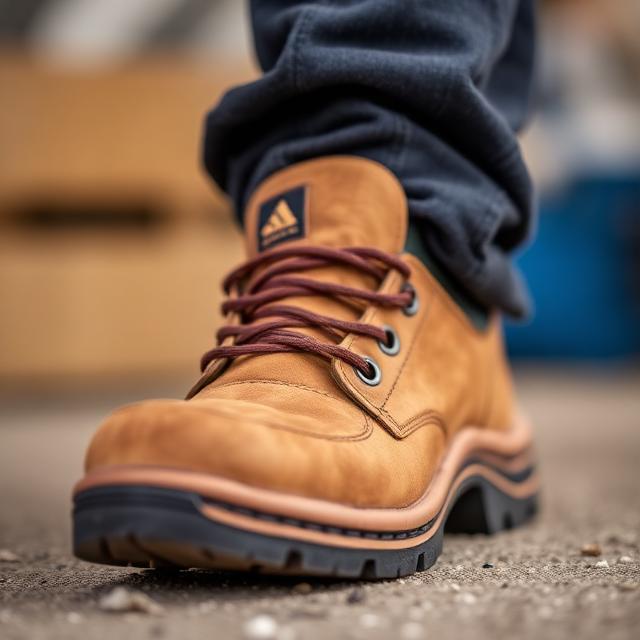
Good foot safety also helps reduce slips, trips, and falls—one of the leading causes of lost-time injuries in many sectors.
By treating foot safety as an integral part of your safety program, rather than a “just wear boots” rule, you protect workers’ health, support morale, and improve overall safety performance.
Common Hazards That Threaten Foot Safety
To improve foot safety, start by identifying the hazards that put feet at risk in your workplace.
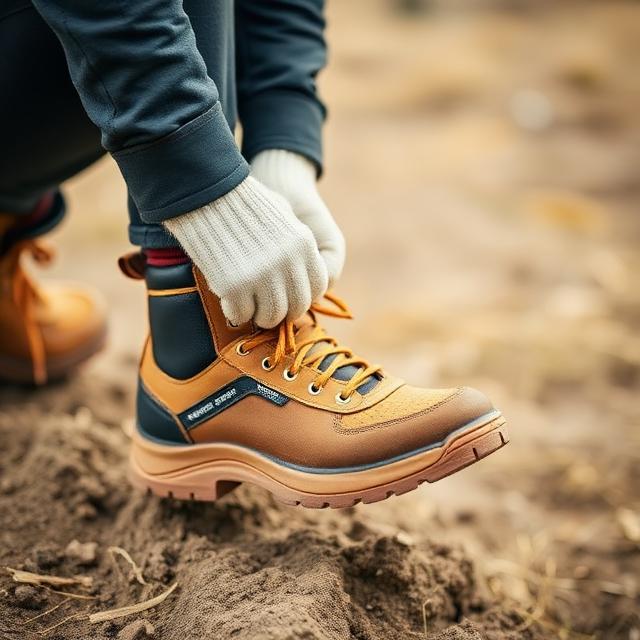
Common threats include:
- Falling or rolling objects – Tools, materials, drums, and equipment can crush toes and feet if dropped or knocked over.
- Sharp objects on the floor – Nails, screws, glass, metal shavings, and needles can puncture or cut through ordinary footwear.
- Slippery, uneven, or cluttered surfaces – Wet floors, oil spills, loose mats, cords, and damaged flooring increase the risk of slips, trips, and falls.
- Chemical and thermal exposures – Corrosive chemicals, hot surfaces, molten metal, and extreme cold can burn or damage skin and tissue.
- Electrical hazards – Live conductors, damaged cords, or static discharge can create electrical risks, particularly for workers in damp areas.
- Standing or walking for long periods – Prolonged standing on hard surfaces can cause fatigue, joint pain, and chronic foot problems, undermining foot safety even in “low-risk” environments.
Each of these hazards calls for a specific control strategy. Foot safety is not just about buying steel-toe boots; it’s about matching footwear and controls to the actual risks workers face.
Choosing the Right Footwear to Support Foot Safety
The right footwear is the foundation of foot safety. However, “safety boots” is not a one-size-fits-all solution.
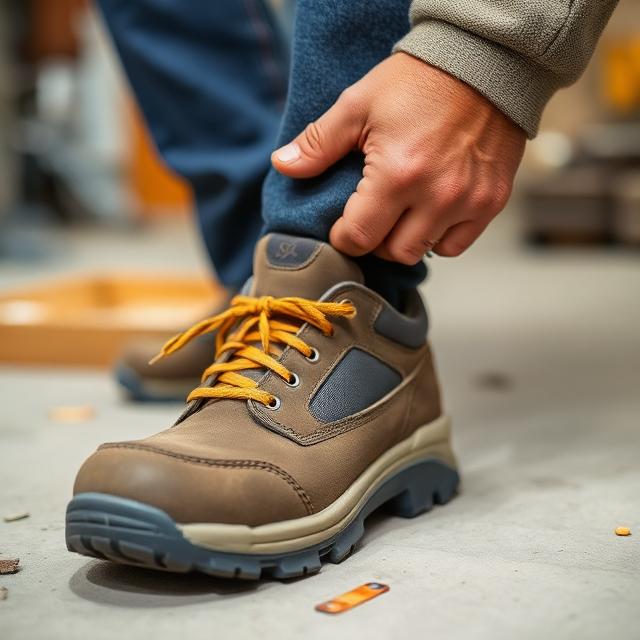
You should formally assess your tasks and environment, then select footwear that offers appropriate protection and comfort.
Key factors to consider:
- Toe protection – Steel, aluminum, or composite toe caps protect against impact and compression. Workers exposed to falling or rolling objects should wear certified protective toe footwear that meets relevant standards (such as CSA or ASTM).
- Sole design and slip resistance – Outsoles should match the surface conditions. Wet kitchens, icy outdoor areas, oily industrial floors, and dusty warehouses all require different tread patterns and slip-resistant properties.
- Puncture resistance – Midsole plates help prevent nails and sharp objects from penetrating the sole—critical in construction, renovation, and waste-handling work.
- Chemical and heat resistance – In environments with corrosive chemicals or hot surfaces, select materials designed to withstand these exposures without degrading.
- Electrical properties – Depending on the risk, you may need electrically conductive, anti-static, or electrical hazard–rated footwear.
- Fit and comfort – Poorly fitting boots can cause blisters, calluses, and chronic pain. Comfort is not a luxury; it is a key part of foot safety and long-term worker health.
Employers should document footwear requirements in their PPE procedures and provide guidance or training on selecting and maintaining footwear.
Linking this to other PPE topics, such as hand protection and glove selection, can help workers see foot safety as part of a complete protection strategy.
Everyday Habits That Strengthen Foot Safety
Even the best footwear cannot guarantee foot safety if workers do not use and look after it properly.
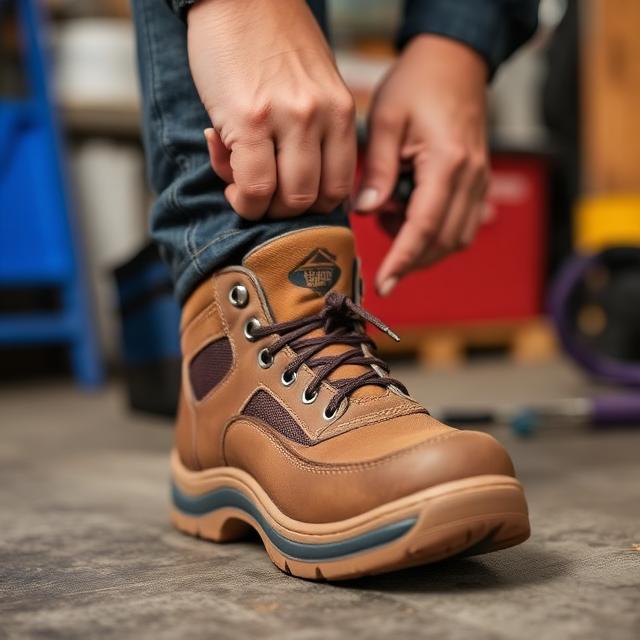
Simple daily habits make a big difference:
- Inspect footwear before each shift – Check for worn soles, loose toe caps, cracks, exposed steel, or broken laces. Damaged footwear cannot provide reliable protection.
- Use proper socks – Moisture-wicking, cushioned socks reduce friction and keep feet dry. This helps prevent blisters and fungal infections that can turn into more serious issues.
- Lace up correctly – Loose laces or unfastened zippers increase the chance of slips and ankle injuries. Proper fastening is part of foot safety, not just appearance.
- Keep feet clean and dry – Good hygiene helps prevent infections, especially for workers wearing safety boots all day.
- Report discomfort early – Persistent foot pain, numbness, or swelling should be reported. Early intervention can prevent long-term problems and allow adjustments to footwear or tasks.
Encouraging workers to adopt these daily foot safety habits should be part of toolbox talks, safety meetings, and onboarding training.
Workplace Controls That Support Foot Safety
Foot safety is not the worker’s responsibility alone. Employers, supervisors, and joint health and safety committees all play vital roles.
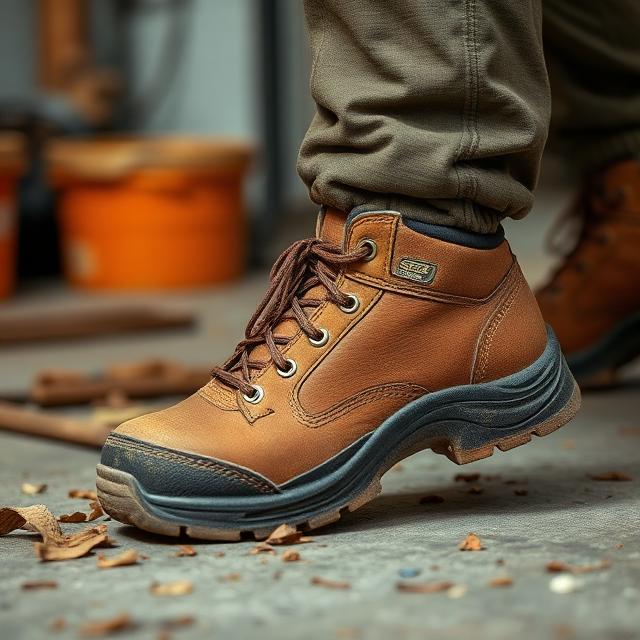
Important control measures include:
- Engineering controls – Use guards, barriers, toe boards, and mechanical handling devices to reduce the risk of objects falling on feet or workers manually handling heavy loads.
- Housekeeping and flooring – Keep floors clean, dry, and free of obstacles. Repair damaged flooring and use appropriate mats or coatings where slipping is a concern.
- Administrative controls – Define safe work procedures, set clear footwear requirements for each area, and rotate tasks to reduce prolonged standing where possible.
- Training and supervision – Provide practical training on foot hazards, proper footwear selection, and the importance of foot safety. Supervisors should reinforce requirements consistently.
Linking foot safety to broader topics like slip, trip, and fall prevention and emergency response helps workers understand that protecting their feet is part of a larger safety system, not an isolated rule.
Foot Safety in Different Work Environments
Foot safety challenges differ from site to site. A few examples:
- Construction and industrial sites
Workers face heavy materials, moving equipment, sharp debris, and uneven ground. Here, a robust foot safety program emphasizes protective toe caps, puncture-resistant soles, high-visibility features, and strict housekeeping. - Healthcare and long-term care
Slippery floors, bodily fluids, and long hours on the move put stress on feet. Slip-resistant shoes with good cushioning and easy-to-clean materials enhance foot safety for nurses, PSWs, and other healthcare staff. - Warehousing and logistics
Forklifts, pallet jacks, and racking systems create crush and impact hazards. Stable, supportive footwear with toe protection and anti-slip soles is crucial, along with clearly marked walkways and traffic controls. - Food service and hospitality
Greasy or wet floors, broken glass, and hot liquids are everyday hazards. Non-slip, closed-toe footwear is essential to maintain foot safety and prevent painful scalds and lacerations.
In each environment, performing a specific hazard assessment and tailoring your foot safety plan is far more effective than a generic “everyone wear safety boots” rule.
A Simple Checklist to Strengthen Foot Safety
Supervisors and safety reps can use a short checklist during inspections or walk-throughs to keep foot safety on the radar:
- Are floor surfaces clean, dry, and well-maintained?
- Are high-risk areas identified with clear signage and PPE requirements?
- Are workers wearing footwear appropriate to their hazards and tasks?
- Are there procedures for replacing worn or damaged footwear?
- Are workers trained and reminded about foot safety during orientations and safety talks?
For more detailed guidance, many organizations refer to resources such as NIOSH and national safety associations, along with trusted OHSE content hubs like OHSE.ca.
Making Foot Safety Part of Your Safety Culture
Ultimately, foot safety should become a normal part of “how we work here,” not just another rule on a poster. When leaders model good footwear practices, respond quickly to hazards, and engage workers in decisions about PPE and controls, people are more likely to take the issue seriously.
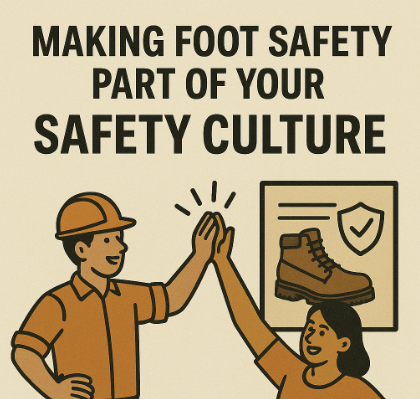
Treat every step as important. Review your current hazards, update your PPE requirements, improve housekeeping, and talk regularly with your team about how their feet feel after a shift. Those conversations reveal a lot about whether your workplace truly supports foot safety—or just assumes it will take care of itself.
By investing time, attention, and resources into protecting workers’ feet, you reduce injuries, boost comfort and morale, and keep people moving safely through every shift. That is the real power of effective foot safety.
No comments yet