

Managing chronic pain in the workplace is a critical issue affecting both employees and employers. Chronic pain can significantly impact productivity, morale, and overall health, creating challenges for organizations striving to maintain a supportive environment.


By implementing targeted strategies, businesses can help employees transition from pain to performance while fostering a healthier workplace culture.
- Understanding the Impact of Chronic Pain in the Workplace
- Strategies for Managing Chronic Pain in the Workplace
- Encouraging Self-Management for Chronic Pain
- Workplace Policies for Chronic Pain Support
- Measuring the Success of Pain Management Initiatives
- Practical Tips for Managing Chronic Pain in the Workplace
- Tools and Resources for Supporting Chronic Pain Management
- Conclusion
Understanding the Impact of Chronic Pain in the Workplace
Chronic pain is more than a physical challenge; it’s a complex condition that affects every aspect of an individual’s life. In the workplace, it can lead to reduced productivity, increased absenteeism, and diminished morale.
- Decreased productivity: Employees with chronic pain often struggle to focus, leading to errors and slower task completion.
- Higher absenteeism: Frequent medical appointments and the physical toll of pain contribute to missed workdays.
- Emotional toll: Chronic pain is linked to anxiety, depression, and stress, which further impact job performance.
According to the National Institute of Health, chronic pain affects over 20% of adults, making it a widespread concern that businesses must address.
Strategies for Managing Chronic Pain in the Workplace
Implementing effective strategies for managing chronic pain can help employees thrive despite their condition. Here’s how organizations can support their workforce:
1. Foster an Open and Supportive Culture
Creating a culture where employees feel comfortable discussing chronic pain is essential.
- Encourage communication: Train managers to handle conversations about chronic pain with empathy and understanding.
- Offer confidentiality: Ensure employees can share their struggles without fear of judgment or discrimination.
- Build awareness: Educate staff about chronic pain to foster a more inclusive environment.
2. Provide Flexible Work Options
Flexibility can make a significant difference for employees managing chronic pain.
- Remote work opportunities: Allow employees to work from home when needed to accommodate their physical needs.
- Flexible schedules: Enable adjustments to start and end times for medical appointments or flare-ups.
- Part-time options: Offer reduced hours for those who may benefit from a lighter workload.
3. Optimize Workplace Ergonomics
Ergonomic improvements can alleviate physical discomfort and prevent further pain.
- Adjustable workstations: Provide desks and chairs that accommodate various postures and preferences.
- Assistive devices: Offer tools like ergonomic keyboards or supportive cushions.
- Regular assessments: Conduct workplace evaluations to identify and address ergonomic risks.
Encouraging Self-Management for Chronic Pain
While organizational support is vital, employees must also take steps to manage their chronic pain effectively. Employers can encourage self-management through education and resources.
4. Promote Healthy Lifestyles
A healthy lifestyle can reduce the severity of chronic pain and improve overall well-being.
- Encourage exercise: Provide access to workplace fitness programs or gym memberships.
- Offer nutrition guidance: Share resources on anti-inflammatory diets.
- Support mental health: Include counseling services in employee wellness programs.
5. Educate Employees on Pain Management Techniques
Knowledge empowers employees to take control of their pain.
- Mindfulness and relaxation: Host workshops on meditation or stress reduction techniques.
- Pain tracking: Encourage employees to monitor symptoms to identify triggers and patterns.
- Access to resources: Share information about chronic pain management programs and specialists.

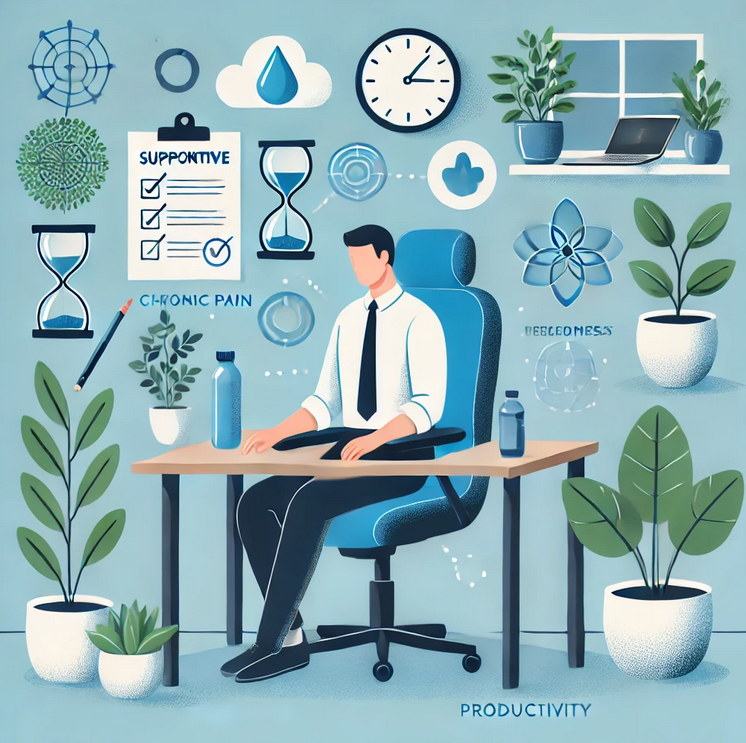
Workplace Policies for Chronic Pain Support
Establishing clear policies ensures consistent support for employees managing chronic pain.
6. Develop a Comprehensive Health Plan
Health plans should address the unique needs of employees with chronic pain.
- Inclusive insurance coverage: Ensure coverage for physical therapy, pain specialists, and alternative treatments.
- Preventive care options: Include screenings and early intervention programs.
- Accessible health services: Partner with providers who offer telehealth options.
7. Create Return-to-Work Programs
Employees recovering from extended absences due to pain require thoughtful reintegration.
- Gradual transitions: Allow employees to ease back into full workloads.
- Customized accommodations: Tailor duties to align with individual capabilities.
- Regular check-ins: Monitor progress and adjust plans as needed.
Measuring the Success of Pain Management Initiatives
Evaluating the effectiveness of strategies for managing chronic pain is essential for continuous improvement.
- Employee feedback: Use surveys to gather insights on the support provided.
- Performance metrics: Track absenteeism rates, productivity levels, and workplace satisfaction.
- Health outcomes: Monitor reductions in pain-related complaints and improvements in overall well-being.
Practical Tips for Managing Chronic Pain in the Workplace
Implementing the following tips can make immediate impacts on employee well-being and productivity:
- Encourage frequent breaks: Short breaks can prevent pain exacerbation during long work hours.
- Provide education: Offer regular training on pain management and ergonomic practices.
- Invest in wellness technology: Use apps or devices that track physical activity and offer reminders for posture changes.
Tools and Resources for Supporting Chronic Pain Management
Organizations can leverage external tools and partnerships to enhance their chronic pain management initiatives:
- Digital health platforms: Tools like BetterUp or MyHealthTeams connect employees to resources and communities.
- Specialized consultants: Partner with pain management experts to create tailored workplace strategies.
- Training programs: Explore courses from organizations like the American Chronic Pain Association to educate employees and leaders.
Conclusion
Managing chronic pain in the workplace is not just about mitigating challenges; it’s about unlocking potential. By fostering a culture of support, providing resources, and encouraging self-management, organizations can help employees transition from pain to performance.
These efforts not only improve individual well-being but also enhance overall productivity and morale. For more insights on workplace health and safety, visit OHSE.ca and the Chronic Pain Association of Canada.
Begin implementing these strategies today to create a workplace where employees can thrive, no matter the challenges they face.