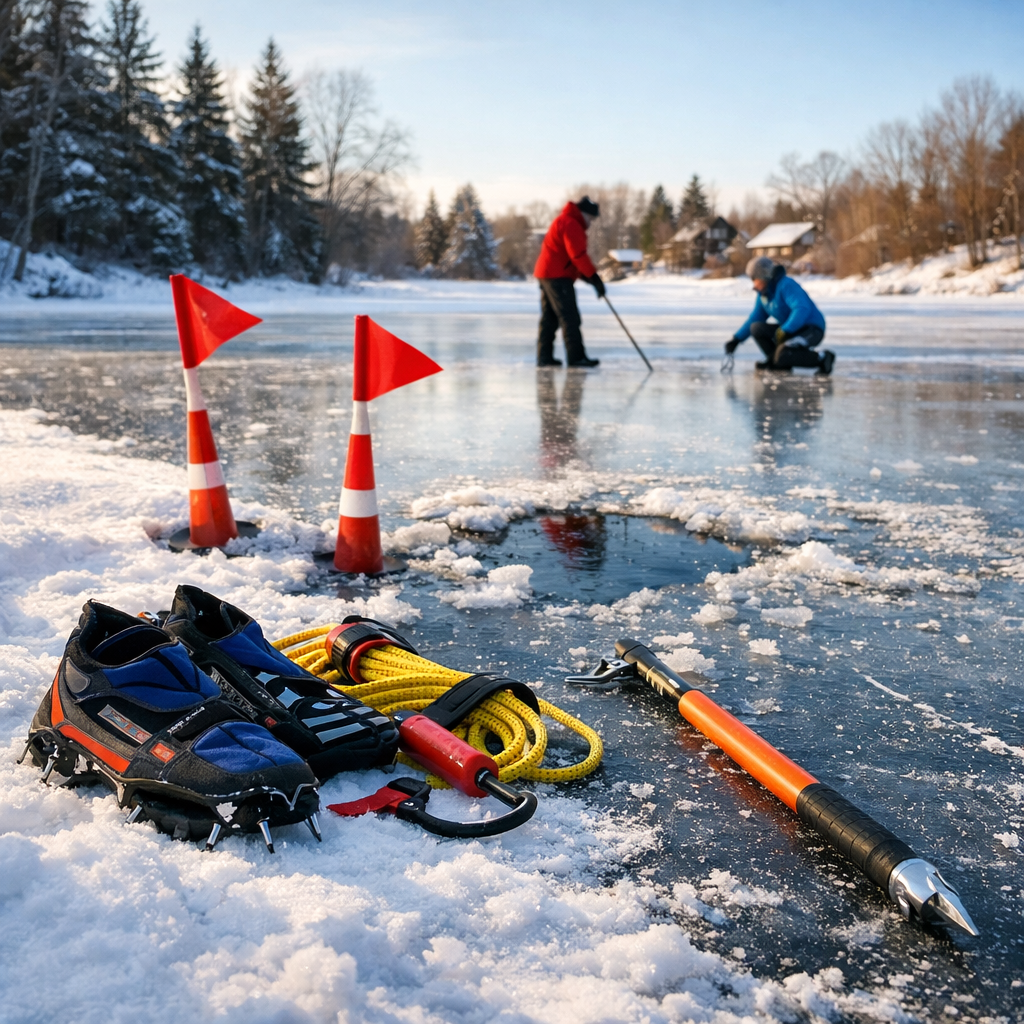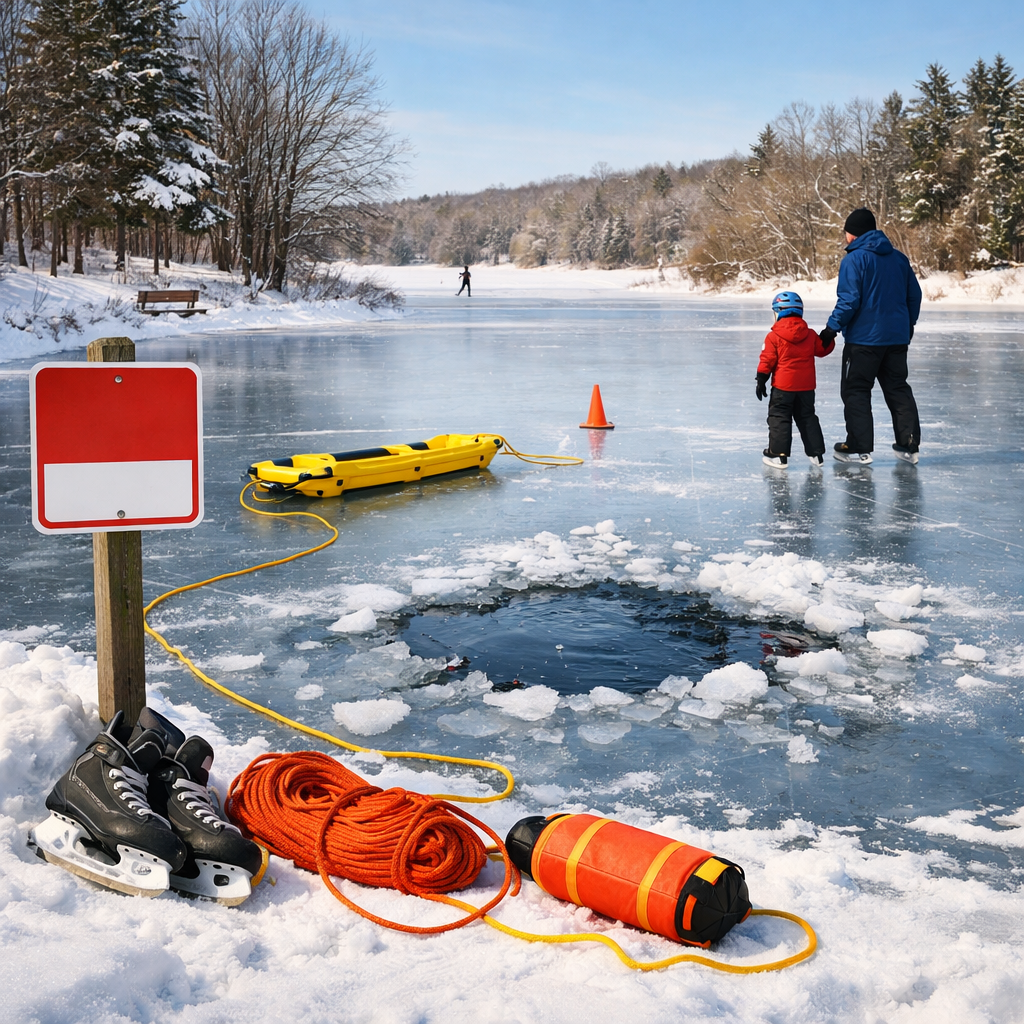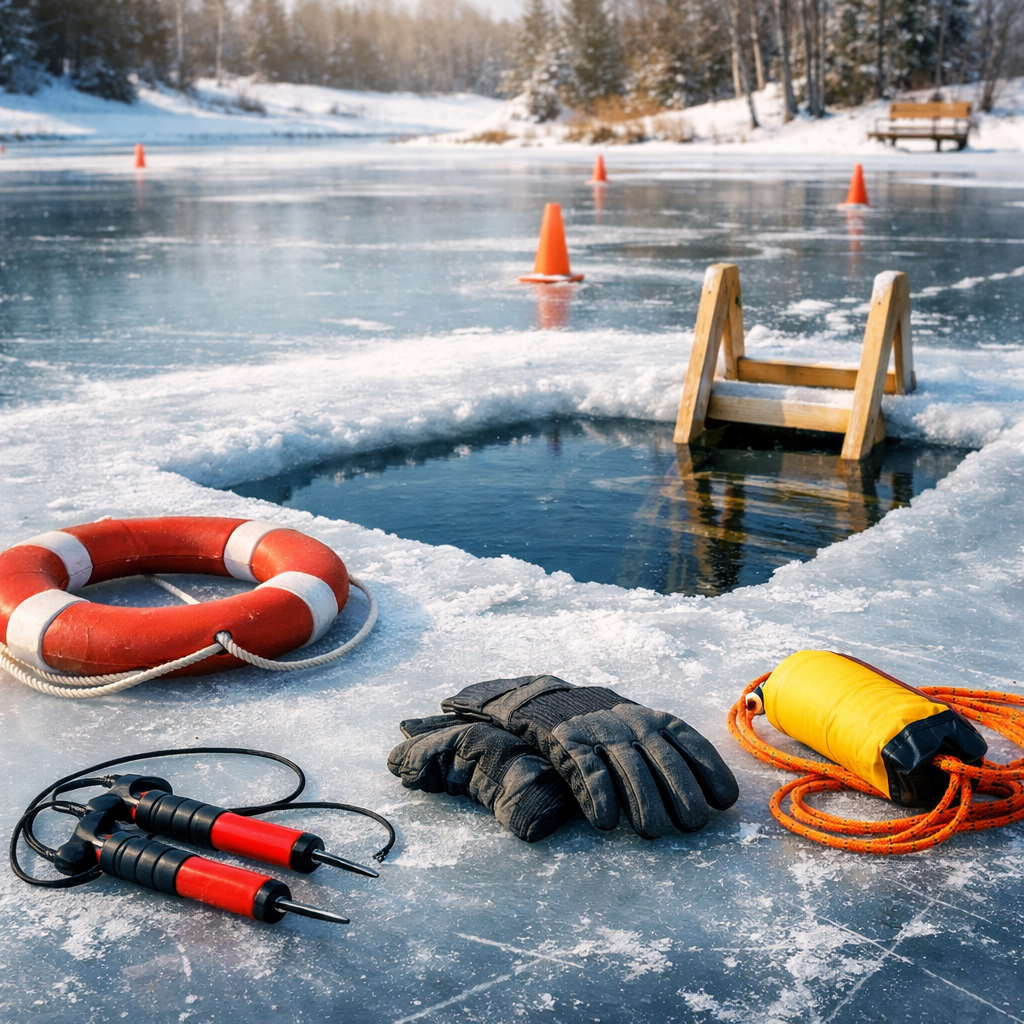

Frozen pond safety matters every winter in Canada, especially for children and students who may be drawn to outdoor skating, shortcuts across ice, or play near ponds, stormwater basins, and creeks. Ice can look solid while hiding weak spots, changing thickness, and dangerous edges, which is why families, schools, and youth programs need a calm, prevention-focused approach before anyone steps near a frozen surface.
For Ontario families and educators, the safest message is simple: do not assume natural ice is safe just because temperatures have stayed low for a few days. Snow cover, moving water, drainage, changing weather, and repeated thaw-freeze cycles can all weaken ice. Practical winter planning, supervision, and clear rules help reduce risk far more effectively than relying on appearance alone.
- Why frozen pond safety requires extra caution for children and students
- Frozen pond safety basics every family and school should teach
- Where frozen pond safety risks are often missed
- Prevention first: applying simple controls at home, school, and work
- What children and students should know if ice gives way
Why frozen pond safety requires extra caution for children and students
Children often judge danger by what they can see. A pond that looks smooth, white, and busy with footprints may feel safe, even when the ice is thin near shorelines, culverts, docks, reeds, or areas with flowing water underneath. Students may also face peer pressure, curiosity, or the temptation to take a shortcut on the way to school, work, or a friend’s house.
Young people are also more likely to be distracted by play, phones, backpacks, sleds, skates, or group activity. That can delay good decision-making and make it harder to recognize warning signs such as cracks, slush, standing water, dark patches, or open areas. For schools, after-school programs, and employers with young workers, winter safety talks should specifically address natural ice hazards rather than assuming basic cold-weather reminders are enough.
Common high-risk situations
- Walking across a pond or stormwater basin as a shortcut
- Playing unsupervised near school grounds, parks, or neighbourhood trails
- Skating on natural ice that has not been officially checked or maintained
- Gathering in groups, which adds weight and pressure to one area
- Going near creeks, culverts, bridges, docks, or drainage outlets
- Trying to rescue a pet, puck, sled, or personal item from weak ice
Frozen pond safety basics every family and school should teach
The best frozen pond safety rule is to stay off natural ice unless local authorities or a responsible organization have confirmed it is safe for the intended activity. Even then, conditions can change quickly. Schools should include this message in winter newsletters, field trip planning, and student reminders before lunch, after class, and ahead of weekends or holidays.
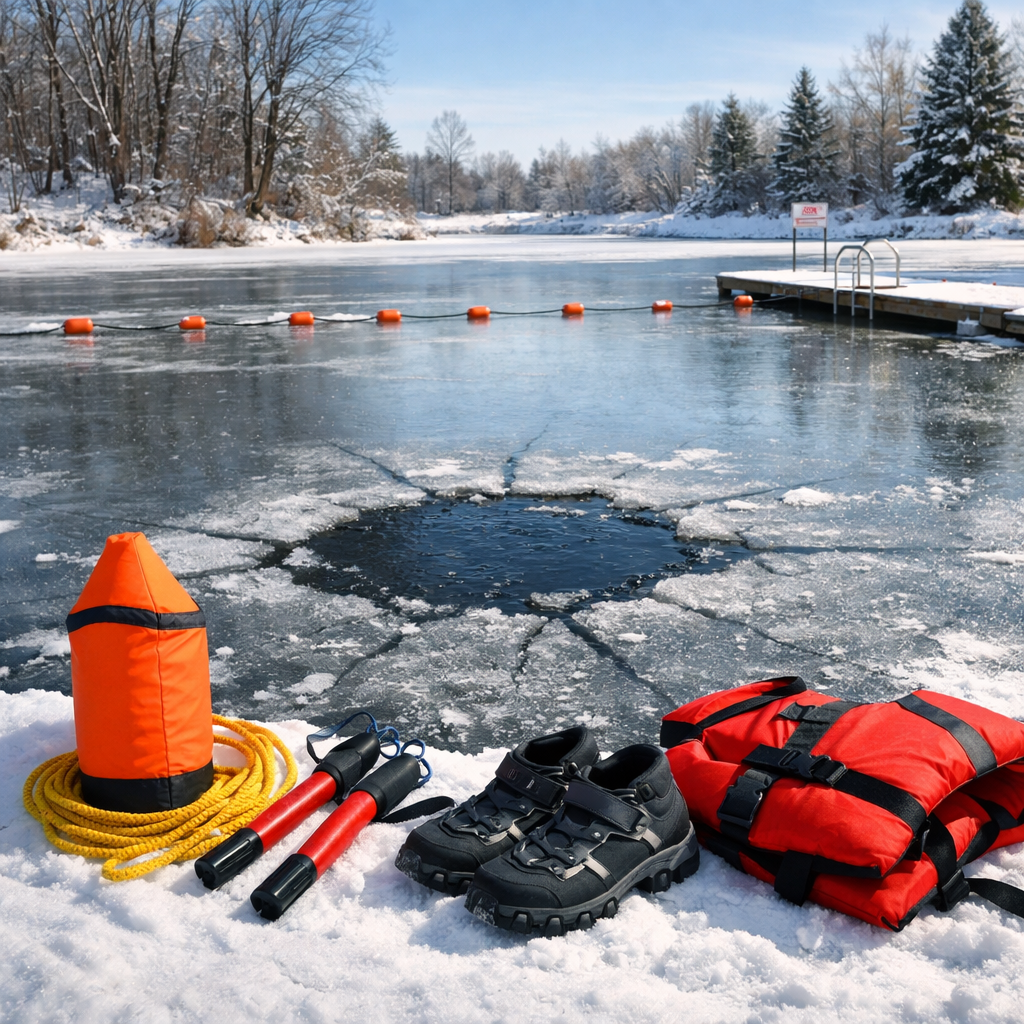
Parents can reinforce the same rules at home. Children should know that no one should ever go onto a frozen pond alone, at dusk, or without adult awareness. Younger children need a firm boundary: look, do not go on. Older students need practical guidance about risk recognition, route planning, and what to do if friends suggest testing the ice.
A short actionable frozen pond safety checklist
- Stay off natural ice unless it has been officially assessed and permitted for use.
- Keep children within sight near ponds, creeks, and stormwater areas.
- Use designated rinks or supervised skating areas instead of natural ponds.
- Teach children never to chase toys, pets, or sports equipment onto ice.
- Review safe walking routes to and from school that avoid frozen water.
- Set a family rule to tell an adult immediately if someone goes onto unsafe ice.
- Follow local school, municipal, workplace, and emergency guidance at all times.
Organizations such as the Canadian Centre for Occupational Health and Safety, the Government of Ontario, and Parachute offer broader safety information that can support winter risk awareness. For workplace and public safety updates, readers can also explore OHSE.ca.
Where frozen pond safety risks are often missed
Not all frozen water hazards look like classic ponds. In Ontario communities, risks may exist around stormwater management ponds, retention ponds, drainage channels, marsh edges, flooded fields, and park features that freeze over in winter. These areas may be especially dangerous because water flow, runoff, and drainage equipment can create weak ice below the surface.
Schools and families should also think about timing. Before school, after school, evenings, and weekends are often the highest-risk periods because supervision may be reduced and children may gather informally. Winter extracurriculars, outdoor education, maintenance tasks, and youth work placements can also increase exposure if routes or activities take place near frozen water.
Warning signs that should always be taken seriously
| Condition | Why it matters | Safer response |
|---|---|---|
| Dark or grey-looking ice | May indicate thinner, wetter, or weaker ice | Stay off and keep others back |
| Snow-covered surface | Can hide cracks, holes, and weak spots | Do not assume the ice below is safe |
| Open water near edges or structures | Suggests changing conditions or moving water | Avoid the entire area |
| Cracking, slush, or standing water | Signals instability and possible ice failure | Leave the area immediately |
Prevention first: applying simple controls at home, school, and work
A practical way to think about frozen pond safety is through prevention and the hierarchy of controls. The most effective step is elimination: avoid natural ice entirely when possible by choosing supervised rinks, cleared paths, and approved recreation areas. For schools, that may mean adjusting outdoor activity boundaries and reminding students not to use frozen water as a shortcut.
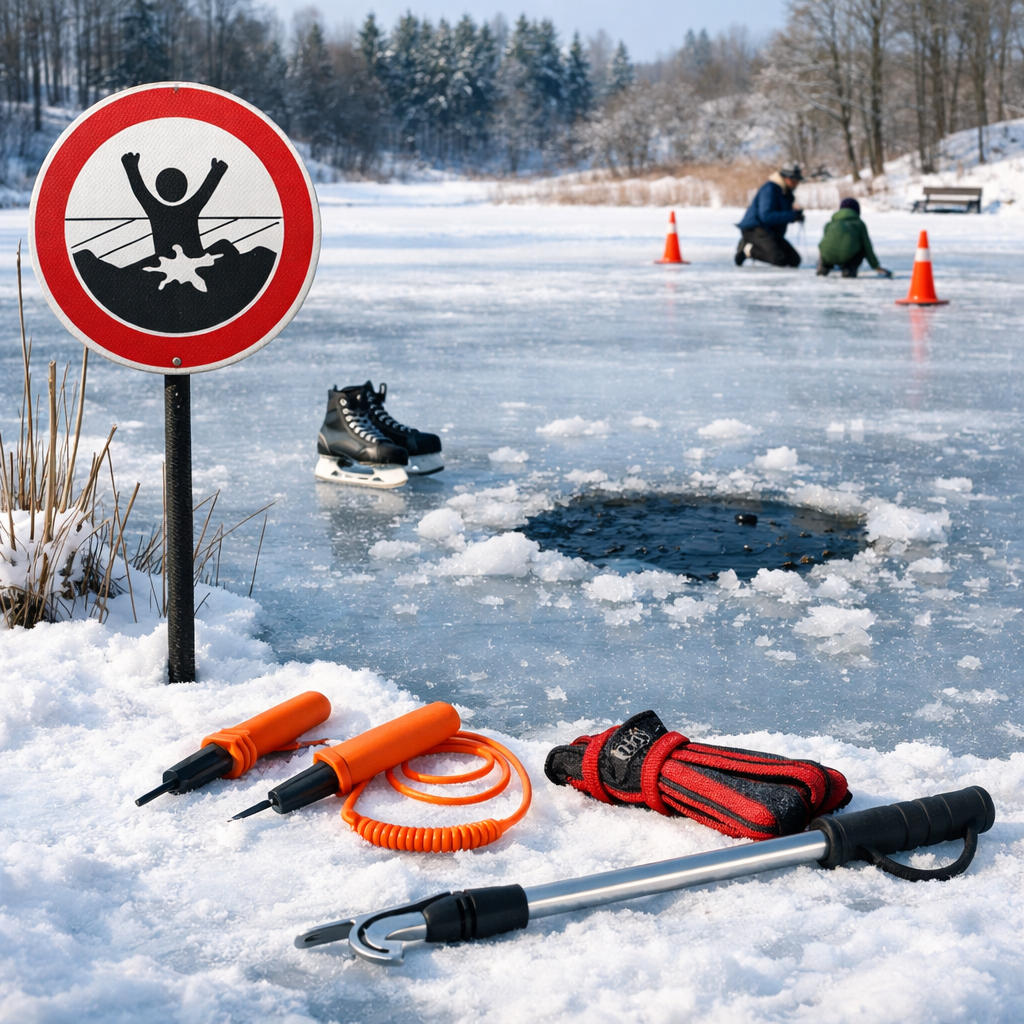
Engineering and administrative controls can also help. Fencing, barriers, signs, lighting, route changes, and supervised pickup areas may reduce exposure around schoolyards, parks, and workplaces. Clear policies matter too. Students, staff, volunteers, and young workers should know which areas are off-limits in winter and who to contact if they see unsafe behaviour or changing conditions.
Personal behaviour is the final layer. Children should wear winter clothing suited to the weather, but heavy clothing is not a substitute for safe decision-making. Young workers doing outdoor tasks near water features, landscaping, maintenance zones, or public properties may benefit from winter hazard awareness training through employer programs or educational options such as OHSE training where relevant.
Practical prevention steps for Canadian families and schools
- Identify nearby ponds, drainage basins, creeks, and park water features before winter deepens.
- Plan safer walking and play routes that avoid frozen water entirely.
- Review winter supervision expectations with caregivers, teachers, coaches, and older siblings.
- Use age-appropriate reminders in classrooms and at home.
- Report damaged fencing, missing signs, or unsafe access points to the property owner or municipality.
What children and students should know if ice gives way
Even with strong prevention, emergency awareness is still important. Children should be taught not to run toward someone who has fallen through ice. That can quickly create multiple victims. The safer message is to get help from an adult immediately, call local emergency services, and, if possible, assist from a distance using a long object only if it can be done without stepping onto the ice.
Older students should also understand that self-rescue advice can never replace prevention, supervision, and professional emergency response. Panic, cold water, unstable edges, and heavy winter clothing can make the situation worse within moments. Families, schools, and workplaces should follow local emergency procedures and any site-specific guidance already in place.
Frozen pond safety is ultimately about choosing distance over risk. When children and students learn that natural ice is unpredictable, and when adults reinforce clear boundaries, safer alternatives, and supervised winter fun, preventable tragedies are less likely. In Canadian winters, the smartest approach to frozen pond safety is consistent caution, clear rules, and staying off natural ice unless local authorities have confirmed it is safe.