

In the chemical industry, the handling and storage of hazardous substances present significant health and safety risks. Workers who deal with chemicals on a daily basis are often exposed to materials that are toxic, corrosive, flammable, reactive, or otherwise harmful.

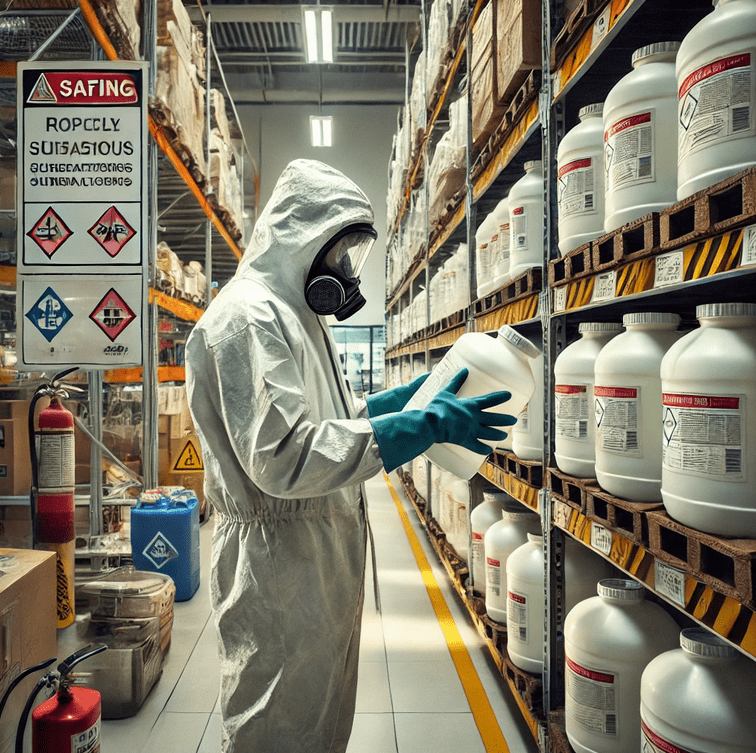
Failing to implement robust safety protocols can lead to chemical spills, fires, explosions, or long-term health issues for employees. Thus, the safe handling and storage of hazardous substances are critical for ensuring worker safety and maintaining regulatory compliance.
This article delves into the essential safety protocols for managing hazardous substances in chemical industries, covering the proper handling, storage procedures, and regulatory requirements that can prevent accidents and protect workers.
1. Understanding Hazardous Substances and Their Risks
Hazardous substances are materials that pose physical or health risks to people and the environment. These include chemicals that are toxic, flammable, explosive, corrosive, or reactive. Workers in the chemical industry may come into contact with these materials in various forms—solids, liquids, gases, or vapors.
Common Types of Hazardous Substances:
- Toxic Chemicals: Substances that can cause harm when inhaled, ingested, or absorbed through the skin, such as pesticides or heavy metals.
- Corrosive Chemicals: Materials that can cause severe damage to human tissue or metal surfaces, such as acids and bases.
- Flammable and Combustible Substances: Chemicals that can ignite and cause fires or explosions, such as solvents, gases, and vapors.
- Reactive Chemicals: Substances that can undergo dangerous reactions when exposed to heat, pressure, or other chemicals.
Risks Associated with Hazardous Substances:
- Health Hazards: Long-term exposure to chemicals can lead to chronic diseases such as cancer, respiratory problems, and reproductive issues.
- Physical Hazards: Improper handling of hazardous materials can result in fires, explosions, or spills that harm workers or damage property.
- Environmental Hazards: Chemical spills can contaminate soil, water sources, and air, leading to widespread environmental damage.
Understanding the nature of the hazardous substances being handled is crucial for implementing effective safety protocols.
2. Safe Handling Procedures
Handling hazardous substances safely involves a combination of proper training, the use of personal protective equipment (PPE), and following established protocols to minimize exposure and prevent accidents.
a. Worker Training and Competency
Before handling hazardous materials, all workers must receive adequate training on:
- The properties of the substances they are handling (e.g., toxicity, reactivity, flammability).
- Safe handling practices and the importance of minimizing exposure.
- Proper use of PPE, such as gloves, respirators, face shields, and protective clothing.
- Emergency procedures, including spill response, first aid, and evacuation protocols.
Tip: Regular refresher training ensures that workers remain competent and up to date on safety protocols, especially when new chemicals are introduced into the workplace.
b. Use of Personal Protective Equipment (PPE)
PPE acts as the last line of defense against hazardous substance exposure. The type of PPE required will depend on the nature of the chemical hazard.
- Gloves: To prevent skin contact with toxic or corrosive substances.
- Respirators or Masks: To protect against inhalation of harmful fumes, vapors, or dust.
- Safety Goggles or Face Shields: To protect the eyes from splashes of chemicals.
- Full-Body Protective Suits: For handling highly hazardous substances or when there is a risk of spills or splashes.
Tip: Employers should provide PPE suited to the specific hazards and ensure that workers understand how to wear and maintain their equipment correctly.
c. Handling Hazardous Substances Safely
Follow these best practices to minimize risk during chemical handling:
- Labeling: Ensure that all containers are clearly labeled with the name of the chemical, hazard symbols, and any required precautions.
- Avoiding Contamination: Use separate tools and equipment for different chemicals to prevent cross-contamination.
- Minimizing Quantities: Only handle the amount of chemical necessary for the task to reduce exposure risks.
- Ventilation: Work in well-ventilated areas to prevent the accumulation of harmful fumes or vapors. Use fume hoods for tasks that involve toxic or volatile chemicals.
- Transportation of Chemicals: When moving hazardous substances, use proper containers and secure them to prevent spills or leaks. Ensure that transportation routes are free of obstructions or hazards.
3. Safe Storage of Hazardous Substances
Proper storage of hazardous substances is critical to preventing accidental spills, fires, or other incidents that could endanger workers and the environment. Each chemical should be stored based on its hazard class, and facilities must follow specific storage requirements for different types of chemicals.
a. Segregation of Chemicals
Some chemicals react dangerously when mixed with others, such as acids and bases or oxidizers and flammable materials. Therefore, proper segregation is essential to prevent hazardous reactions.
Key Segregation Guidelines:
- Store incompatible chemicals separately: Flammable materials should be kept away from oxidizers, and acids should be separated from bases.
- Use separate storage cabinets: For highly hazardous substances, use specially designed storage cabinets that minimize the risk of reactions (e.g., flammable liquids storage cabinets, corrosive-resistant cabinets).
- Label all storage areas clearly: Ensure that areas containing hazardous materials are labeled with hazard symbols and restricted access signs.
b. Proper Containment
Secondary containment, such as spill trays or bunded areas, can capture leaks or spills from containers, preventing chemicals from spreading and causing damage.
Best Practices for Containment:
- Use spill trays under liquid chemical containers: These trays catch drips or leaks from containers and prevent them from reaching the floor.
- Ensure storage areas are equipped with bunding: This creates a physical barrier to contain spills, particularly for larger containers or drums.
- Check container integrity regularly: Inspect containers for any signs of corrosion, damage, or leaks, and replace them as needed.
c. Temperature Control and Ventilation
Certain chemicals are sensitive to temperature and can degrade, react, or evaporate if stored at the wrong temperature.
- Keep temperature-sensitive chemicals in climate-controlled areas: Ensure proper refrigeration for chemicals that require low-temperature storage.
- Ensure proper ventilation: Storage areas must be well-ventilated to prevent the buildup of toxic fumes or gases.
- Follow manufacturer storage guidelines: Always store chemicals according to the manufacturer’s recommendations for temperature, humidity, and ventilation.
d. Fire and Explosion Prevention
Flammable and combustible materials require special precautions to prevent fires or explosions.
- Use fireproof storage cabinets for flammable substances: These cabinets are designed to contain fires and prevent the spread of flames.
- Store away from ignition sources: Flammable chemicals should be stored away from heat sources, open flames, or equipment that could generate sparks.
- Install proper fire suppression systems: Ensure that storage areas are equipped with fire extinguishers, sprinklers, and alarms in case of a fire emergency.
4. Emergency Response and Spill Management
Even with the best safety protocols in place, accidents can happen. It’s essential to have a well-defined emergency response plan in place for dealing with chemical spills, leaks, or exposures.
a. Spill Response Plan
Every facility handling hazardous substances should have a comprehensive spill response plan that includes:
- Immediate containment of the spill: Workers should use absorbent materials, spill kits, or other containment tools to prevent the spill from spreading.
- Proper disposal of contaminated materials: Follow hazardous waste disposal protocols for cleaning up and disposing of chemicals and contaminated items.
- Evacuation procedures: For large spills or leaks, workers must know how to evacuate the area safely.
- First aid and decontamination: Have clearly marked decontamination stations with emergency showers and eye wash stations available for workers exposed to hazardous chemicals.
b. Spill Kits and Equipment
Spill kits should be strategically placed throughout the facility and easily accessible in the event of a chemical spill. These kits typically contain:
- Absorbent materials (pads, socks, or booms) for soaking up liquid spills.
- Protective gear (gloves, goggles, respirators) for workers handling the cleanup.
- Containers for safely disposing of contaminated materials.
- Instructions for the safe cleanup and disposal of the chemical involved.
c. Reporting Incidents
All chemical spills, exposures, or accidents should be reported and documented. This helps improve future safety protocols and ensures compliance with OHS and environmental regulations.
5. Regulatory Compliance and Safety Audits
Handling and storing hazardous substances is subject to strict regulatory requirements, including OHS standards and environmental laws. Employers must ensure compliance with regulations such as:
- OSHA’s Hazard Communication Standard (HazCom): Requires proper labeling, safety data sheets (SDS), and worker training on chemical hazards.
- Environmental Protection Agency (EPA) regulations: Cover the storage and disposal of hazardous waste to prevent environmental contamination.
- Local and state regulations: Vary by region but typically require facilities to maintain certain safety standards for chemical storage and handling.
Regular Safety Audits
Conduct regular audits and inspections to ensure compliance with all relevant regulations. Safety audits should focus on:
- Proper labeling and storage of hazardous substances.
- Worker training records and certifications.
- Maintenance of safety equipment, such as spill kits, ventilation systems, and PPE.
- Compliance with local and federal laws regarding chemical storage and disposal.
Handling and storing hazardous substances in the chemical industry requires strict adherence to safety protocols to protect workers and the environment. By following best practices for safe handling, proper storage, emergency preparedness, and regulatory compliance, employers can significantly reduce the risks associated with hazardous chemicals.
Ensuring a well-trained workforce, equipped with the right tools and knowledge, is key to maintaining a safe and compliant work environment.