

Healthcare settings are inherently complex environments that present a diverse range of hazards. Unlike traditional workplaces, healthcare facilities house a unique blend of physical, chemical, biological, and psychosocial risks that can affect both workers and patients.

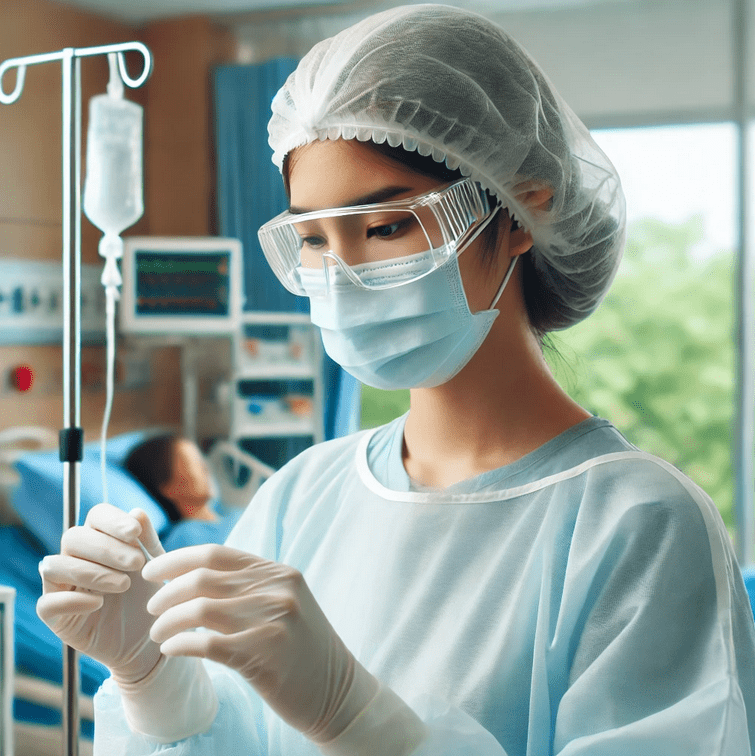
This article delves into the unique hazards faced in healthcare settings and outlines effective control measures to mitigate these risks.
1. Biological Hazards
Healthcare professionals are frequently exposed to various biological hazards, such as viruses, bacteria, and other pathogens. The risk of transmission of infectious diseases, including tuberculosis, influenza, hepatitis, and more recently, COVID-19, is a significant concern.
Controls:
- Standard Precautions: Implementing universal precautions such as the consistent use of gloves, masks, and protective eyewear.
- Vaccination Programs: Ensuring healthcare workers are vaccinated against common diseases.
- Infection Control Protocols: Establishing strict hand hygiene practices and sanitization protocols.
- Isolation Procedures: Properly isolating patients with known infectious diseases to minimize cross-contamination.
2. Chemical Hazards
Healthcare facilities use various chemicals, including disinfectants, anesthetic gases, and cytotoxic drugs, which can pose risks if not handled correctly. Prolonged exposure to hazardous chemicals may lead to skin irritation, respiratory issues, or long-term health problems.
Controls:
- Proper Storage: Ensuring all chemicals are stored according to safety guidelines.
- Training and PPE: Providing adequate training on chemical handling and equipping staff with appropriate personal protective equipment (PPE).
- Ventilation Systems: Implementing proper ventilation to reduce airborne exposure to hazardous substances.
3. Physical Hazards
Physical hazards in healthcare settings include slips, trips, falls, and injuries from medical equipment. Additionally, musculoskeletal injuries from patient handling are prevalent.
Controls:
- Safe Patient Handling Protocols: Using mechanical lifts and teaching proper body mechanics to reduce musculoskeletal injuries.
- Floor Safety Measures: Ensuring that floors are dry, clean, and equipped with anti-slip mats.
- Regular Maintenance: Conducting routine checks on medical equipment and infrastructure to prevent malfunctions.
4. Psychosocial Hazards
The demanding nature of healthcare work can lead to high stress levels, burnout, and even workplace violence. Long shifts, emotional fatigue, and exposure to traumatic situations are common stressors.
Controls:
- Work-Life Balance Programs: Encouraging staff to take breaks and promoting a culture of work-life balance.
- Support Systems: Providing access to mental health resources and employee assistance programs.
- Training in De-escalation Techniques: Equipping staff to handle potentially violent situations effectively.
5. Radiation Hazards
Certain areas of healthcare, such as radiology and oncology, involve exposure to radiation, which can be harmful if proper precautions are not taken.
Controls:
- Protective Equipment: Using lead aprons and shields.
- Dosimeter Badges: Monitoring exposure levels of staff who work with or near radiation.
- Compliance with Regulations: Following all safety protocols set by regulatory bodies such as the Nuclear Regulatory Commission (NRC).
6. Needlestick and Sharp Object Injuries
Accidental injuries from needles and sharp objects are a significant concern, as they can transmit bloodborne pathogens such as HIV and hepatitis.
Controls:
- Needle Safety Devices: Utilizing safety-engineered needles and sharp disposal containers.
- Training Programs: Educating staff on proper handling and disposal techniques.
- Immediate Post-Exposure Protocols: Having a clear procedure in place for post-exposure treatment and reporting.
7. Ergonomic Hazards
Healthcare workers often perform repetitive tasks and sustain awkward postures, contributing to ergonomic-related injuries.
Controls:
- Workstation Assessments: Conducting regular ergonomic assessments and modifying workspaces accordingly.
- Assistive Devices: Providing tools that reduce repetitive motion stress, such as adjustable chairs and ergonomic keyboards.
- Stretching Programs: Implementing scheduled breaks that encourage stretching and movement.
Hazards in healthcare settings are varied and complex, necessitating comprehensive risk management strategies. By implementing effective control measures tailored to these unique risks, healthcare facilities can create a safer environment for both workers and patients.
Continuous education, adherence to safety protocols, and a proactive approach to hazard management are key to maintaining a robust safety culture in healthcare.