

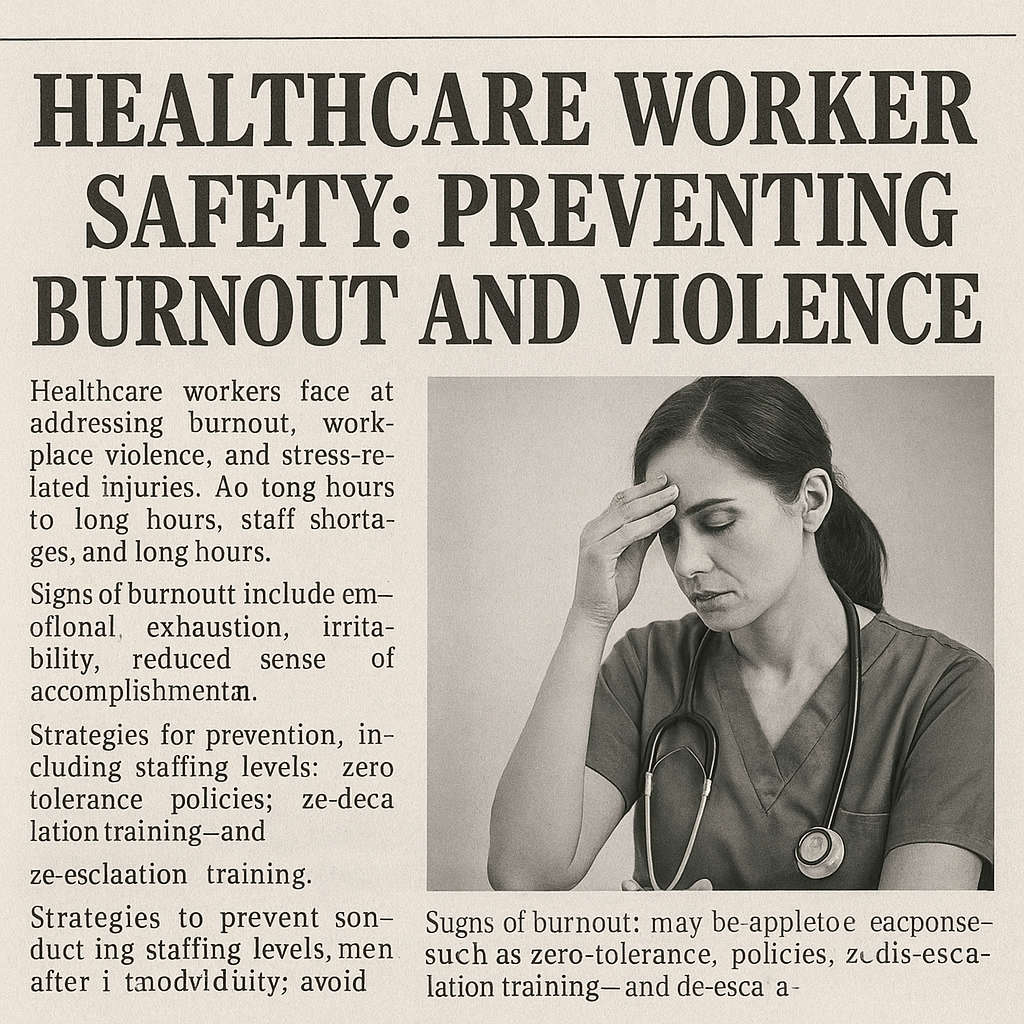
Healthcare worker safety is one of the most urgent occupational health challenges today. From hospitals to long-term care facilities, workers face burnout, workplace violence, and stress-related injuries at alarming rates.
The World Health Organization (WHO) has declared healthcare burnout a global crisis, while workplace assaults in healthcare settings outpace those in almost every other industry.

Protecting healthcare workers is not only a matter of legal compliance—it directly impacts patient care, staff retention, and the sustainability of healthcare systems.
In this article, we will explore how organizations can tackle the dual challenges of burnout and violence prevention to create a safer, healthier work environment.
- Understanding Burnout in Healthcare
- The Rising Threat of Violence Against Healthcare Workers
- Strategies to Prevent Burnout in Healthcare Workers
- Strategies to Prevent Violence in Healthcare Settings
- The Connection Between Burnout and Violence
- Case Study: Ontario Hospitals’ Response
- Practical Tips for Healthcare Workers
- Conclusion: Building a Safer Future for Healthcare Workers
Understanding Burnout in Healthcare
Burnout is a state of emotional, physical, and mental exhaustion caused by prolonged stress. For healthcare workers, it often stems from long hours, staff shortages, emotional demands, and constant exposure to trauma.

Key signs of burnout include:
- Emotional exhaustion and detachment
- Reduced sense of accomplishment
- Irritability and increased errors
- Higher absenteeism and turnover
According to the Canadian Federation of Nurses Unions, more than 60% of nurses report feeling burned out—a statistic mirrored globally.
Burnout compromises healthcare worker safety by increasing the risk of mistakes, mental health breakdowns, and long-term disability.
The Rising Threat of Violence Against Healthcare Workers
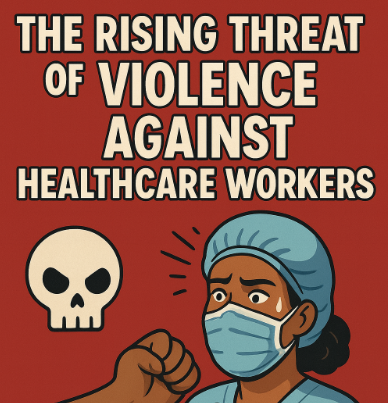
Workplace violence is a growing crisis in healthcare. From verbal abuse to physical assaults, incidents have risen sharply in recent years.
Studies show that healthcare workers are four times more likely to experience workplace violence than other occupations.
Common sources of violence include:
- Aggressive patients and family members
- Stress from long wait times or difficult medical news
- Understaffing that prevents timely care
- Lack of security presence in high-risk units

The Ontario Ministry of Labour and organizations like OHSE.ca emphasize that employers have a legal and moral responsibility to mitigate violence risks through training, policies, and infrastructure improvements.
Strategies to Prevent Burnout in Healthcare Workers
1. Adequate Staffing and Workload Management
Employers must ensure safe staffing levels to reduce overtime and allow for rest breaks. Scheduling flexibility can help workers balance professional and personal responsibilities.
2. Mental Health Support Programs
Providing access to Employee Assistance Programs (EAPs), counseling, and peer support groups allows healthcare workers to manage stress before it escalates into burnout.
3. Promoting a Culture of Resilience
Regular workshops on stress management, mindfulness, and self-care can build resilience. Organizations that recognize employee contributions foster a stronger sense of value and commitment.
4. Encouraging Open Communication
Workers should feel safe to report fatigue or mental strain without fear of stigma or retaliation. Leadership must actively listen and respond to these concerns.
Strategies to Prevent Violence in Healthcare Settings
1. Comprehensive Workplace Violence Policies
Clear policies should outline zero-tolerance approaches, reporting mechanisms, and disciplinary actions. Policies must be visible and reinforced across all levels of the organization.
2. De-escalation and Conflict Management Training
Training healthcare staff in verbal de-escalation techniques and body language awareness can prevent many violent incidents. Simulation-based training is particularly effective.
3. Security Measures and Infrastructure
Hospitals and clinics can improve healthcare worker safety by:
- Installing panic buttons in high-risk areas
- Using surveillance cameras
- Employing security staff trained in healthcare dynamics
- Designing waiting areas to minimize stress and conflict
4. Strong Incident Reporting Systems
Workers must have accessible, confidential ways to report threats or assaults. Data from reports should guide organizational improvements and policy updates.
The Connection Between Burnout and Violence
Interestingly, burnout and workplace violence are interconnected risks. Burned-out workers may have less patience when dealing with aggressive behavior, while violent incidents increase stress and accelerate burnout.
Addressing both issues holistically is essential to building a sustainable healthcare safety culture.
Case Study: Ontario Hospitals’ Response
Several Ontario hospitals have adopted integrated Healthcare Worker Safety Programs. These include staff resilience training, improved nurse-patient ratios, and violence prevention task forces. Early results show:
- Decreased turnover rates
- Fewer reported assaults
- Improved patient satisfaction scores
This reinforces the idea that protecting staff also improves patient outcomes.
Practical Tips for Healthcare Workers
- Take micro-breaks, even if only a few minutes, to reset during long shifts.
- Use buddy systems for working in high-risk areas like emergency departments.
- Document all incidents of aggression, no matter how minor.
- Seek peer support—sharing experiences reduces isolation.
- Know your rights under occupational health and safety regulations.
Conclusion: Building a Safer Future for Healthcare Workers
Healthcare worker safety must be a top priority for every healthcare organization. Preventing burnout and violence requires proactive policies, training, mental health resources, and security measures.
By investing in safety, healthcare leaders protect not only their staff but also the patients who depend on them.
Healthcare workers deserve workplaces where well-being is protected, respect is enforced, and safety is non-negotiable. Preventing burnout and violence is not just about compliance—it’s about valuing the people who keep our healthcare systems alive.