
Loading Dock Safety Tips for Busy Distribution Sites: Practical Controls That Prevent Costly Incidents
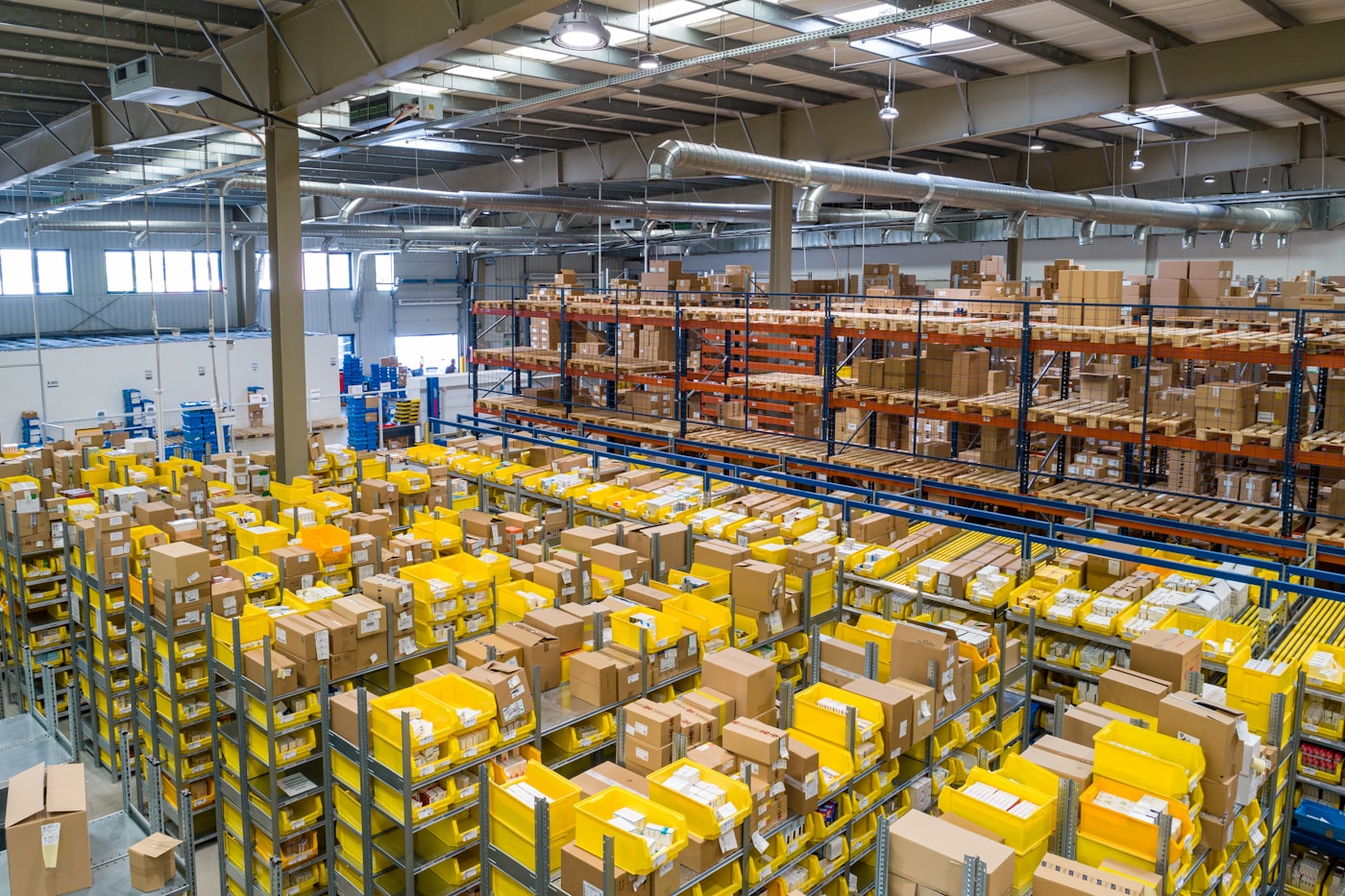
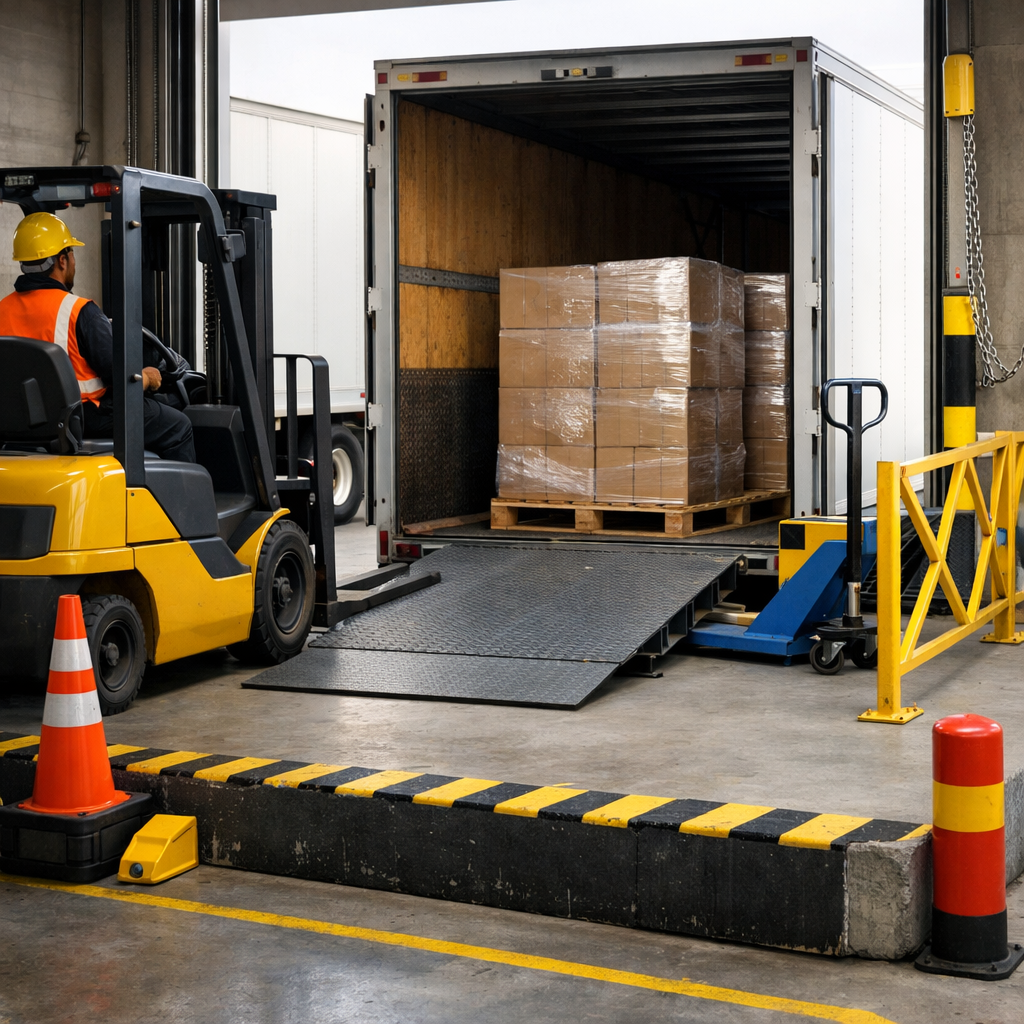
Loading dock safety tips are essential for busy distribution sites where forklifts, trucks, pedestrians, and tight schedules all meet in one high-risk area.
When trailers are arriving back-to-back and teams are under pressure to keep freight moving, small mistakes can quickly turn into serious injuries, damaged stock, or major delays.
A well-run dock depends on more than experience alone. It requires clear traffic rules, reliable equipment, communication controls, and consistent supervision.
It also helps to use the Hierarchy of Controls when improving risk management: eliminate hazards where possible, use engineering controls such as vehicle restraints and dock barriers, support them with administrative procedures, and back everything up with suitable PPE.
Guidance from organizations such as OSHA and CCOHS reinforces the same message: loading docks need structured controls, not informal habits. If your site is also reviewing wider warehouse risks, our warehouse safety checklist and forklift pedestrian safety guide can support a broader approach.
Loading dock safety tips start with controlling vehicle movement
Vehicle movement is one of the biggest hazards on any dock. Trucks can roll away, reverse unexpectedly, or pull off while loading is still underway.
Yard tractors, delivery vehicles, and forklifts can also create conflict points if routes are not clearly separated.
Reduce movement risks before loading begins
The safest sites make the arrival process predictable. Drivers should stop in designated zones, follow standard check-in steps, and wait for dock instructions before moving again.
Painted lines, wheel guides, dock numbering, speed limits, and one-way traffic systems all help reduce confusion.
Engineering controls are especially valuable here. Wheel chocks can help, but active vehicle restraint systems usually provide a higher level of protection because they physically secure the trailer at the dock.
Dock lights or signal systems should clearly show when it is safe for a driver to move and when loading is in progress.
- Set site speed limits and enforce them consistently.
- Use designated pedestrian walkways separated from vehicle routes.
- Install vehicle restraints, wheel guides, and impact protection where needed.
- Require drivers to hand over keys or follow a documented immobilization process.
- Use red/green light systems to control trailer departure and dock access.
These loading dock safety tips are practical because they reduce reliance on memory and verbal reminders alone. On a busy site, physical controls are often more reliable than informal instructions.
Prevent trailer creep and unexpected trailer movement
Trailer creep is a serious and often underestimated hazard. As forklifts enter and exit a trailer during loading or unloading, the repeated force can cause the trailer to slowly move away from the dock face.
Even a small gap can destabilize material handling equipment, damage dock plates, or lead to workers falling between the trailer and the dock.
Why trailer creep happens
Trailer creep is more likely when the trailer is not properly restrained, the landing gear is weak, the ground surface is uneven, or forklift traffic is frequent and heavy.
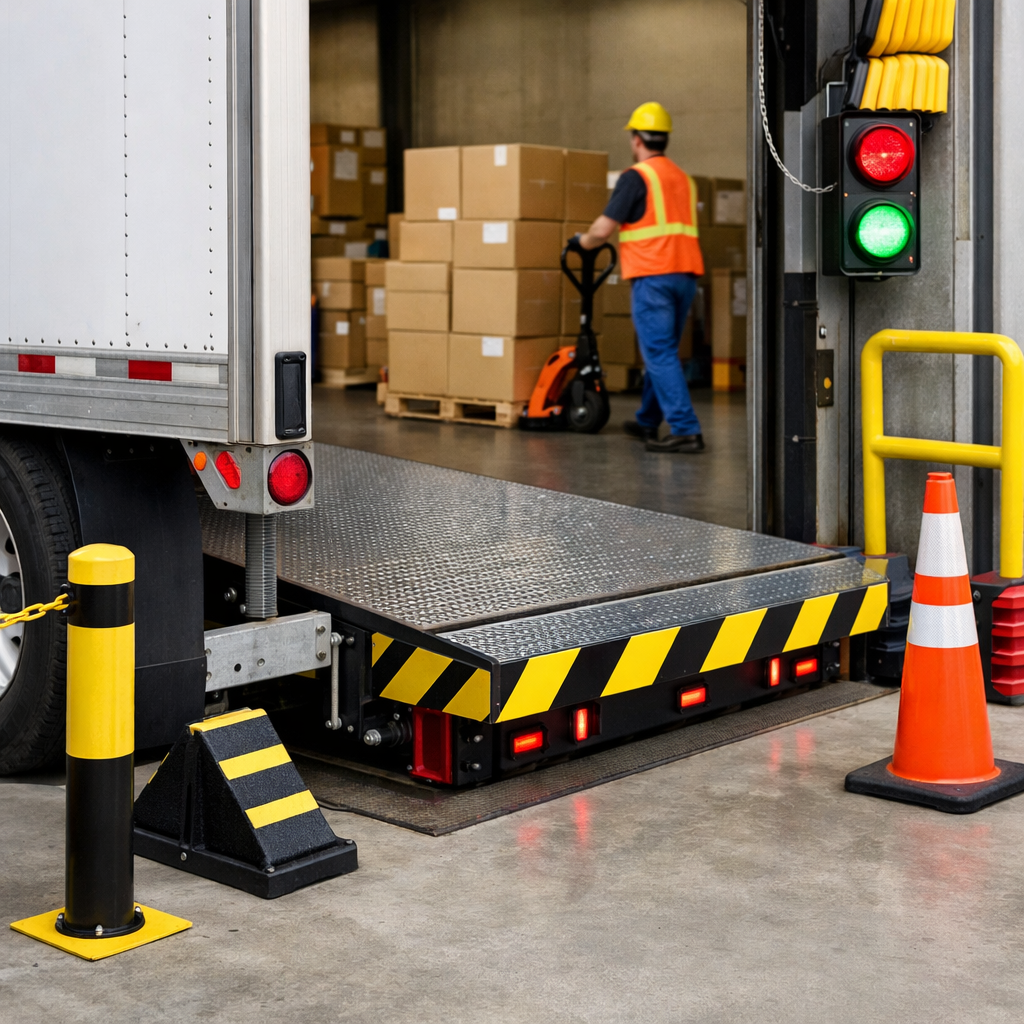
It can also happen when a driver pulls forward too early or when the trailer suspension shifts during loading.
Controls that make a real difference
Busy distribution sites should treat trailer restraint as a critical precondition for dock work. If the trailer is not secured, loading should not start.
Vehicle restraint systems, dock locks, trailer stabilizers, and well-maintained dock levelers can all reduce the risk.
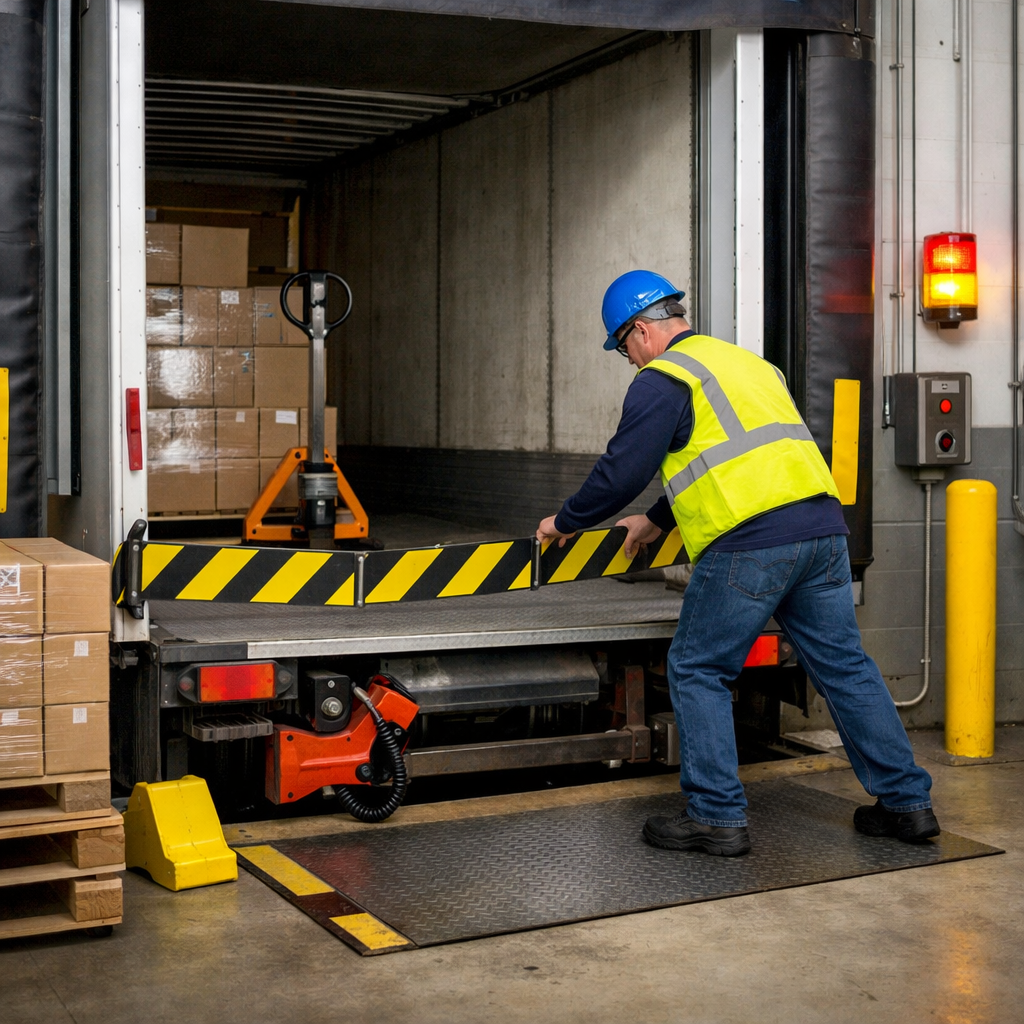
Staff also need a simple visual confirmation process. For example, the loader should know exactly how to verify that the trailer is restrained, the leveler is properly seated, and the communication signal shows safe-to-load status.
| Hazard | Common Cause | Practical Control |
|---|---|---|
| Trailer creep | Trailer not restrained during forklift activity | Use vehicle restraints and pre-loading checks |
| Premature departure | Driver miscommunication or schedule pressure | Red/green lights, key control, clear release process |
| Gap at dock edge | Trailer movement or poor leveler positioning | Inspect dock levelers and monitor trailer alignment |
| Forklift instability | Uneven trailer floor or shifting trailer | Trailer inspection and load sequencing rules |
Among all loading dock safety tips, this is one of the most important: never assume a stationary trailer will stay stationary without a positive control in place.
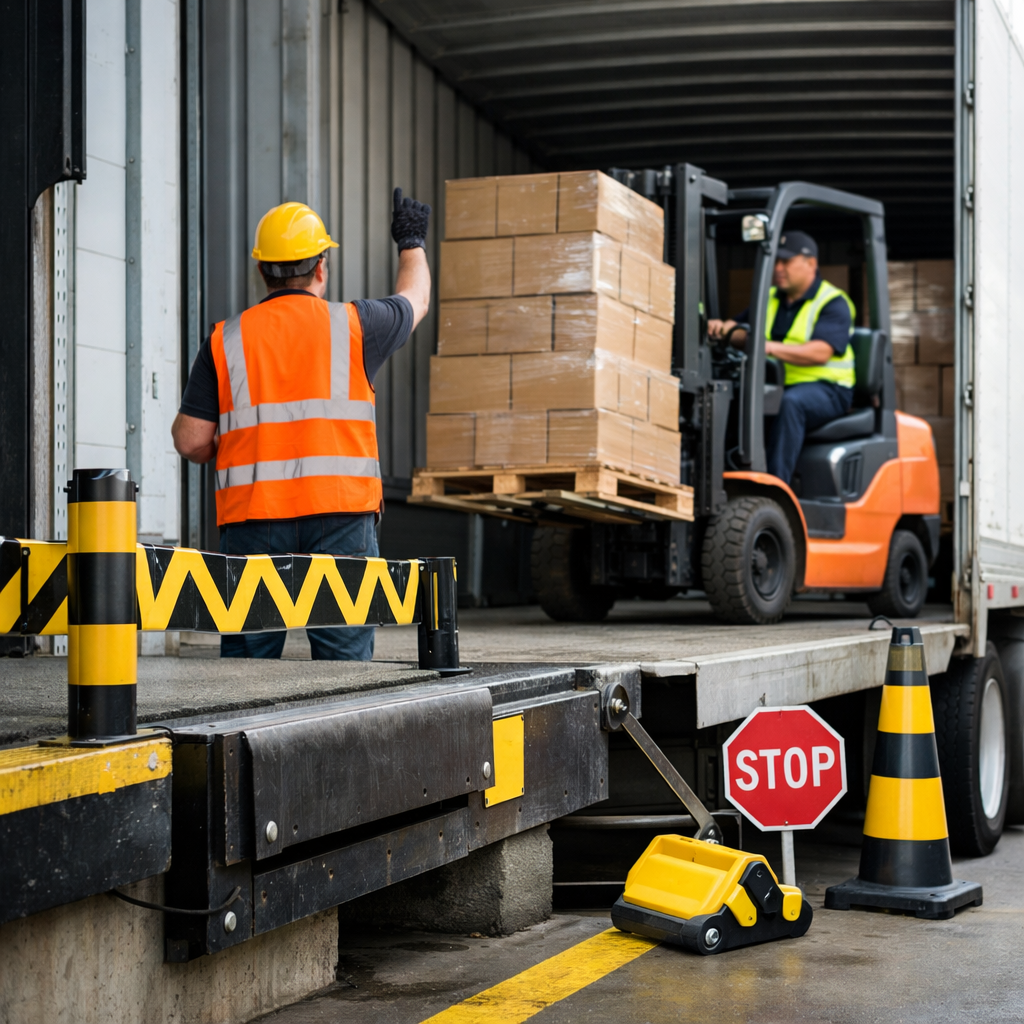
Loading dock safety tips for preventing falls on and around the dock
Falls remain a common cause of injury at loading docks. Workers may fall from dock edges, step into gaps between the dock and trailer, slip on wet surfaces, or lose footing on damaged plates and uneven flooring.
Drivers are also at risk when climbing in and out of trailers or moving around unfamiliar yards.
Focus on edge protection and housekeeping
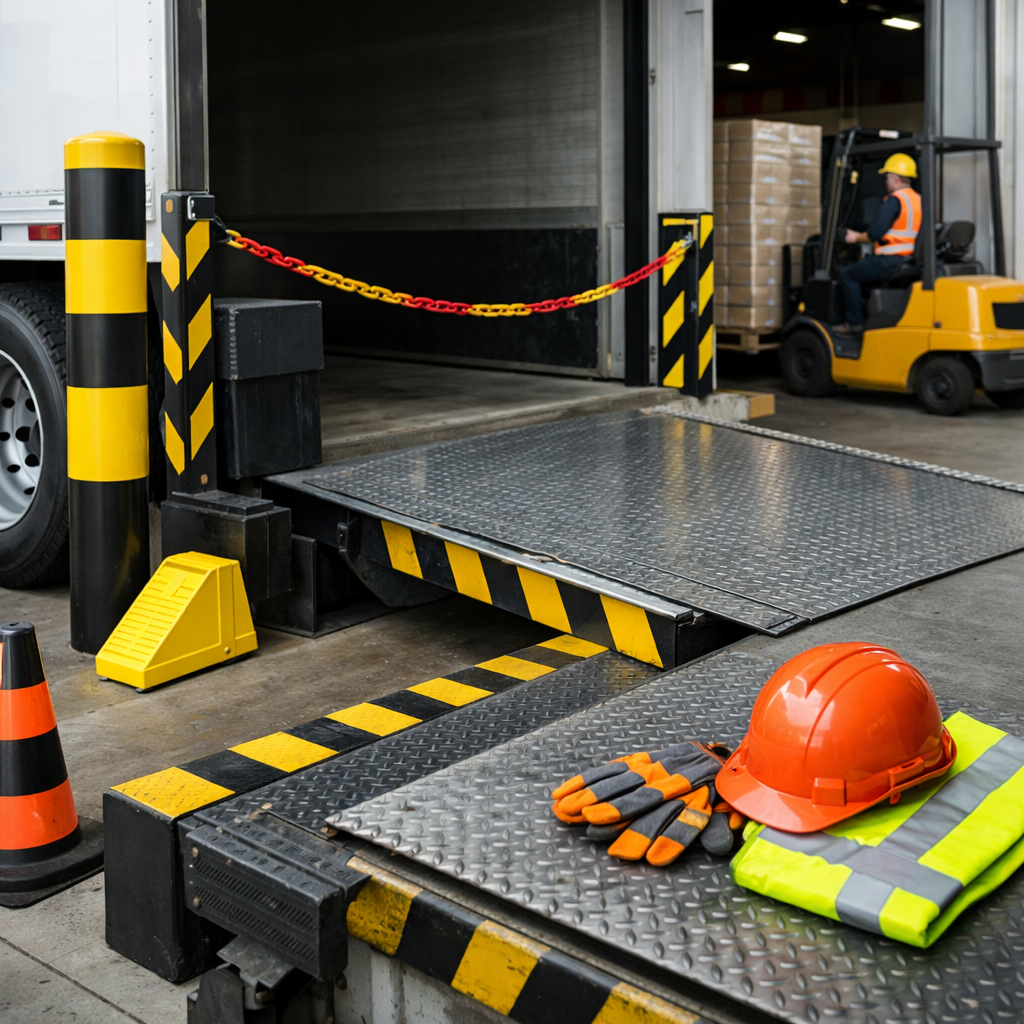
Open dock doors without a trailer in place should be protected with barriers, chains, gates, or other engineered systems.
Where workers access the dock edge frequently, stronger physical protection is often the better option.
Good housekeeping matters just as much. Shrink wrap, broken pallets, spilled liquids, and loose strapping create slip and trip hazards that can quickly lead to falls underfoot or near the edge.
Inspect walking and working surfaces
Dock plates, dock boards, levelers, and trailer floors should be checked regularly for damage, capacity issues, and poor fit.
If employees are crossing from dock to trailer, they need a stable and properly rated surface. Temporary fixes and damaged equipment should be taken out of service immediately.
Practical controls include:
- Install dock edge barriers or gates where feasible.
- Keep floors clean and dry, especially during wet weather.
- Inspect dock boards and levelers before use.
- Improve lighting inside trailers and at dock faces.
- Train teams to report floor damage, plate movement, and near misses.
These loading dock safety tips help prevent injuries that are often dismissed as simple slips or trips, even though the outcome can be severe when heights, forklifts, and moving trailers are involved.
Use communication controls to keep everyone aligned
Communication failures are often behind loading dock incidents. A driver thinks loading is complete, a forklift operator assumes the trailer is secured, or a picker enters a live dock area without realizing a truck is reversing.
At busy sites, verbal communication alone is not enough.
Build communication into the process
The best systems use multiple communication controls together. Visual signals, standardized handover points, written procedures, and supervisor checks create a more reliable process than informal verbal updates.
Drivers should know where to wait, when to chock or secure the trailer, and who can authorize departure. Dock staff should know exactly when a trailer is safe to enter.
This is where simple standard operating procedures can prevent confusion. A basic dock release checklist can confirm restraint status, loading completion, paperwork sign-off, door closure, and signal change before the driver moves.
Train for exceptions, not just routine work
Most incidents do not happen during normal operations. They happen when something changes: a late vehicle arrives, a damaged trailer is used, the usual dock is unavailable, or a contractor is unfamiliar with the site.
Training should therefore cover non-routine situations, including what to do if the restraint fails, a trailer floor is unsafe, or a driver ignores the signal system.
Strong communication controls usually include:
- Driver induction for site rules and traffic routes.
- Red/green dock light systems visible to both driver and dock team.
- Clear authority for who releases a vehicle.
- Pre-use equipment inspections and defect reporting.
- Near-miss reporting and regular safety review meetings.
For additional practical guidance, many sites also review industry material from HSE workplace transport resources to strengthen yard and dock procedures.
In the end, the most effective loading dock safety tips are the ones that fit real working conditions and are followed every shift. Busy distribution sites should prioritize controls for trailer creep, falls, vehicle movement, and communication failures because these hazards appear again and again in serious incidents. With engineered safeguards, clear procedures, regular inspections, and active supervision, loading docks can stay productive without exposing workers and drivers to unnecessary risk. If you want lasting improvement, make loading dock safety tips part of daily operations rather than a one-time training topic.
No comments yet