

Mental Health in the Darker Months : As autumn turns to winter, many workplaces experience subtle yet significant shifts in mood, motivation, and mental focus.
The reduced daylight, colder temperatures, and increased isolation that accompany this time of year can take a toll on employee wellbeing.

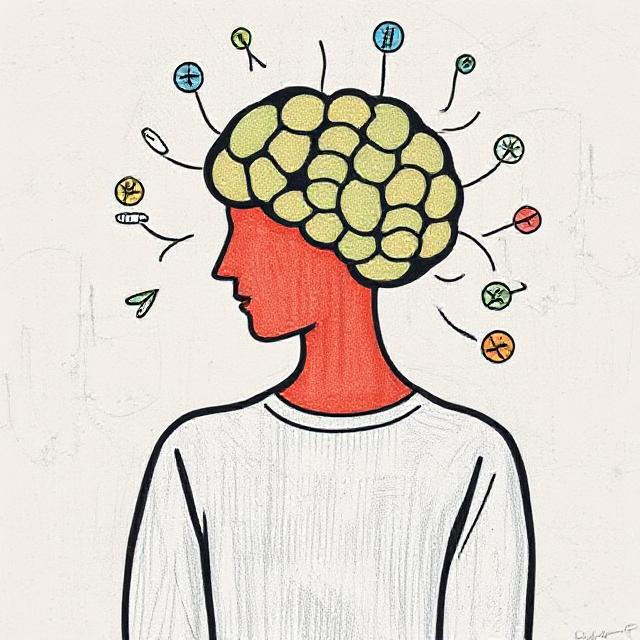
Understanding and addressing these challenges is essential for fostering a resilient and supportive workplace.
This article explores Mental Health in the Darker Months—the causes, signs, and practical workplace strategies to support worker wellbeing during seasonal change.
Why Mental Health Declines During the Darker Months
The human body relies on sunlight to regulate sleep patterns, mood, and energy. Shorter days disrupt the circadian rhythm, often leading to fatigue, irritability, and feelings of sadness.
This phenomenon, known as Seasonal Affective Disorder (SAD), is a type of depression triggered by reduced sunlight exposure.
Even for those who don’t experience SAD, fall and winter bring stressors like:
- Reduced outdoor activity and social engagement
- Increased workload before year-end deadlines
- Financial pressure during holiday seasons
- Fatigue from commuting in darker conditions
Understanding these environmental and psychological factors helps organizations create empathetic, proactive mental health strategies.
Recognizing the Warning Signs
Managers and OHSE officers should stay alert to early indicators that an employee may be struggling with mental health in the darker months.
Common signs include:
- Persistent tiredness or low energy
- Withdrawal from coworkers or social activities
- Decreased concentration or motivation
- Irritability or mood swings
- Absenteeism or declining performance
Early recognition allows for supportive intervention before stress develops into burnout or depression.
Workplace Strategies for Supporting Mental Health in the Darker Months

1. Maximize Natural and Artificial Light
Encourage employees to work near windows or well-lit areas. Installing full-spectrum or daylight-mimicking bulbs can help improve mood and alertness.
Tip: Consider implementing “light breaks” — short pauses where employees step outside for sunlight exposure when possible.
2. Promote Flexibility and Work-Life Balance
Flexible scheduling allows workers to align tasks with their natural energy levels. Remote or hybrid work can reduce stress from dark commutes and cold-weather travel.
Encouraging rest, realistic workloads, and adequate breaks can significantly improve resilience.
3. Encourage Physical Activity
Exercise is a proven mood booster. On-site yoga, walking challenges, or subsidized fitness memberships can motivate workers to stay active even during darker months.

Partnering with local wellness programs or recreation centers is an easy way to implement low-cost initiatives.
4. Foster Open Conversations About Mental Health
Stigma remains a barrier. Leadership and OHSE teams can model openness by hosting mental health toolbox talks or including wellness moments in safety meetings.
Provide clear, confidential channels for employees to seek help and promote Employee Assistance Programs (EAPs).
5. Provide Access to Mental Health Resources
A proactive mental health policy should include:
- Access to EAP or virtual counseling platforms
- Mental health training for supervisors
- Posters and intranet resources linking to support networks

In Canada, trusted resources include CCOHS Mental Health Resources, Wellness Together Canada, and CAMH.
6. Introduce ‘Wellbeing Days’ or Check-in Events
Seasonal mental health check-ins, peer support groups, or mindfulness sessions can normalize discussions and foster connectedness.
Even simple initiatives like “Warm Beverage Wednesdays” or gratitude boards can build morale.
The Role of OHSE in Seasonal Wellbeing
Occupational Health, Safety, and Environment (OHSE) professionals play a vital role in integrating mental health into safety culture. This means:
- Incorporating psychological safety into risk assessments
- Training supervisors to recognize early mental health signs
- Tracking mental wellbeing metrics alongside physical safety indicators
- Including seasonal wellbeing topics in the annual safety calendar
Proactive OHSE leadership not only reduces absenteeism and turnover but also builds a stronger, more engaged workforce.
Practical Example: Seasonal Safety and Wellbeing Audit
| Audit Element | Checkpoints for Fall/Winter |
|---|---|
| Lighting | Lux levels in work areas, breakrooms, parking lots |
| Temperature | Consistent heating, proper ventilation |
| Ergonomics | Reduced strain from cold or stiff environments |
| Psychological Health | Access to wellness programs, awareness sessions |
| Workload | Balanced distribution, realistic targets |
Integrating these checks into quarterly safety audits ensures mental health is part of your preventive strategy.
Final Thoughts
Supporting mental health in the darker months is not only a wellness initiative—it’s a safety imperative. A mentally healthy workforce is more attentive, engaged, and less prone to errors or injuries.

As days grow shorter, organizations that prioritize empathy, communication, and light—both literal and emotional—will see brighter outcomes all season long.