

-

Comprehensive Overview of Occupational Health, Safety, and Environment (OHSE)
Occupational Health, Safety, and Environment (OHSE) is a comprehensive approach that integrates the principles of health, safety, and environmental protection within the workplace. It encompasses the management of risks and the promotion of well-being to ensure a holistic approach to the welfare of individuals, the community, and the environment in and around workplaces. Occupational Health,…
-

Surviving the Snow: Essential Safety Tips for Snow Removal Workers
Table of Contents Safety Tips for Snow Removal Workers The Hidden Dangers of Snow Removal Types of Snow Removal Work Essential Personal Protective Equipment (PPE) for Snow Removal Tools of the Trade: Essential Snow Removal Equipment Dressing for the Job: Cold Weather Gear Essentials Safe Practices for Snow Removal 1. Take Regular Breaks 2. Lift…
-

The Dangerous Consequences of Ignoring Medical Restrictions in the Workplace
Ignoring Medical Restrictions : When a doctor advises an employee against performing specific tasks due to illness or injury, it is a serious medical recommendation meant to protect both the worker and the workplace. However, in some organizations, occupational health and safety (OHSE) instructors find their risk assessments rejected, and employees are forced to carry…
-

Occupational Health, Safety, and Environment (OHSE) vs. Workplace Health, Safety, and Environment (WHSE)
The fields of Occupational Health, Safety, and Environment (OHSE) and Workplace Health, Safety, and Environment (WHSE) are critical to ensuring the well-being of employees, protecting the environment, and maintaining organizational efficiency. While these two concepts share many similarities, they also have distinct focuses that can lead to confusion. Understanding the differences and overlaps between OHSE…
-
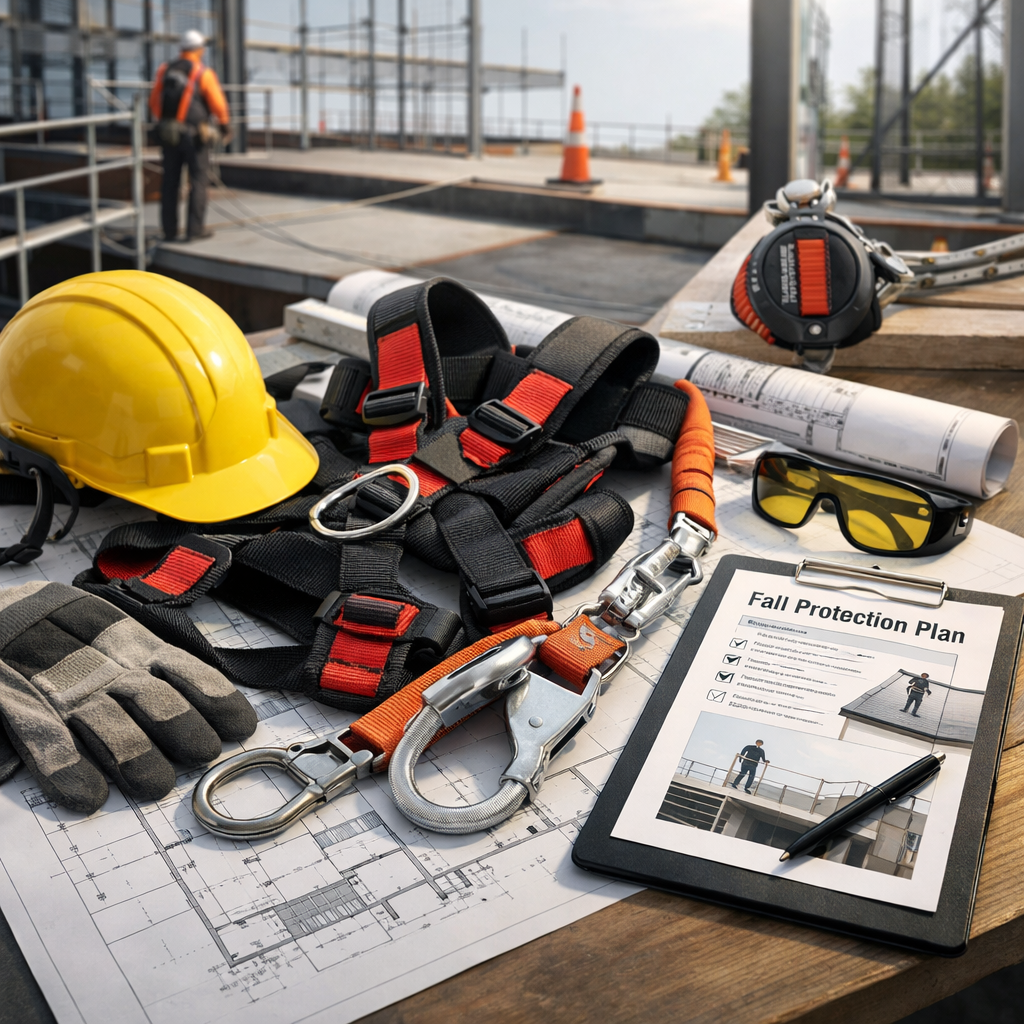
Why fall protection planning matters before work starts
Fall Protection Planning: Must-Have Steps for Safe Work at Heights Fall protection planning is the foundation of safe work at heights, whether your team is on a roof, scaffold, ladder, mezzanine, tower, or elevated platform. Without a clear plan, even routine tasks can turn into serious incidents involving falls, dropped objects, suspension trauma, or delayed…
-

Noise, Heat, and Exhaust: 10 OHSE Risks in Auto Body Shops
Table of Contents OHSE Risks in Auto Body Shops: Why They Deserve Serious Attention OHSE Risks in Auto Body Shops Noise Hazards in Auto Body Shops Health Risks: Control Measures: Heat Stress in Auto Body Environments Symptoms of Heat Stress: Control Measures: Exhaust Fumes and Indoor Air Quality Health Risks: Control Measures: Regulatory Compliance: Canadian…
-

Health and Safety in Computer Gaming: A Comprehensive Guide to Safer Play
Introduction The world of computer gaming has become an integral part of modern entertainment, offering immersive experiences and fostering social connections. However, the extended hours spent gaming can pose significant health and safety risks. By understanding and addressing these challenges, gamers can enjoy their passion while maintaining their overall well-being. Table of Contents 1. Musculoskeletal…
-

OHSE in Defense Occupations: Ensuring Safety in High-Risk Environments
Occupational Health, Safety, and Environment (OHSE) is crucial in defense occupations due to the inherently high-risk nature of military, law enforcement, and other defense-related activities. Defense personnel often work in dangerous environments, operating heavy machinery, handling hazardous materials, and performing physically demanding tasks. Ensuring the safety, health, and well-being of defense workers requires specialized OHSE…
-

Embracing Winter: How the Right Jacket Can Keep You Warm and Productive in Cold Weather
Winter jackets are vital for anyone working in cold-weather environments, especially in jobs that demand time outdoors or in unheated spaces. More than a simple cover-up, safety winter jackets come equipped with unique features to combat the cold and safeguard you in hazardous conditions. Here’s a breakdown of how safety winter jackets work, what to…
-

Preventing eye strain at work starts with understanding the risks
Preventing Eye Strain at Work: OHSE Risks, Controls, PPE, and Practical Prevention Steps Preventing eye strain at work is an essential part of occupational health, safety, and employee wellbeing. In offices, warehouses, laboratories, control rooms, retail counters, and field environments, visual demands can contribute to discomfort, reduced concentration, headaches, blurred vision, and fatigue. Although eye…
-

Makeup and Health & Safety: How to Look Good While Staying Safe
Makeup is a powerful tool for self-expression and confidence, but behind the shimmer and gloss lie potential health and safety concerns. From skin irritations to bacterial infections, improper makeup use can lead to unwanted complications. This article aims to shed light on safe makeup practices, helping you enjoy your beauty routine while safeguarding your health.…


