

-

Comprehensive Overview of Occupational Health, Safety, and Environment (OHSE)
Occupational Health, Safety, and Environment (OHSE) is a comprehensive approach that integrates the principles of health, safety, and environmental protection within the workplace. It encompasses the management of risks and the promotion of well-being to ensure a holistic approach to the welfare of individuals, the community, and the environment in and around workplaces. Occupational Health,…
-

Winter Recess Safety: Smart Rules for Schools, Parents, and Students
Winter recess safety tips for schools, parents, and students in Canada. Learn practical rules to prevent slips, falls, cold exposure, and unsafe winter play.
-
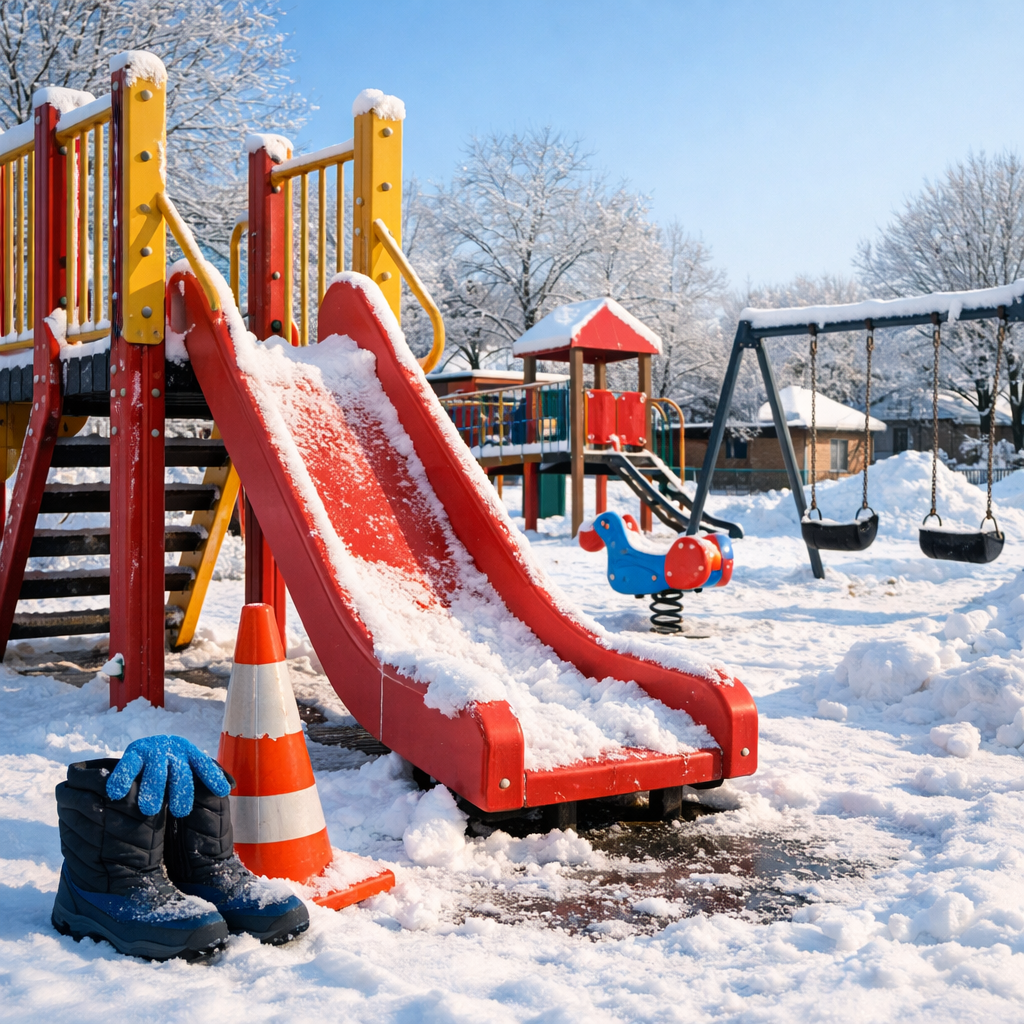
Winter Playground Safety: Essential Checks Before Children Go Outside
Winter playground safety tips for Canadian families and schools, including practical checks for ice, equipment, clothing, supervision, and safer outdoor play.
-

Icy Sidewalk Safety: Proven Ways to Reduce Winter Slip-and-Fall Risks
Icy sidewalk safety tips for Canadian families, schools, and young workers. Learn practical ways to prevent winter slips and falls at home, school, and work.
-

Municipal and Public Works: OHSE Considerations for Snow Plow and Salting Crews
Municipal and Public Works: OHSE Considerations for Snow Plow and Salting Crews are at the heart of safe, efficient winter operations that protect workers, road users, and the community. Table of Contents Municipal and Public Works: OHSE Considerations for Snow Plow and Salting Crews Why OHSE considerations for snow plow and salting crews matter Planning…
-

OHSE Quiz Game – The Ultimate 40-Question Challenge to Boost Safety Awareness
OHSE Quiz Game Table of Contents OHSE Quiz Game 🎯 What Is the OHSE Quiz Game? 💡 Why Use an OHSE Quiz Game? 🛠️ Key Features of the OHSE Quiz Game 📊 Sample Questions You’ll Encounter 🔗 How to Integrate the Quiz Into Your Safety Program 📥 Download the Code 🧠 Final Thoughts on the…
-
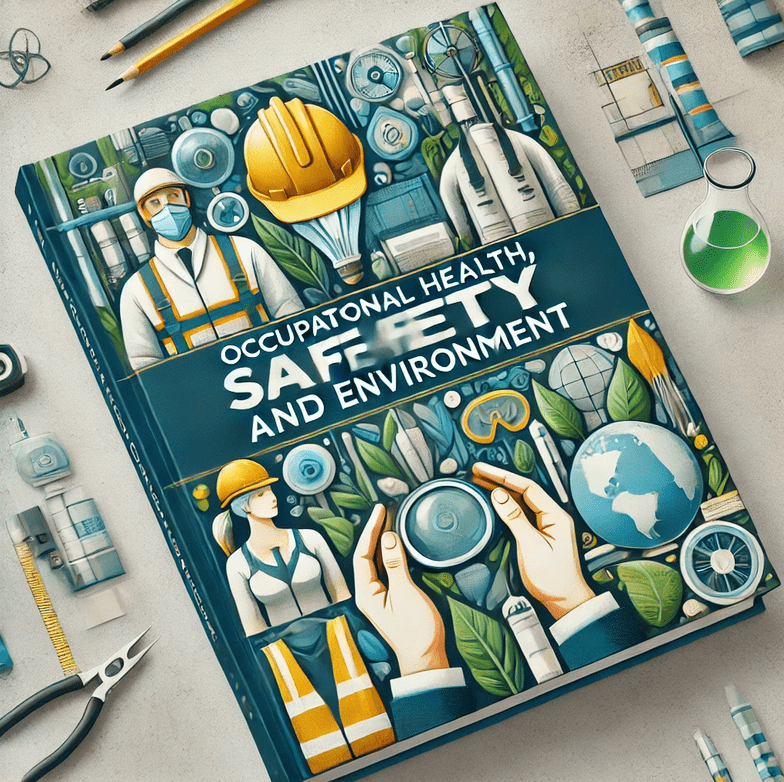
Introduction to Occupational Health, Safety, and Environment (OHSE)
Table of Contents 1.1. Understanding OHSE 1.2. Key Concepts and Terminology 1.1. Understanding OHSE 1.1.1. Definition and Scope of OHSE Occupational Health, Safety, and Environment (OHSE) is a critical field that integrates the principles of health, safety, and environmental management into the workplace. The primary aim of OHSE is to protect workers’ health and safety…
-

How to Advance Your Career in OHSE
Occupational Health, Safety, and Environment (OHSE) is a dynamic and rewarding field that combines technical expertise with a passion for workplace safety and environmental preservation. Whether you’re a newcomer or an experienced professional, advancing your career in OHSE requires strategic planning, continuous learning, and effective networking. In this article, we’ll explore actionable steps to help…
-

Visitor safety procedures start before anyone arrives on site
Useful Visitor Safety Procedures for High-Risk Facilities That Protect People and Operations Visitor safety procedures are essential in high-risk facilities because even a short visit can expose contractors, clients, auditors, delivery personnel, and other guests to serious hazards. Whether the site is a chemical plant, manufacturing floor, laboratory, warehouse, mine, or energy facility, a visitor…
-
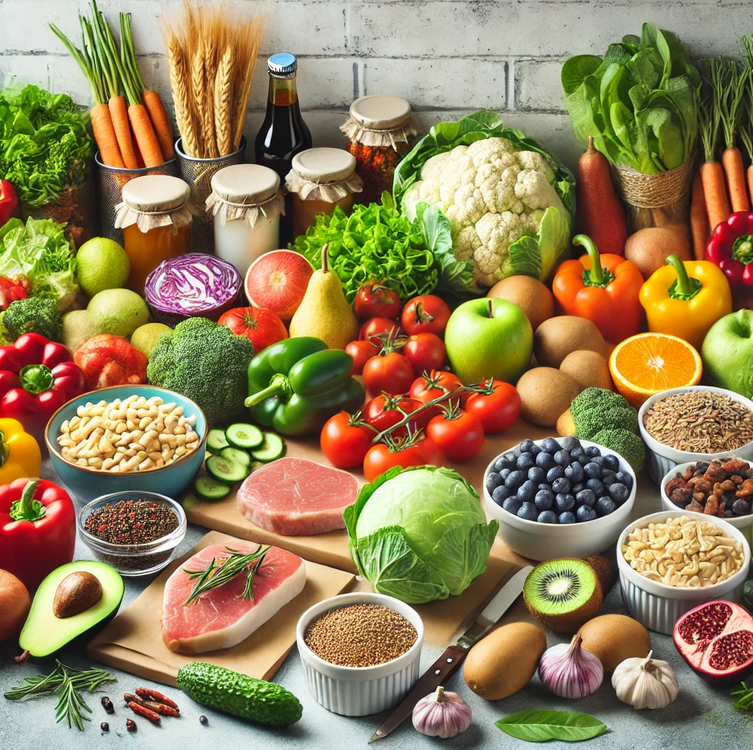
The Ultimate Guide to Food Safety: Protecting Your Health
Food safety is an essential aspect of our daily lives, influencing health, quality of life, and overall well-being. With the globalized food supply chain, maintaining stringent food safety practices is more critical than ever. This comprehensive guide will explore food safety’s importance, principles, best practices, and steps to ensure that every bite you take is…
-

Common Cyber Threats
Table of Contents Overview: Learning Objectives: 2.1 Phishing 2.2 Malware 2.3 Data Breaches 2.4 Social Engineering 2.5 Ransomware 2.6 Distributed Denial of Service (DDoS) Key Takeaways: Overview: In this module, you will learn about the most common types of cyber threats that individuals and organizations face in today’s digital world. Understanding these threats is the…


