

-

Comprehensive Overview of Occupational Health, Safety, and Environment (OHSE)
Occupational Health, Safety, and Environment (OHSE) is a comprehensive approach that integrates the principles of health, safety, and environmental protection within the workplace. It encompasses the management of risks and the promotion of well-being to ensure a holistic approach to the welfare of individuals, the community, and the environment in and around workplaces. Occupational Health,…
-

Cold Weather Safety for Kids: A Practical Guide for Parents and Schools
Cold weather safety for kids: practical winter safety tips for parents and schools in Canada, including clothing, supervision, travel, outdoor play, and a simple checklist.
-
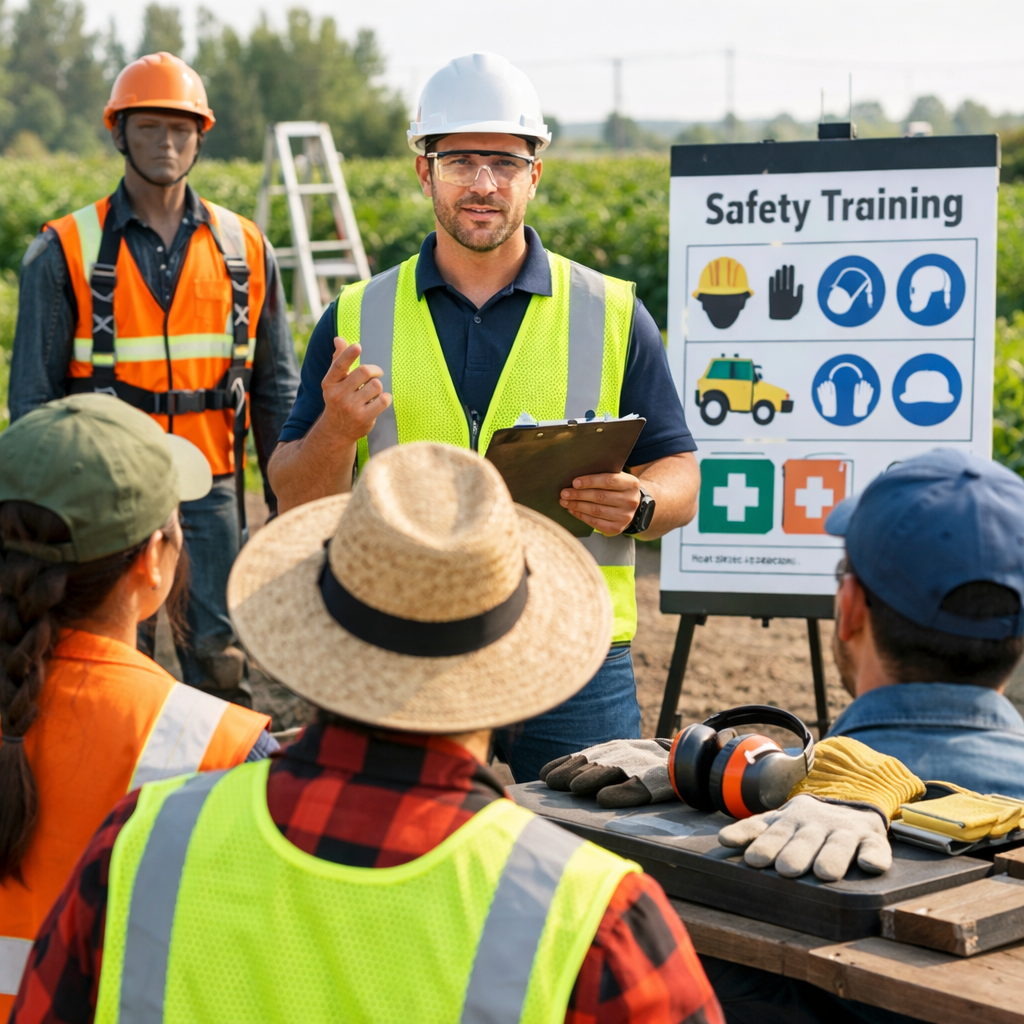
Why seasonal worker safety training matters
seasonal worker safety training: Practical Steps to Reduce Risk and Stay Compliant seasonal worker safety training is essential for businesses that bring in temporary staff during peak periods, harvests, holidays, shutdowns, or weather-driven work. Seasonal employees often enter fast-moving environments with unfamiliar tasks, new equipment, and limited time to learn, which can increase the chance…
-

Protect Your Hearing: Essential Winter Ear Safety Tips
Winter Ear Safety : As temperatures drop, the need to prioritize ear safety during winter becomes increasingly important. Harsh weather conditions, cold winds, and prolonged exposure to low temperatures can negatively impact your ear health, potentially leading to discomfort, infections, or even long-term damage. Understanding how to protect your ears in winter is crucial for…
-

Ultimate Guide to Personal Protective Equipment (PPE): What You Need to Know
Table of Contents Introduction to Personal Protective Equipment (PPE) Why PPE Is Critical in Workplace Safety Types of Personal Protective Equipment (PPE) Head Protection Eye and Face Protection Hearing Protection Respiratory Protection Hand Protection Body Protection Foot Protection Fall Protection Equipment Skin Protection Legal Requirements and Standards for PPE Key Regulatory Bodies: PPE Hazard Assessment…
-

Proper Use and Maintenance of Personal Protective Equipment (PPE)
Personal Protective Equipment (PPE) is a crucial component of workplace safety, designed to protect employees from hazards that cannot be entirely eliminated or controlled. Whether in construction, healthcare, manufacturing, or laboratory settings, proper use and maintenance of PPE ensure maximum effectiveness, helping to prevent injuries and exposure to harmful substances. This article outlines essential guidelines…
-

Occupational Health History Breakthroughs: 10 Pivotal—and Painful—Moments That Transformed Workplace Safety
Occupational health history is full of hard-won lessons that reshaped how we protect workers. In this deep dive, we explore 10 landmark moments—some inspiring, many tragic—that rewired laws, standards, and culture across industries. Along the way, we’ll link you to authoritative resources and practical guides so you can turn history into action today. Table of…
-

Fire Prevention in the Workplace: Key Strategies for OHSE Compliance
Fire prevention in the workplace is an essential aspect of Occupational Health and Safety (OHSE). Fires can cause catastrophic damage, including injury, loss of life, destruction of property, and interruptions to business operations. To ensure a safe working environment, companies must adopt comprehensive fire prevention strategies that align with OHSE compliance requirements. This article outlines…
-

Drone Restrictions and Their Impact on Critical Infrastructure
Table of Contents Ensuring Airspace Safety: Understanding Drone Restrictions and Their Impact on Critical Infrastructure The Importance of Airspace Safety Recent Drone Restrictions in Focus Best Practices for Drone Operators 1. Understand and Follow Local Regulations 2. Maintain Line-of-Sight 3. Respect Critical Infrastructure and Public Spaces 4. Ensure Proper Training and Certification 5. Check for…
-
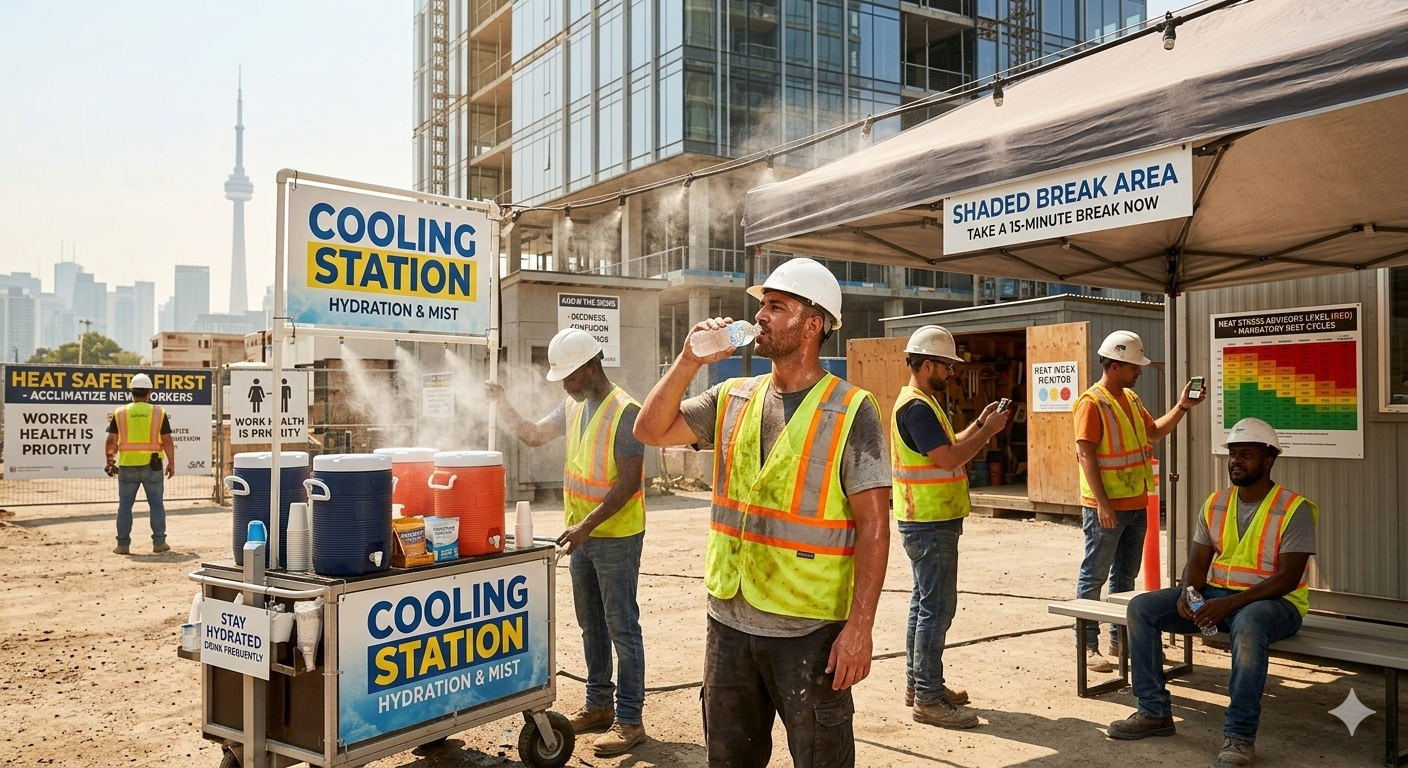
Heat Stress Prevention in the Workplace: Powerful Ways to Protect Workers from a Growing Hazard
Heat Stress Prevention in the Workplace is no longer a topic that only matters during a few hot summer afternoons. It has become a year-round OHSE priority because heat hazards can affect both outdoor and indoor workers, especially in construction, agriculture, warehousing, manufacturing, kitchens, foundries, and other high-temperature environments. CCOHS notes that workers exposed to…
-

Ethical Leadership in OHSE
Table of Contents 7.1. The Importance of Ethics in OHSE Leadership 7.2. Common Ethical Dilemmas in OHSE 7.3. Decision-Making Frameworks for Ethical Leadership 7.4. Promoting an Ethical Culture in the Workplace 7.5. Case Studies: Ethical Leadership in OHSE Summary and Key Takeaways 7.1. The Importance of Ethics in OHSE Leadership Ethics in Occupational Health, Safety,…


