

-

Comprehensive Overview of Occupational Health, Safety, and Environment (OHSE)
Occupational Health, Safety, and Environment (OHSE) is a comprehensive approach that integrates the principles of health, safety, and environmental protection within the workplace. It encompasses the management of risks and the promotion of well-being to ensure a holistic approach to the welfare of individuals, the community, and the environment in and around workplaces. Occupational Health,…
-
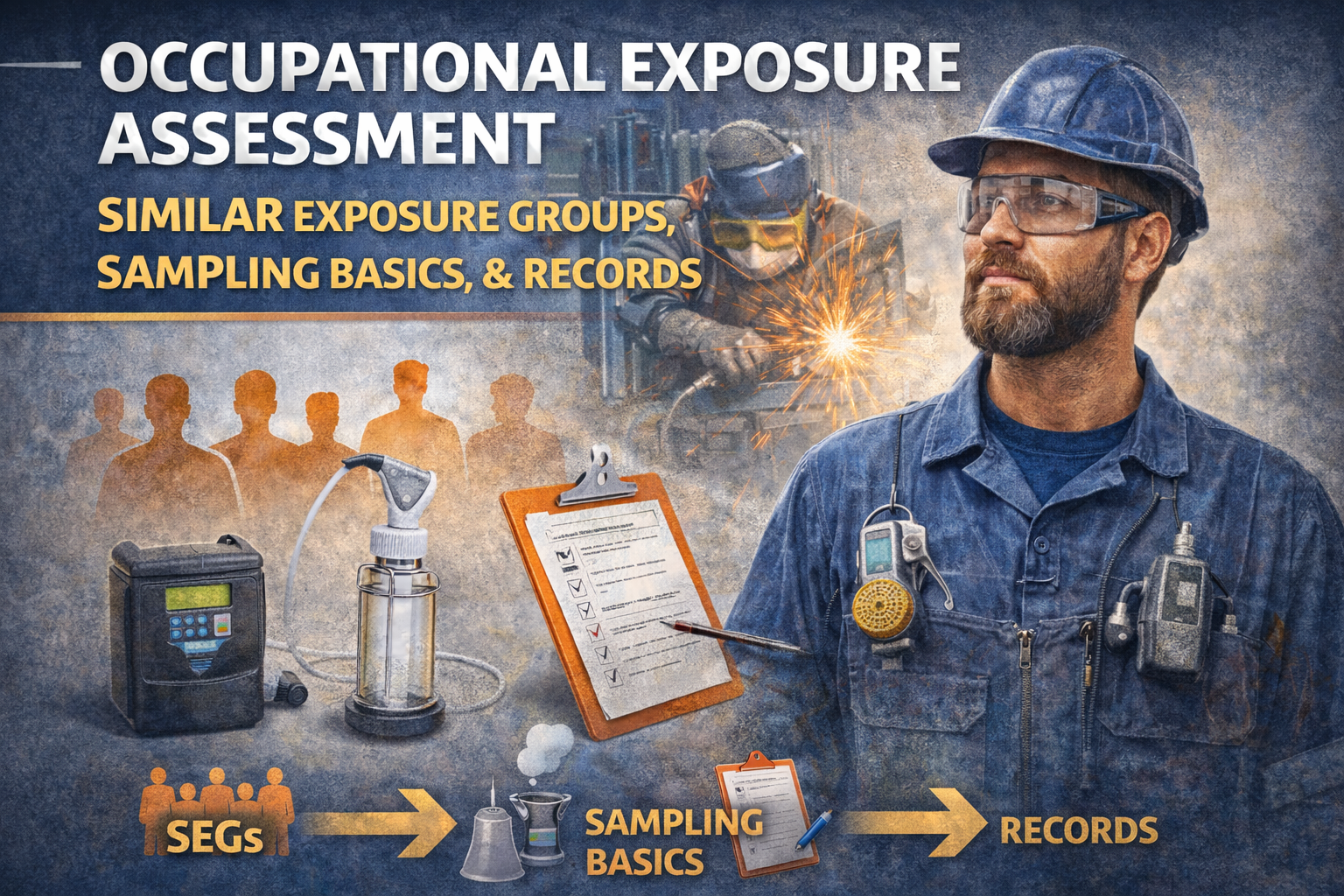
Dangerous Occupational Exposure Assessment Blueprint: # 1 SEGs, Sampling Basics, and Records That Stand Up
Occupational Exposure Assessment is the practical process of figuring out who is exposed to what, how much, how often, and whether controls are working—before health problems show up. It sits at the core of occupational hygiene because it turns “we think it’s fine” into evidence-based decisions, using professional judgment, exposure profiles, and (when needed) sampling.…
-
Implementing Corrective and Preventive Actions
Table of Contents 3.1. Developing Corrective Actions 3.2. Preventive Actions and Continuous Improvement 3.3. Communicating Findings and Actions 3.4. Monitoring and Verifying Action Implementation Summary of Chapter 3 3.1. Developing Corrective Actions Once the root causes of an incident have been identified, the next step is to develop corrective actions that address these causes and…
-

Workplace Carcinogens: How to Minimize Exposure
Exposure to workplace carcinogens poses a serious health risk to employees across various industries. Carcinogens are substances that can cause cancer by altering cellular DNA or disrupting normal cell functions. Workers in industries such as construction, manufacturing, healthcare, and agriculture may be exposed to these harmful substances, making it crucial for employers and employees to…
-
Radiation Protection
Table of Contents 8.1 Types of Radiation Hazards: Ionizing and Non-Ionizing Radiation 8.2 Health Risks Associated with Radiation Exposure 8.3 Measurement and Monitoring Techniques for Radiation 8.4 Control Methods for Radiation Hazards Practical Applications: Radiation Protection in Healthcare Review Questions: Further Reading: 8.1 Types of Radiation Hazards: Ionizing and Non-Ionizing Radiation Radiation hazards can be…
-

Summer PPE: Adjusting Gear for Hot Weather Conditions
Summer PPE becomes crucial when temperatures rise and job hazards remain constant. As heat intensifies, workers wearing personal protective equipment (PPE) face increased risks of heat stress, dehydration, and fatigue. Properly adjusting gear for hot weather conditions is not just a matter of comfort—it’s essential for worker safety and performance. Table of Contents Why Summer…
-
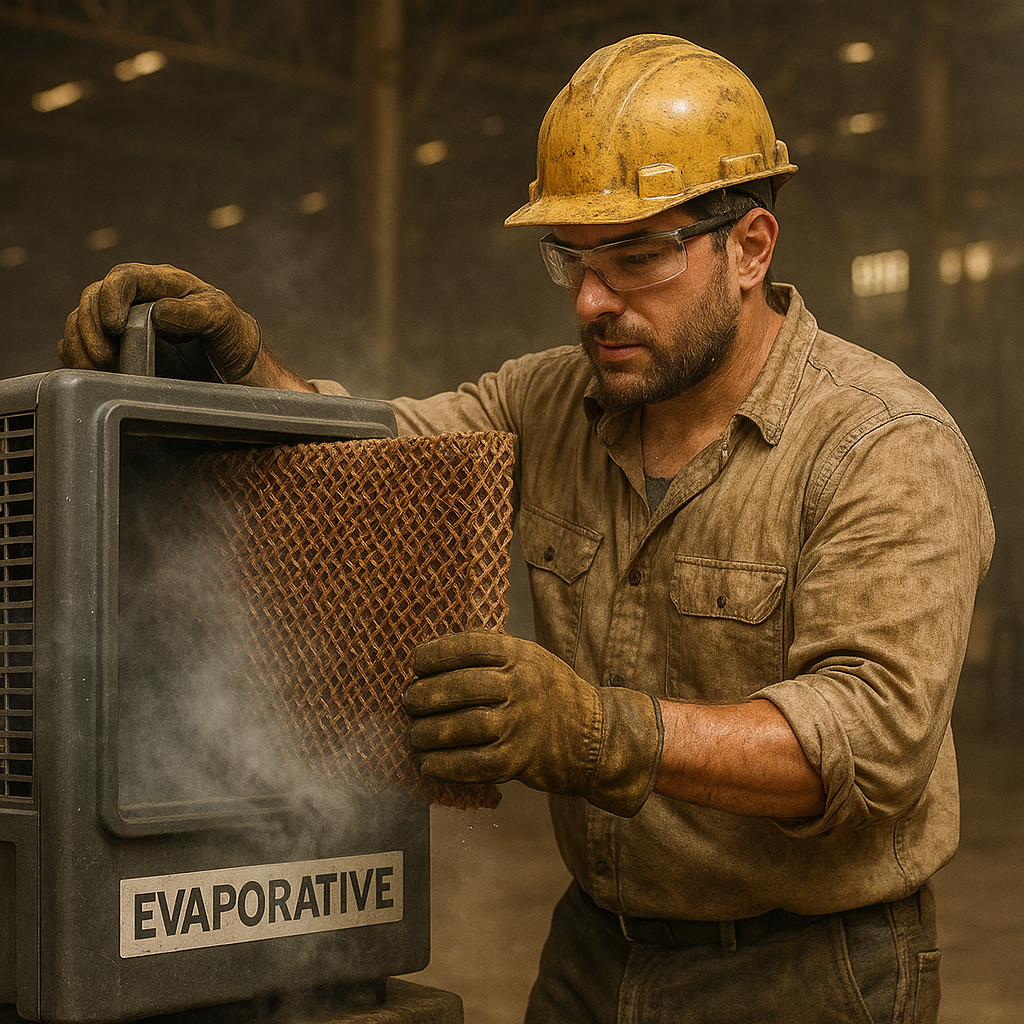
7 Ultimate Cooling Solutions for Hot Work Environments: Why Engineering Controls Matter
Cooling Solutions : Implementing engineering controls for Cooling Solutions for Hot Work Environments shifts the focus from treating heat‐related illness to preventing it. By modifying the physical workspace—through ventilation upgrades, localized cooling, or shading—employers can dramatically reduce core body temperature rise and thermal stress. According to the Canadian Centre for Occupational Health and Safety, heat…
-

The Power of Handwashing: 5 Steps, Importance, and Practices for All Ages
Handwashing is one of the simplest yet most effective ways to prevent the spread of germs and maintain personal hygiene. As a cornerstone of daily health practices, proper handwashing protects against illnesses and fosters a clean, healthy environment for everyone. This article explores the steps for effective handwashing, its importance, teaching kids to wash hands,…
-

Childproofing Fire Hazards: Protecting the Most Vulnerable
Childproofing fire hazards is a crucial step in safeguarding the lives of children and ensuring a safe environment. Children are especially at risk because they are naturally curious and may unknowingly interact with dangerous objects like candles, lighters, or electrical outlets. Additionally, their limited mobility and smaller, more vulnerable respiratory systems make them less capable…
-
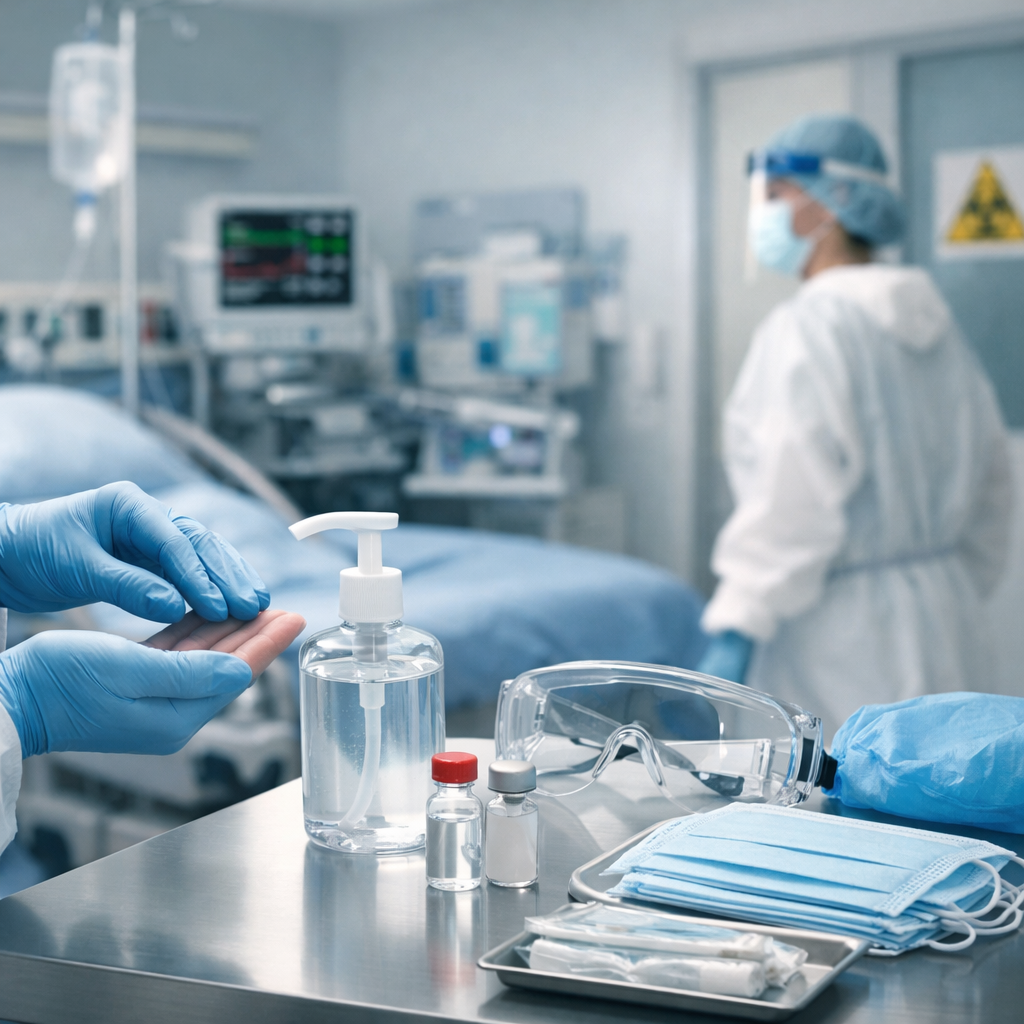
Understanding hospital infection control safety risks in the workplace
hospital infection control safety: Practical OHSE Measures for Safer Patient Care hospital infection control safety is one of the most important parts of occupational health, patient protection, and daily clinical operations. In hospitals, infections can spread quickly when hazards are not identified early and control measures are not applied consistently. Workers, patients, contractors, visitors, and…
-

Stone Safety and Health: A Comprehensive Guide for Workers in the Stone Industry
Table of Contents Stone Safety and Health About the Occupational Health and Safety Act Ministry of Labour Inspections and Enforcement Personal Protective Equipment (PPE) Electrical Safety Hazard Communications Slab Handling, Transport, Loading, and Unloading Overview of Slab Handling Manually Lifting and Moving Slabs Handling Slabs with Overhead Cranes Handling Slabs with Forklifts Clamps and Slings…


