-

Comprehensive Overview of Occupational Health, Safety, and Environment (OHSE)
Occupational Health, Safety, and Environment (OHSE) is a comprehensive approach that integrates the principles of health, safety, and environmental protection within the workplace. It encompasses the management of risks and the promotion of well-being to ensure a holistic approach to the welfare of individuals, the community, and the environment in and around workplaces. Occupational Health,…
-
Why lockout tagout procedures matter in hazardous energy control
Lockout Tagout Procedures: Essential Steps for Hazardous Energy Control Lockout tagout procedures are one of the most important safeguards for preventing serious injuries during equipment maintenance, cleaning, servicing, and repair. When hazardous energy is not properly controlled, workers can be exposed to electric shock, burns, crushing injuries, amputations, release of pressure, or unexpected machine startup.…
-
Strong Safety Culture: 12 Proven Signals of a Truly Safe Workplace
Strong safety culture is visible long before you read a policy manual. You hear it in pre-shift conversations, see it in tidy walkways and labeled valves, and feel it when a new hire confidently stops a task because something looks wrong. In this article, we’ll define what a strong safety culture looks like day-to-day, outline…
-
-
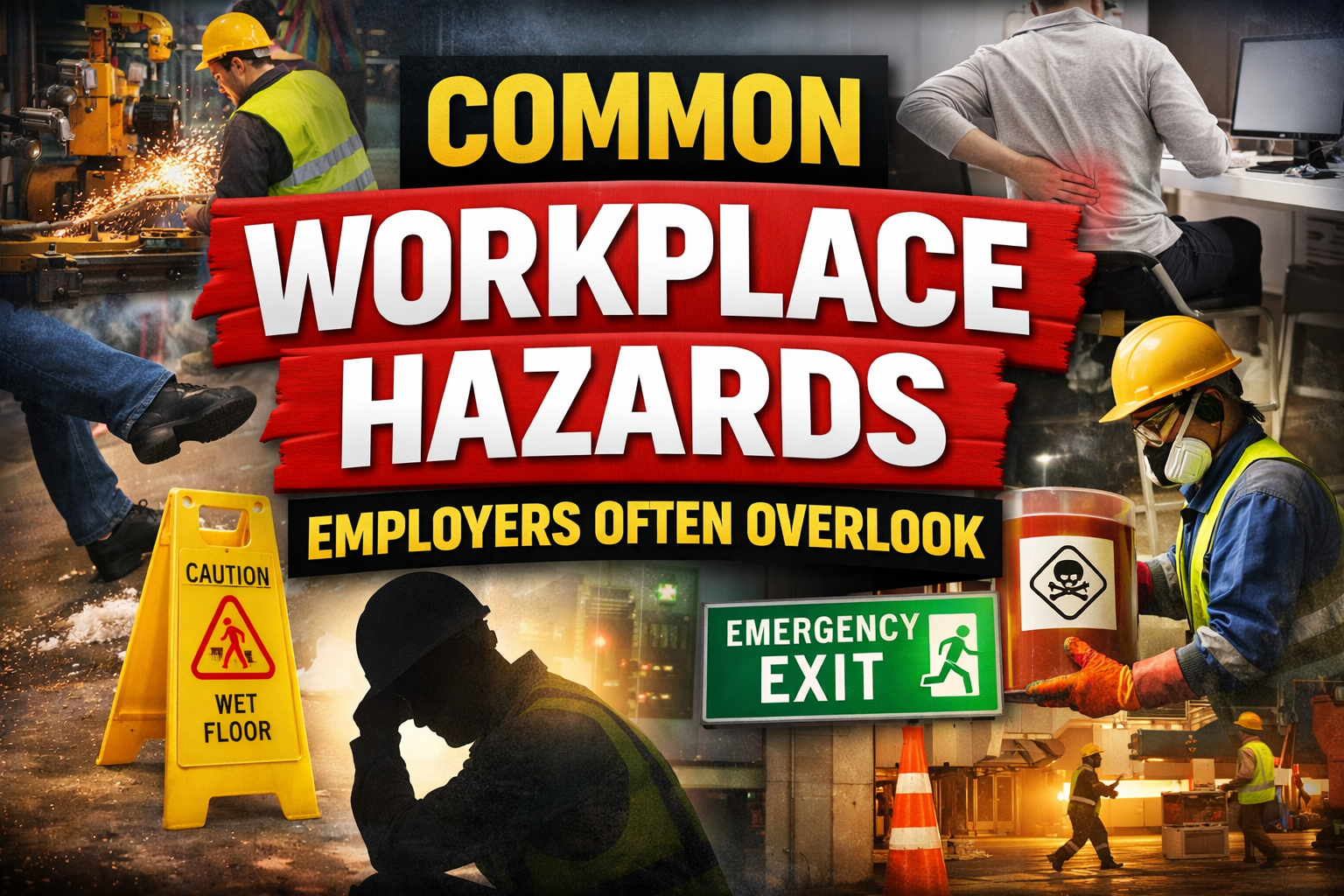
Common Workplace Hazards Employers Often Overlook – A Powerful Wake-Up Call for Safer Workplaces
Common Workplace Hazards Employers Often Overlook continue to put workers, businesses, and reputations at risk despite existing safety programs and compliance efforts. Many organizations focus heavily on obvious dangers such as heavy machinery, working at heights, or hazardous chemicals. While these are critical, some of the most damaging risks are hidden in plain sight—quietly increasing…
-
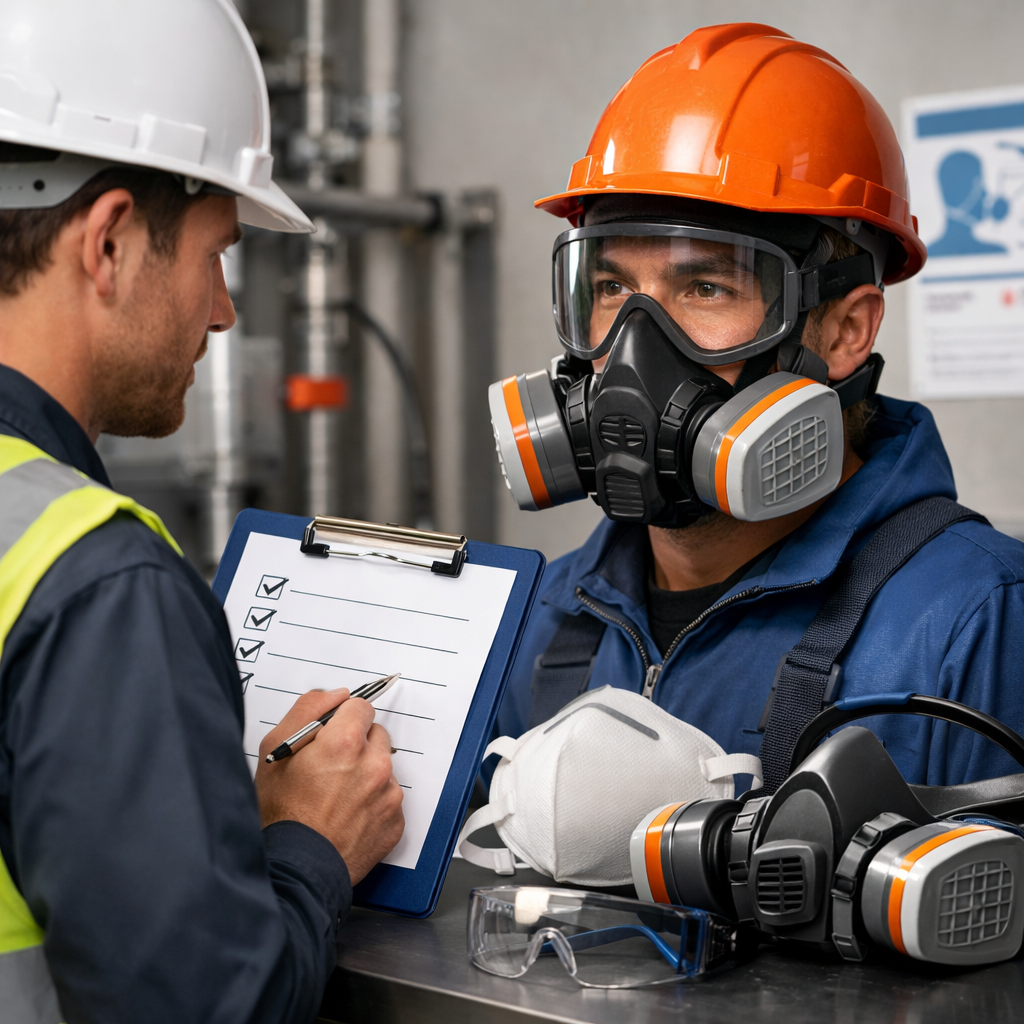
Why a Respiratory Protection Program Matters for Hazard Control
Respiratory Protection Program Steps for Reliable Hazard Control Respiratory protection program planning is a critical part of hazard control when workers may breathe in dust, fumes, mists, gases, vapors, or oxygen-deficient air. A well-managed program helps employers choose the right respirators, confirm workers can safely use them, and make sure protection is reliable in real…
-
Recommended Practices for Safety and Health Programs: Ensuring Workplace Excellence
Recommended practices for safety and health programs are essential for creating safer, healthier, and more productive workplaces. These programs are designed to prevent injuries, reduce risks, and foster a culture of safety across all industries. In this article, we’ll explore the importance of safety and health programs, key practices, and actionable strategies to implement them…
-
Snow and Ice Safety: Best Practices for Kids
Winter is a magical time for kids, with snowball fights, sledding, and building snowmen. However, it also comes with unique safety challenges that parents and caregivers need to address. By teaching children best practices for snow and ice safety, you can ensure they enjoy the winter season while staying safe. Here’s a comprehensive guide to…
-
Hazard Identification and Risk Assessment
Table of Contents 1. Introduction to Hazard Identification and Risk Assessment 2. Understanding Hazards 3. The Hazard Identification Process 4. Introduction to Risk Assessment 5. Conducting a Risk Assessment 6. Risk Control and Mitigation Strategies 7. Case Studies in Hazard Identification and Risk Assessment 8. Legal and Regulatory Frameworks 9. Integrating Hazard Identification and Risk…
-
Stone Safety and Health: A Comprehensive Guide for Workers in the Stone Industry
Table of Contents Stone Safety and Health About the Occupational Health and Safety Act Ministry of Labour Inspections and Enforcement Personal Protective Equipment (PPE) Electrical Safety Hazard Communications Slab Handling, Transport, Loading, and Unloading Overview of Slab Handling Manually Lifting and Moving Slabs Handling Slabs with Overhead Cranes Handling Slabs with Forklifts Clamps and Slings…
-
Free Safety Posters – Essential Workplace Safety Posters
Table of Contents Safety Posters 1. Fire Safety: The PASS Method for Fire Extinguishers 2. Preventing Slips, Trips, and Falls 3. Wear PPE (Personal Protective Equipment) 4. Safety First: Think Safety, Work Safely Why Safety Posters Matter Final Thoughts Safety Posters Maintaining a safe work environment is a priority for every organization. Safety posters serve…