-

Comprehensive Overview of Occupational Health, Safety, and Environment (OHSE)
Occupational Health, Safety, and Environment (OHSE) is a comprehensive approach that integrates the principles of health, safety, and environmental protection within the workplace. It encompasses the management of risks and the promotion of well-being to ensure a holistic approach to the welfare of individuals, the community, and the environment in and around workplaces. Occupational Health,…
-
Demolition Site Safety Risks and Why They Are So Dangerous
Demolition Site Safety Risks: Key Hazards, Controls, PPE, and Compliance on Real Worksites demolition site safety risks are among the most serious hazards in construction because demolition work combines unstable structures, heavy equipment, falling materials, dust, noise, and tight project deadlines. When planning is weak or controls are poorly applied, a demolition site can quickly…
-
9 Innovative Solutions to Combat Plastic Waste Pollution
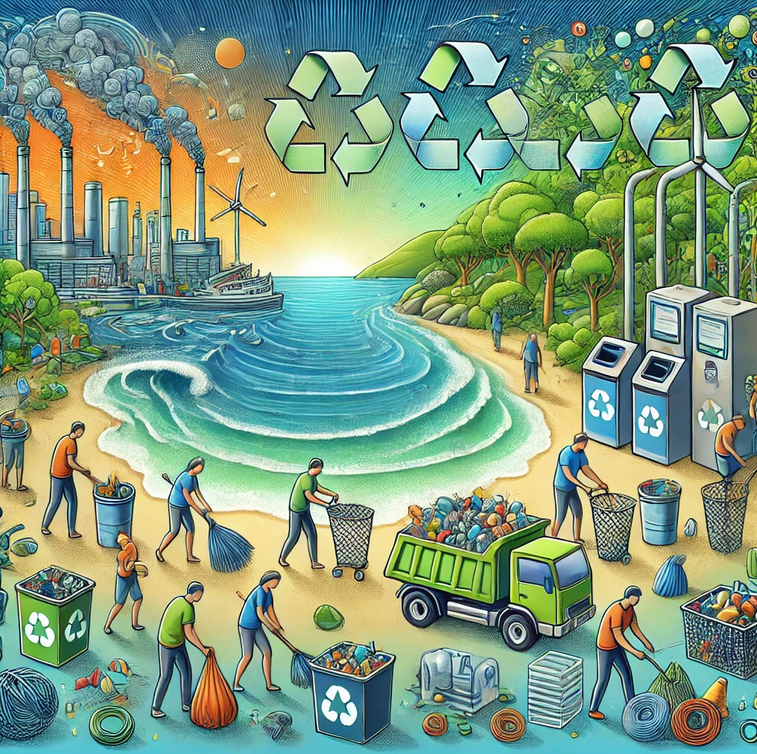
Innovative solutions to combat plastic waste pollution are essential for creating a sustainable planet. With millions of tons of plastic polluting the environment each year, technology, policies, and collective action can drive significant change. By addressing the problem with innovative strategies, we can reduce pollution, protect ecosystems, and promote a healthier future. Table of Contents…
-
Risk = Likelihood of Occurrence × Severity of Consequences: A Key Concept in Risk Assessment
In the realm of Occupational Health, Safety, and Environment (OHSE), effective risk management is critical for protecting the health and safety of workers, as well as ensuring the smooth operation of business processes. One of the most fundamental principles in risk assessment is the formula: Risk = Likelihood of Occurrence × Severity of Consequences. This…
-
How Management Can Shape a Proactive Health and Safety Culture
How Management Can Shape a Proactive Health and Safety Culture Creating a proactive health and safety culture is essential for any organization aiming to protect its workforce, maintain compliance, and achieve long-term success. Leadership plays a pivotal role in this transformation, as management’s actions and attitudes directly influence employees’ perceptions and behaviors regarding workplace safety.…
-
How Workers Maximize PPE Shopping During Black Friday
Black Friday isn’t just about electronics and clothing deals—it’s also a golden opportunity for workers to stock up on Personal Protective Equipment (PPE). From safety gloves and goggles to steel-toe boots and high-visibility jackets, Black Friday sales allow workers to secure essential safety gear at discounted prices. This article dives into how workers can maximize…
-
The Dangerous Consequences of Ignoring Medical Restrictions in the Workplace
Ignoring Medical Restrictions : When a doctor advises an employee against performing specific tasks due to illness or injury, it is a serious medical recommendation meant to protect both the worker and the workplace. However, in some organizations, occupational health and safety (OHSE) instructors find their risk assessments rejected, and employees are forced to carry…
-
Why every emergency evacuation plan must be site-specific
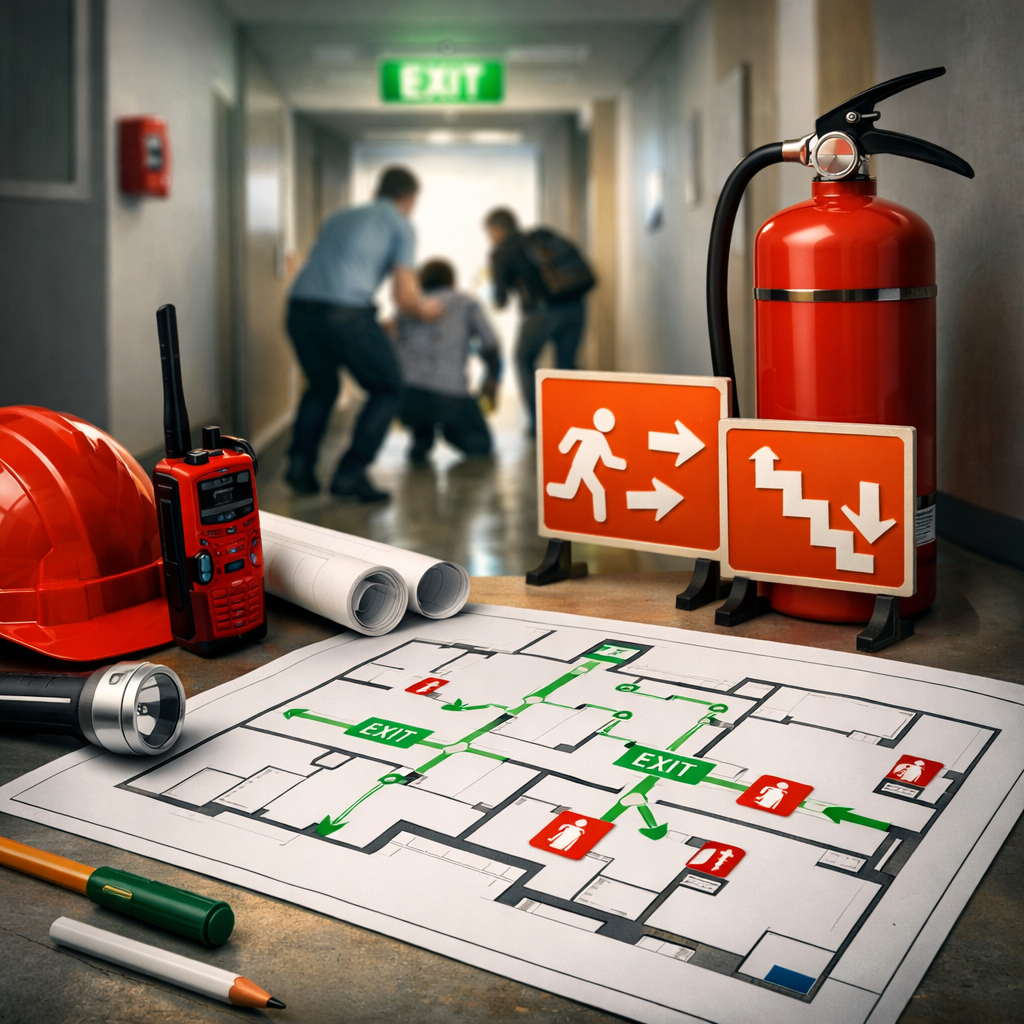
Emergency Evacuation Plan: Critical Elements Every Site Needs Emergency evacuation plan requirements should never be treated as a box-ticking exercise. When a fire, chemical release, gas leak, structural issue, or security threat occurs, people need clear instructions they can follow under pressure. A strong emergency evacuation plan helps protect workers, contractors, visitors, and anyone else…
-
What is a Hazard? Complete Guide to Types, Examples, and Control Measures
Table of Contents 🚨 What is a Hazard? 📚 Definition of Hazard 🧩 Difference Between Hazard and Risk Understanding Hazards and Their Impact 🧪 Types of Hazards 1. Physical Hazards 2. Chemical Hazards 3. Biological Hazards 4. Ergonomic Hazards 5. Psychosocial Hazards 6. Environmental Hazards 🔍 How to Identify Hazards 📊 Table: Hazard Type vs.…
-
Why PPE program basics matter in daily operations
PPE Program Basics for Stronger Workplace Protection PPE program basics are the foundation of a safer workplace because they help employers choose the right protective equipment, make sure it fits, keep it in good condition, and confirm workers know how to use it correctly. Whether the job involves construction, manufacturing, warehousing, labs, or maintenance work,…
-
Supporting Migrant Workers: Overcoming OHSE Barriers in Multicultural Workforces
Supporting Migrant Workers – Migrant workers contribute significantly to economies worldwide, often taking on vital roles in industries such as construction, agriculture, manufacturing, and healthcare. However, they frequently face unique challenges in occupational health, safety, and environment (OHSE) compliance and implementation. These barriers can stem from language differences, cultural nuances, limited knowledge of workplace rights,…