-

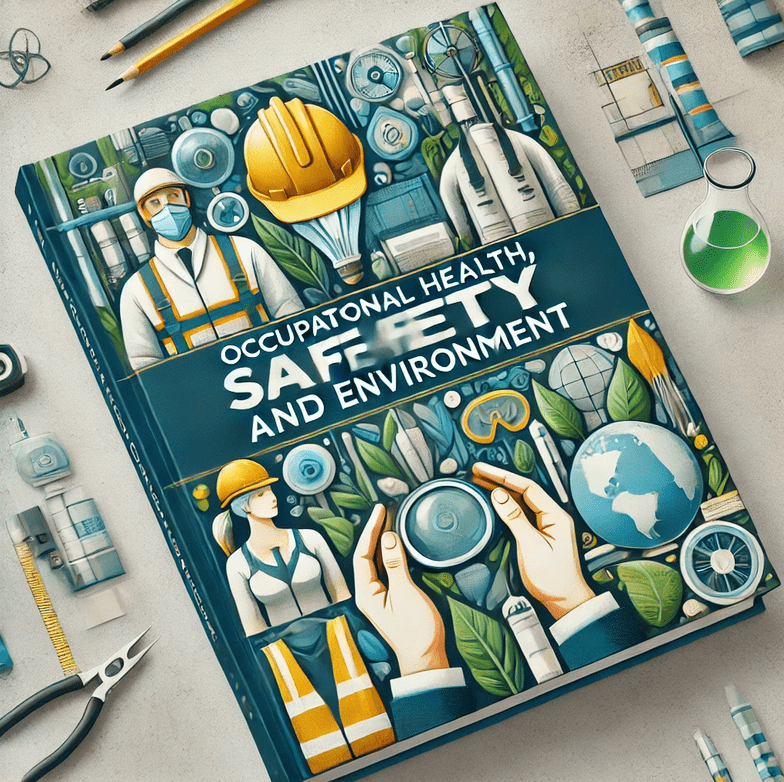
Comprehensive Overview of Occupational Health, Safety, and Environment (OHSE)
Occupational Health, Safety, and Environment (OHSE) is a comprehensive approach that integrates the principles of health, safety, and environmental protection within the workplace. It encompasses the management of risks and the promotion of well-being to ensure a holistic approach to the welfare of individuals, the community, and the environment in and around workplaces. Occupational Health,…
-
30 Workplace Safety Tips for New Employees
30 Workplace Safety Tips : Starting a new job is an exciting yet challenging experience, especially when it comes to understanding workplace safety protocols. Ensuring your safety and the safety of your colleagues should be a top priority from day one. Here are 30 essential safety tips tailored for new employees to help them stay…
-
10 Travel & Safety Tips to Know Before You Go
Planning a trip is an exciting adventure, but ensuring your journey is safe and enjoyable requires preparation. Travel & safety tips are essential for every traveler, offering guidance to navigate unfamiliar environments while prioritizing personal security and well-being. These insights empower you to experience the world confidently while avoiding unnecessary risks. Table of Contents Importance…
-
Preventing Winter-Related Respiratory Illnesses in the Workplace: Practical Tips for a Healthier Winter
Winter is a challenging season for workplace health, with respiratory illnesses like the flu, colds, and bronchitis on the rise. These illnesses are highly contagious and can spread quickly in shared indoor spaces, impacting both employee health and workplace productivity. Implementing comprehensive Occupational Health and Safety (OHS) strategies is essential for reducing the risk of…
-
Why a safety inspection checklist matters for routine audits
Safety Inspection Checklist: Effective Ideas for Routine Audits That Improve Workplace Safety Safety inspection checklist routines are one of the most practical ways to identify hazards early, reduce incidents, and keep workplaces compliant with health and safety requirements. Whether you manage an office, warehouse, construction site, plant, or retail operation, a well-built checklist helps teams…
-
50 Simple Actions to Improve Workplace Safety and Health
Improving workplace safety and health doesn’t always require major overhauls. Simple actions, when consistently implemented, can make a significant difference. Here are 50 straightforward actions to enhance safety and promote health in your workplace: No. Action Description 1 Conduct Regular Safety Audits Schedule periodic safety checks to identify potential hazards. 2 Encourage Open Communication Foster…
-
Safety Culture Strategies Start With Visible Leadership Behaviour
Safety Culture Strategies That Build Employee Trust and Strengthen Workplace Performance Safety culture strategies work best when employees believe leadership means what it says. Trust grows when workers see that safety is not a slogan on a wall, but a daily commitment backed by action, communication, and fair accountability. In every industry, from construction and…
-
Occupational Health and Safety Culture
Table of Contents 8.1. Understanding Safety Culture 8.2. Building a Positive OHSE Culture 8.3. Measuring and Improving Safety Culture Summary and Key Takeaways 8.1. Understanding Safety Culture 8.1.1. Defining Safety Culture Safety culture refers to the shared beliefs, values, attitudes, and practices that shape an organization’s approach to safety. It is the collective mindset that…
-
Top 50 OSHA Interview Questions with Expert Answers and Tips for Success
Occupational Safety and Health Administration (OSHA) interviews are designed to evaluate your knowledge of safety regulations, hazard management, and compliance expertise. Below is a comprehensive list of OSHA interview questions with sample answers and preparation tips to help you showcase your skills effectively. Table of Contents Understanding OSHA Regulations and Standards Hazard Identification and Management…
-
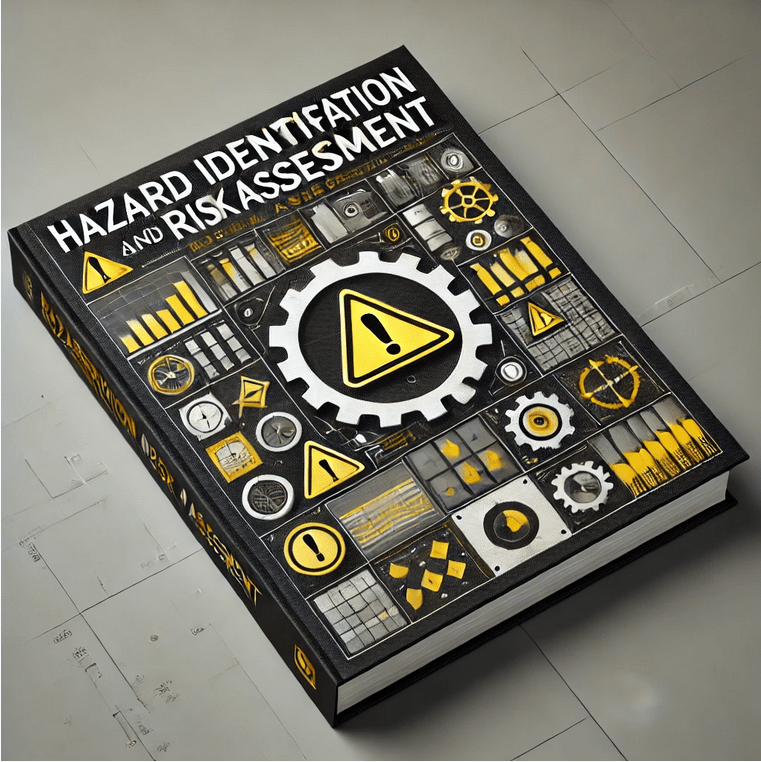
Introduction to Hazard Identification and Risk Assessment
Table of Contents 1.1. Importance of Hazard Identification 1.2. Overview of Risk Assessment 1.3. Objectives of the Textbook Summary of Chapter 1 1.1. Importance of Hazard Identification Hazard identification is a critical first step in ensuring workplace safety. It involves recognizing potential sources of harm that could lead to injury, illness, or damage in the…
-
12 Winter PPE Mistakes That Put Workers at Risk
Winter PPE mistakes are one of the most underestimated contributors to workplace injuries during cold weather operations. As temperatures drop, employers and workers often assume that simply adding more clothing or heavier gear is enough to stay safe. In reality, improper use, selection, or management of winter personal protective equipment can significantly increase the risk…