-

Comprehensive Overview of Occupational Health, Safety, and Environment (OHSE)
Occupational Health, Safety, and Environment (OHSE) is a comprehensive approach that integrates the principles of health, safety, and environmental protection within the workplace. It encompasses the management of risks and the promotion of well-being to ensure a holistic approach to the welfare of individuals, the community, and the environment in and around workplaces. Occupational Health,…
-
Fire Safety in Data Centers: Protecting Critical Infrastructure
Data centers are critical infrastructures that house vast amounts of data and computing resources essential to modern business operations. These centers are characterized by densely packed electronic equipment, which, while vital for business continuity, presents unique fire hazards. A fire in a data center can lead to devastating consequences, including significant data loss, financial damages,…
-
10 Health & Safety Takeaways from the Cannabis Industry
As the cannabis industry continues to grow rapidly, so do the health and safety considerations unique to this emerging field. Cannabis cultivation, processing, and retail environments present their own set of hazards, making occupational health and safety (OHS) a critical focus for employers and workers. By adopting best practices from other industries and implementing industry-specific…
-
How Safe Is Your Workplace? A Survey on Employee Perceptions of Occupational Hazards
Table of Contents Employee Perceptions of Occupational Hazards Key Findings from Workplace Safety Surveys Common Workplace Hazards Identified in Surveys Understanding Employee Safety Perceptions Industry Differences Experience Level Company Culture Improving Workplace Safety Through Employee Feedback 1. Enhance Safety Training 2. Encourage Open Communication 3. Strengthen Safety Policies 4. Invest in Better Equipment and PPE…
-
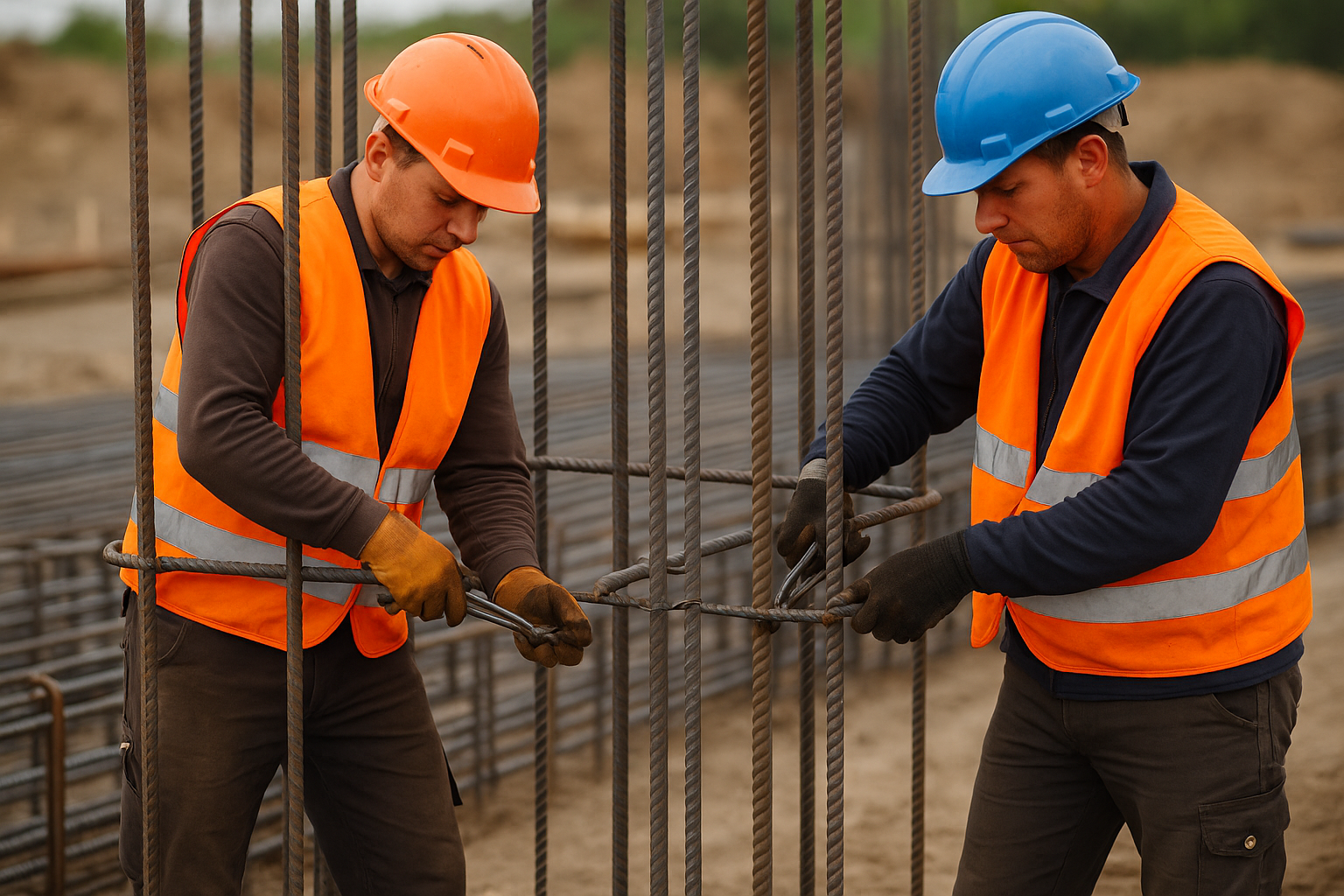
Concrete Reinforcement Safety: Best Practices for Cutting, Bending, and Tying Steel
Concrete reinforcement is the backbone of modern construction, and the technicians who cut, bend, and tie steel play a critical role in ensuring structural strength. But these tasks carry significant risks. By following concrete reinforcement safety practices, employers and workers can prevent injuries while delivering durable, safe structures. Table of Contents Why Concrete Reinforcement Safety…
-
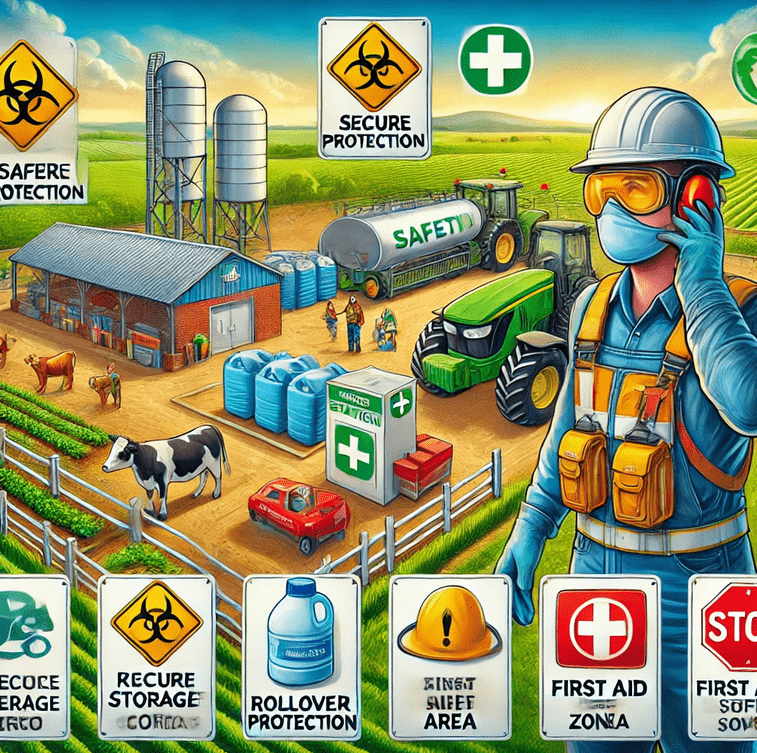
Farm Safety Basics and How to Manage Safety in Agriculture
Agricultural work is among the most rewarding yet challenging occupations, involving various risks that demand proactive safety practices. Farmers face hazards like heavy machinery, livestock handling, chemicals, and unpredictable weather, making safety management essential for both worker well-being and operational success. This article explores the fundamentals of farm safety and effective strategies for managing these…
-
Managing Fatigue and Shift Work: Powerful Strategies for 24/7 Operations
Managing Fatigue and Shift Work is critical for organizations operating 24/7 to ensure employee well-being and maintain performance. When an operation never sleeps, the risks of human error, accidents, and long-term health issues rise dramatically. Effectively managing fatigue and shift work involves more than adjusting schedules—it requires an integrated approach that combines policy, technology, training,…
-
Powerful Careers in OHS: Exploring Top Jobs in Occupational Health and Safety
Careers in OHS : Jobs in Occupational Health and Safety are among the most critical roles in any industry today. Table of Contents Careers in OHS Understanding Jobs in Occupational Health and Safety Entry-Level Jobs in Occupational Health and Safety Health and Safety Assistant Safety Technician Junior HSE Coordinator Mid-Level Careers in Occupational Health and…
-
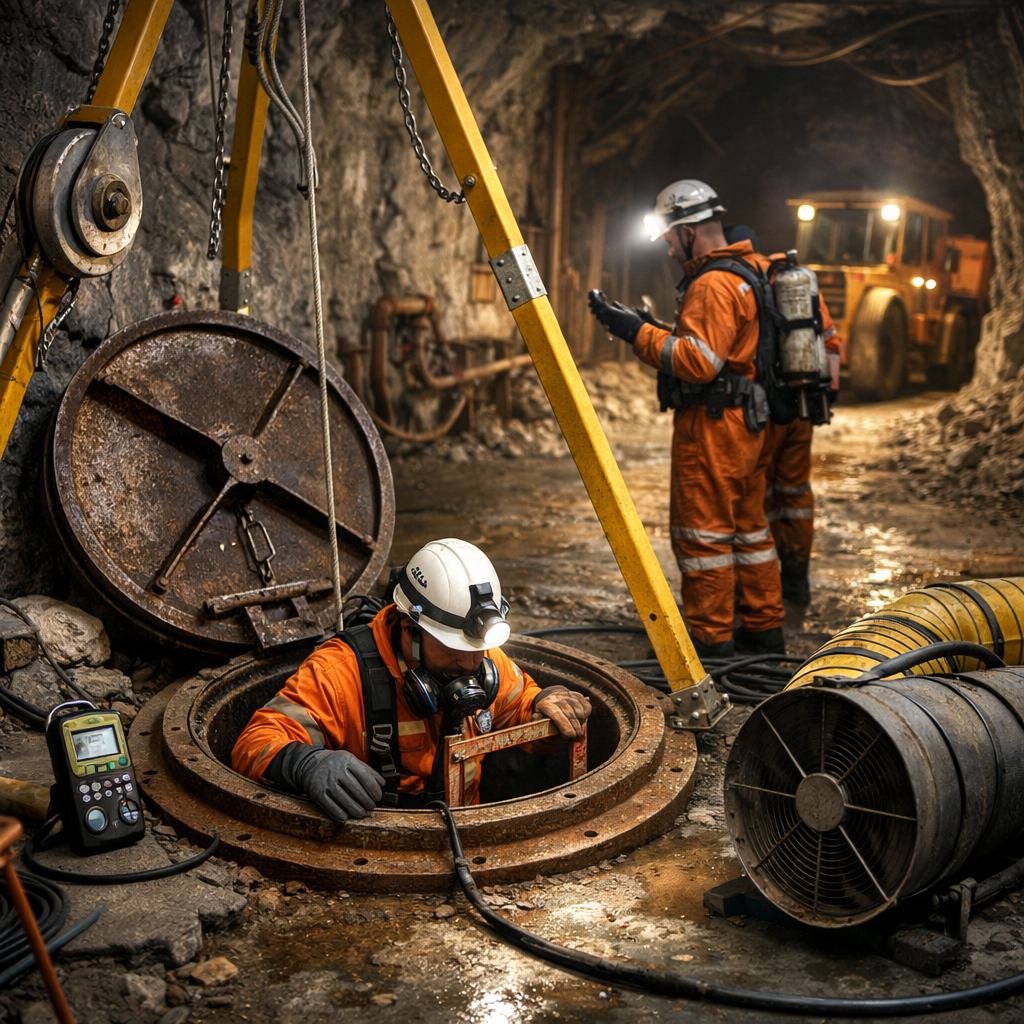
Confined Space Risks in Mining: Hazards, Controls, PPE, and Compliance
Table of Contents Confined Space Risks in Mining: Hazards, Controls, PPE, and Compliance Understanding Confined Space Risks in Mining Common hazards found in mining confined spaces Practical Examples of Confined Space Risks in Mining Example 1: Sump cleaning in an underground mine Example 2: Welding inside an ore hopper Example 3: Entry into a flotation…
-
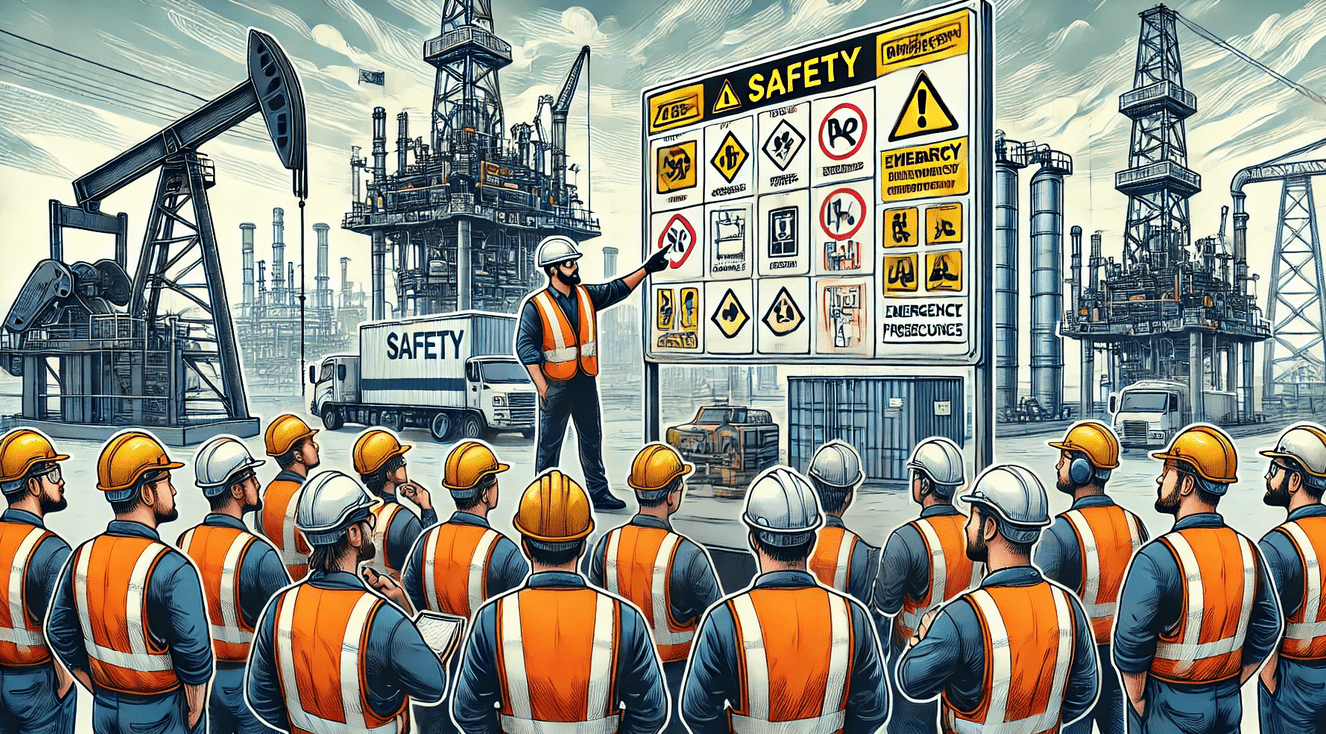
The Role of Safety Training in the Oil and Gas Industry
The oil and gas industry is one of the most hazardous sectors in the world, with workers exposed to risks ranging from fires and explosions to chemical exposures and confined spaces. To mitigate these risks, safety training plays a pivotal role in equipping employees with the knowledge and skills to operate safely and efficiently. This…
-
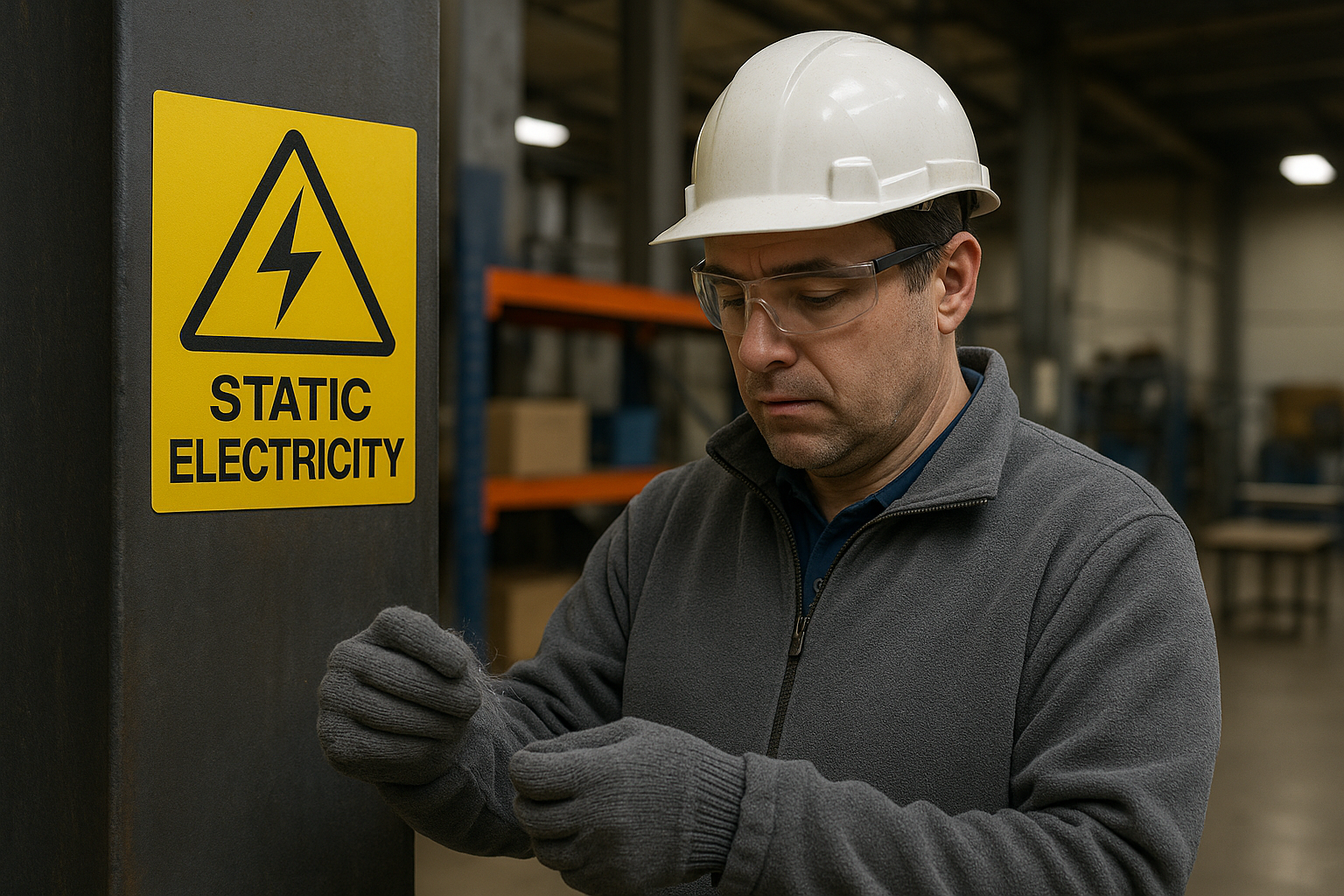
Controlling Static Electricity in Hazardous Environments: A Hidden Danger You Can Prevent
Controlling static electricity in hazardous environments is crucial to avoiding deadly fires, explosions, and injuries. Static discharge may seem harmless, but in industries dealing with flammable vapors, dusts, or gases, it can be catastrophic. Understanding the risks and implementing proper control measures can mean the difference between routine operations and disaster. Table of Contents Understanding…