-

Comprehensive Overview of Occupational Health, Safety, and Environment (OHSE)
Occupational Health, Safety, and Environment (OHSE) is a comprehensive approach that integrates the principles of health, safety, and environmental protection within the workplace. It encompasses the management of risks and the promotion of well-being to ensure a holistic approach to the welfare of individuals, the community, and the environment in and around workplaces. Occupational Health,…
-
Building a Peer-Led Safety Program That Works
Table of Contents What Is a Peer-Led Safety Program? Why Peer-Led Safety Programs Work ✅ 1. Boosts Trust and Communication ✅ 2. Increases Engagement ✅ 3. Enhances Safety Culture ✅ 4. Provides Real-World Insight Steps to Building a Peer-Led Safety Program That Works 🧱 Step 1: Get Leadership Buy-In 🙋 Step 2: Select the Right…
-
Vital Guide to Managing Heat and Cold Stress for Forestry Workers
Managing heat and cold stress for forestry workers is crucial for maintaining safety and productivity in extreme weather conditions. Forest workers are often exposed to harsh environments, whether it’s sweltering summer heat or freezing winter temperatures. Without proper planning, training, and controls, these conditions can lead to severe health risks, including hypothermia, heat stroke, frostbite,…
-
Mastering Workplace Safety: 20+ Key Questions and Answers Every Professional Should Know
Workplace safety is more than just compliance—it’s a culture. Whether you’re a safety officer, a business owner, or a curious worker, understanding fundamental safety concepts is crucial to ensuring everyone gets home safe at the end of the day. In this detailed post, we answer some of the most frequently asked and essential safety-related questions.…
-
Occupational Health and Safety (OHS) in the Diving Career
Occupational diving is a critical component of many industries such as underwater construction, oil and gas, scientific research, aquaculture, and salvage. While the profession provides unique opportunities, it comes with inherent risks such as drowning, respiratory issues, hypothermia, and physical injuries. Ensuring the health and safety of divers is essential for preventing workplace incidents and…
-
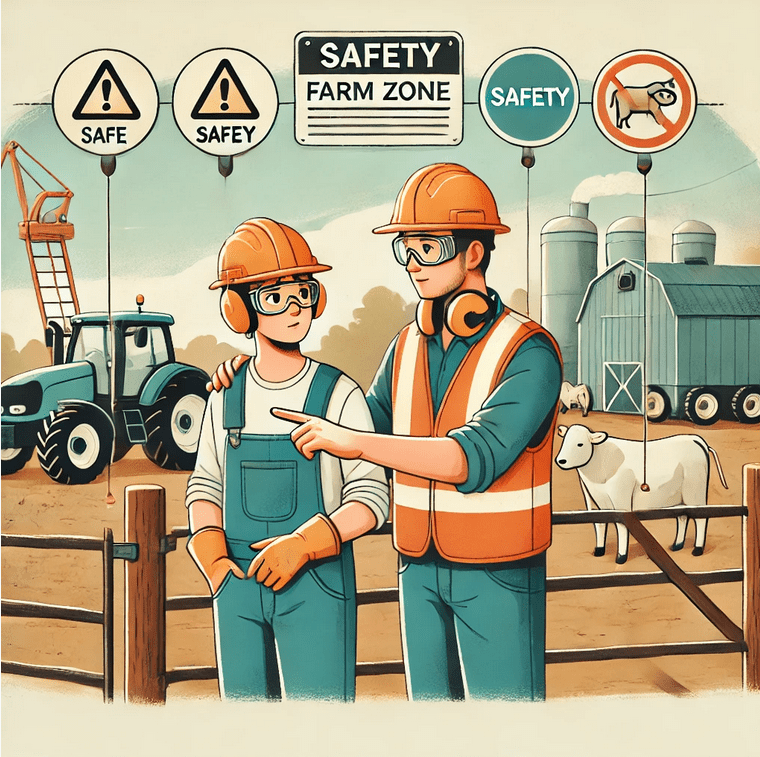
Managing Health and Safety: A Comprehensive Guide for Farmers
Agriculture is one of the most physically demanding and potentially hazardous industries. Farmers and farm workers face numerous health and safety risks daily, from handling heavy machinery to exposure to chemicals and unpredictable weather conditions. Managing these risks requires a proactive, organized approach to ensure a safe working environment for everyone involved. This guide provides…
-
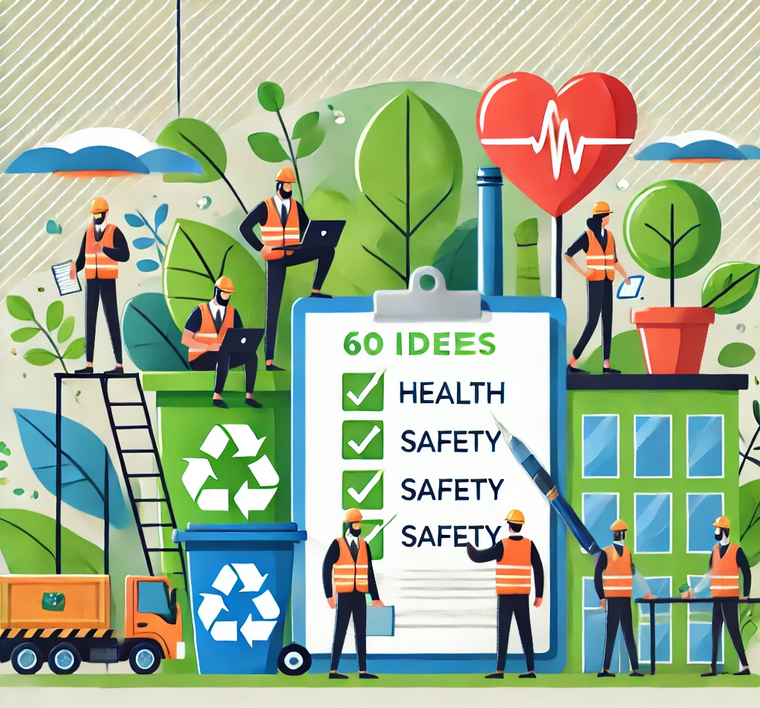
60 Ideas to Enhance OHSE in the Workplace
Occupational Health, Safety, and Environment (OHSE) is crucial for fostering a safe, sustainable, and productive work environment. Here’s a comprehensive list of 60 ideas to help organizations implement, enhance, and maintain effective OHSE practices. Table of Contents 1-10: OHSE Policy and Strategy 11-20: Risk Assessment and Control 21-30: Training and Awareness 31-40: Employee Involvement 41-50:…
-
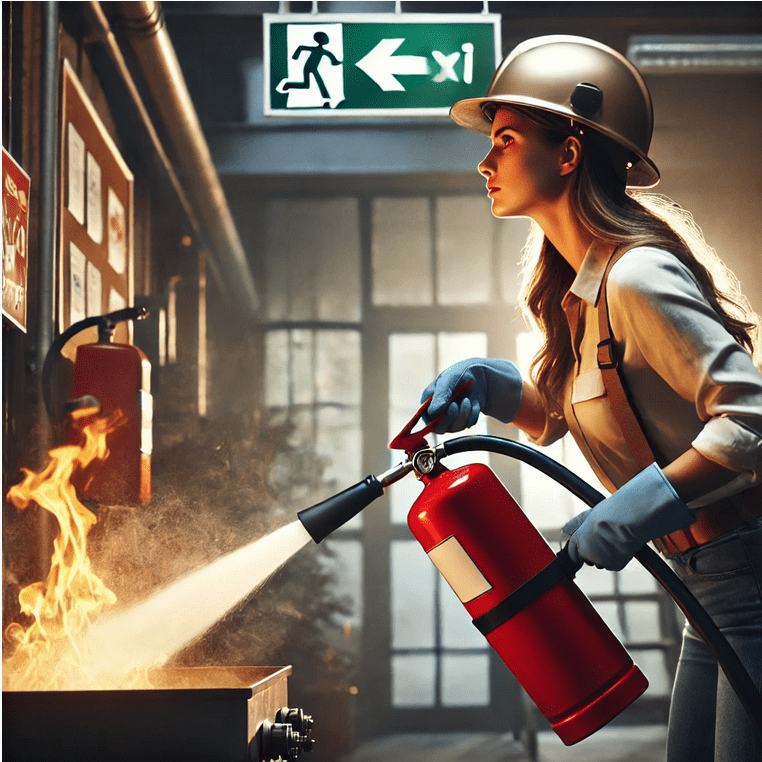
Fire Suppression Systems: Choosing the Right Solution for Your Workplace
Workplace safety is a top priority for businesses, particularly when it comes to fire hazards. A fire can cause significant damage to property, disrupt operations, and, most importantly, threaten the safety of employees. Fire suppression systems are critical tools designed to detect and extinguish fires before they cause widespread damage. However, choosing the right fire…
-
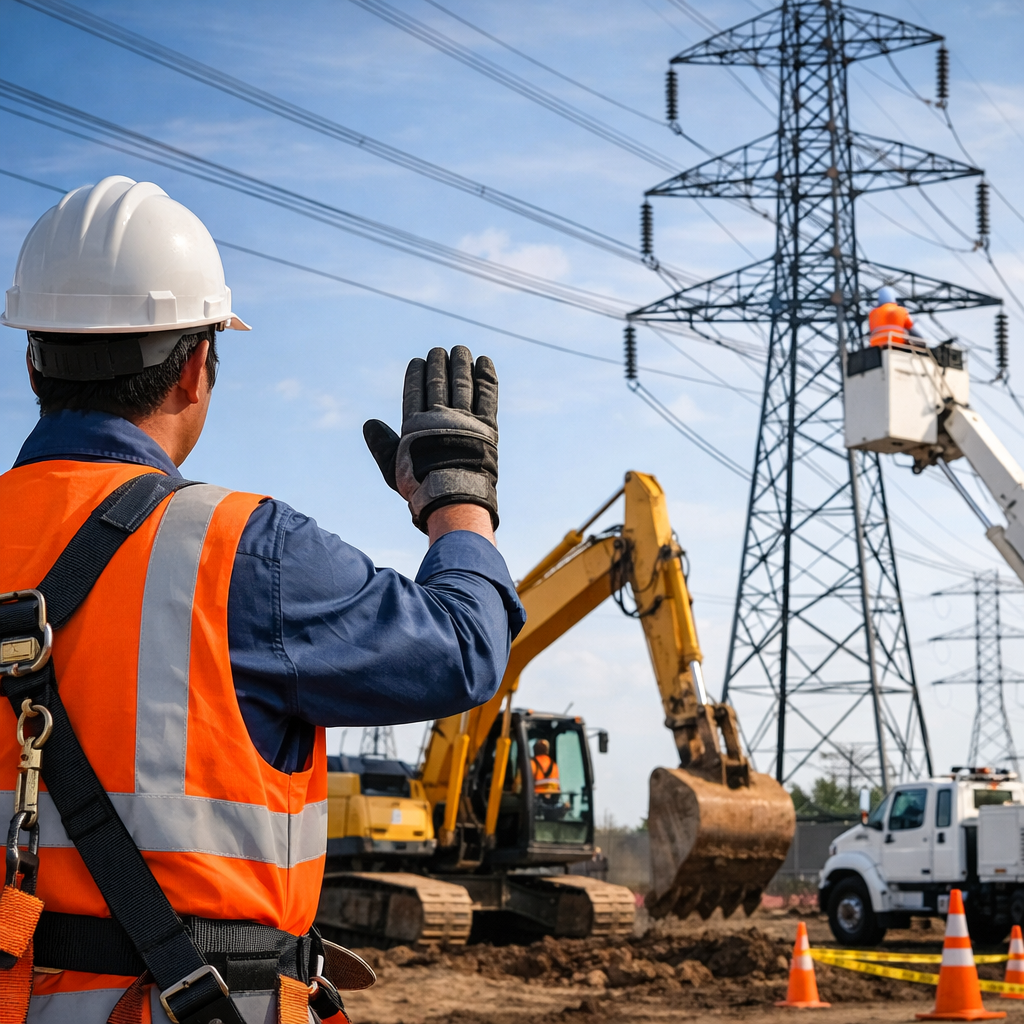
Understanding working near power lines safety risks
working near power lines safety: Essential OHSE Practices for Safer Job Sites working near power lines safety is a critical concern for anyone operating equipment, handling materials, or performing maintenance near overhead or underground electrical assets. A single mistake can lead to electric shock, arc flash, burns, equipment damage, service disruption, or a fatal incident.…
-
The Role of Technology in Occupational Safety: Trends and Innovations
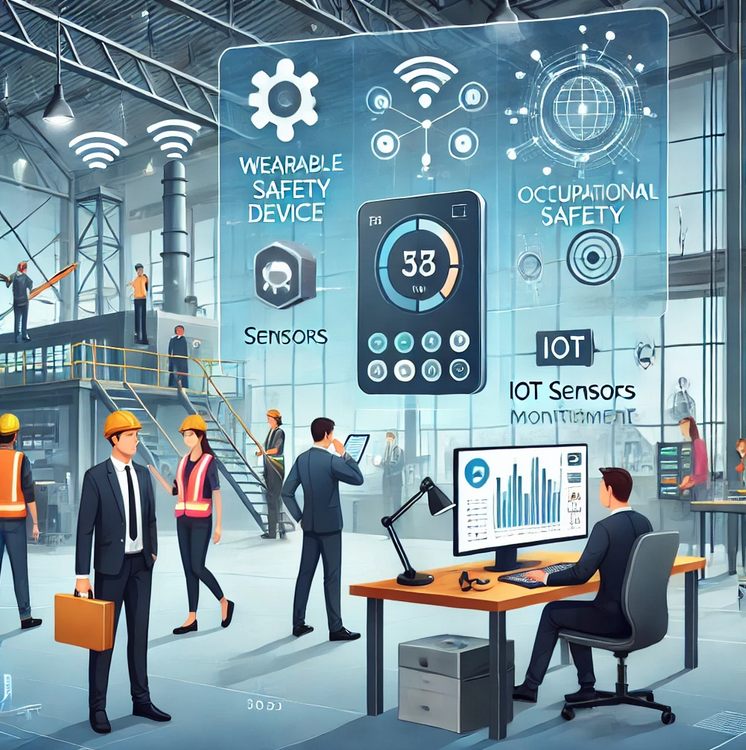
The role of technology in occupational safety is transforming workplaces, enhancing safety measures, and reducing risks across industries. From wearable devices to AI-driven analytics, technological innovations are empowering organizations to create safer environments for employees. This article explores how advancements in technology are reshaping occupational safety and highlights emerging trends and innovations. Table of Contents…
-
school staff safety guidelines: Practical OHSE Measures for a Safer School Workplace
Table of Contents school staff safety guidelines: Practical OHSE Measures for a Safer School Workplace Why school staff safety guidelines matter in every school setting Common hazards affecting school staff Risk prevention using the hierarchy of controls Applying the hierarchy of controls in schools Prevention measures schools should prioritize PPE and practical examples for everyday…