-

Comprehensive Overview of Occupational Health, Safety, and Environment (OHSE)
Occupational Health, Safety, and Environment (OHSE) is a comprehensive approach that integrates the principles of health, safety, and environmental protection within the workplace. It encompasses the management of risks and the promotion of well-being to ensure a holistic approach to the welfare of individuals, the community, and the environment in and around workplaces. Occupational Health,…
-
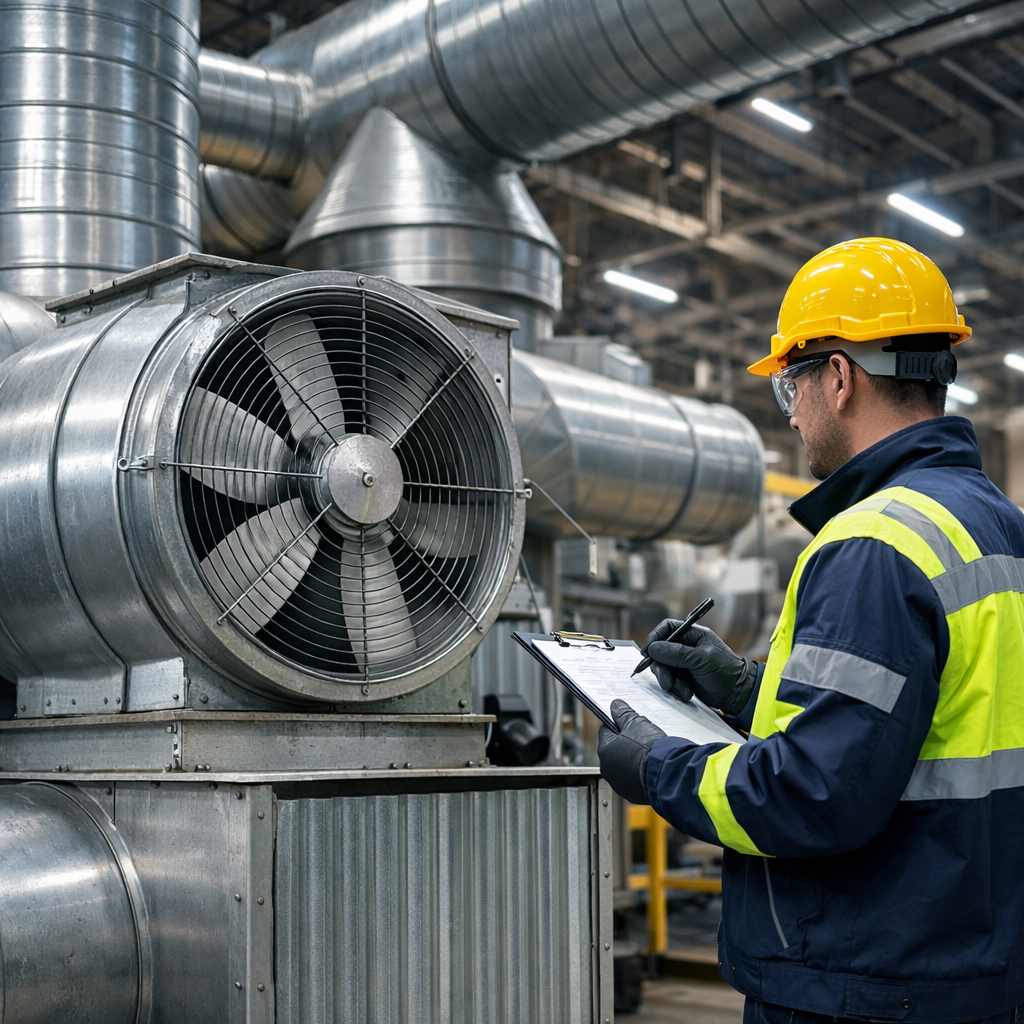
Why industrial ventilation safety matters in the workplace
industrial ventilation safety: Protecting Workers, Controlling Hazards, and Meeting OHSE Standards Industrial ventilation safety is a critical part of occupational health, safety, and environmental management in factories, warehouses, workshops, laboratories, and processing plants. When ventilation systems are properly designed, maintained, and monitored, they help remove airborne contaminants, control temperature, reduce fire and explosion risks, and…
-
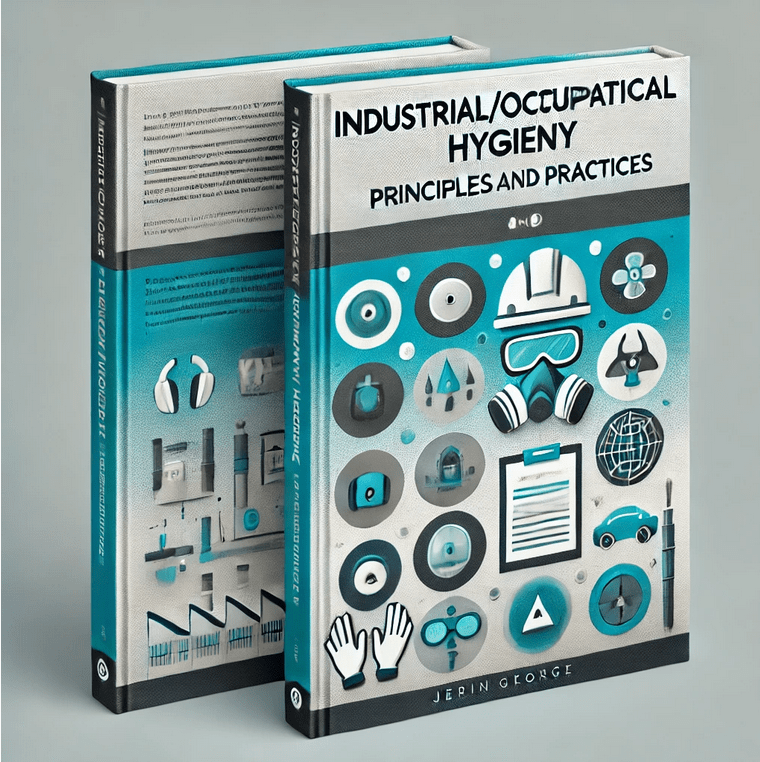
Hazard Identification
Table of Contents 3.1 Chemical Hazards: Types and Sources 3.2 Physical Hazards: Noise, Vibration, Radiation 3.3 Biological Hazards: Pathogens, Bioaerosols, and Molds 3.4 Ergonomic Hazards: Repetitive Motion, Posture, and Strain 3.5 Psychosocial Hazards: Stress, Workplace Violence Practical Applications: Identifying Hazards in a Manufacturing Plant Review Questions: Further Reading: 3.1 Chemical Hazards: Types and Sources Chemical…
-
Preventing Cuts and Lacerations: Essential Safety Tips for Every Workplace
Preventing cuts and lacerations is critical for maintaining workplace safety and protecting employees from injuries that can lead to lost productivity, medical expenses, and long-term complications. Whether working with sharp tools, machinery, or handling hazardous materials, understanding how to prevent cuts and lacerations is vital. This article provides actionable strategies and tools to minimize risks…
-
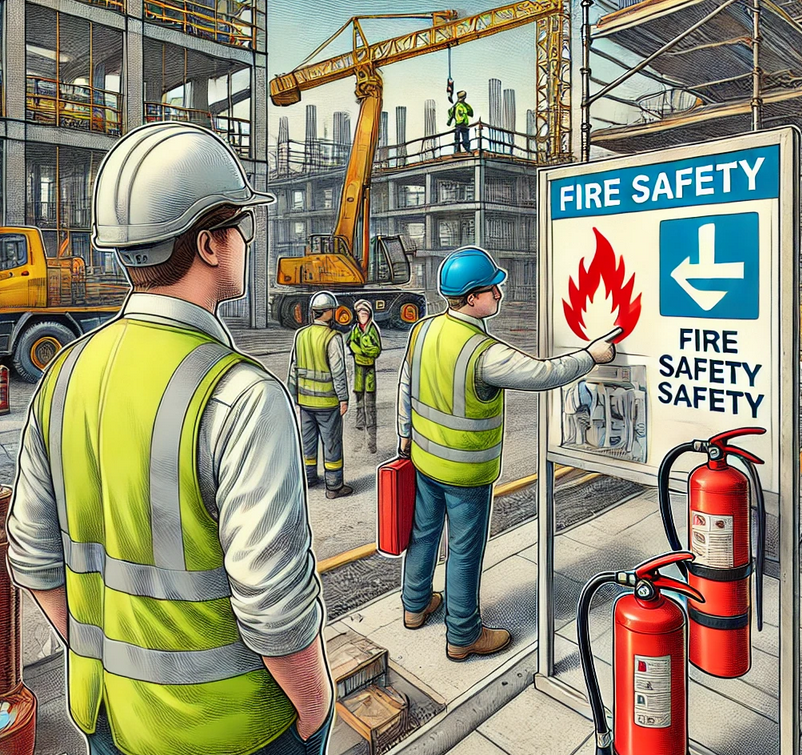
Fire Safety in Construction Sites: Key Challenges and Solutions
Fire Safety in Construction Sites: Key Challenges and Solutions Construction sites are inherently high-risk environments, and fire hazards are among the most significant threats. With flammable materials, temporary electrical setups, and heavy machinery in use, it is critical to implement robust fire safety measures. This article explores key fire hazards in construction sites and offers…
-
Protecting the Players: Essential OHSE Guidelines for Sports Facilities
OHSE Guidelines for Sports Facilities are not just recommendations—they are a critical framework for ensuring the safety, health, and environmental responsibility of any sports venue. From local gymnasiums to world-class stadiums, these facilities host high-energy activities and large crowds, which bring inherent risks to athletes, staff, and spectators alike. Implementing proper Occupational Health, Safety, and…
-
The Role of EAPs in Improving Workplace Mental Health: A Powerful Strategy for Happier, Healthier Teams
Table of Contents Introduction: EAPs in Improving Workplace Mental Health What Are EAPs and How Do They Work? Why EAPs Are Critical for Workplace Mental Health Core Services Provided by EAPs How EAPs Support Managers and Teams Real-World Impact of EAPs Best Practices for Implementing an EAP Integrating EAPs Into OHSE Programs Internal and External…
-
Gaming Industry OHSE Risks: 10+ Vital Safety Strategies for Developers and Gamers
Gaming Industry OHSE Risks are often underestimated in both casual and professional settings. Whether you’re a developer coding for long hours or a competitive e-sports athlete training daily, health and safety risks exist in the background of every frame and keystroke. The gaming industry has evolved into a global powerhouse, with game development studios, streaming…
-
Transform Your Career with the Online Certification Exam at OHSE.ca – Limited 50% Discount!
Online Certification Exam at OHSE.ca is becoming a popular choice for professionals who want to strengthen their knowledge in Occupational Health, Safety, and Environment without the heavy costs or lengthy in-person training. If you’ve been waiting for the right time to get certified, now’s your chance — a special coupon code OHS50 gives you 50%…
-
How to Prevent Falls from Heights in Construction – 7 Powerful Strategies for a Safer Site
Prevent Falls from Heights in Construction is not just a regulatory obligation—it’s a matter of life and death. Falls remain one of the leading causes of injuries and fatalities in the construction industry. Thankfully, with proactive safety practices, proper equipment, and a strong safety culture, these tragic incidents can be prevented. This article outlines seven…
-
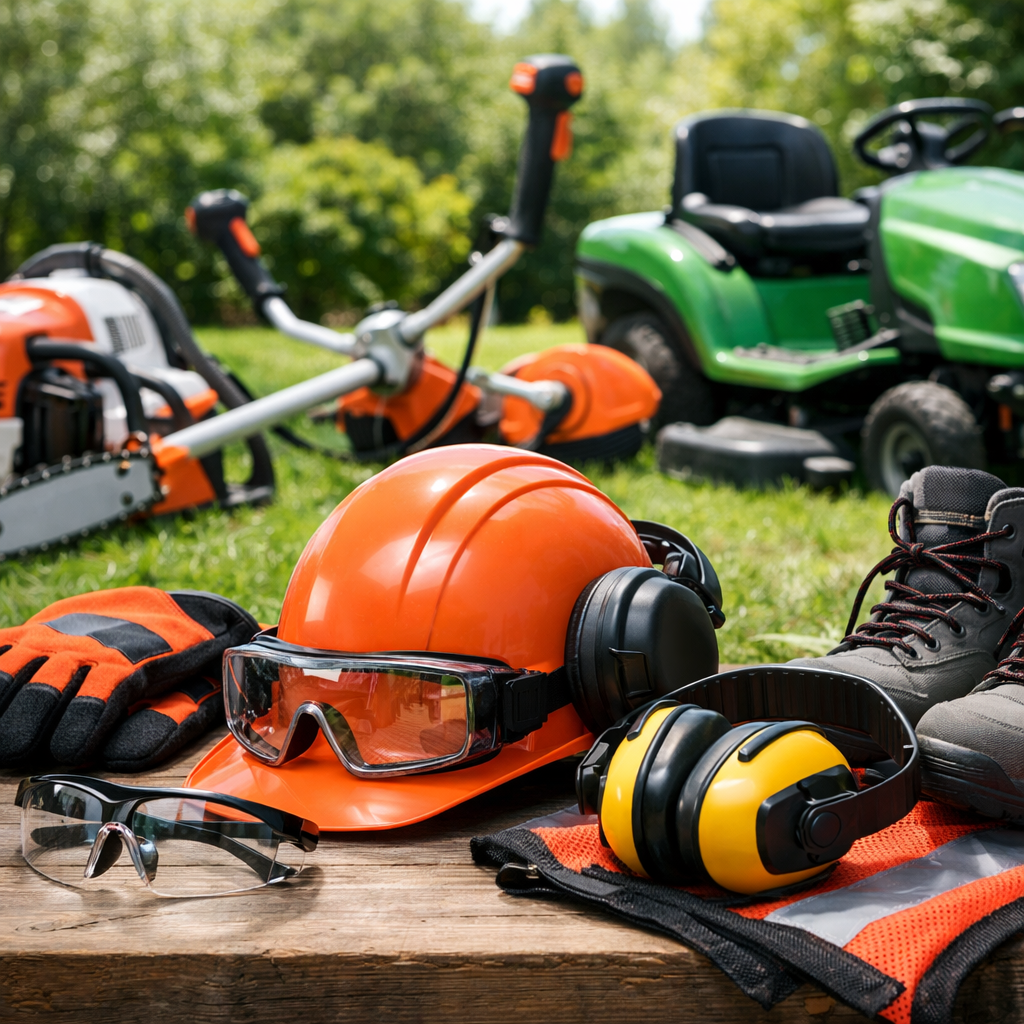
Landscaping Equipment Safety: Essential OHSE Practices for Safer Outdoor Work
Table of Contents Landscaping Equipment Safety: Essential OHSE Practices for Safer Outdoor Work Common Risks in Landscaping Equipment Safety Physical and Mechanical Hazards Noise, Vibration, and Ergonomic Risks Environmental and Site Hazards Landscaping Equipment Safety Controls and Prevention Measures Apply the Hierarchy of Controls Pre-Start Inspections and Safe Operation PPE for Landscaping Equipment Safety Essential…