-

Comprehensive Overview of Occupational Health, Safety, and Environment (OHSE)
Occupational Health, Safety, and Environment (OHSE) is a comprehensive approach that integrates the principles of health, safety, and environmental protection within the workplace. It encompasses the management of risks and the promotion of well-being to ensure a holistic approach to the welfare of individuals, the community, and the environment in and around workplaces. Occupational Health,…
-
Understanding Occupational Cancers: Risks and Prevention
Occupational cancers are a significant yet often overlooked workplace hazard. They develop due to prolonged exposure to carcinogens—substances known to cause cancer—in various industries. Workers in construction, manufacturing, healthcare, mining, and agriculture face an increased risk of developing cancers due to exposure to harmful chemicals, dust, radiation, and other hazardous agents. Understanding occupational cancers, their…
-
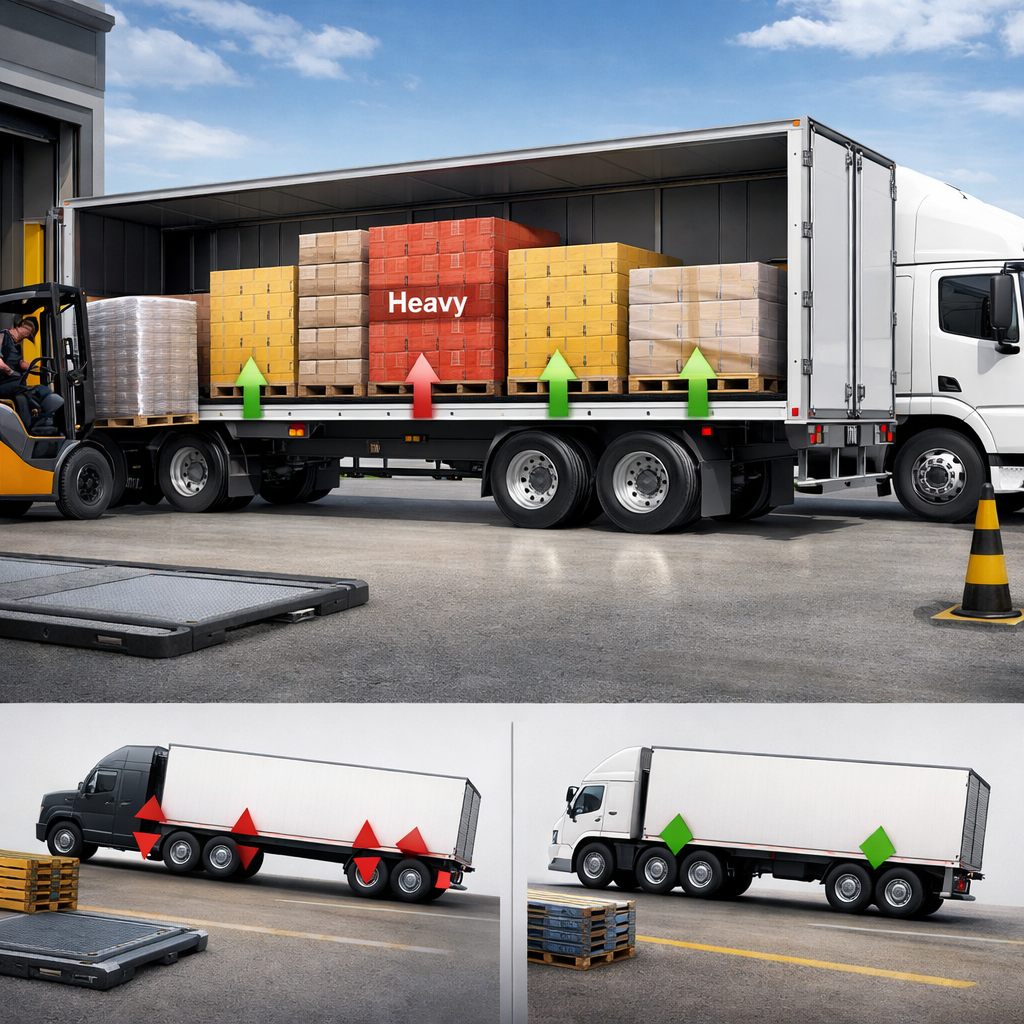
Why truck loading weight distribution safety matters in daily operations
truck loading weight distribution safety: Preventing Rollovers, Injuries, and Costly Compliance Failures truck loading weight distribution safety is a critical OHSE issue that affects drivers, warehouse teams, forklift operators, transport managers, and everyone sharing the road. When cargo is loaded unevenly, unsecured, or placed without regard to axle limits and vehicle stability, the result can…
-
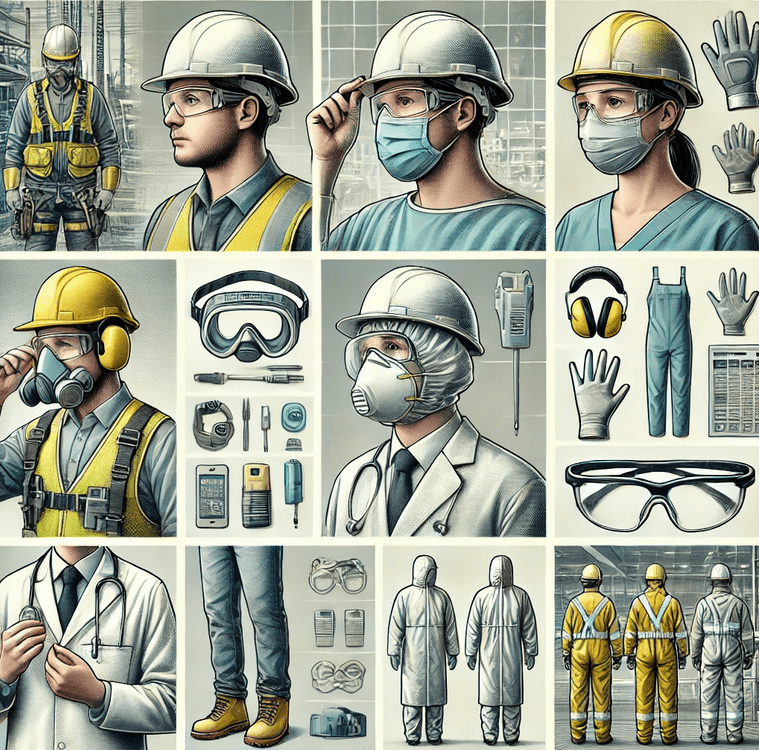
The Importance of Personal Protective Equipment (PPE) in Occupational Health and Safety
In any workplace, the safety and well-being of employees are paramount. One of the most effective ways to protect workers from potential hazards is through the use of Personal Protective Equipment (PPE). PPE serves as the last line of defense against workplace hazards, minimizing the risk of injury, illness, or death. This article explores the…
-
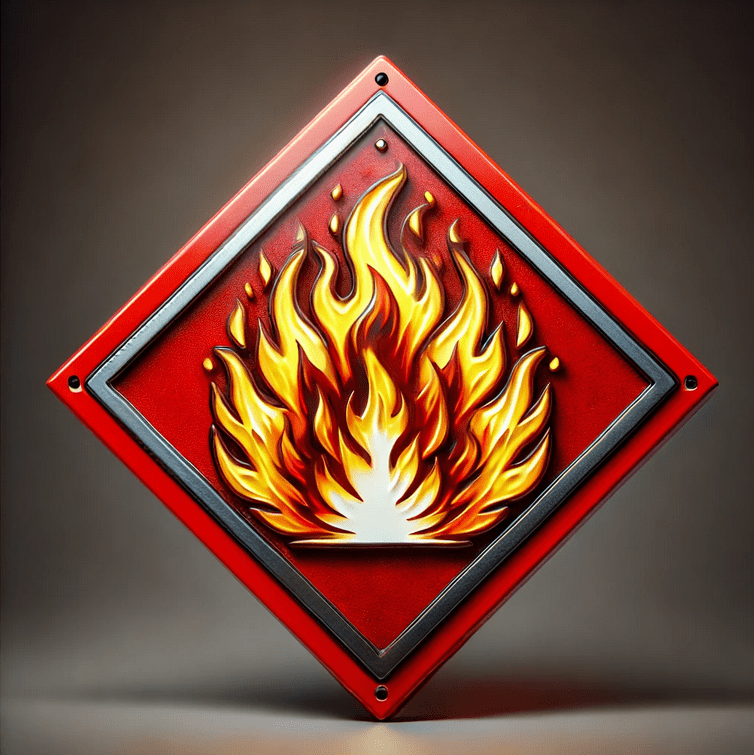
Understanding the Flame Symbol in OHSE: A Visual Guide to Hazard Representation
The following pictograms are associated with these hazard classes and categories. The flame pictogram is used for the following classes and categories: The flame symbol is one of the most recognized icons in the field of Occupational Health, Safety, and Environment (OHSE). It is typically used to denote flammable materials, highlighting potential fire hazards that…
-
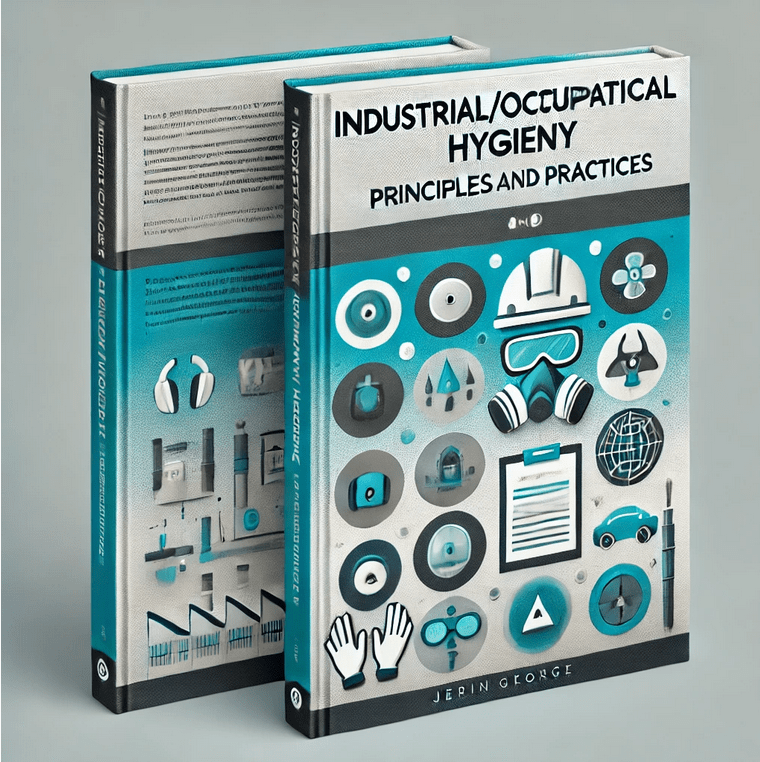
Case Studies and Real-World Applications
Table of Contents 11.1 Occupational Hygiene in Manufacturing 11.2 Occupational Hygiene in Healthcare Settings 11.3 Case Study: Managing Chemical Hazards in Laboratories 11.4 Lessons Learned from Industrial Accidents Review Questions: Further Reading: 11.1 Occupational Hygiene in Manufacturing In the manufacturing industry, workers face a wide range of hazards, from chemical exposure to noise and ergonomic…
-
7 Life-Saving Tips to Eliminate Amputation Hazards at Work
Eliminate Amputation Hazards : Machine Guarding Made Simple—it’s more than a slogan. It’s a vital necessity for protecting workers from amputation hazards in industrial and manufacturing environments. Table of Contents Eliminate Amputation Hazards Why Machine Guarding Matters Types of Machine Guards and Their Functions 1. Fixed Guards 2. Interlocked Guards 3. Adjustable Guards 4. Self-Adjusting…
-
What is HSEQ? A Complete Guide to Health, Safety, Environment, and Quality Management
What is HSEQ : HSEQ stands for Health, Safety, Environment, and Quality—a comprehensive management approach used by organizations to ensure the well-being of their people, protect the environment, and maintain high-quality operations. At its core, HSEQ is not just a policy or procedure—it’s a framework that aligns people, processes, and performance under four crucial pillars:…
-
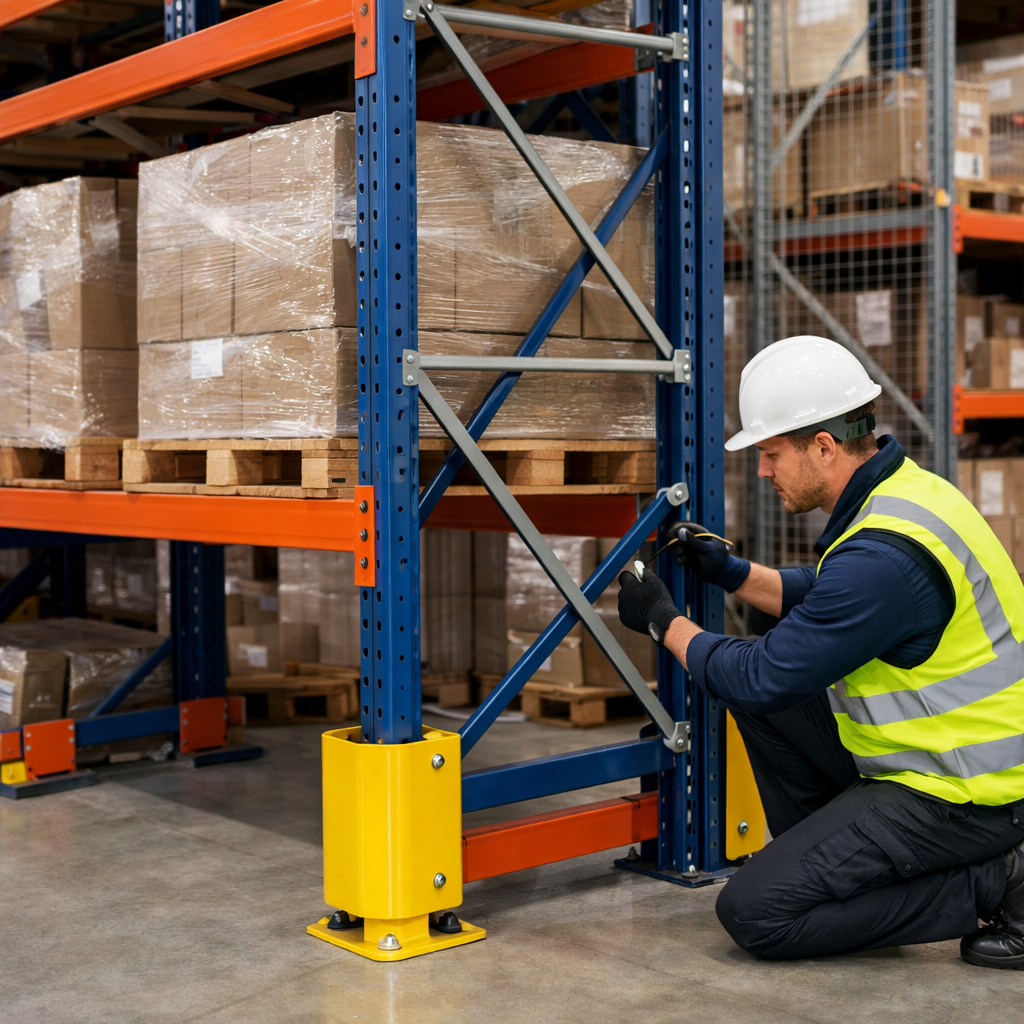
Storage Rack Collapse Prevention: Practical OHSE Steps to Protect People, Stock, and Facilities
Table of Contents Storage Rack Collapse Prevention: Practical OHSE Steps to Protect People, Stock, and Facilities Why Storage Rack Collapse Prevention Matters in Real Workplaces Common risks that lead to rack failure Storage Rack Collapse Prevention Through Hazard Control and Safe Design Applying the Hierarchy of Controls Key prevention measures that work Inspections, PPE, and…
-
10 Stretching Exercises Every Worker Should Know
Stretching Exercises Every Worker Should Know should be a part of every workplace wellness and injury prevention program. Table of Contents Stretching Exercises 1. Neck Rolls 2. Shoulder Shrugs and Rolls 3. Arm and Wrist Stretch 4. Standing Side Stretch 5. Torso Twists 6. Hamstring Stretch 7. Quad Stretch 8. Calf Stretch 9. Seated Figure…
-
Understanding Bullying: How to Teach Kids Self-Safety and Reporting
Bullying is a serious issue that affects children across all age groups, and its impact can be long-lasting. It is crucial to teach children how to recognize bullying, protect themselves, and report it effectively. This article provides an in-depth guide on helping children understand bullying, practice self-safety, and feel empowered to report incidents. By building…