

Noise-induced hearing loss is one of the most common workplace hazards, particularly in industries like manufacturing, construction, and aviation. Prolonged exposure to high levels of noise can lead to permanent hearing damage, stress, and reduced worker productivity.
This article will cover essential strategies and best practices to protect workers from noise hazards, in line with Occupational Health, Safety, and Environment (OHSE) standards.

- 1. Understanding Noise Hazards in the Workplace
- 2. OHSE Noise Exposure Limits and Regulations
- 3. Implementing Noise Hazard Controls
- 4. Personal Protective Equipment for Noise Protection
- 5. Employee Training and Awareness Programs
- 6. Monitoring and Measuring Workplace Noise Levels
- 7. Creating a Noise Management Plan
- 8. Table: Noise Levels of Common Workplace Machinery
- Conclusion
1. Understanding Noise Hazards in the Workplace
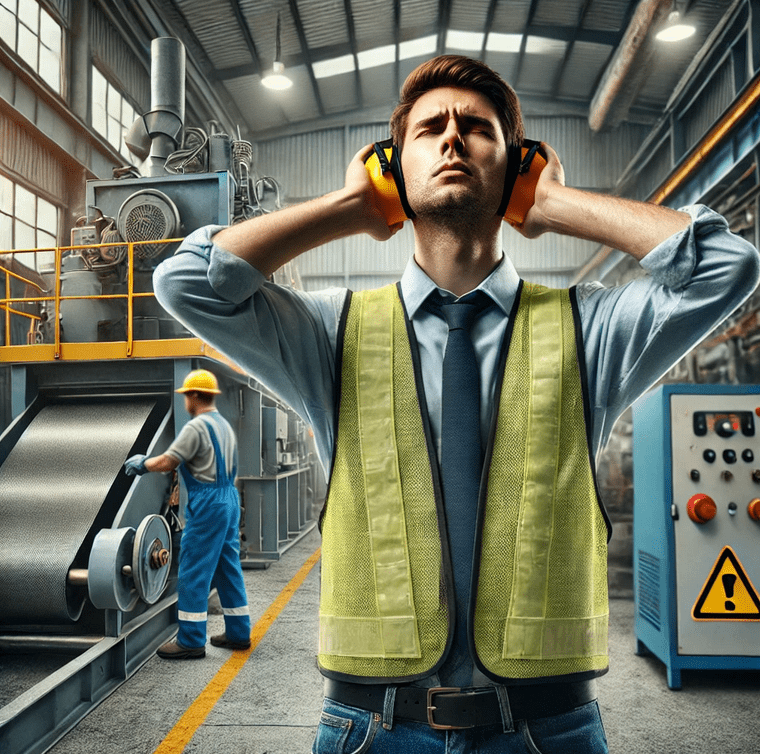
Workplace noise hazards occur when employees are exposed to sound levels that can cause hearing damage over time. Noise-induced hearing loss is typically gradual, meaning workers may not realize the damage until it’s too late. Common sources of workplace noise include:
- Heavy machinery (e.g., industrial equipment, power tools)
- Engines and generators
- Construction activities
- Airports and transportation hubs
Workers in these environments face a higher risk of permanent hearing loss, making noise control a priority in OHSE programs.
2. OHSE Noise Exposure Limits and Regulations
To protect employees from noise hazards, various OHSE regulations outline exposure limits that employers must adhere to. In most jurisdictions, the permissible exposure limit (PEL) for workplace noise is:
- 85 decibels (dB) over an 8-hour workday
Employers must ensure that noise levels are monitored and that measures are in place to prevent prolonged exposure above this threshold.
3. Implementing Noise Hazard Controls
There are three primary methods to control noise hazards in the workplace:
- Engineering Controls: Modify or redesign equipment to reduce noise at the source. Examples include installing quieter machinery, adding soundproof barriers, or using vibration dampeners.
- Administrative Controls: Limit the duration and frequency of employee exposure to high noise levels. Rotate job assignments to ensure workers spend less time in noisy areas.
- Personal Protective Equipment (PPE): Provide workers with hearing protection devices, such as earplugs or earmuffs, when noise exposure cannot be reduced through engineering or administrative means.
4. Personal Protective Equipment for Noise Protection
The use of hearing protection is crucial when noise cannot be fully eliminated. The most common types of hearing PPE include:
- Earplugs: Ideal for environments with moderate noise levels, these are inserted into the ear canal to reduce sound exposure.
- Earmuffs: Cover the entire ear and provide better protection for high noise levels, typically used in construction or manufacturing.
When selecting PPE, ensure it provides sufficient noise reduction to meet the OHSE exposure limits.
5. Employee Training and Awareness Programs
Educating employees about noise hazards is essential for maintaining a safe work environment. Training should cover:
- The risks of prolonged noise exposure
- How to use and maintain hearing protection equipment
- Recognizing early signs of hearing damage
- The importance of regular hearing tests
Regular training sessions and signage throughout noisy areas will reinforce awareness.
6. Monitoring and Measuring Workplace Noise Levels
Regular monitoring of noise levels is necessary to ensure compliance with OHSE standards. Tools such as sound level meters and dosimeters can be used to measure workplace noise. Employers should:
- Conduct regular noise assessments in high-risk areas
- Record noise data to track exposure levels over time
- Adjust safety measures if noise levels exceed the permissible exposure limits
7. Creating a Noise Management Plan
Developing a noise management plan is an essential step for organizations looking to reduce the impact of noise on workers. The plan should include:
- Noise risk assessments
- Scheduled hearing tests for employees
- Noise control measures (engineering, administrative, PPE)
- Employee training on noise hazards and safe practices
- Emergency procedures for workers experiencing hearing issues
A well-structured plan will help manage noise exposure effectively and ensure regulatory compliance.
8. Table: Noise Levels of Common Workplace Machinery
| Machinery/Tool | Noise Level (dB) | OHSE Recommendation |
|---|---|---|
| Jackhammer | 100-120 dB | Mandatory hearing protection |
| Circular Saw | 90-100 dB | Hearing protection recommended |
| Industrial Fan | 85-95 dB | Monitor exposure time |
| Bulldozer | 95-105 dB | Administrative controls needed |
| Factory Conveyor Belt | 80-85 dB | Periodic noise level checks |
| Power Generator | 100-110 dB | Soundproofing or PPE required |
Conclusion
Noise hazards in the workplace pose a serious threat to worker health, but with the right strategies, organizations can reduce risk and prevent hearing damage. By implementing noise control measures, providing proper PPE, and adhering to OHSE standards, you can ensure a safer, quieter work environment.