


Occupational Health Programs Comparison examines how different nations structure and implement health initiatives to protect workers.

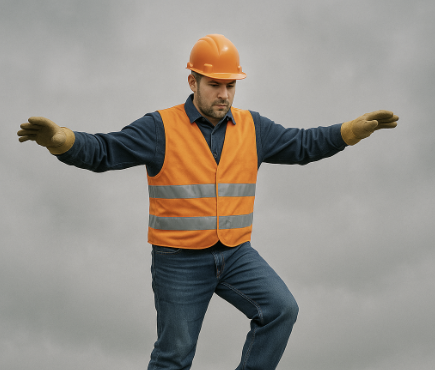
Understanding these programs helps employers, policymakers, and employees learn best practices and challenges in diverse regulatory, cultural, and economic settings.
This article dives into in-depth comparisons of occupational health programs in four countries—United States, Sweden, Australia, and Japan—highlighting their program elements, legal frameworks, funding, monitoring, and outcomes.
What Is an Occupational Health Program?
An occupational health program refers to systematic activities aimed at ensuring worker health, safety, and welfare. Key components include:
- Risk assessment and hazard control
- Health surveillance and medical exams
- Workplace safety training
- Mental health support
- Legal compliance and enforcement

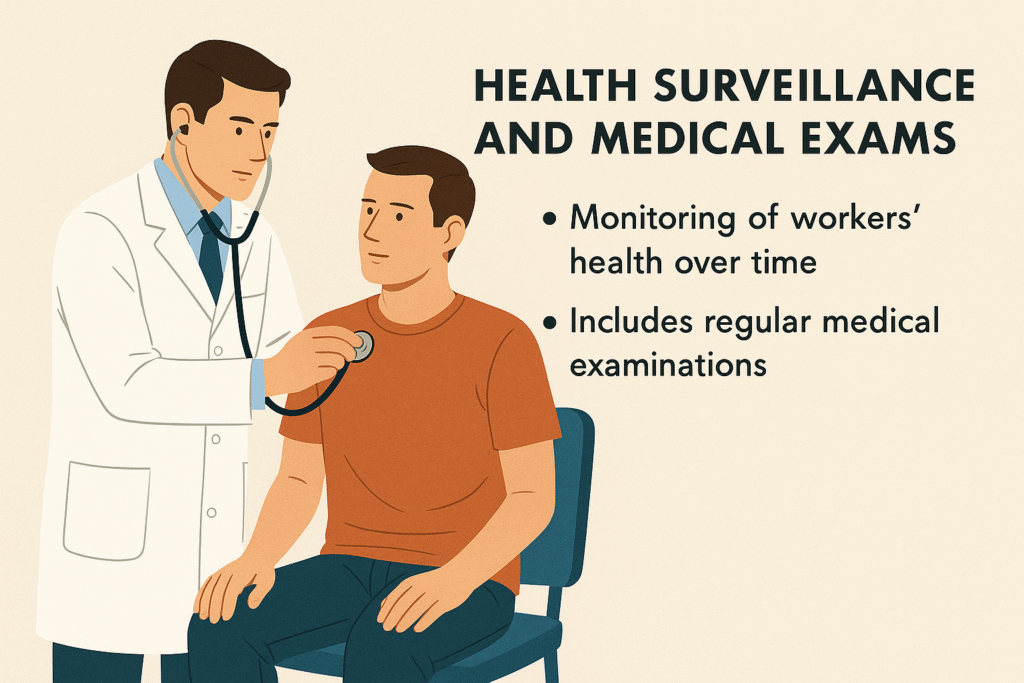
These components appear in almost all national programs, though how they are implemented differs significantly between countries.
Key Countries Compared in Occupational Health Programs Comparison
Below is a summary of the countries we will compare:
| Country | Legal Frameworkal Body | Main Regulation / Law |
|---|---|---|
| United States | Occupational Safety and Health Administration (OSHA) | Occupational Safety and Health Act (1970) |
| Sweden | Swedish Work Environment Authority | Work Environment Act (“Arbetsmiljölagen”) |
| Australia | Safe Work Australia & State Bodies | Model Work Health and Safety Act |
| Japan | Ministry of Health, Labour and Welfare | Industrial Safety and Health Law (“Kōgyō Anzen Hoken Hō”) |
We’ll explore how each country designs its occupational health program under these frameworks.
Comparative Elements in Occupational Health Programs
For Occupational Health Programs Comparison, consider these dimensions:
- Legal and Regulatory Requirements
- Funding and Insurance Systems
- Employer & Worker Responsibilities
- Health Surveillance and Medical Examinations
- Mental Health & Wellness Initiatives
- Monitoring, Enforcement, and Outcomes
United States
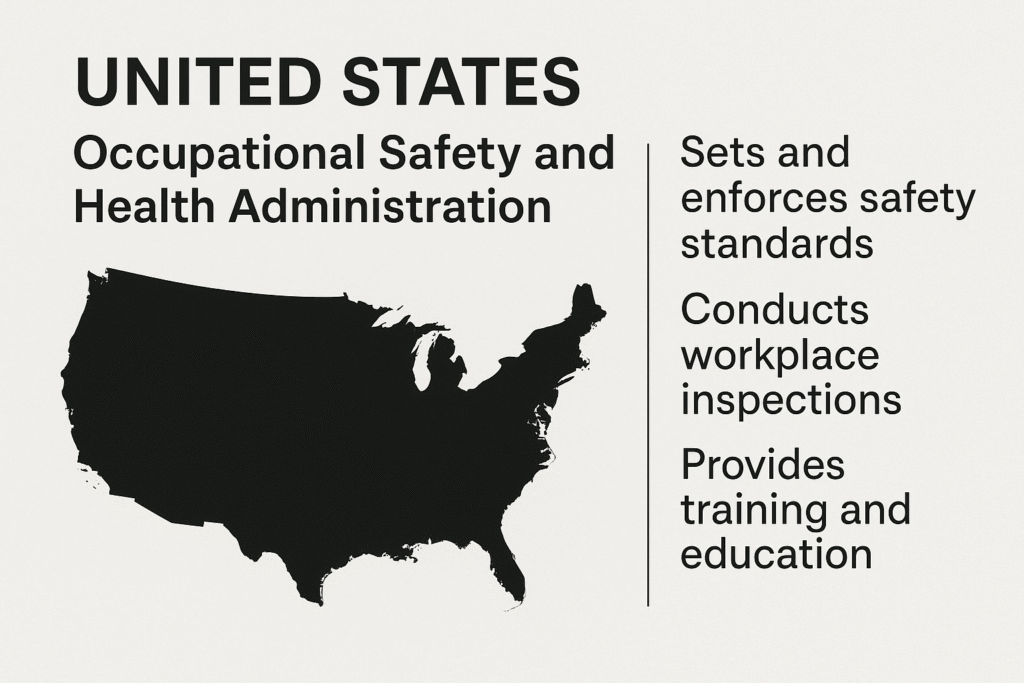
Legal and Regulatory Requirements
- Enforced by OSHA, under the Occupational Safety and Health Act. Employers must comply with standards for chemical exposure, fall protection, machine safety, etc.
- States may have their own OSHA-approved occupational safety programs.
Funding & Insurance
- Primarily employer-funded. Workers’ compensation insurance is state-based, providing healthcare and wage replacement.
- No universal national health insurance—medical examinations usually covered via employer health insurance or state programs.
Responsibilities
- Employers: maintain safe workplace, train employees, provide PPE (Personal Protective Equipment).
- Workers: follow safety rules, use PPE, report hazards.


Health Surveillance & Medical Examinations
- Required in specific industries (e.g., mining, asbestos, lead, silica).
- Periodic medical exams for high-risk exposures.
Mental Health & Wellness
- Growing push; the National Institute for Occupational Safety and Health (NIOSH) has guidance.
- Employee Assistance Programs (EAPs) common in larger employers.
Monitoring, Enforcement, Outcomes
- OSHA inspections, fines for non-compliance.
- Outcome metrics: injury rates, fatality rates. US Bureau of Labor Statistics tracks these.
Sweden
Legal and Regulatory Requirements
- The Work Environment Act mandates employers ensure safe physical and psychosocial work environment.
- Swedish Work Environment Authority issues regulations and general advice.


Funding & Insurance
- Healthcare largely publicly funded; occupational health services (OHS) often contracted by employers.
- Swedish model includes sickness benefit via national insurance.
Responsibilities
- Employers required to collaborate with safety representatives.
- Active participation by workers in risk assessments.
Health Surveillance & Medical Exams
- Mandatory in certain sectors (e.g. heavy industry). Voluntary health checks commonly provided through OHS providers.
Mental Health & Wellness

- Strong emphasis on psychosocial factors like workload, work-life balance.
- Support services integrated into regular occupational health services.
Monitoring, Enforcement, Outcomes
- Authorities audit workplaces, impose sanctions. High compliance by employers.
- Outcome measures: low rates of fatal workplace accidents; regular surveys measure workplace stress.
Australia
Legal and Regulatory Requirements
- Model WHS (Work Health and Safety) laws; states and territories enforce them.
- Duties on persons conducting a business or undertaking (PCBU), officers, workers.
Funding & Insurance
- Workers’ compensation system in each state. Public health system for general healthcare.
- Employers generally pay premiums.
Responsibilities
- PCBUs must eliminate or minimize risks so far as is reasonably practicable.
- Workers expected to cooperate, follow instructions.
Health Surveillance & Medical Exams
- Required for hazardous substances, noise, etc.
- OHS providers offer periodic health checks.
Mental Health & Wellness


- Inclusion in legislation to manage psychosocial hazards.
- Initiatives like Heads Up by beyondblue provide best practice guidance.
Monitoring, Enforcement, Outcomes
- State regulators conduct inspections, enforcement.
- Annual injury/fatality data published.
Japan
Legal and Regulatory Requirements
- Industrial Safety and Health Law mandates employer responsibilities for industrial safety and occupational health.
- Regulations for chemical substances, noise, heat, etc.
Funding & Insurance
- Universal healthcare covers many medical costs.
- Employers provide occupational health services; industrial accident insurance covers injury on the job.
Responsibilities
- Employers must appoint safety officers, provide training, tools.
- Workers must follow safety rules, report hazards.
Health Surveillance & Medical Exams
- Regular health checkups (kenko shindan), statutory medical examinations for employees.
- Special health exams for specific exposures (chemicals, radiation).
Mental Health & Wellness
- Mental health law reforms promoting workplace mental well-being.
- Guidance by Ministry; employers increasingly adopting counseling, stress checks.
Monitoring, Enforcement, Outcomes

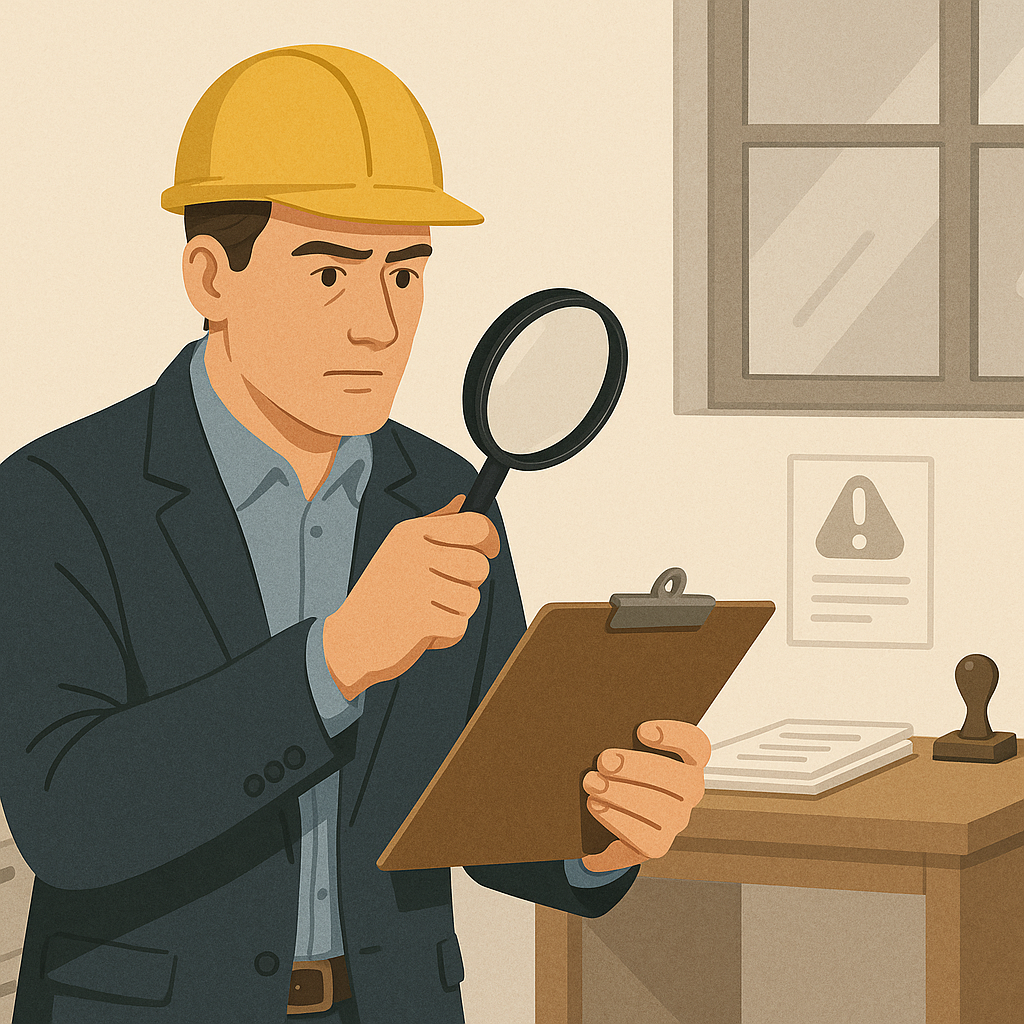
- Inspections by labour bureaus. Penalties and corrective orders possible.
- Known for low fatality rates compared to some developing nations; but concerns remain about overwork (karoshi).
Side-by-Side Comparison Table
| Dimension | United States | Sweden | Australia | Japan |
|---|---|---|---|---|
| Legal Framework | OSHA, federal & state laws | Work Environment Act, Authority | Model WHS laws, State-based enforcement | Industrial Safety and Health Law |
| Health Insurance Coverage | Mixed private/public; workers comp state-based | Public healthcare; employer contracts for OHS | Public healthcare; employer premiums | Universal healthcare + employer services |
| Health Surveillance Requirements | Industry-specific mandatory exams | Mandatory in sectors; voluntary otherwise | Mandatory for certain exposures | Regular mandatory and exposure-based exams |
| Mental Health Integration | Emerging, EAPs and guidance | Strong psychosocial emphasis | Legislated inclusion of psychosocial hazards | Increasing awareness & legal reforms |
| Employer-Worker Participation | OSHA whistleblower protections; training | Worker involvement; safety reps | Duty holders (PCBUs); worker participation required | Safety officers; legal duty to train/report |
| Monitoring & Enforcement | Federal/state inspections, penalties | Authority audits, sanctions | State and territory regulators | Labour bureau inspections; penalties |
| Outcomes & Challenges | High diversity; challenges: uninsured workers | Strong safety record; managing psychosocial risks | Consistency across states; rural challenges | Overwork culture; aging workforce |
Lessons from Occupational Health Programs Comparison
When comparing these national programs, several key lessons emerge:
- Legal clarity and enforcement matter: Countries like Sweden and Japan show that strong legal frameworks and oversight deliver safer workplaces.
- Comprehensive health surveillance of both physical & mental health produces better outcomes. Early detection prevents disease and injury.
- Worker participation and shared responsibility enhance compliance and morale.
- Funding structures affect accessibility: Universal healthcare or publicly funded services reduce barriers; employer-only systems may leave gaps.
- Cultural factors and social norms play a role: e.g., Japan’s overwork issues, Sweden’s work-life balance.
Recommendations for Best Practices
Based on the comparison, best practices in an Occupational Health Programs Comparison context include:
- Establishing clear legal obligations for both employers and workers.
- Incorporating mental health and psychosocial risk management into standard inspection and regulation protocol.
- Ensuring mandatory health surveillance for hazardous exposures and offering voluntary checks for all employees.
- Supporting worker participation in program design and hazard assessment.
- Maintaining robust monitoring, data collection, and transparent reporting to track outcomes.
Challenges & Future Directions
Each country faces challenges that others might learn from:
- United States: gaps in healthcare access; some sectors under-inspected.
- Sweden: managing mental health issues in less regulated industries or remote work.
- Australia: inconsistent enforcement among states; rural/remote workplaces often underserved.
- Japan: overwork (karoshi), aging workforce, and ensuring psychosocial well-being.
Conclusion
Occupational Health Programs Comparison across the United States, Sweden, Australia, and Japan reveals that while legal frameworks, funding, and implementation vary, success strongly correlates with comprehensive regulation, health surveillance, mental health integration, and worker involvement.

For countries refining or designing their programs, blending strong enforcement with worker-centered wellness proves most powerful. occupational health programs comparison.