

Cold rooms, also known as walk-in freezers or refrigerated storage, are essential for preserving perishable goods in various industries, including food production, pharmaceuticals, and chemicals.
However, working in cold room environments poses unique challenges and risks to both workers and equipment. Occupational Health, Safety, and Environment (OHSE) guidelines are critical to ensuring the safety of personnel, preventing accidents, and maintaining environmental standards in cold room operations.

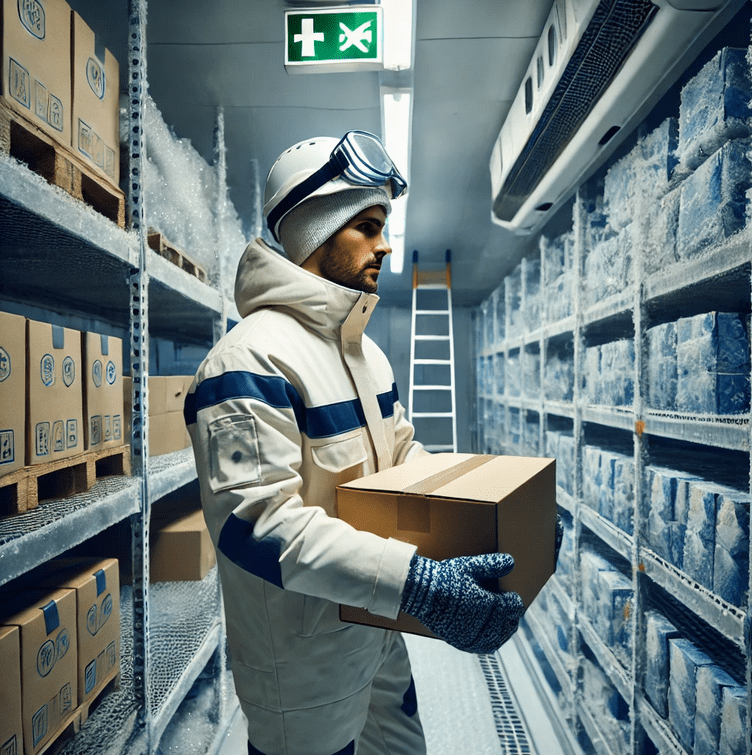
This article outlines the OHSE guidelines for cold room operations, including the risks, safety precautions, environmental considerations, and best practices for managing cold room environments.
Key Risks in Cold Room Environments
- Cold Stress and Hypothermia
- Prolonged exposure to cold environments can lead to cold stress, where the body cannot maintain its core temperature. This may result in hypothermia, frostbite, or other cold-related illnesses.
- Symptoms of Cold Stress include shivering, numbness, blue or pale skin, and difficulty speaking or moving.
- Slips, Trips, and Falls
- Cold rooms can accumulate ice or moisture on floors, increasing the risk of slips and falls.
- Condensation from the cooling system can create wet surfaces, further exacerbating this hazard.
- Confined Space Hazards
- Cold rooms are enclosed spaces that may present limited escape routes or restricted airflow. Workers may be trapped inside if proper protocols are not followed, leading to the risk of suffocation or cold exposure.
- Equipment Malfunctions and Mechanical Hazards
- Cold rooms rely on compressors, fans, and refrigerants, which can malfunction or cause mechanical hazards. Workers may be exposed to moving parts or chemicals if the equipment is improperly maintained.
- Refrigerant leaks can expose workers to harmful chemicals, potentially leading to poisoning or respiratory issues.
- Manual Handling Risks
- Workers often handle heavy loads, such as boxes of frozen goods, in cold rooms. Cold temperatures can reduce dexterity, increasing the risk of musculoskeletal injuries from lifting or moving heavy objects.
OHSE Guidelines for Cold Room Safety
To mitigate these risks, it is essential to follow a comprehensive set of OHSE guidelines tailored specifically for cold room environments. These guidelines cover personnel safety, equipment maintenance, and environmental considerations.
1. Cold Room Design and Maintenance
A well-designed cold room with proper safety measures can significantly reduce risks. Regular maintenance of cold room systems is equally important for preventing mechanical failures and ensuring a safe working environment.
Design and Maintenance Steps:
- Temperature Control: Ensure that the cold room maintains consistent temperatures as required by the specific goods being stored. Automated systems should monitor and regulate temperature to prevent extreme fluctuations.
- Ventilation and Air Quality: Install proper ventilation to ensure good air circulation, prevent condensation, and reduce the buildup of hazardous refrigerants.
- Emergency Exits and Escape Routes: Cold rooms should be equipped with emergency doors that can be easily opened from the inside. Luminous markings should guide workers to exits in case of an emergency.
- Anti-Slip Flooring: Use non-slip flooring materials to reduce the risk of slips and falls, and regularly inspect the floors for ice buildup.
- Alarm Systems: Install temperature and carbon monoxide alarms to alert workers of any malfunctions in the refrigeration system.
Notes:
- Regularly service cooling units and compressors to prevent malfunctions that could lead to extreme temperature changes.
- Conduct frequent inspections to ensure that safety features such as alarms, emergency exits, and ventilation systems are functioning correctly.
2. Personal Protective Equipment (PPE)
Wearing appropriate PPE is critical for protecting workers from cold exposure and other hazards in cold room environments.
Essential PPE for Cold Room Workers:
- Thermal Clothing: Provide workers with insulated jackets, gloves, and boots designed to maintain body heat in cold environments. Ensure that clothing is windproof and water-resistant.
- Face Protection: Workers should wear balaclavas or thermal face masks to protect against frostbite, especially in extremely cold conditions.
- Slip-Resistant Footwear: Non-slip boots are essential to reduce the risk of falls on icy or wet surfaces.
- Cut-Resistant Gloves: For workers handling sharp objects or heavy loads, gloves should offer both thermal insulation and cut resistance.
Notes:
- PPE should be regularly inspected for wear and tear. Damaged equipment should be replaced immediately to ensure continuous protection.
- Provide training on the proper use and maintenance of PPE, including how to adjust clothing layers based on temperature conditions.
3. Training and Safety Procedures
All personnel working in cold rooms should undergo specific training to understand the risks associated with cold environments and how to minimize them.
Key Training Areas:
- Recognizing Cold Stress: Teach workers how to recognize the early signs of cold stress, such as shivering, and what steps to take if they or a colleague are experiencing symptoms.
- Emergency Procedures: Train workers on the emergency evacuation procedures, including how to use the emergency doors and what to do if they become trapped inside the cold room.
- Safe Manual Handling: Provide training on lifting techniques to prevent musculoskeletal injuries, particularly when handling frozen goods or heavy items.
- Equipment Operation: Ensure that workers are trained to operate and maintain any specialized equipment within the cold room, such as forklifts or automated shelving systems.
Steps to Implement Safety Procedures:
- Develop a Cold Room Safety Policy that outlines all safety protocols and procedures.
- Regularly update training programs to reflect the latest safety standards and best practices.
- Conduct emergency drills to ensure workers know how to respond to various cold room hazards, including equipment failures or entrapment.
4. Environmental Considerations
While cold rooms serve a critical function in preserving perishable goods, they also have a significant environmental impact due to high energy consumption and refrigerant use. Adopting sustainable practices can help minimize environmental damage while maintaining efficiency.
Environmental Management Steps:
- Energy Efficiency: Use energy-efficient cooling systems that minimize electricity consumption. Implement smart temperature control systems to reduce energy use during off-peak hours.
- Refrigerant Management: Ensure that refrigerants are handled and disposed of properly. Use eco-friendly refrigerants where possible to minimize environmental harm.
- Waste Reduction: Reduce waste generated from packaging or damaged goods by using sustainable packaging solutions and recycling materials where possible.
Notes:
- Conduct regular energy audits to identify areas for improvement in energy consumption.
- Monitor the environmental impact of refrigerant use and ensure compliance with local environmental regulations.
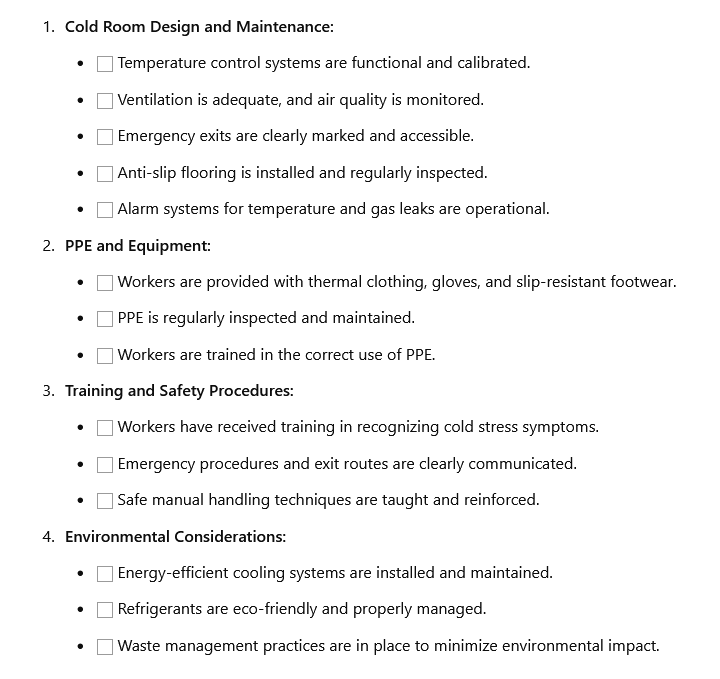
Cold Room Safety Checklist
To ensure that all safety measures are in place, use the following checklist for cold room operations:

Cold room environments pose unique risks to workers, from cold stress and slips to mechanical hazards. By following comprehensive OHSE guidelines, companies can protect their employees, reduce accidents, and promote sustainable practices within these temperature-controlled spaces.
Proper cold room design, the use of appropriate PPE, thorough training, and adherence to environmental standards are critical components of an effective OHSE management system.
Through regular inspections, training, and environmental management, cold room operations can remain efficient while safeguarding the health and safety of workers. Implementing these measures not only ensures compliance with safety regulations but also fosters a culture of care and responsibility in high-risk environments.