

Partial Airway Obstruction First Aid is a critical life skill that can prevent emergencies from escalating into life-threatening situations.
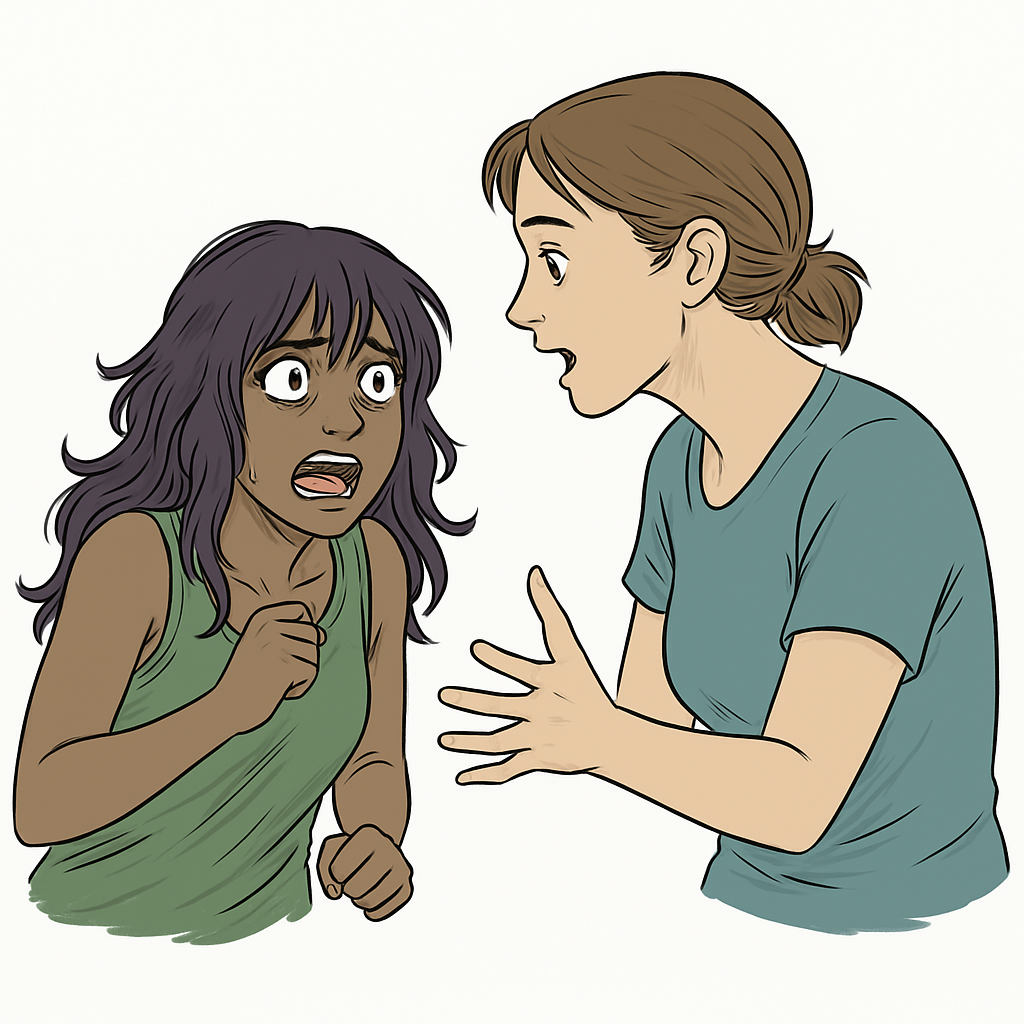
When a person is choking but still able to cough, speak, or breathe, they are experiencing a partial airway obstruction. Unlike a complete obstruction, where immediate intervention is necessary, a partial obstruction requires a calm, measured response.

Knowing how to recognize and treat it can save lives while reducing panic for both the patient and the first aider.
Recognizing a Partial Airway Obstruction
The first step in Partial Airway Obstruction First Aid is identifying the problem correctly. A person with a partial obstruction may:
- Cough forcefully.
- Wheeze or make high-pitched sounds while breathing.
- Appear panicked and clutch their throat (the universal choking sign).
- Struggle to speak but still manage sounds.
👉 If they can cough, speak, or breathe, it means some air is passing through the airway. This is partial, not complete, obstruction.
Step 1: Encourage Coughing
Do not panic or intervene too aggressively. Encourage the person to:
- Keep coughing forcefully to try to dislodge the object.
- Remain upright to make breathing easier.
- Avoid drinking or swallowing further, which could worsen the obstruction.
💡 The body’s natural cough reflex is the most effective tool at this stage.
Step 2: Reassure and Support
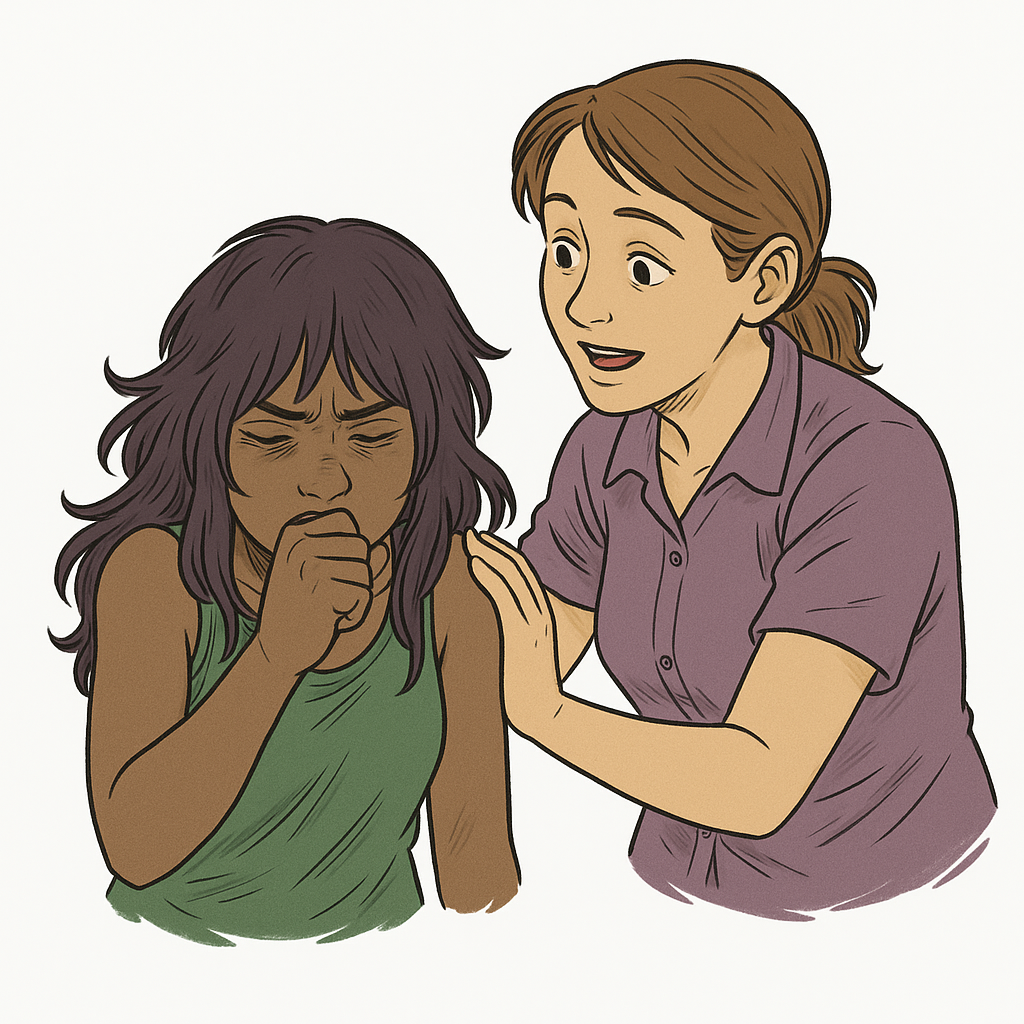
Partial airway obstruction can be frightening, and panic can make breathing more difficult. A first aider should:
- Stay calm and composed.
- Reassure the patient with a steady voice.
- Place a supportive hand on their shoulder to let them know they’re not alone.
Emotional support is as important as physical assistance at this point.
Step 3: Monitor for Change
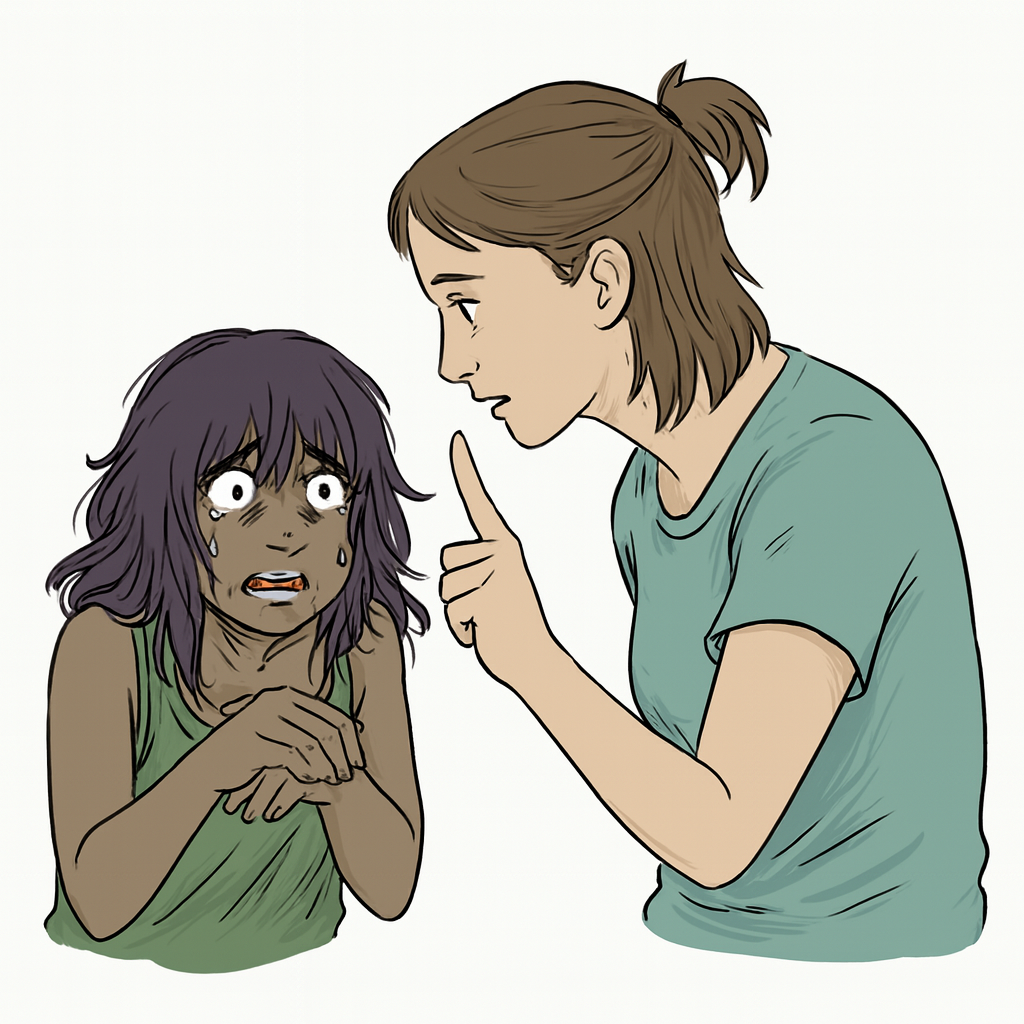
A partial obstruction can quickly become complete if the object shifts. Be alert for:
- Weakening coughs.
- Inability to make sounds.
- Bluish lips or skin (cyanosis).
- Sudden silence despite obvious distress.
👉 If these occur, treat it as a complete obstruction by calling emergency services and beginning abdominal thrusts or back blows immediately.
Step 4: Seek Medical Help if Needed
Even if the object clears, medical evaluation is strongly recommended. A doctor can:
- Check for airway damage.
- Assess if swelling or hidden fragments remain.
- Provide treatment if complications arise.
Workplaces, schools, and community centers should have emergency response protocols in place, including immediate access to first aiders trained in airway management.
Key Do’s and Don’ts
Do:
- Encourage coughing.
- Stay calm and provide reassurance.
- Watch closely for deterioration.
Don’t:
- Perform abdominal thrusts unless breathing stops.
- Leave the person unattended.
- Assume the problem is resolved without medical review.
Why Training Matters
Learning Partial Airway Obstruction First Aid should be part of every workplace and community safety program. Organizations like the Red Cross and OHSE.ca provide valuable training courses.
Employers should also incorporate these skills into their occupational health and safety programs, ensuring employees are prepared to act in emergencies.
Conclusion
Partial Airway Obstruction First Aid is about acting with patience, reassurance, and vigilance.
By recognizing the signs, encouraging coughing, providing calm support, and knowing when to escalate, you can prevent a frightening situation from becoming a tragedy.
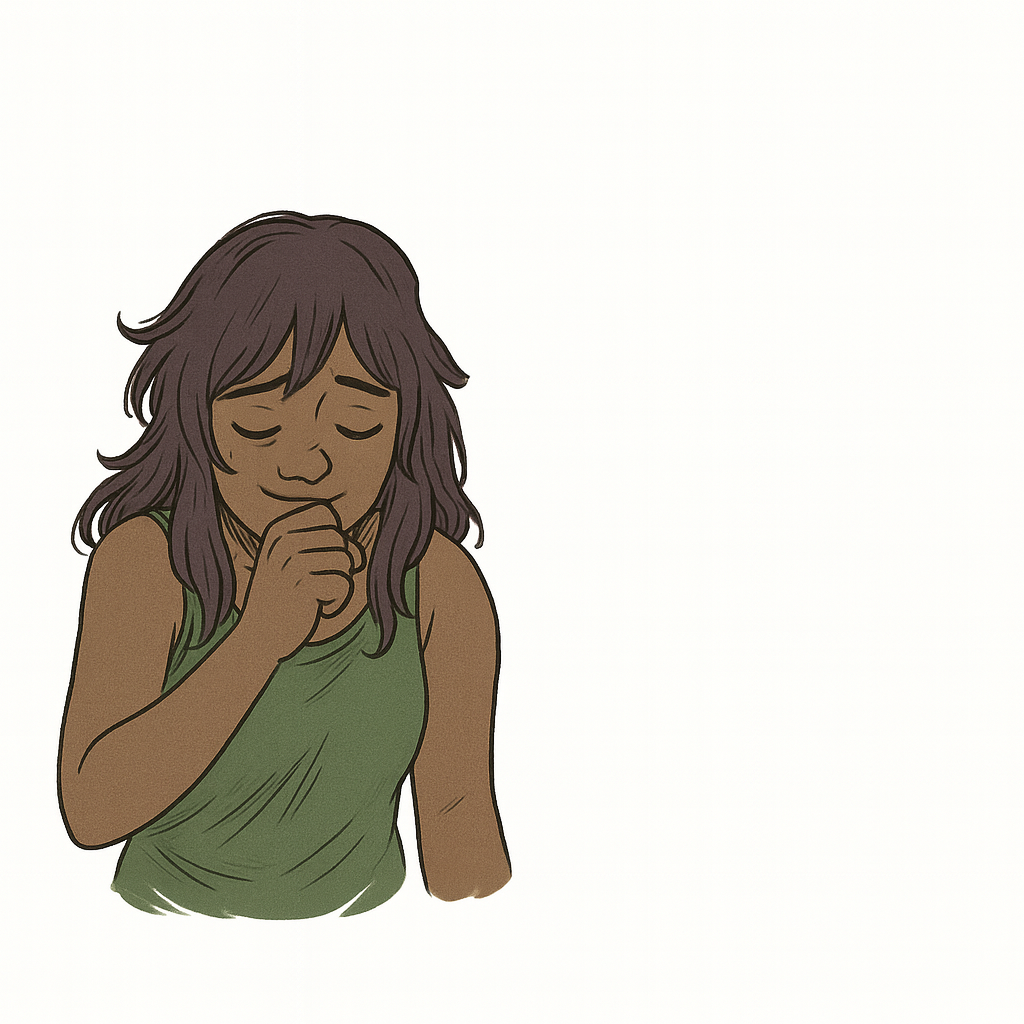
In every setting—whether at home, work, or in public—knowing these steps ensures safety and peace of mind. Remember, preparedness saves lives.