

Pedestrian safety in busy warehouse environments is one of the most pressing OHSE challenges. Warehouses are high-energy zones where forklifts, pallet trucks, conveyors, and delivery vehicles constantly move alongside workers on foot.

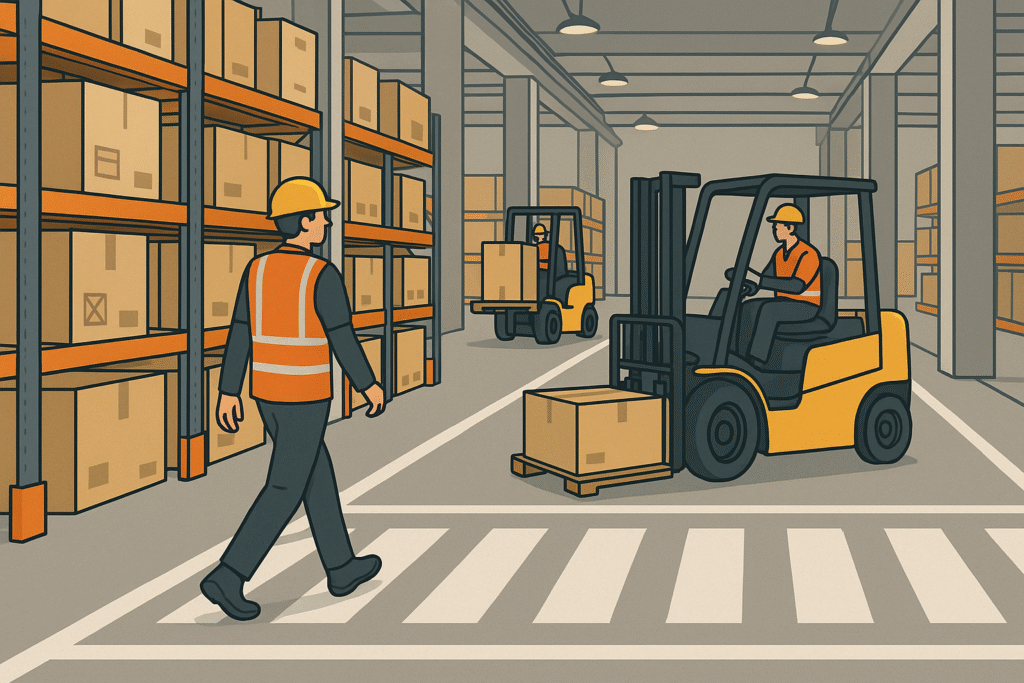
Without strict safety measures, this mix can result in serious accidents, injuries, or even fatalities. According to the U.S. Occupational Safety and Health Administration (OSHA), forklift-related incidents alone account for nearly 85 fatalities and thousands of injuries annually.
Protecting pedestrians in warehouses requires a layered approach involving training, design, technology, and awareness.
- Why Pedestrian Safety Matters in Warehouses
- Key Hazards for Pedestrians in Busy Warehouses
- Engineering Controls for Pedestrian Safety
- Administrative Controls and Training
- Technology to Enhance Pedestrian Safety
- Case Example: Pedestrian Near Misses in Warehouses
- Best Practices for Employers
- Quick Reference Table: Pedestrian Safety Controls
- Why Pedestrian Safety Matters in Warehouses
- Key Hazards for Pedestrians in Busy Warehouses
- Engineering Controls for Pedestrian Safety
- Administrative Controls and Training
- Technology to Enhance Pedestrian Safety
- Case Example: Pedestrian Near Misses in Warehouses
- Best Practices for Employers
- Quick Reference Table: Pedestrian Safety Controls
- Notes for Workers
- External Resources
- Conclusion
Why Pedestrian Safety Matters in Warehouses
Warehouse environments are designed for efficiency, but the focus on speed often introduces hazards. Pedestrians risk being struck by moving equipment, pinned between vehicles and structures, or tripping over poorly stored materials.

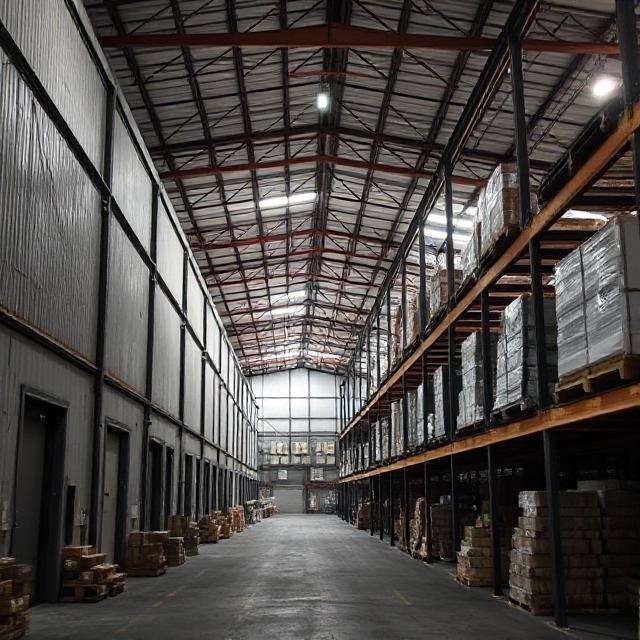
In Canada, the Canadian Centre for Occupational Health and Safety (CCOHS) emphasizes that warehouses are among the highest-risk workplaces for struck-by incidents.
For employers, pedestrian safety is not just a legal requirement but also a moral responsibility. Beyond compliance, ensuring safety reduces lost-time injuries, lowers insurance costs, and improves employee morale.
Key Hazards for Pedestrians in Busy Warehouses
Pedestrians face several hazards in warehouse environments:
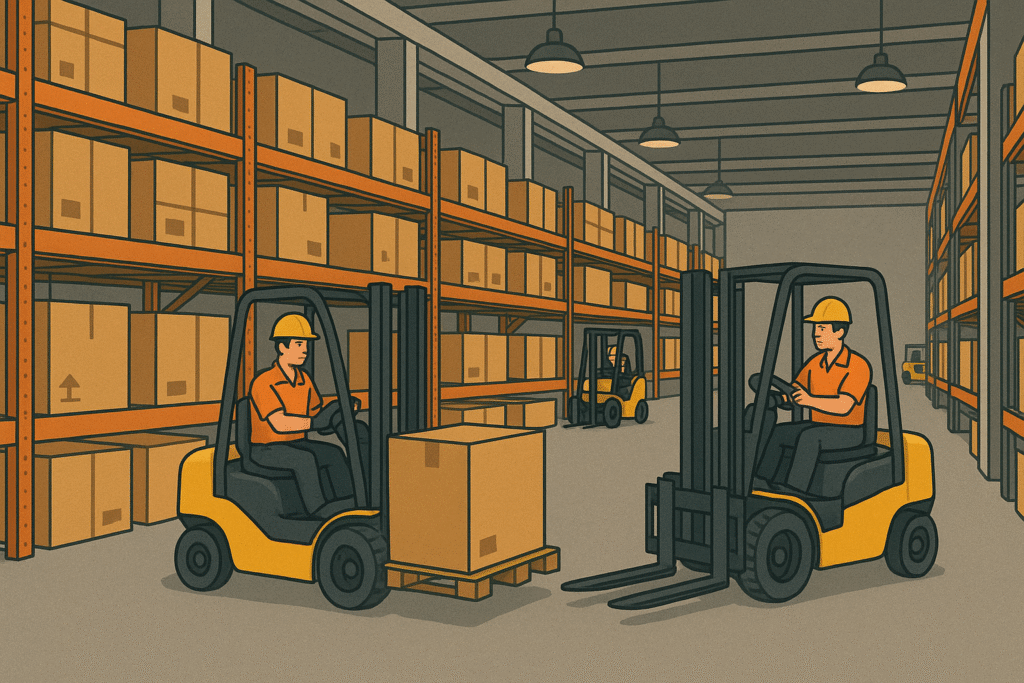
- Moving Equipment: Forklifts, reach trucks, and pallet jacks can strike or pin pedestrians.
- Blind Spots: Corners, racking systems, and narrow aisles reduce visibility.
- Poor Housekeeping: Spilled liquids, loose packaging, and cluttered walkways create trip hazards.
- High Noise Levels: Loud environments may prevent workers from hearing approaching vehicles.
- Lack of Separation: Shared spaces for vehicles and pedestrians increase collision risks.
Engineering Controls for Pedestrian Safety
The design of a warehouse plays a crucial role in pedestrian safety. Engineering controls help eliminate risks at the source.
- Dedicated Walkways: Marked pedestrian lanes with floor striping or barriers separate foot traffic from vehicles.
- Guardrails and Barriers: Physical barriers prevent forklifts from entering pedestrian zones.
- Convex Mirrors: Installed at blind corners to improve visibility.
- Lighting Improvements: Well-lit walkways reduce the chances of accidents in low-visibility areas.
- Loading Dock Safety: Dock levelers, bumpers, and dock gates provide safer pedestrian operations.
Administrative Controls and Training
Engineering solutions must be reinforced by administrative measures and proper training.
- Safety Training Programs: Workers should learn traffic management rules, vehicle blind spots, and emergency response procedures.
- Traffic Management Plans: Clearly defined routes, signage, and rules for vehicles and pedestrians minimize confusion.
- High-Visibility Clothing: Pedestrians wearing reflective vests or jackets are more visible to operators.
- Safe Work Procedures: Policies such as no mobile phone use in active zones keep workers attentive.
- Shift Planning: Scheduling deliveries and heavy equipment operations during off-peak pedestrian hours reduces congestion.
Technology to Enhance Pedestrian Safety
Modern warehouses increasingly adopt smart technologies to protect pedestrians.
- Proximity Sensors: Forklifts fitted with detection systems alert operators of nearby pedestrians.
- Wearable Devices: Pedestrian tags or vests integrated with vehicle sensors reduce collision risks.
- CCTV Monitoring: Cameras in high-risk areas allow supervisors to monitor pedestrian activity.
- Automated Guided Vehicles (AGVs): Autonomous equipment reduces unpredictable human driving behaviors.
Case Example: Pedestrian Near Misses in Warehouses
Consider a busy logistics warehouse in Toronto where frequent near-miss incidents occurred between forklift operators and pedestrians.
After an OHSE audit, the company implemented dedicated pedestrian walkways, installed convex mirrors at all blind intersections, and mandated reflective vests.
Within six months, reported near-miss incidents dropped by over 60%. This illustrates how combining engineering and administrative controls can significantly improve safety.
Best Practices for Employers
To ensure pedestrian safety in busy warehouse environments, employers should:
- Conduct regular risk assessments focused on pedestrian hazards.
- Implement safety audits to identify problem areas.
- Provide ongoing refresher training for both operators and pedestrians.
- Encourage reporting of near misses to identify trends before they become incidents.
- Foster a safety culture where all workers feel responsible for protecting each other.
Quick Reference Table: Pedestrian Safety Controls
Pedestrian safety in busy warehouse environments is one of the most pressing OHSE challenges. Warehouses are high-energy zones where forklifts, pallet trucks, conveyors, and delivery vehicles constantly move alongside workers on foot.
Without strict safety measures, this mix can result in serious accidents, injuries, or even fatalities. According to the U.S. Occupational Safety and Health Administration (OSHA), forklift-related incidents alone account for nearly 85 fatalities and thousands of injuries annually.
Protecting pedestrians in warehouses requires a layered approach involving training, design, technology, and awareness.
Why Pedestrian Safety Matters in Warehouses
Warehouse environments are designed for efficiency, but the focus on speed often introduces hazards. Pedestrians risk being struck by moving equipment, pinned between vehicles and structures, or tripping over poorly stored materials.
In Canada, the Canadian Centre for Occupational Health and Safety (CCOHS) emphasizes that warehouses are among the highest-risk workplaces for struck-by incidents.
For employers, pedestrian safety is not just a legal requirement but also a moral responsibility. Beyond compliance, ensuring safety reduces lost-time injuries, lowers insurance costs, and improves employee morale.
Key Hazards for Pedestrians in Busy Warehouses
Pedestrians face several hazards in warehouse environments:
- Moving Equipment: Forklifts, reach trucks, and pallet jacks can strike or pin pedestrians.
- Blind Spots: Corners, racking systems, and narrow aisles reduce visibility.
- Poor Housekeeping: Spilled liquids, loose packaging, and cluttered walkways create trip hazards.
- High Noise Levels: Loud environments may prevent workers from hearing approaching vehicles.
- Lack of Separation: Shared spaces for vehicles and pedestrians increase collision risks.
Engineering Controls for Pedestrian Safety
The design of a warehouse plays a crucial role in pedestrian safety. Engineering controls help eliminate risks at the source.
- Dedicated Walkways: Marked pedestrian lanes with floor striping or barriers separate foot traffic from vehicles.
- Guardrails and Barriers: Physical barriers prevent forklifts from entering pedestrian zones.
- Convex Mirrors: Installed at blind corners to improve visibility.
- Lighting Improvements: Well-lit walkways reduce the chances of accidents in low-visibility areas.
- Loading Dock Safety: Dock levelers, bumpers, and dock gates provide safer pedestrian operations.
Administrative Controls and Training
Engineering solutions must be reinforced by administrative measures and proper training.
- Safety Training Programs: Workers should learn traffic management rules, vehicle blind spots, and emergency response procedures.
- Traffic Management Plans: Clearly defined routes, signage, and rules for vehicles and pedestrians minimize confusion.
- High-Visibility Clothing: Pedestrians wearing reflective vests or jackets are more visible to operators.
- Safe Work Procedures: Policies such as no mobile phone use in active zones keep workers attentive.
- Shift Planning: Scheduling deliveries and heavy equipment operations during off-peak pedestrian hours reduces congestion.
Technology to Enhance Pedestrian Safety
Modern warehouses increasingly adopt smart technologies to protect pedestrians.
- Proximity Sensors: Forklifts fitted with detection systems alert operators of nearby pedestrians.
- Wearable Devices: Pedestrian tags or vests integrated with vehicle sensors reduce collision risks.
- CCTV Monitoring: Cameras in high-risk areas allow supervisors to monitor pedestrian activity.
- Automated Guided Vehicles (AGVs): Autonomous equipment reduces unpredictable human driving behaviors.
Case Example: Pedestrian Near Misses in Warehouses
Consider a busy logistics warehouse in Toronto where frequent near-miss incidents occurred between forklift operators and pedestrians.
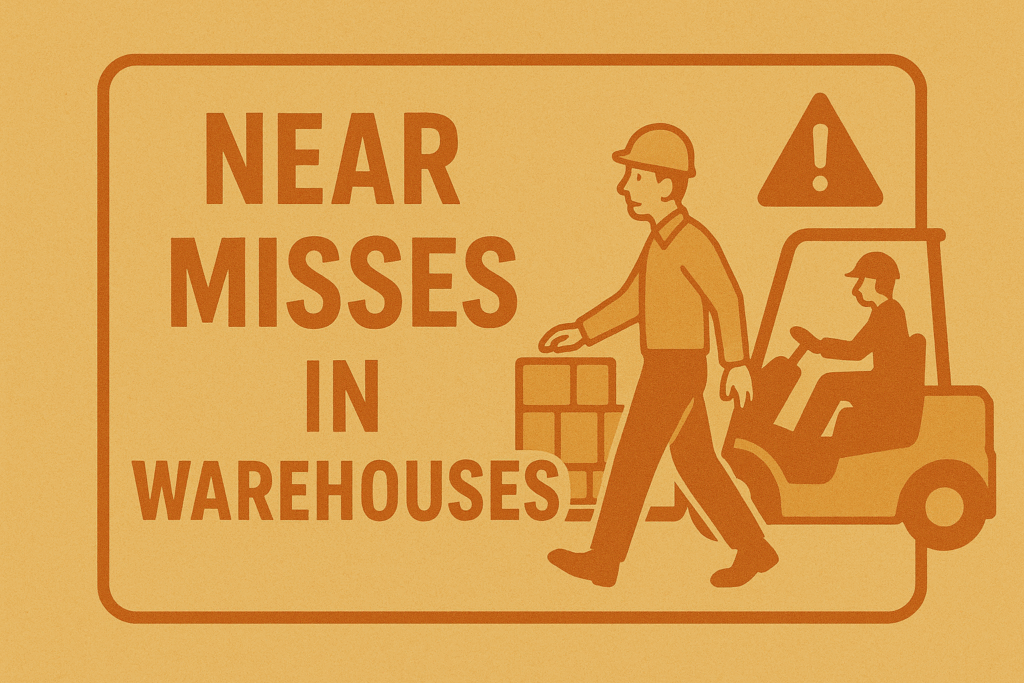
After an OHSE audit, the company implemented dedicated pedestrian walkways, installed convex mirrors at all blind intersections, and mandated reflective vests.
Within six months, reported near-miss incidents dropped by over 60%. This illustrates how combining engineering and administrative controls can significantly improve safety.
Best Practices for Employers
To ensure pedestrian safety in busy warehouse environments, employers should:
- Conduct regular risk assessments focused on pedestrian hazards.
- Implement safety audits to identify problem areas.
- Provide ongoing refresher training for both operators and pedestrians.
- Encourage reporting of near misses to identify trends before they become incidents.
- Foster a safety culture where all workers feel responsible for protecting each other.
Quick Reference Table: Pedestrian Safety Controls
| Control Type | Example Measures |
|---|---|
| Engineering | Guardrails, walkways, mirrors, lighting |
| Administrative | Training, signage, high-visibility clothing |
| Technology | Sensors, wearables, CCTV, AGVs |
Notes for Workers
- Always make eye contact with forklift operators before crossing.
- Stay within designated walkways wherever possible.
- Wear high-visibility PPE at all times in active zones.
- Avoid distractions such as mobile phones while walking in the warehouse.
External Resources
- Canadian Centre for Occupational Health and Safety (CCOHS)
- U.S. OSHA – Warehouse Safety
- WorkSafeBC – Warehouse Traffic Management
For more workplace OHSE guidance, you can also visit OHSE.ca.
Conclusion
Pedestrian safety in busy warehouse environments demands a comprehensive strategy that combines engineering solutions, administrative controls, and technological enhancements.
By prioritizing the separation of pedestrians and vehicles, providing training, and leveraging safety technology, employers can dramatically reduce accidents. Creating a workplace where every step is secure not only protects lives but also strengthens organizational efficiency.
Pedestrian safety in busy warehouse environments is not optional—it is essential.