


Pest Control Worker Safety: Practical OHSE Measures for Safer Field Operations
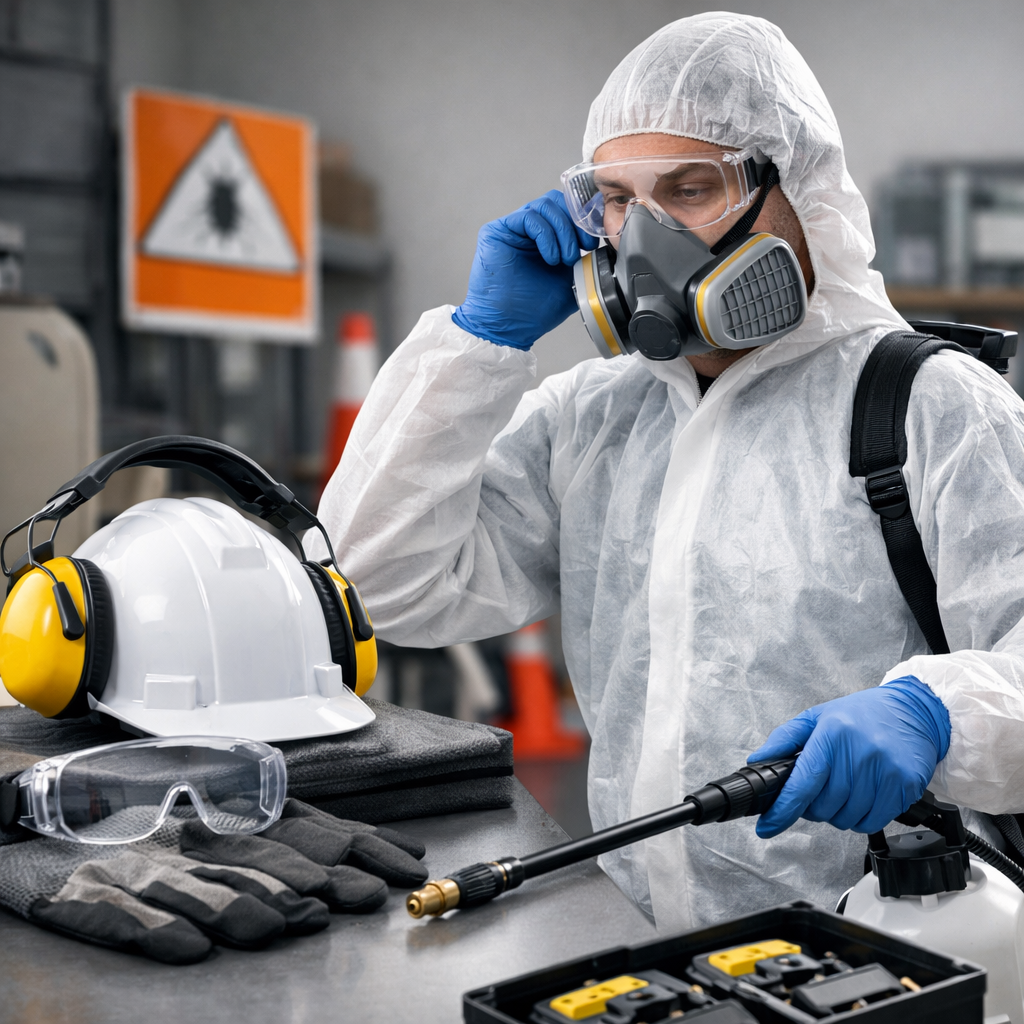

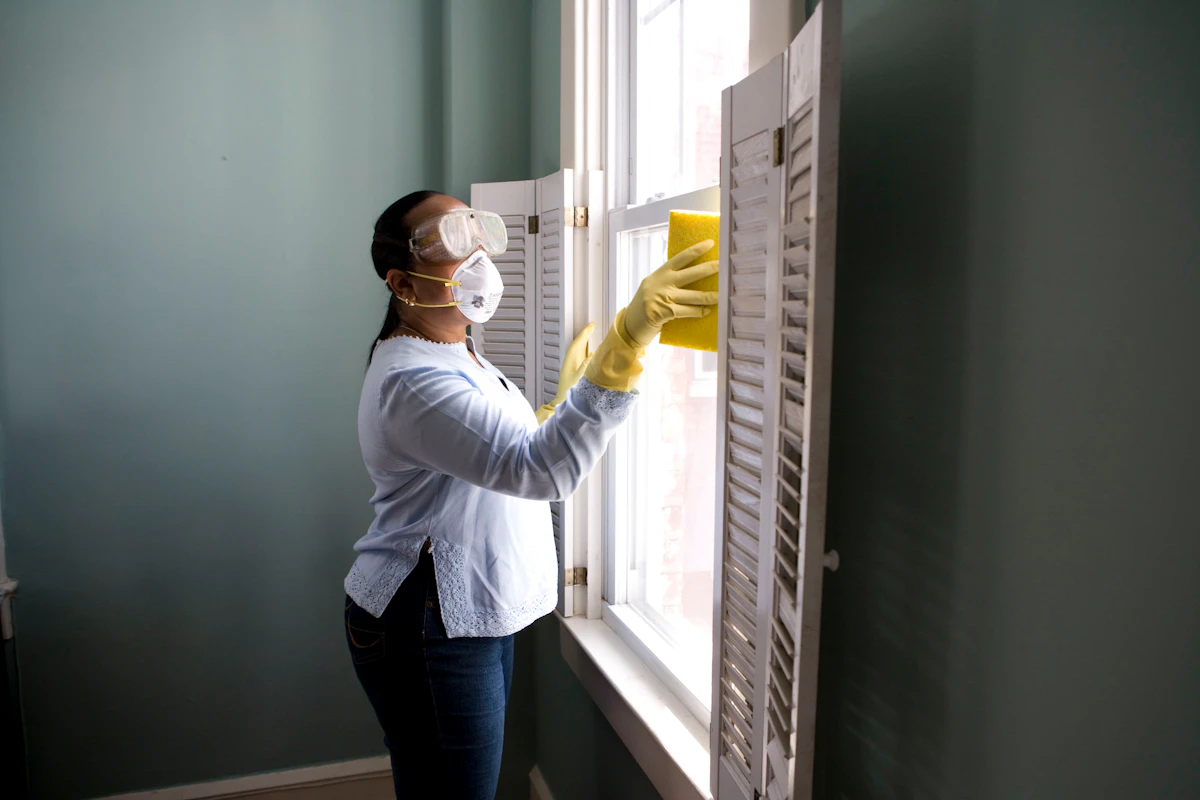
pest control worker safety is a critical part of occupational health, safety, and environmental management because technicians regularly work around hazardous chemicals, confined areas, sharp tools, aggressive pests, and unpredictable job sites.
Whether the task involves spraying for insects, setting traps in roof voids, fumigating warehouses, or inspecting food premises, the risks can change quickly and become serious without proper planning.
A strong safety program protects workers from injury and illness, helps employers meet legal duties, and improves service quality for customers. It also reduces downtime, compensation claims, chemical incidents, and reputational damage.
For pest control businesses, safe work is not an extra task. It is part of every inspection, treatment, vehicle setup, and follow-up visit.
Pest Control Worker Safety Risks in Everyday Operations
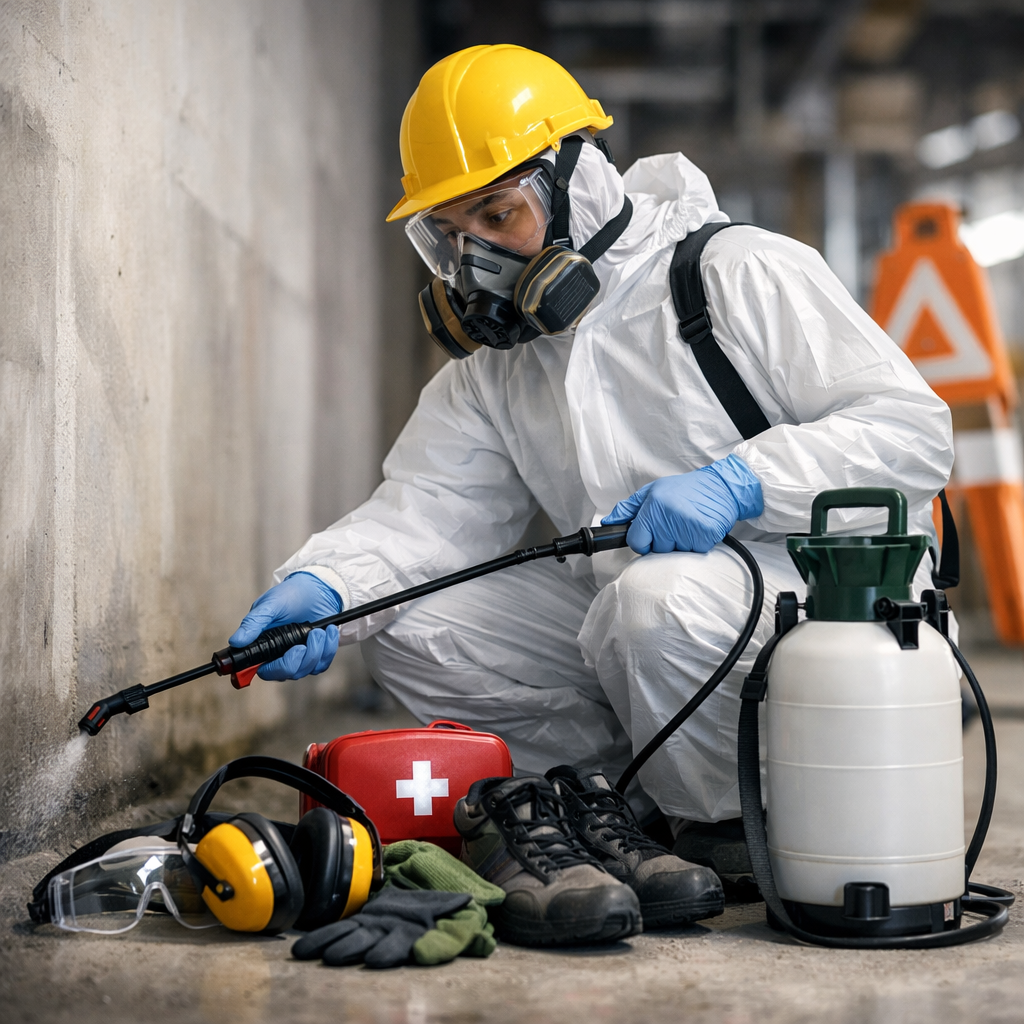
Pest control worker safety begins with understanding the hazards present in day-to-day work. Chemical exposure is one of the most obvious risks, but it is far from the only one.
Technicians may inhale vapors, absorb pesticides through the skin, or accidentally ingest residues when handling concentrates, mixing solutions, or cleaning contaminated equipment. Exposure can be acute, such as dizziness, nausea, or breathing distress, or long term, including skin disorders and chronic respiratory problems.
Physical hazards are also common. Workers often climb ladders, crawl through ceiling spaces, enter basements, move appliances, and work in poor lighting. These conditions raise the chance of slips, trips, falls, cuts, strains, and heat stress.
Biological hazards must also be considered. Rodents, birds, cockroaches, wasps, fleas, and other pests can bite, sting, scratch, or spread disease. Contaminated droppings, nesting materials, and stagnant water may expose workers to bacteria, fungi, and viruses.
Driving is another major risk because pest control staff spend significant time on the road carrying chemicals, equipment, and ladders between sites.
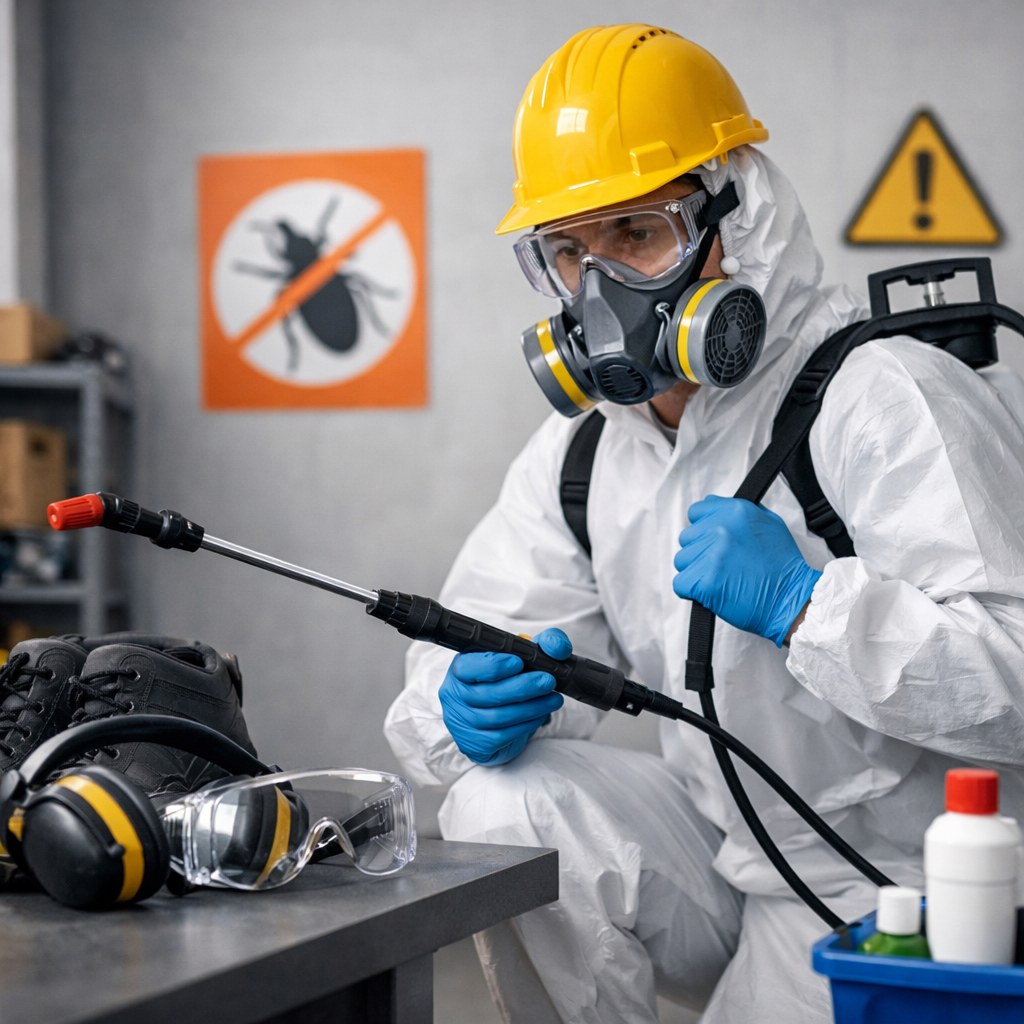
Common hazards that affect pest control worker safety
- Chemical exposure: splashes, inhalation, contaminated clothing, and poor storage practices
- Manual handling injuries: lifting sprayers, bait stations, ladders, and heavy equipment
- Falls: ladder work, roof spaces, uneven outdoor ground, and wet surfaces
- Bites and stings: bees, wasps, spiders, rodents, and ants
- Confined or restricted spaces: crawl spaces, subfloors, ceiling voids, and storage areas
- Vehicle incidents: road travel, reversing, loading, and unloading equipment
- Heat, fatigue, and dehydration: especially during outdoor summer treatments
- Sharps and contamination: discarded needles, broken glass, and animal waste in hidden locations
A practical example is a technician treating a restaurant storeroom. The worker may face slippery floors, limited ventilation, pest droppings, electrical equipment, and the need to apply chemicals near food-handling areas.
Without a site assessment and clear controls, a routine job can quickly become a multi-hazard event.
Pest Control Worker Safety and the Hierarchy of Controls
The most effective way to improve pest control worker safety is to apply the Hierarchy of Controls. This means controlling hazards at the highest practical level rather than relying only on personal protective equipment.
Elimination is the best option where possible. For example, a technician can avoid unnecessary exposure by using non-chemical methods first, such as sealing entry points, removing food sources, improving sanitation, or changing waste management practices.
Substitution involves selecting lower-toxicity products, ready-to-use formulations, or application methods that reduce drift and splash. Engineering controls can include locked chemical storage, spill trays in vehicles, ventilation systems, enclosed bait stations, and safer spray equipment.
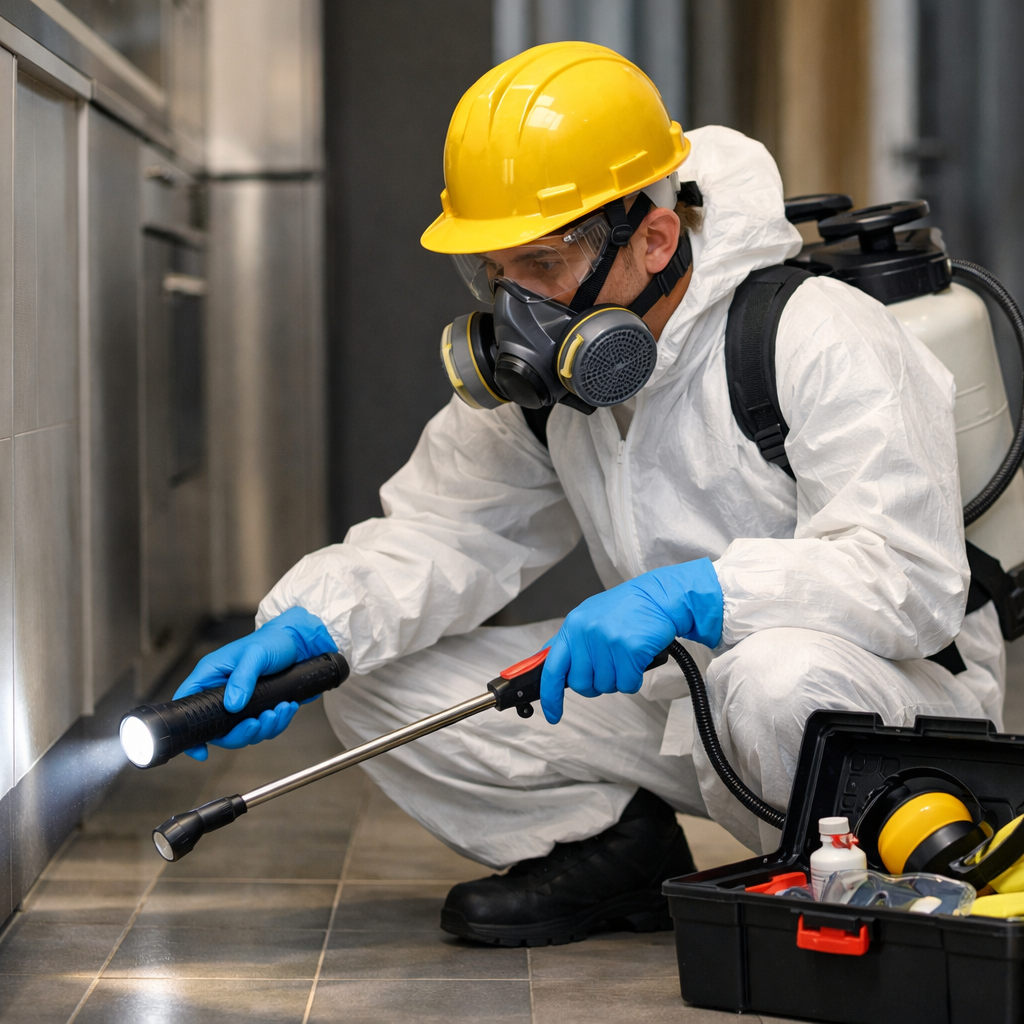
Administrative controls support safer decisions and consistent work practices. These include safe work procedures, scheduling high-risk jobs for cooler parts of the day, maintaining Safety Data Sheets, incident reporting, supervision, and worker training.
For guidance, employers often refer to OSHA and the CCOHS, both of which provide practical information on hazardous substances, PPE, training, and workplace risk management.
Applying controls in real pest control tasks
| Task | Main Risk | Recommended Control |
|---|---|---|
| Mixing pesticide concentrate | Chemical splash and inhalation | Use ready-mix products where possible, mix in ventilated areas, wear gloves and eye protection |
| Roof void inspection | Falls, dust, heat, poor visibility | Pre-entry assessment, lighting, stable access, dust control, time limits, and spotter support |
| Rodent control in waste area | Biological contamination and sharps | Use puncture-resistant gloves, inspect carefully, maintain hygiene, and dispose of waste correctly |
| Wasp nest treatment | Stings and panic-related falls | Restrict the area, assess escape route, use suitable PPE, and treat during lower activity periods |
Businesses can also strengthen controls by reviewing field procedures regularly. A good starting point is a company’s own safety procedures and risk assessment guide, which should be updated as services, chemicals, and work environments change.
PPE Requirements for Pest Control Worker Safety
Although PPE is the last line of defense, it remains essential for pest control worker safety because technicians often work close to chemicals, contaminated surfaces, and active infestations.
The right PPE depends on the task, product label instructions, exposure route, and site conditions. Employers should never assume one standard kit is suitable for every treatment.
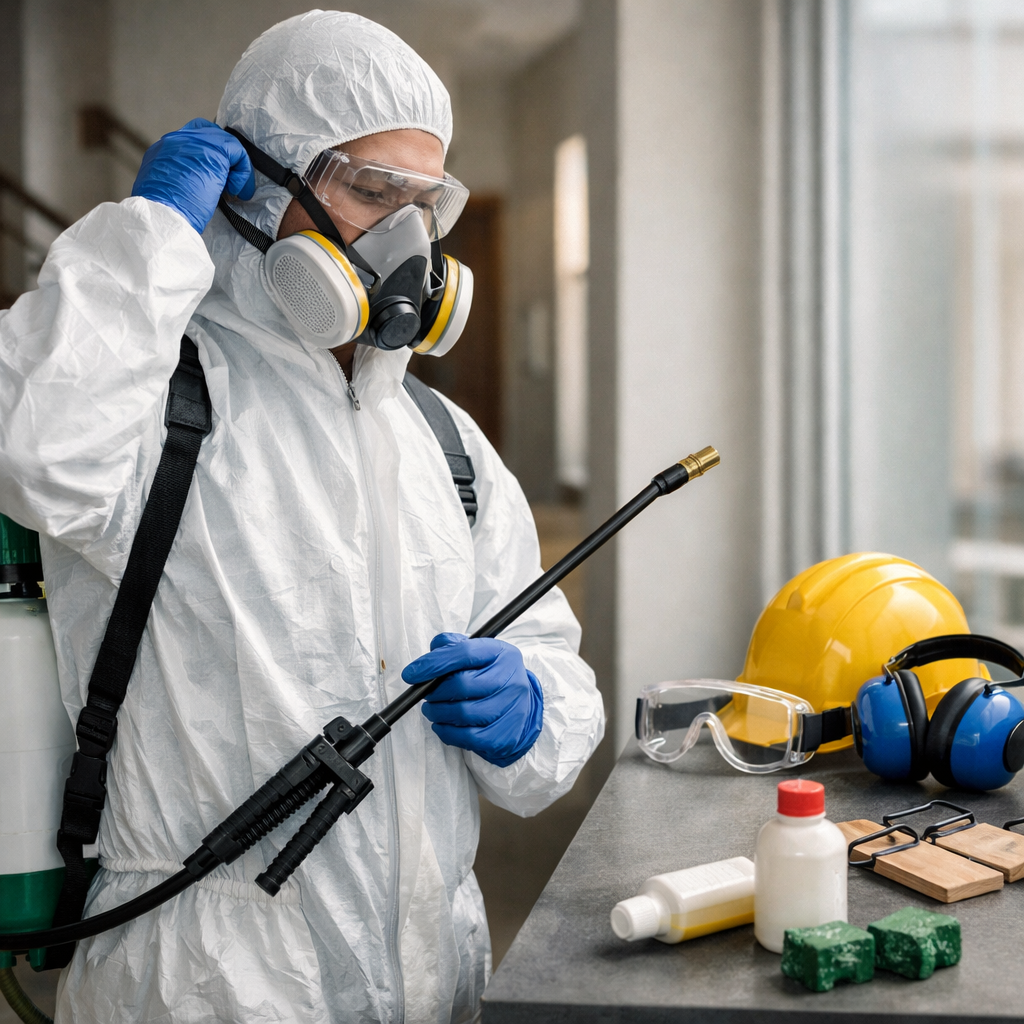
Core PPE used in pest control work
- Chemical-resistant gloves suitable for the product being handled
- Protective coveralls or long-sleeved clothing to reduce skin contact
- Eye protection such as goggles or face shields during mixing and spraying
- Respiratory protection where mists, dusts, or vapors may be present
- Safety boots with slip-resistant soles for uneven or wet ground
- Head protection where overhead impacts or low-clearance spaces are possible
PPE must fit properly, be cleaned or replaced when contaminated, and be stored separately from food, drinking water, and personal items. Respirators in particular require careful selection, maintenance, and user training.
Workers should also know the limits of PPE. Gloves do not make unsafe mixing acceptable, and a respirator does not replace the need for ventilation or lower-risk products.
A practical example is a technician preparing a termiticide mix from concentrate. Safe practice includes checking the product label, wearing splash-resistant eye protection, using chemical-resistant gloves, mixing on a stable surface, and washing hands before touching phones, vehicle controls, or eating.
Further chemical handling information can be found through the EPA pesticide worker safety resources.
Training, Compliance, and Safe Work Culture
Pest control worker safety depends not only on equipment and procedures but also on training, supervision, and compliance with applicable laws. Workers must understand product labels, hazard communication, first aid measures, spill response, emergency contacts, and customer-site rules before they begin high-risk tasks.
Licensing and certification requirements vary by region, but employers are generally responsible for ensuring workers are competent to use pesticides, handle contaminated materials, and complete site-specific risk assessments.
Documentation matters. Safety Data Sheets should be current and accessible, vehicles should carry spill kits, and chemical inventories should be accurate. Near misses, minor exposures, and unsafe conditions should be reported early so controls can be improved before a serious incident occurs.
Supervisors play a key role by observing work in the field, checking PPE use, reviewing incident trends, and making sure technicians are not rushed into unsafe shortcuts.
Practical steps to strengthen compliance and daily safety
- Complete a pre-job hazard assessment at every site
- Review product labels and Safety Data Sheets before use
- Inspect ladders, sprayers, hoses, and vehicle storage systems regularly
- Train workers on spill response, first aid, and decontamination
- Record exposure incidents and investigate root causes
- Schedule refresher training for seasonal hazards such as heat and stinging insects
- Communicate clearly with clients about restricted areas and re-entry times
Safe culture is built through repetition and accountability. When teams discuss hazards openly, stop work when conditions are unsafe, and learn from incidents without blame, the entire business becomes more resilient.
In conclusion, pest control worker safety requires a structured OHSE approach that combines hazard identification, prevention, suitable PPE, legal compliance, and practical field awareness. From chemical handling and ladder use to vehicle safety and biological exposure, every task should be assessed and controlled using the Hierarchy of Controls wherever possible. Businesses that treat pest control worker safety as a daily operational standard, rather than a paperwork exercise, protect their workers, their customers, and the long-term health of the company.