

Gym environments are designed to promote health and fitness, but they also present a variety of risks if equipment is used improperly.

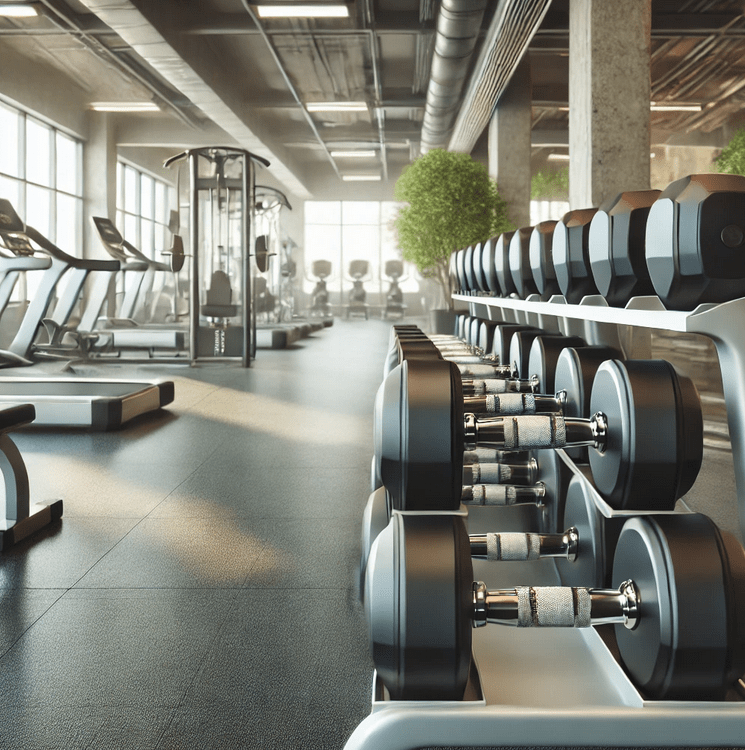
Accidents such as falls from treadmills, dropped weights, and injuries from faulty equipment can result in serious harm. Whether you’re a gym member or an employee, it’s essential to be aware of how to prevent common gym equipment accidents.
This article outlines key strategies to stay safe during workouts and ensure that gym environments remain accident-free.
- 1. Treadmill Accidents: How to Stay Safe
- 2. Weightlifting Mishaps: Avoiding Injuries While Using Free Weights
- 3. Elliptical and Stationary Bike Safety: Reducing Strain and Overuse Injuries
- 4. Injuries from Faulty Equipment: Regular Maintenance and Inspection
- 5. Overexertion and Muscle Strains: Knowing Your Limits
- 6. Stretching and Warm-Ups: Preventing Injuries Before They Happen
- 7. Using Personal Protective Equipment (PPE) in the Gym
- 8. Emergency Response and First Aid in the Gym
1. Treadmill Accidents: How to Stay Safe
Treadmills are one of the most frequently used machines in gyms, and they are also one of the most common sources of accidents. From trips and falls to sudden speed changes, treadmill-related injuries can range from minor scrapes to serious fractures.
Prevention Tips:
- Start Slowly: Always start at a slow speed and gradually increase the pace. Avoid jumping onto a moving treadmill.
- Use the Safety Clip: Most treadmills have an emergency stop clip that will halt the machine if you fall. Always attach the clip to your clothing during your workout.
- Pay Attention: Avoid distractions, such as watching TV or texting, that could cause you to lose focus on your workout.
- Maintain Balance: Hold onto the treadmill handles when necessary to maintain balance, especially during incline adjustments.
2. Weightlifting Mishaps: Avoiding Injuries While Using Free Weights
Weightlifting accidents, such as dropping a barbell or dumbbell, can lead to severe injuries like sprains, fractures, or muscle tears. Proper technique and awareness are essential for safe weightlifting.
Prevention Tips:
- Use a Spotter: Always lift heavy weights with the assistance of a spotter, especially when using a bench press or squat rack.
- Warm-Up Properly: Stretch and warm up before lifting to prevent muscle strain.
- Don’t Lift More Than You Can Handle: Gradually increase weights over time to avoid overexertion.
- Use Proper Technique: Ensure that you use correct form to reduce the risk of injury. If unsure, ask a gym trainer for guidance.
Note: Be cautious when stacking weights or handling heavy equipment to prevent accidental dropping or uneven weight distribution.
3. Elliptical and Stationary Bike Safety: Reducing Strain and Overuse Injuries
Ellipticals and stationary bikes are great for cardio workouts, but improper use or overuse can lead to joint pain, muscle strains, or repetitive stress injuries.
Prevention Tips:
- Adjust the Machine to Fit Your Body: Ensure that the elliptical or bike is adjusted to your height and weight for optimal comfort and reduced strain on your joints.
- Don’t Overdo It: Gradually build up the intensity of your workout. Overuse can lead to knee or hip problems.
- Maintain Good Posture: Keep your back straight and your knees slightly bent to avoid strain on your spine or joints.
- Stay Hydrated: Drink water regularly to prevent dehydration during long cardio sessions.
4. Injuries from Faulty Equipment: Regular Maintenance and Inspection
Faulty or broken equipment is a common cause of gym accidents. Machines that are not regularly inspected or maintained can malfunction, leading to accidents or injuries.
Prevention Tips:
- Inspect Equipment Before Use: Check for any visible damage or loose parts before using gym machines or equipment.
- Report Issues Immediately: If you notice a machine or equipment is not functioning properly, report it to gym staff immediately.
- Use Well-Maintained Equipment: Avoid using machines that seem old, unstable, or under repair.
Example:
Jim, a gym member, noticed that the seat on the stationary bike was loose. Instead of reporting it, he continued to use it, which led to a minor fall and a sprained ankle. Reporting the issue beforehand could have prevented the injury.
5. Overexertion and Muscle Strains: Knowing Your Limits
Pushing your body too hard without sufficient rest can lead to muscle strains or overexertion. Overexertion is one of the leading causes of gym-related injuries and can have long-term consequences on your health.
Prevention Tips:
- Listen to Your Body: Stop exercising if you feel pain, dizziness, or extreme fatigue. These are signs that your body needs rest.
- Incorporate Rest Days: Give your muscles time to recover between intense workouts to prevent overuse injuries.
- Gradually Increase Intensity: Don’t attempt high-intensity workouts too quickly. Gradually increase the intensity or duration of your workout over time.
Quiz: Are You Aware of Your Gym Safety Knowledge?
| Question | Answer Options | Correct Answer |
|---|---|---|
| What should you do if you notice a piece of gym equipment is faulty? | a) Ignore it, b) Report it to staff, c) Use it carefully | b) Report it to staff |
| How can you prevent injuries while lifting heavy weights? | a) Use a spotter, b) Lift alone, c) Lift as much as you can | a) Use a spotter |
| What is the purpose of the emergency clip on a treadmill? | a) Speed control, b) Emergency stop, c) Tracking progress | b) Emergency stop |
| What is the first step when using a treadmill? | a) Start at full speed, b) Set a slow pace, c) Adjust the incline | b) Set a slow pace |
| How often should gym equipment be maintained and inspected? | a) Annually, b) Monthly, c) Daily | c) Daily |
6. Stretching and Warm-Ups: Preventing Injuries Before They Happen
A proper warm-up routine is essential to prepare your muscles and joints for exercise. Stretching before and after workouts reduces the risk of injury and improves flexibility.
Prevention Tips:
- Start with Dynamic Stretching: Focus on dynamic stretches that mimic the movements you will perform during your workout.
- Cool Down After Exercise: Incorporate static stretches after exercising to reduce muscle stiffness and improve flexibility.
- Target All Major Muscle Groups: Make sure to stretch your legs, arms, back, and neck to avoid muscle imbalances.
7. Using Personal Protective Equipment (PPE) in the Gym

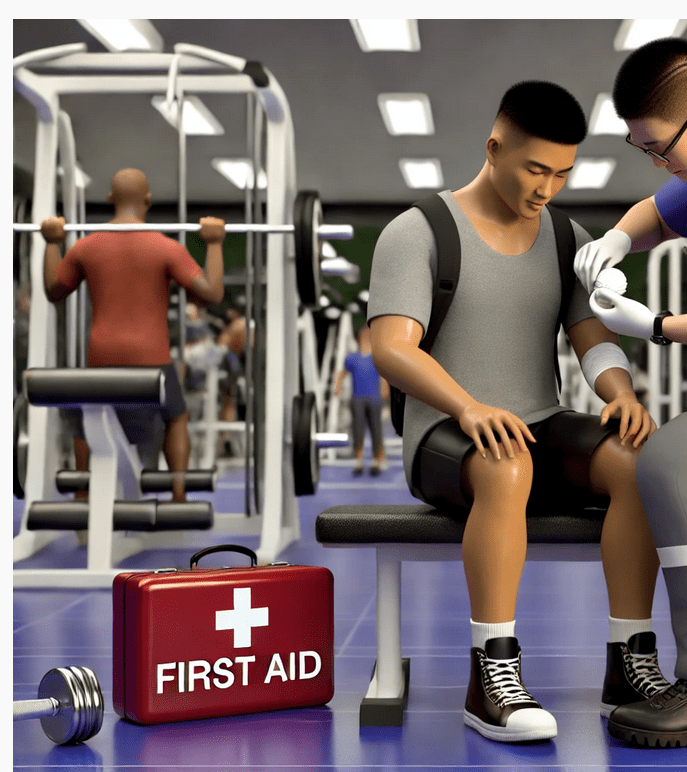
While PPE is commonly associated with industrial environments, it’s also applicable to gyms. Certain gym environments require specialized gear, such as gloves for weightlifting, knee braces, or protective wrist guards.
PPE for Gym Use:
- Weightlifting Gloves: Protect your hands from blisters and provide a better grip on weights.
- Knee Braces: Support your knees during heavy lifting or cardio workouts to avoid strain.
- Wrist Guards: Useful for protecting wrists during activities like boxing or heavy lifting.
8. Emergency Response and First Aid in the Gym
Accidents happen even in the safest environments. Gyms must be prepared to handle medical emergencies with first aid kits and staff trained in CPR and emergency procedures.
Emergency Response Tips:
- First Aid Kits: Ensure that first aid kits are easily accessible and fully stocked with supplies for treating minor injuries like cuts, bruises, or sprains.
- CPR Training: Gym staff should be certified in CPR and know how to use automated external defibrillators (AEDs) in case of emergencies.
- Know Emergency Exits: Ensure that all customers and staff know where emergency exits are located and how to evacuate in case of fire or other emergencies.
Preventing gym equipment accidents is a shared responsibility between gym owners, staff, and customers. By following the tips outlined above—such as using equipment correctly, maintaining proper form, and staying mindful of your surroundings—you can minimize the risk of injury and enjoy a safe workout.
Safety protocols, regular equipment inspections, and proper use of PPE will also go a long way in keeping everyone safe and healthy.