

Preventing Fall and Slip Incidents During Autumn Rains : As the autumn rains arrive, workplaces face increased slip, trip, and fall risks.
Preventing fall and slip incidents during autumn rains is essential to protecting workers, reducing downtime, and maintaining a safe environment.


- Why Autumn Rains Increase Slip and Fall Risks
- Identifying High-Risk Areas
- Engineering Controls for Fall Prevention
- Administrative Controls and Workplace Policies
- The Role of PPE in Slip and Fall Prevention
- The Hidden Risk of Wet Leaves
- Lighting and Visibility in Shorter Days
- Case Study: A Warehouse Entryway Hazard
- Worker Training and Awareness
- Preparing for the Winter Transition
- Key Takeaways
Why Autumn Rains Increase Slip and Fall Risks
Preventing fall and slip incidents during autumn rains begins with understanding the hazards. During fall, wet leaves, rain-soaked pavements, and early morning frost create slippery surfaces.
These hazards are not just outdoors—water tracked inside on boots can quickly make entryways and hallways dangerous.
According to the Canadian Centre for Occupational Health and Safety, slips, trips, and falls account for a significant percentage of workplace injuries each year.
Autumn conditions add an extra layer of risk due to poor visibility in shorter daylight hours, wet surfaces, and fluctuating temperatures that can create frost overnight.
Identifying High-Risk Areas
Workplaces must focus on identifying and monitoring high-risk areas during fall.
Examples include:
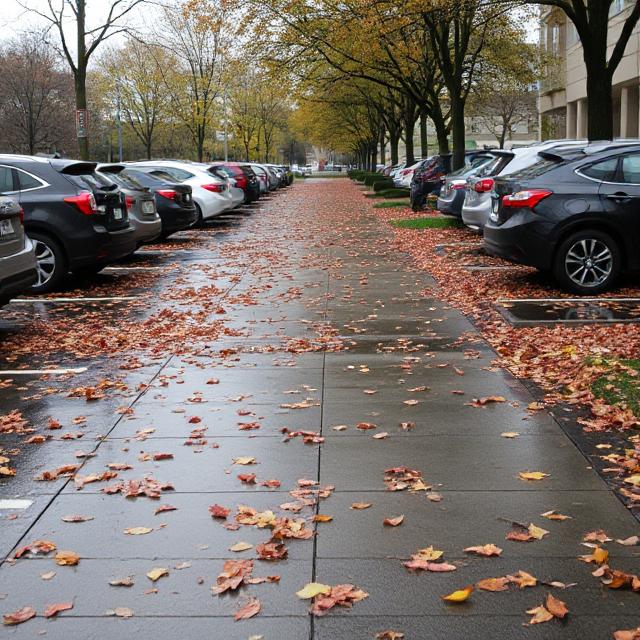
- Parking lots and outdoor walkways covered with wet leaves.
- Building entrances where rainwater is tracked inside.
- Stairways with metal or concrete surfaces that become slick in rain.
- Loading docks, ramps, and warehouse floors near open doors.
By conducting seasonal safety audits, employers can take proactive steps in preventing fall and slip incidents during autumn rains.
Engineering Controls for Fall Prevention
One of the most effective strategies for preventing fall and slip incidents during autumn rains is applying engineering controls that reduce hazards at their source.
- Non-slip mats and grates at all entrances to capture water and mud.
- High-friction floor coatings in walkways and stairwells.
- Adequate drainage systems in parking lots and outdoor walkways.
- Automatic door closers to minimize rain blowing inside.
These solutions reduce reliance on workers’ behavior alone and create safer environments by design.
Administrative Controls and Workplace Policies
Preventing fall and slip incidents during autumn rains also requires strong workplace policies. Employers should establish clear cleaning and inspection schedules.
- Assign staff to check and mop wet floors regularly.
- Use bright “Wet Floor” signage when needed.
- Train employees on proper footwear selection and safe walking practices.
- Schedule high-risk outdoor work during daylight hours when possible.
A well-documented autumn safety policy can be integrated into broader workplace health and safety programs for better compliance and accountability.
The Role of PPE in Slip and Fall Prevention
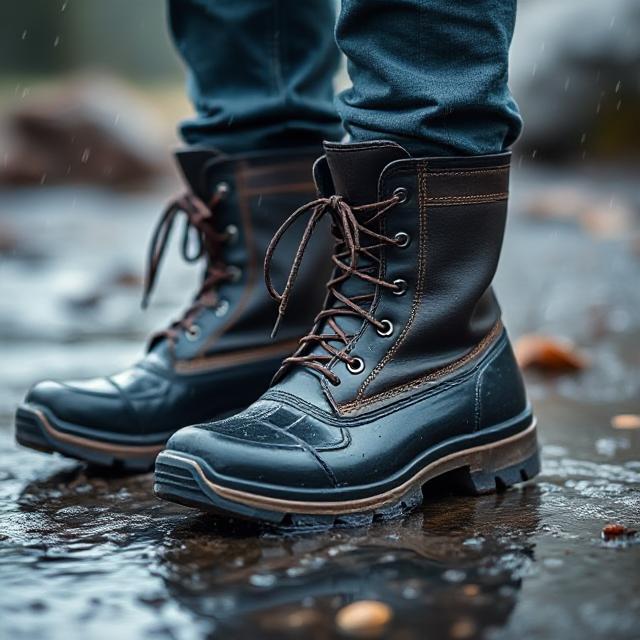
Personal Protective Equipment (PPE) plays a vital role in preventing fall and slip incidents during autumn rains. While PPE is the last line of defense, it is essential for workers exposed to wet and slippery conditions.
Examples of PPE include:
- Waterproof boots with slip-resistant soles.
- High-visibility clothing for low-light autumn evenings.
- Gloves that provide grip when using wet handrails.
Employers should provide PPE that meets safety standards and conduct inspections to ensure gear is in good condition.
The Hidden Risk of Wet Leaves
Many workers underestimate the risk of wet leaves. Piles of leaves can conceal potholes, uneven ground, or slick mud underneath. Leaf buildup in gutters and drains can also cause water pooling around entrances.
Preventing fall and slip incidents during autumn rains requires consistent leaf removal programs, especially in workplaces like schools, hospitals, and industrial facilities with high foot traffic.
Lighting and Visibility in Shorter Days
As daylight hours decrease in fall, poor lighting compounds slip and fall risks. Ensuring that outdoor walkways, parking lots, and staircases are well-lit is critical. Motion-sensor lights and LED upgrades can significantly reduce accident rates.
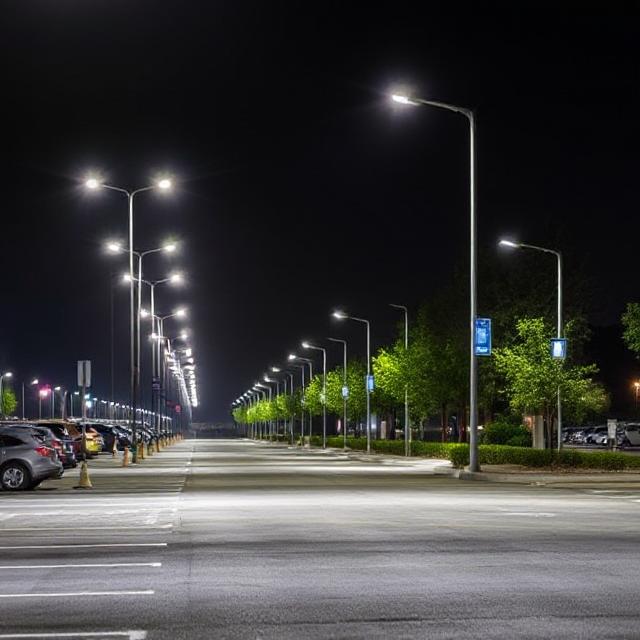
Employers can also integrate reflective paint or tape on stair edges and curbs, improving visibility in low-light conditions.
Case Study: A Warehouse Entryway Hazard
At one Canadian distribution warehouse, employees reported frequent near-miss incidents at the main entry after heavy autumn rains.
An inspection revealed that wet boots were carrying water onto a smooth tile surface, causing a serious hazard.
The company responded by:
- Installing heavy-duty entrance mats.
- Adding extra lighting near the door.
- Increasing floor inspections during rainy periods.
- Providing guidelines on slip-resistant footwear.
Within three months, reported incidents dropped by 70%. This demonstrates how simple interventions can make a measurable impact in preventing fall and slip incidents during autumn rains.
Worker Training and Awareness
No prevention program is complete without worker training. Employees should be trained to:
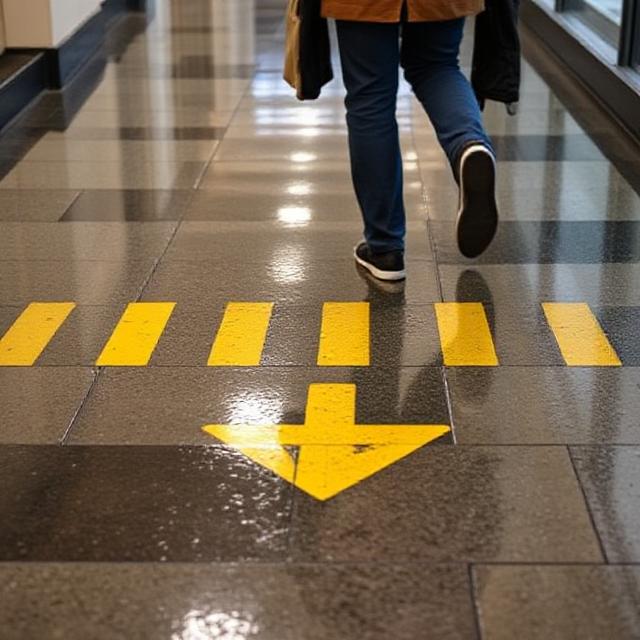
- Walk at slower speeds on wet floors.
- Report hazards such as water pooling or leaf buildup.
- Use handrails on wet staircases.
- Wear footwear appropriate for the season.
Seasonal toolbox talks and awareness campaigns can reinforce these safety habits. (For example: see our internal guide on Training and Safety Awareness).
Preparing for the Winter Transition
Autumn safety measures also prepare workplaces for the coming winter. Slip-resistant footwear, lighting upgrades, and leaf removal programs become the foundation for winter snow and ice safety plans. By addressing hazards early, organizations avoid being caught unprepared by the first frost or snowfall.
Key Takeaways
- Wet leaves, rain, and frost are leading contributors to slip and fall hazards in autumn.
- Engineering controls such as mats, coatings, and drainage systems reduce risks at their source.
- Administrative policies and PPE reinforce safe practices.
- Training and awareness are crucial in preventing fall and slip incidents during autumn rains.
- Early preparation for winter builds long-term workplace safety resilience.